Dobsonian vs Smart Telescope: Which First Scope Fits Your Stargazing Style?
Dobsonian vs Smart Telescope: Which First Scope Fits Your Stargazing Style?
If you are shopping for your first telescope, the real choice is not just optical. It is experiential. Do you want to learn the sky by pushing a simple scope with your own hands and looking through an eyepiece? Or do you want a more guided setup that finds targets for you and builds images on a screen while you stay warm with your phone in hand?
Both paths are valid. A Dobsonian can give you a lot of aperture for the money and a very direct connection to the night sky. A smart telescope can remove much of the friction that makes beginners quit early, especially if your real goal is sharing images or observing from a light-polluted yard. The wrong first scope is the one that does not match how you actually want to spend your nights outside.
For readers still narrowing down telescope types for urban observing, our guide to the best beginner telescope for city stargazing is a useful companion to this comparison.

What each one is really for
A Dobsonian is a reflector telescope on a simple alt-azimuth base. Its appeal is straightforward: a lot of light-gathering power, smooth manual movement, and fewer dollars going into electronics. Sky & Telescope's beginner guidance has been consistent for years: aperture and mount quality matter more than flashy magnification claims, and Dobsonians are one of the cheapest ways to get meaningful aperture.
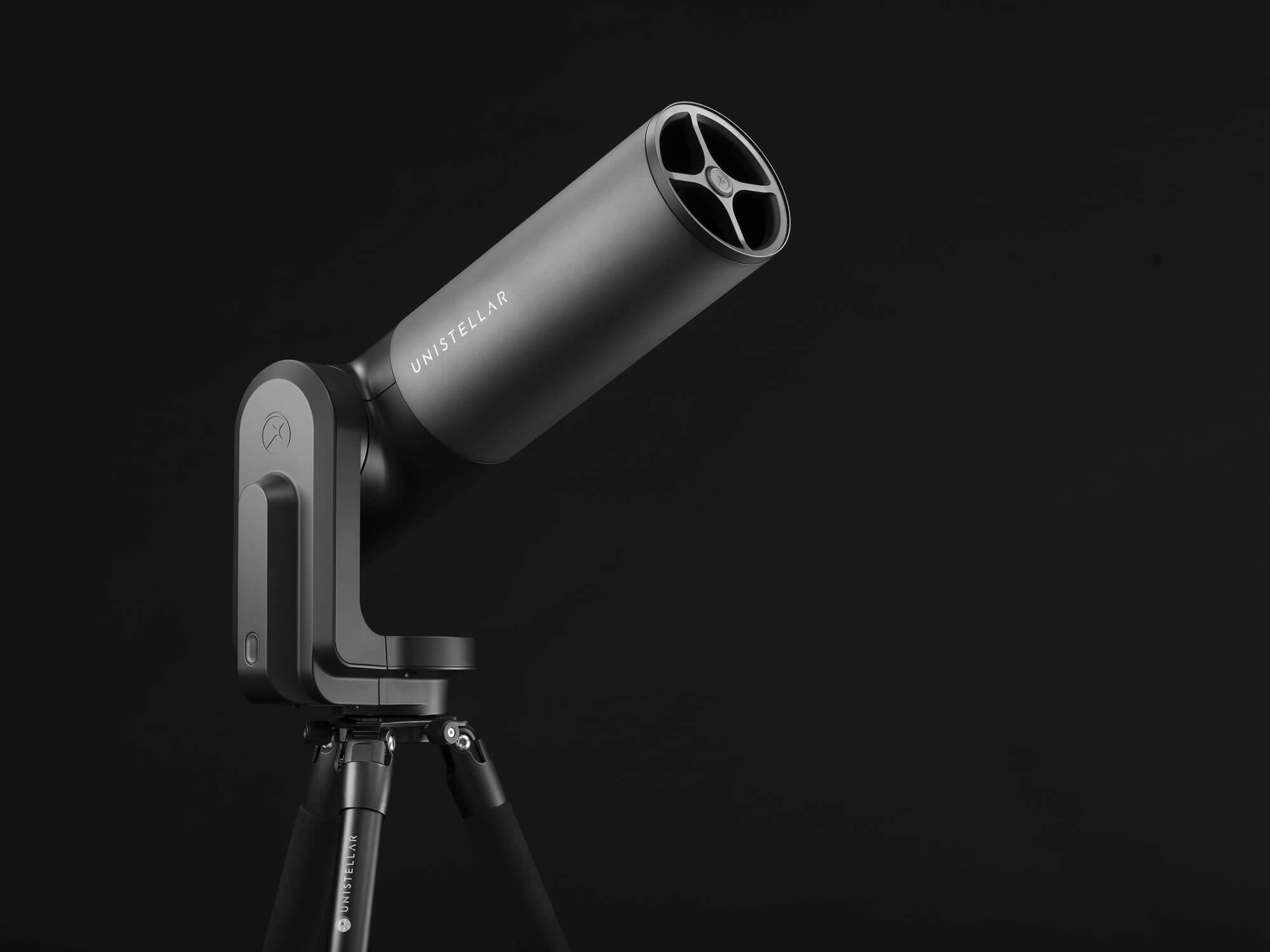
A smart telescope is built around automation and assisted observing. Instead of emphasizing the eyepiece-first experience, it usually leans on app control, automated pointing or tracking, and image capture or stacking. Brands like Vaonis position smart scopes around ease of use and quick astrophotography rather than traditional manual sky learning.
That difference matters because these are not just two versions of the same hobby. A Dobsonian invites you to become an observer. A smart telescope often invites you to become an observer-photographer with software doing some of the heavy lifting.
Choose a Dobsonian first if you want the sky to feel physical
A Dobsonian makes sense for beginners who care most about visual observing. If the dream is to see the Moon in sharp relief, follow Jupiter's moons, split bright double stars, or watch Saturn sit there like a tiny jewel, a Dobsonian is still one of the most satisfying ways to start.
Why beginners often love it:
- You get more aperture for the money than many other beginner-friendly designs.
- The mount is simple and usually more stable than flimsy tripod kits.
- The eyepiece view feels immediate in a way screens do not.
- Manual pointing teaches the sky faster because you build spatial awareness every session.
The tradeoff is that a Dobsonian asks more from you. You have to carry it, cool it, aim it, and keep objects centered by hand unless you buy an assisted variant. If learning the rhythm of finder alignment, eyepieces, and star-hopping sounds interesting instead of annoying, that is a strong sign the Dobsonian path may be right for you.
Choose a smart telescope first if convenience is your real priority
Some beginners do not want to spend their first month learning how to nudge a tube, interpret a finder, and wonder whether the faint blur in view is actually the target. They want the easiest path to a successful session. That is where a smart telescope becomes compelling.
A smart scope is usually a better first fit if these points sound like you:
- You want guidance more than challenge.
- You care as much about saving images as peering through an eyepiece.
- You live under heavy light pollution and want software help making faint targets more rewarding.
- You are more likely to observe often if setup feels fast and repeatable.
For apartment dwellers, busy professionals, or people who know they are phone-native in almost every hobby, that convenience is not laziness. It is realism. A scope that gets used weekly is better than an aspirational purchase that sits in a closet.
The main caution is cost posture. Smart telescopes tend to ask you to pay for convenience, automation, and imaging workflow, not just optics. That can be worth it if those features match your goals. It is less worth it if what you really want is the classic thrill of seeing Saturn with your own eye for the first time.
Backyard and city use change the answer
In darker skies, the Dobsonian value proposition gets even stronger because extra aperture has more sky to work with. In cities, the comparison gets more nuanced.
A manual Dobsonian in the suburbs still excels on the Moon, planets, brighter clusters, and some brighter deep-sky objects. But it does not cancel light pollution. A smart telescope may make city observing feel more productive if your expectations include assisted framing, tracking, and image-building rather than purely visual contrast.
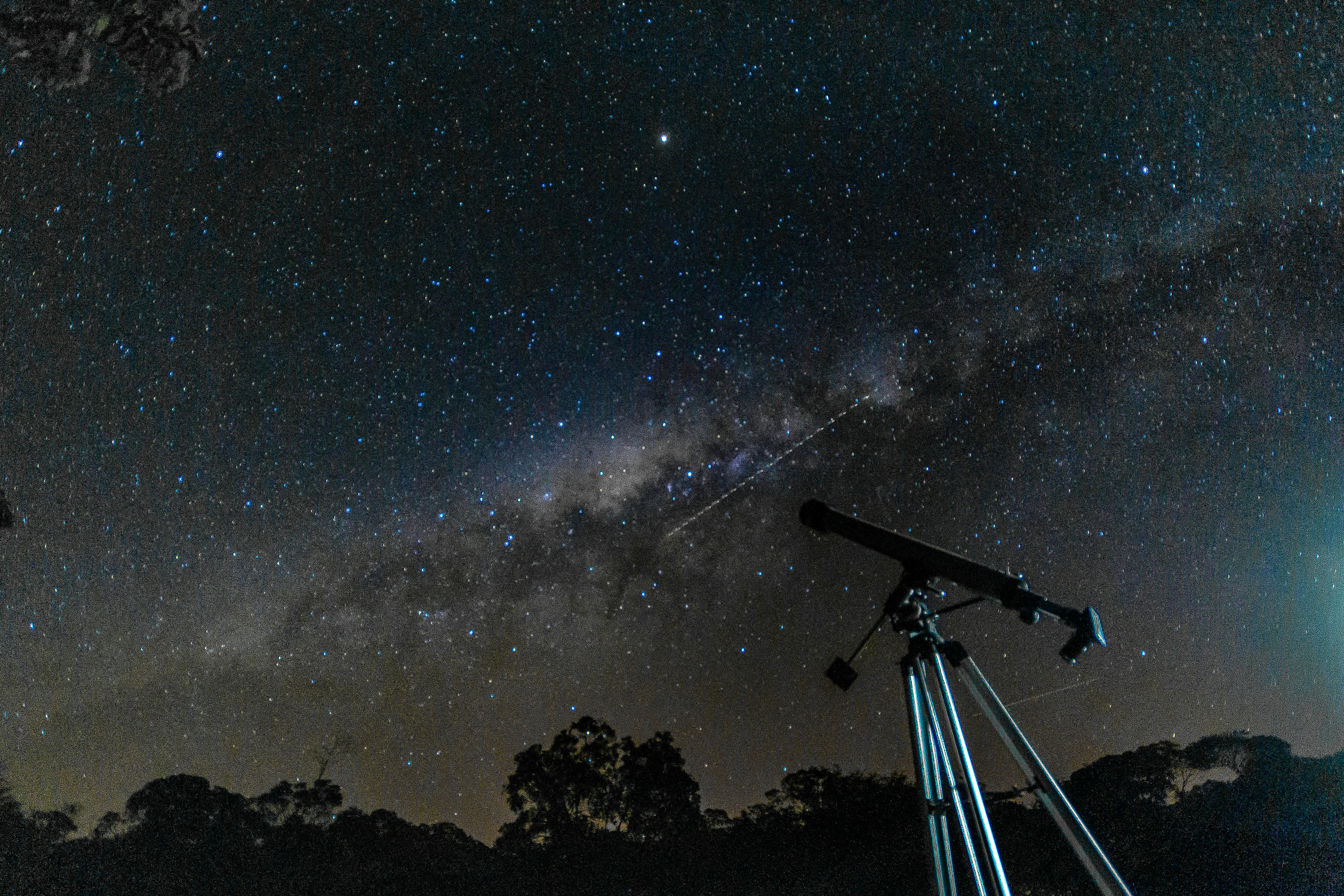
That is why the best answer often depends on what you mean by "seeing more." If you mean brighter, more immersive visual views of the Moon and planets, a Dobsonian is hard to beat for the money. If you mean finishing the night with a saved image of a target you might not have identified confidently on your own, the smart scope begins to justify itself.
If you mostly observe from town, it also helps to think beyond the instrument itself. A short drive to darker skies can transform any scope. Our local guide to Austin stargazing spots is a reminder that location sometimes matters more than another accessory purchase.
Budget posture: cheap now versus expensive later
A Dobsonian is usually the more forgiving first purchase if you are not fully sure how deep this hobby will go. It gives you a lot of telescope without paying a premium for automation. If you discover after six months that astronomy is now your thing, you can still expand later with better eyepieces or a second specialized scope.
A smart telescope is a stronger bet when you already know what would keep you engaged is the convenience itself. If you buy a manual scope and quietly wish it would just find objects, track them, and save an image automatically, the lower sticker price may not be the better value after all.
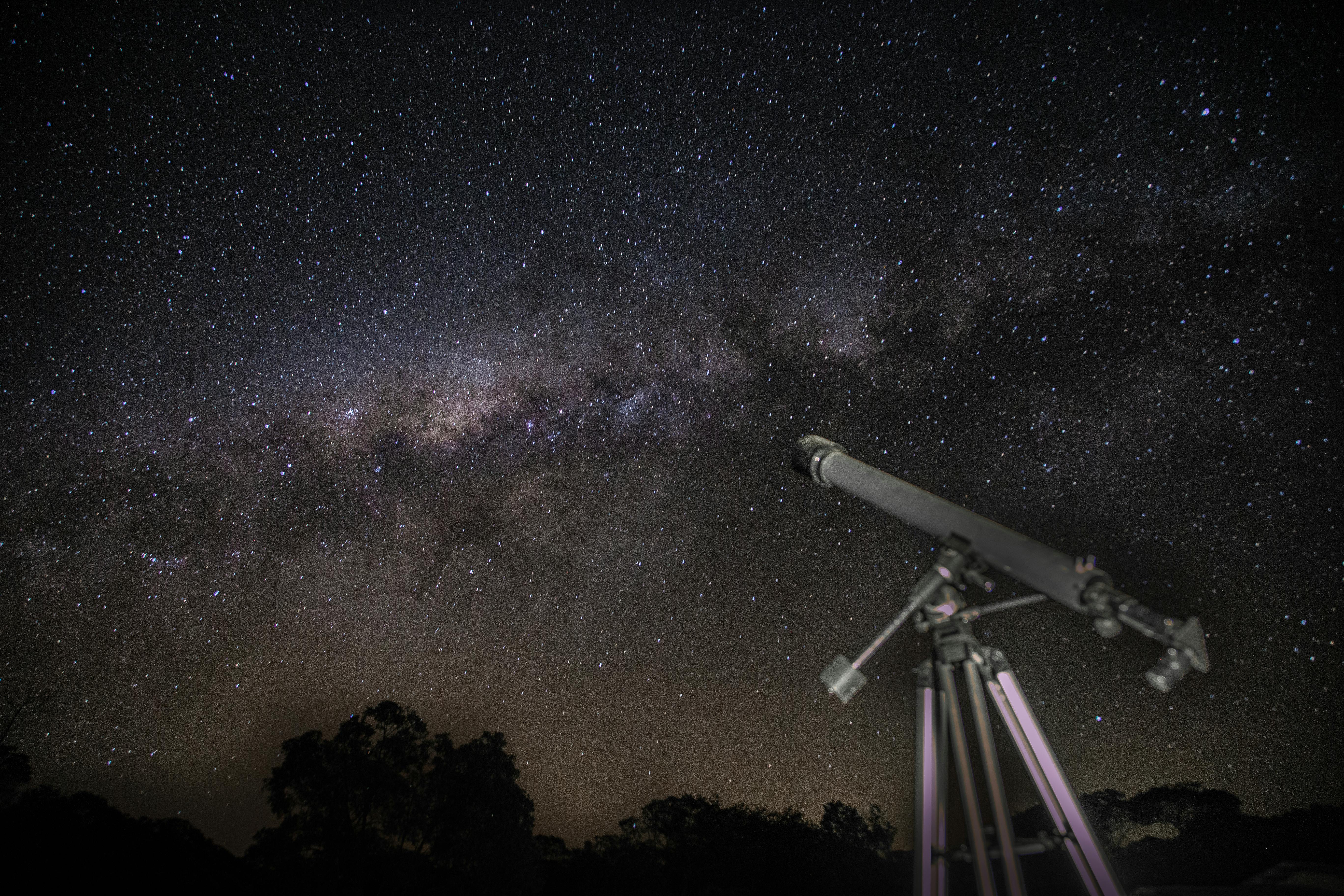
So the better budget question is not, "Which one is cheaper?" It is, "Which one is cheaper than quitting?"
The simple recommendation
Choose a Dobsonian first if:
- You want the best visual value for the money.
- You are excited to learn the sky manually.
- You care more about eyepiece views than saved images.
- You have room to store and carry a bulkier setup.
Choose a smart telescope first if:
- You want guided observing with less setup friction.
- You are motivated by imaging, sharing, and app-assisted observing.
- You observe mostly from a city or suburb and want technology to smooth the experience.
- You know convenience is what will keep you consistent.
If you are still split right down the middle, ask one brutally honest question: do you want your first memorable moment to happen at an eyepiece or on a screen? That answer usually reveals the right first scope faster than any spec sheet.
The best first scope is the one that matches your habits
A Dobsonian and a smart telescope can both be excellent beginner choices. They simply reward different styles. One leans into aperture, direct viewing, and sky literacy. The other leans into convenience, automation, and low-friction momentum.
If you want to meet people who will absolutely have opinions about this debate, join free at Cosmic Match. Or start on the Cosmic Match homepage and find fellow stargazers who care about dark skies, gear decisions, and the kind of nights that run longer than planned.