Los Angeles Stargazing Before the May New Moon: Where to Escape the Glow
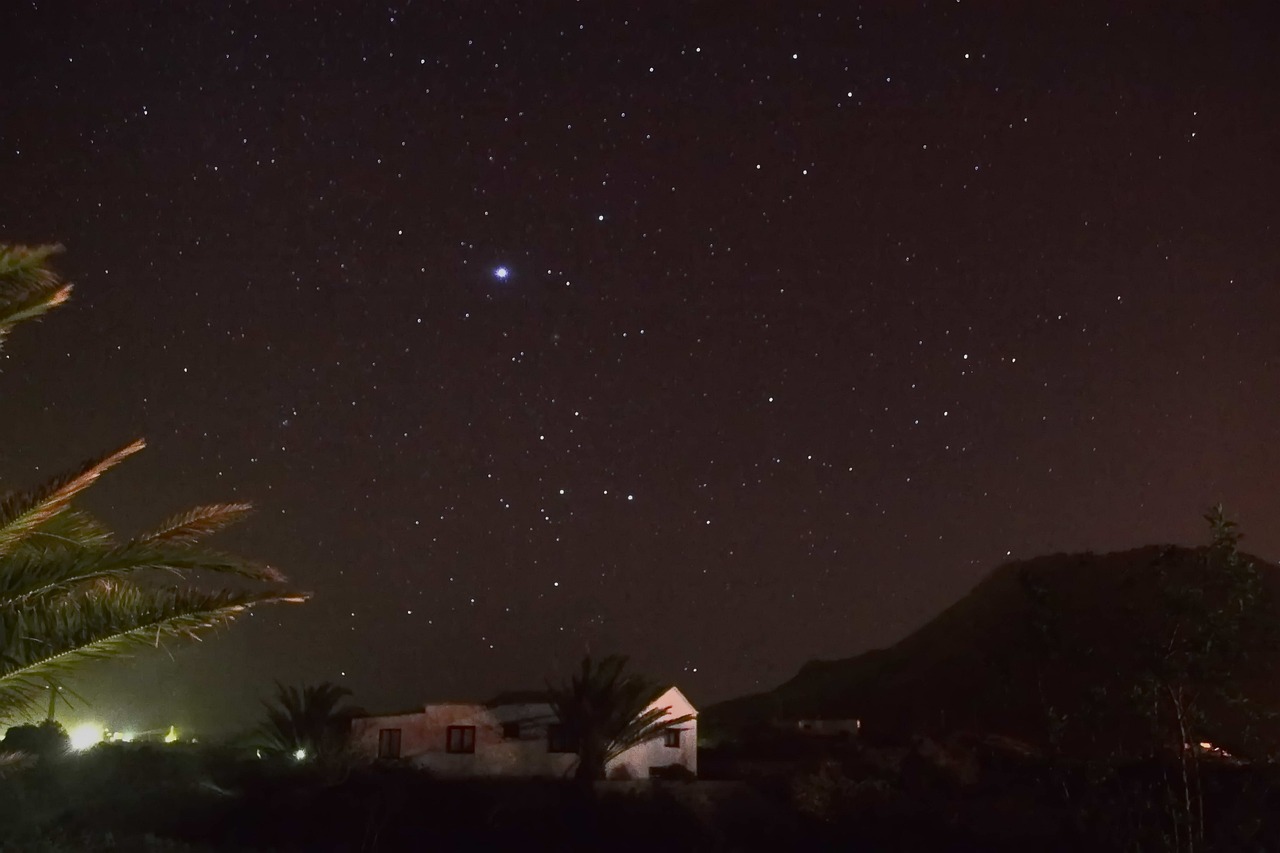
Los Angeles can make the night sky feel farther away than it is. Step outside in most of the basin this week and you get the familiar orange wash, a few bright stars, and the feeling that real stargazing must live somewhere much farther east. The calendar is finally helping. According to the U.S. Naval Observatory's 2026 lunar phase table, the new moon lands on Saturday, May 16, 2026 at 20:01 UTC, which is 1:01 PM PDT in Los Angeles. That makes the evenings leading into May 16 the darkest routine window of the month.
That does not magically turn every LA sidewalk into a dark-sky site. It does mean you can stop fighting moonlight and make smarter choices about where to spend your night. If you stay in the city, aim for cleaner horizons and lower glare. If you are willing to drive, this is the week to trade basin glow for a sky that actually feels spacious.
If you would rather keep things social than solo, you can meet other astronomy people on Cosmic Match and turn a dark-sky run into an excuse to leave the city with someone who already knows why new moon weeks matter.
What "Escape the Glow" Really Means in LA
For Los Angeles stargazers, the main problem is not just brightness. It is layers of brightness. Streetlights, parking lots, hillside neighborhoods, freeway corridors, and marine haze all stack together. On a casual weeknight that means your local view is usually best for the Moon, planets, and a handful of bright stars, not deep star fields.
Around new moon, the Moon stops being part of the problem. That lets you see the real difference between three kinds of nights:
- Stay in the basin: fine for a short session, bright planets, and getting familiar with the sky.
- Climb to darker mountain viewpoints: better if you want a realistic same-evening escape.
- Commit to the desert: best if you want the most dramatic improvement in overhead darkness.
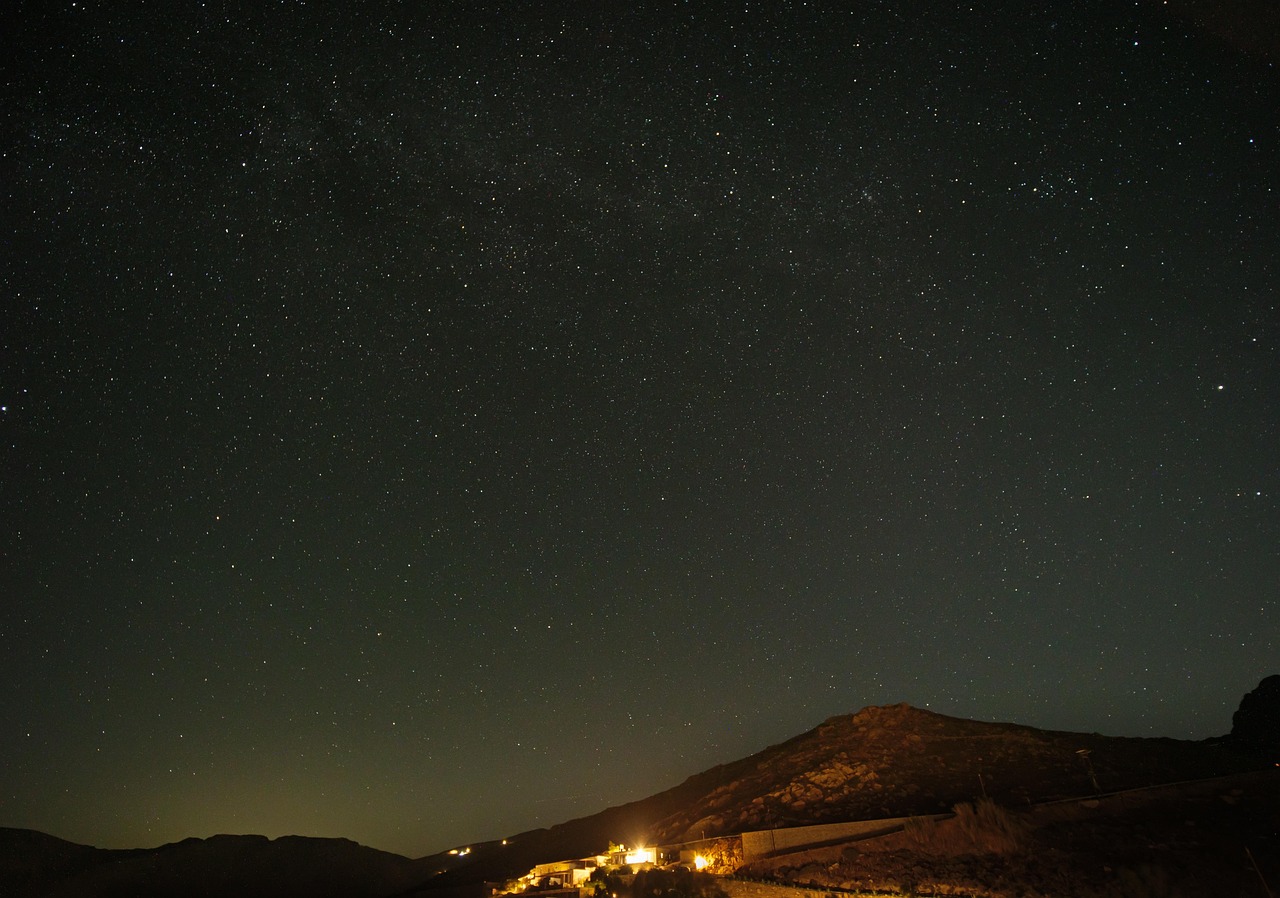
The practical question is not "Where is the darkest place in California?" It is "What level of darkness is worth the drive I can actually make on a Thursday or Friday night?"
Three Realistic Options Before the May New Moon
1. Mount Pinos for the Best Same-Evening Upgrade
If you want the most realistic upgrade from Los Angeles without turning the night into a full desert mission, Mount Pinos is the first place to look. The U.S. Forest Service says Mount Pinos is considered one of the best stargazing locations in California because of its dark skies, extremely low light pollution, and frequently clear skies.
That combination matters. Mount Pinos is the kind of spot where the sky feels meaningfully darker without requiring a full weekend mindset. It works well for people who want cooler air, higher elevation, and a night that still feels manageable after work.
One practical note from the Forest Service: there is no potable water onsite at the campground. Treat it like a bring-your-own-everything stop, not a casual overlook where services will solve bad planning.
2. Joshua Tree for the Classic Southern California Desert Night
If you want the iconic desert version of a stargazing trip, Joshua Tree National Park is the most recognizable choice. The National Park Service says the park boasts some of the darkest nights in Southern California and points visitors toward designated stargazing areas at Quail Springs, Hidden Valley, Cap Rock, and Ryan Mountain. The park also notes that Cottonwood Campground has the darkest skies in the park.
Joshua Tree is not the fastest pop-out from LA, but it is one of the easiest places to explain to friends. People know the name, the landscapes are dramatic before dark, and the night sky payoff is obvious once you get away from the busier edges.
What Joshua Tree is best for is the full evening. Get there before sunset, let the sky fade naturally, and stay long enough for your eyes to adjust. New moon week helps because you are no longer waiting for bright moonlight to get out of the way.
3. Anza-Borrego for Darkness as the Main Event
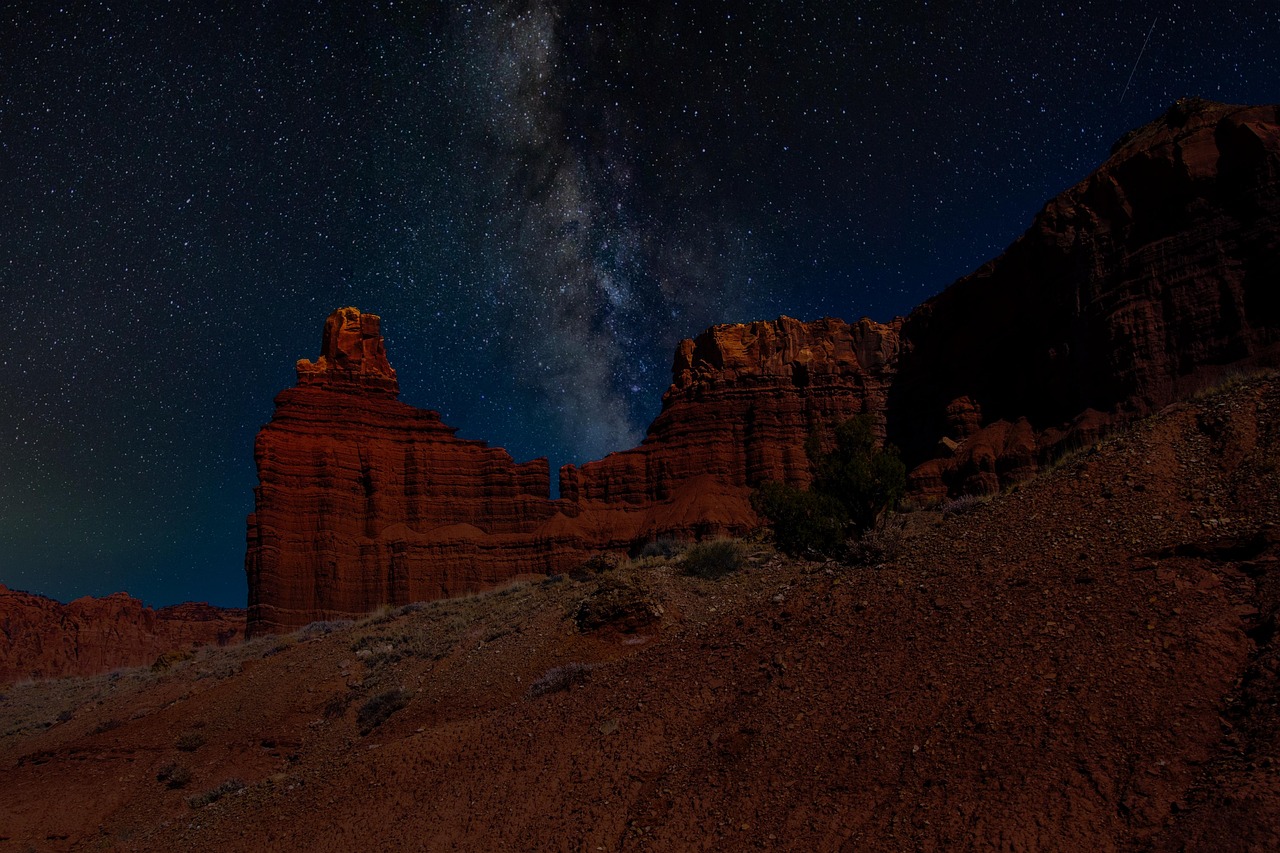
If your priority is simple, wide-open darkness, Anza-Borrego Desert State Park deserves serious attention. California State Parks notes that Anza-Borrego is a recognized International Dark-Sky Park and describes the skies over most of the park as very dark, while also acknowledging smaller domes of light pollution from Los Angeles, San Diego, Palm Springs, and El Centro near the horizon.
That is an honest description, and it is useful. You should not expect the horizon to look untouched in every direction. You should expect a much darker overhead sky than what the LA basin can give you. For beginners, that is usually the moment when star density starts to feel real instead of theoretical.
Anza-Borrego makes the most sense when darkness is the headline, not just the background. If you are planning a full new moon outing, it is one of the strongest Southern California answers.
Which Option Fits Your Night?
| If your night looks like this | Best fit | Why |
|---|---|---|
| You can leave after work and want a meaningful upgrade without overcommitting | Mount Pinos | Dark skies, higher elevation, and a more realistic same-evening play |
| You want a recognizable desert trip with easy conversation-starting scenery | Joshua Tree | Strong dark-sky reputation plus designated stargazing areas |
| You care most about maximizing darkness during the new moon window | Anza-Borrego | Dark-sky designation and broad desert horizons |
If you are staying closer to the city on purpose, our guide to best observatory date nights in Austin, Houston, and LA is a better fit than pretending Griffith-style nights and dark-sky nights are the same thing.
Beginner Planning: Traffic, Darkness, and Safety
The hardest part of LA stargazing is often not astronomy. It is logistics. A few simple rules make these trips smoother:
- Leave earlier than feels necessary. New moon nights are popular, and scrambling for turnout space in full darkness is a bad way to start.
- Bring water and layers. Joshua Tree's NPS guidance specifically tells visitors to plan ahead for food and water, and Mount Pinos has no potable water onsite.
- Use red lights only. Joshua Tree's stargazing guidance warns against bright white flashlights, headlamps, and phone lights because they wreck night vision.
- Bring a chair or blanket. Standing and craning your neck sounds fine until you have done it for 40 minutes.
- Pick the right expectations. A darker site does not guarantee a perfect night if haze, wind, or fatigue take over.
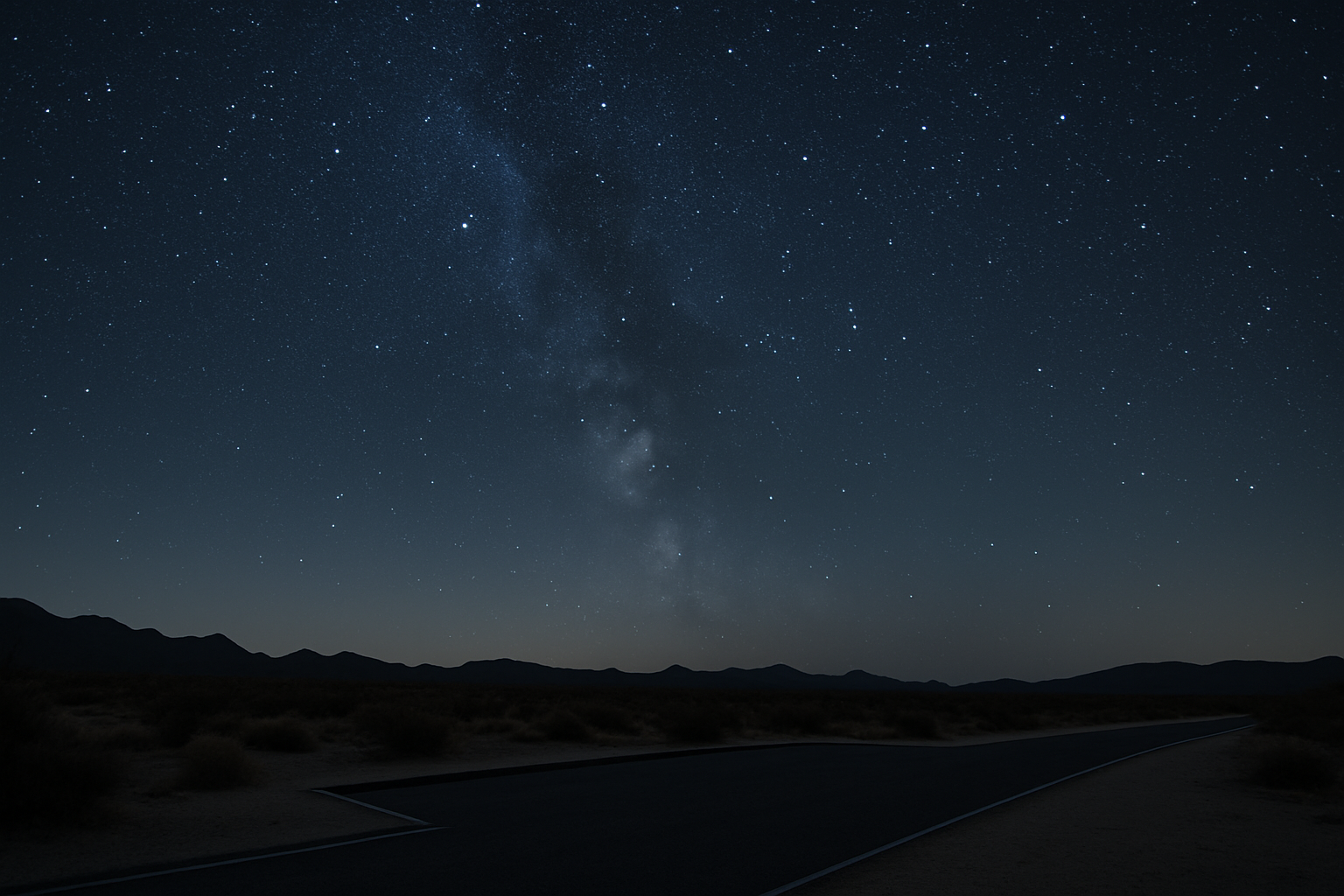
If you are new to this, do not chase too many goals at once. Pick one: a quick dark-sky sample, a scenic desert night, or a full new moon session. The people who enjoy stargazing most consistently are usually the ones who keep the plan simple enough to repeat.
What This Week Sets Up Next
The best part of going out before the May new moon is that it does not end on May 16. Darker skies also set you up for the next easy-to-share event on the calendar. If you want another Los Angeles-friendly skywatching target after the new moon, read our guide to the Moon and Venus conjunction on May 18 in Austin, Houston, and Los Angeles.
And if you are the friend who always organizes the carpool, snacks, and sky apps, the Cosmic Match Pioneer program is the right kind of chaos to lean into.
Los Angeles will never be a dark-sky city. It does not need to be. Around the May new moon, it just needs to be close enough to better skies that you actually go.