Moon and Venus Will Pair Up After Sunset on May 18: How to Catch It in Austin, Houston, and Los Angeles
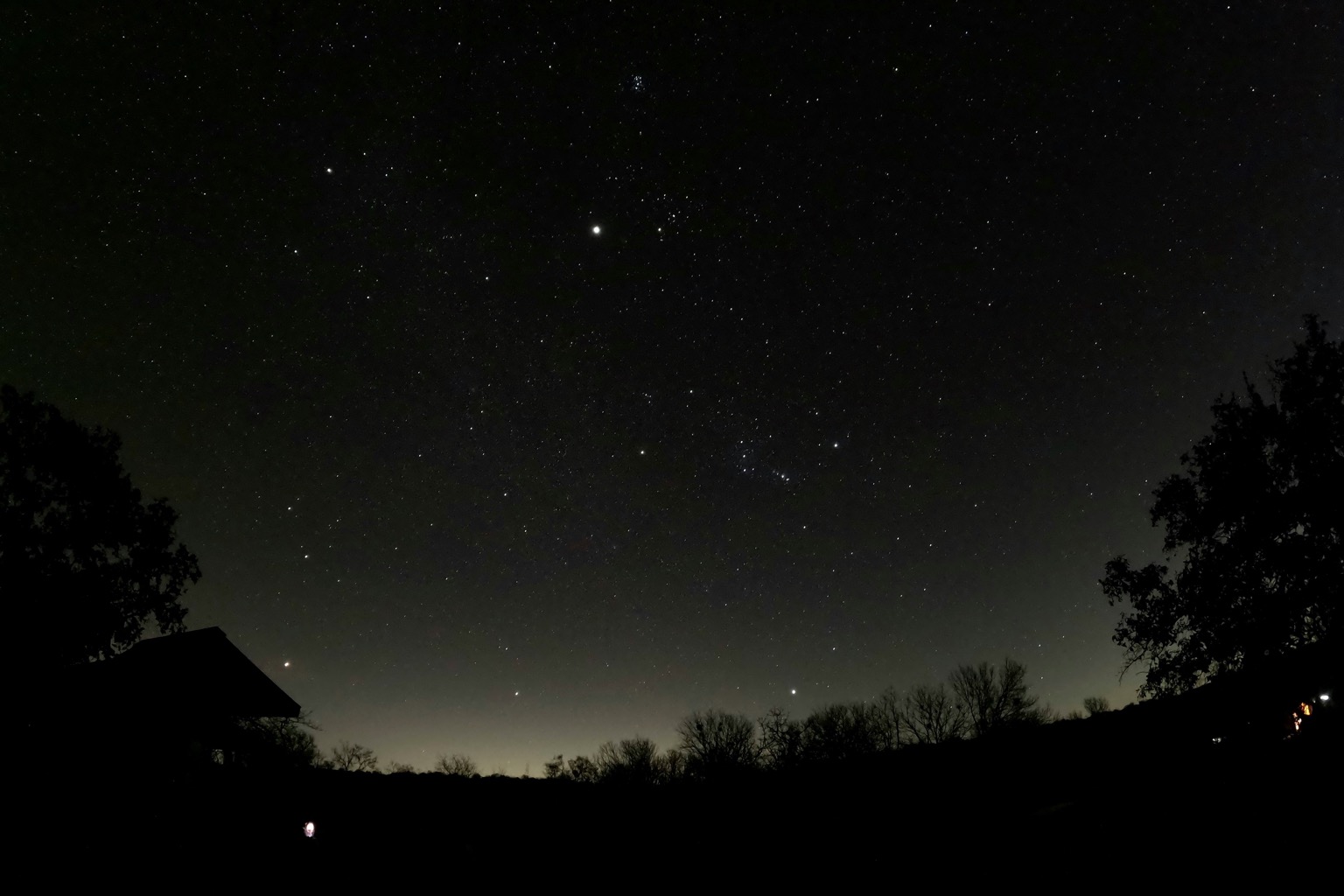
On Sunday, May 18, 2026, the Moon and Venus will line up low in the western sky just after sunset, and this is the kind of sky event that rewards people who keep it simple. NASA's May skywatching guide calls out May 18 as the Moon and Venus conjunction highlight for the month, with Venus shining near a slender crescent Moon in the west after sunset.
That matters because you do not need a telescope, a dark-sky road trip, or an advanced sky chart to enjoy it. If you can get a clear western horizon and give twilight a few minutes to deepen, Austin, Houston, and Los Angeles all have a strong shot at a bright, beginner-friendly view.
If you want more city-specific observing ideas after this conjunction, our guides to stargazing near Houston for beginners and the Austin astronomy events calendar are good next stops.
If you are setting alarms for the whole run of thin-Moon events, start with our May 14 Moon, Mars, and Saturn city guide before switching back to the evening sky on May 18. If you are learning a new scope this same week, our beginner telescope targets guide for the Moon, Venus, and Jupiter picks up the next easy evening targets to try.
What NASA Says to Watch For
NASA's guidance for May 18 is straightforward: look west just after sunset for Venus near a slender crescent Moon. Venus is so bright that even people who never skywatch on purpose usually notice it once someone points in the right direction.
The Moon helps here. Around May 18 it is only a few days past new, so it shows up as a thin crescent instead of a big glaring disk. That makes the pairing feel cleaner and more photogenic than a wider lunar phase would.
Best Viewing Windows by City
These local timing notes are based on Time and Date's May 2026 sunset and moonset calendars for each city. They are useful as planning windows, not hard cutoffs. In practice, start watching about 15 to 25 minutes after sunset, once the sky has dimmed enough for the pairing to stand out.
| City | Sunset on May 18 | Moonset on May 18 | What that means |
|---|---|---|---|
| Austin | 8:19 PM CDT | 11:01 PM CDT | You should have a comfortable evening window once the western sky darkens. |
| Houston | 8:09 PM CDT | 10:49 PM CDT | Look for the pair after sunset before the lower western haze thickens. |
| Los Angeles | 7:50 PM PDT | 10:39 PM PDT | The earliest sunset of the three gives LA viewers a slightly earlier start. |
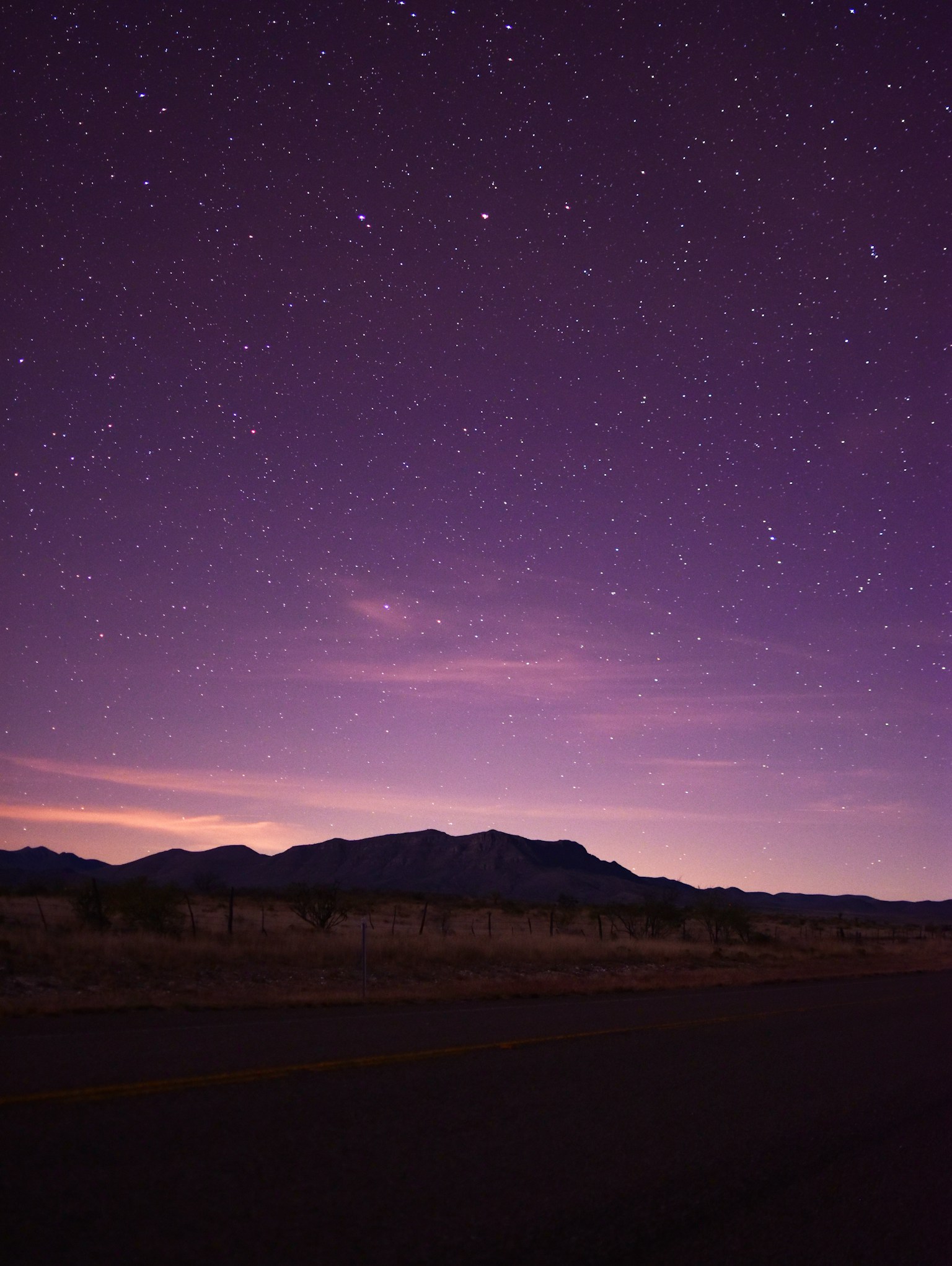
The crescent Moon is only about 6 to 7 percent illuminated that evening in these cities, so expect a delicate sliver rather than a bold moonlit scene. That is good news for the conjunction itself: a thin crescent feels elegant, and Venus should still dominate as the brightest object in that part of the sky.
How to Catch It in Austin, Houston, and Los Angeles
Austin
Austin observers should look for a spot with a low western horizon and as little direct glare as possible. That does not have to mean a full dark-sky trip. A park, overlook, or open western view can be enough for a bright conjunction like this one. If you want to meet more people who pay attention to these details, find your stargazing partner in Austin.
Houston
Houston's main challenge is not darkness. It is humidity and horizon clutter. Rooflines, trees, and haze can hide low objects surprisingly fast, so choose a spot with a clean western opening. If you want more general planning ideas for suburban observing, our Houston beginner stargazing guide goes deeper on realistic city conditions.
Los Angeles
Los Angeles has heavy light pollution, but that matters less for Venus than it does for faint galaxies or meteor showers. The bigger issue is simply line of sight. Beaches, hills, and parks with a clear western view usually beat locations boxed in by buildings. If you want a darker-sky warm-up before the conjunction, our Los Angeles stargazing before the May 16 new moon guide covers where to leave the basin glow behind.
Do You Need Gear?
Not really. Your eyes are enough for the main event.
Binoculars can help if you want to make the Moon's crescent shape pop sooner in twilight, but they are optional. A telescope is unnecessary for first spotting. In fact, start unaided so you can find the pair quickly, then bring out optics only if you want a closer lunar view.
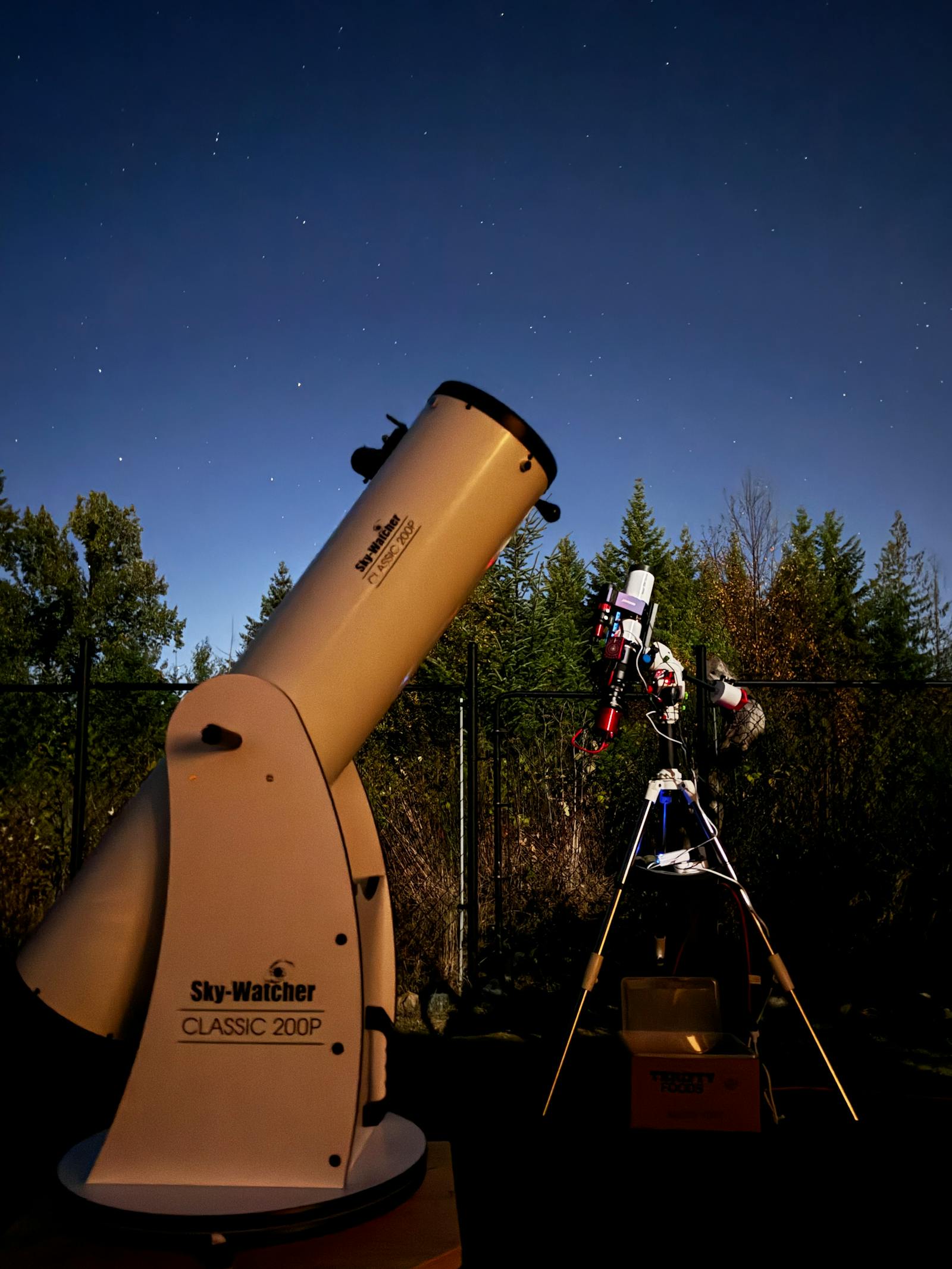
If you do use binoculars or a small telescope, wait until the Sun is fully down and never sweep near the horizon while the Sun is still above it. That is basic but important safety.
Can You Photograph It?
Yes, but keep expectations realistic. This is a twilight conjunction, not a deep-sky target.
For phone photographers:
- Tap to expose for the bright sky near Venus, not the foreground.
- Brace your phone against a railing, wall, or tripod.
- Shoot several frames as twilight deepens because the balance between sky brightness and subject visibility changes fast.
For camera users:
- Start with a short telephoto or moderate zoom if you have one.
- Try a low ISO and a short exposure first, then adjust upward as the sky darkens.
- Include some foreground if your western horizon is interesting. City silhouettes, trees, and ridgelines can make the image feel more grounded.
This is also a good excuse to plan a skywatching evening with someone who will not get bored after the first two minutes. If that sounds rare, sign up at cosmicmatch.io.
A Good Event for Casual Skywatchers
Not every sky event works well from a city. This one does.
You are looking for two bright, easy targets low in the west, shortly after sunset, on a date that is already specific enough to remember. That makes it one of the more approachable May events for beginners, couples, and anyone who wants a low-effort reason to look up.
If clouds win, that is astronomy. If skies are clear, this is a simple, bright pairing worth stepping outside for on May 18.
Looking Ahead: Venus and Jupiter Keep Tightening Up
If you miss the May 18 Moon-Venus pairing, the next easy western-sky target is the tightening Venus-Jupiter approach ahead of their June 9, 2026 conjunction. Our updated guide explains when to look from Austin, Houston, and Los Angeles and how to follow the pair across several clear evenings: Venus and Jupiter are closing in after sunset this week.