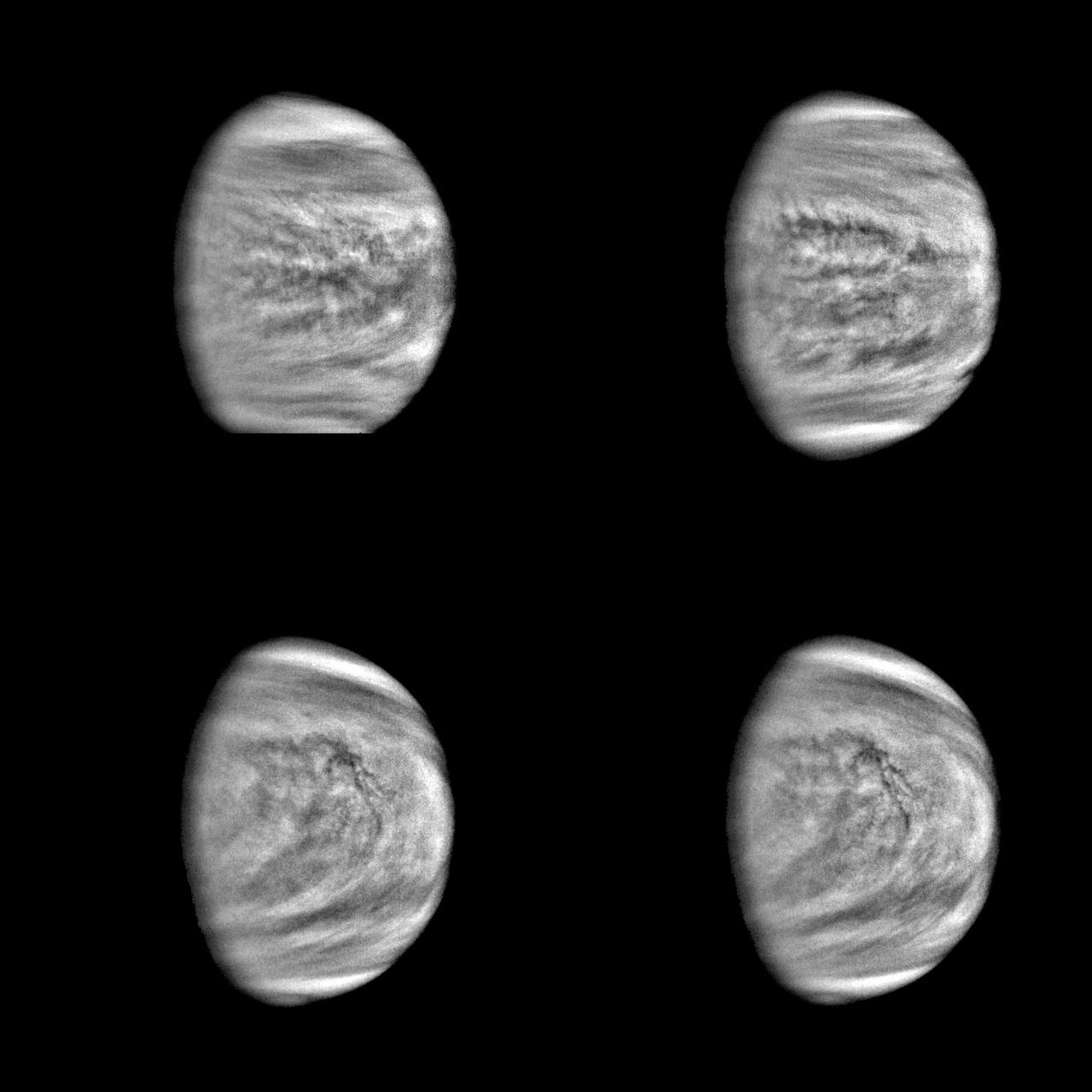
Mercury Joins Venus and Jupiter Tonight: Catch the June 12 Three-Planet Parade
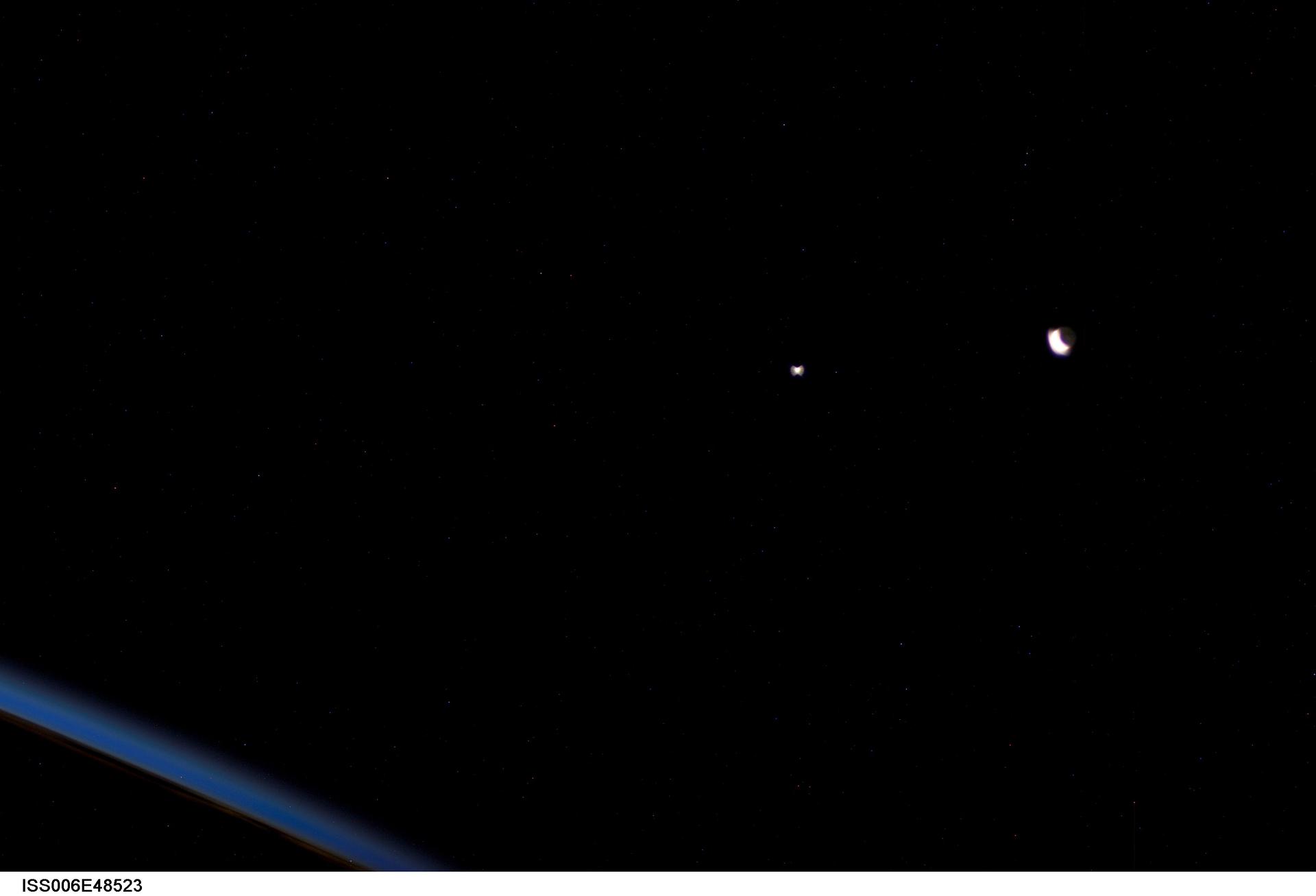
If you are going outside for one easy skywatch on Thursday, June 12, 2026, this is now the better hook than the exact June 9 conjunction. Venus and Jupiter are still easy to spot after sunset, and Mercury has now joined them low in the west, turning the scene into a brief three-planet parade instead of just a two-planet pairing.
That shift matters because it gives beginners a cleaner target: one compact patch of sky after sunset instead of a more technical “closest approach” story. NASA’s June skywatching guide says Mercury joins Venus and Jupiter from June 11 through June 15, Space.com is specifically flagging June 12 as a same-evening three-planet parade, and EarthSky’s current June chart for June 12, 2026 shows Mercury below the brighter pair in the western twilight.
The catch is that the window is short. Mercury is still the hardest planet in the lineup, sitting lower toward the horizon and deeper in twilight glow. So treat June 12 as a real but brief west-horizon opportunity, not a guaranteed three-planet sighting from every backyard.
If you want the wider month-long context, our June 2026 stargazing calendar still maps the full sequence. And if Mercury is the planet you most want to chase, our dedicated Mercury evening-visibility guide explains why the planet looks better as it heads toward its best evening stretch of the month.

Exact City Timing for June 12
The practical rule in all three cities is simple: head outside soon after sunset, face west to west-northwest, and find Venus first. Jupiter will sit nearby. Mercury will be lower, dimmer, and easier to lose in haze or skyline clutter, so a low unobstructed western horizon matters more than perfect darkness.
Space.com's chart for the parade uses 9:00 p.m. local time as a reference moment. On June 12, that lands:
| City | June 12 sunset | 9:00 p.m. local chart moment | Best practical viewing window |
|---|---|---|---|
| Austin | 8:33 p.m. CDT | About 27 minutes after sunset | About 8:55-9:15 p.m. CDT |
| Houston | 8:22 p.m. CDT | About 38 minutes after sunset | About 8:50-9:10 p.m. CDT |
| Los Angeles | 8:04 p.m. PDT | About 56 minutes after sunset | About 8:40-9:05 p.m. PDT |
Those sunset times come from Timeanddate's June 2026 sunrise and sunset tables for Austin, Houston, and Los Angeles. The important takeaway is not that 9:00 p.m. is magical. It is that the planets are already low when twilight is still bright, so you want to start watching early and stay realistic about how quickly Mercury can fade into the horizon glow.
What Changed Since the June 9 Conjunction
The exact Venus-Jupiter conjunction phase was strongest on June 8-9, and that part of the story has already passed. But the page still matters because the scene did not disappear. It evolved.
Here is the clean way to think about it now:
- NASA's June 2026 skywatching guide still highlights June 9 for the conjunction itself.
- The same NASA guide says Mercury joins Venus and Jupiter after sunset from June 11 through June 15.
- Space.com's June 12 article reframes tonight as a brief three-planet parade low above the western horizon.
- EarthSky's June 12 chart shows Venus and Jupiter above, with Mercury lower toward the horizon, which matches the idea of a compact same-evening ladder rather than a perfect triangle or a wide spread.
That means the strongest editorial value on June 12, 2026 is no longer “the planets are closest together.” It is: you can still catch Venus and Jupiter easily, and Mercury now gives the scene a more interesting three-planet target if your horizon cooperates.
What You Will Actually See Tonight
With the naked eye, Venus should still dominate the scene. It will look like the brightest evening point of light in the west. Jupiter is nearby, bright enough to stand out once you locate Venus.
Mercury is the challenge piece. It sits lower, fainter, and closer to the sunset glow. If you have trees, buildings, hills, humid haze, or marine haze in the way, Mercury may be the planet you miss even when Venus and Jupiter are obvious. That is normal, and it is exactly why June 12 should be described as a brief three-planet chance, not a guaranteed three-planet show for every observer.
With binoculars, Mercury becomes more realistic. With a wide-angle phone or camera shot, the scene can also be worth trying because all three planets sit in one part of the twilight sky rather than spread across half the horizon. Even then, the main beginner win is often just recognizing the lineup with your own eyes.
If you want another easy follow-up target for beginner gear after this lineup, our guide to three easy evening targets for a first telescope is still a practical next step.
City-by-City Reality Check
Austin
Austin's 9:00 p.m. reference moment comes only about 27 minutes after sunset, so the sky will still hold a lot of twilight. That is good for keeping Venus and Jupiter visible before they sink too low, but it means Mercury can be easy to lose if your western view is broken by trees or rooftops. Open overlooks and west-facing park edges are better than enclosed neighborhoods.
If you want more local skywatching context after tonight, you can meet astronomy lovers in Austin or keep our broader June 2026 stargazing calendar handy for the next easy western-sky target.
Houston
Houston gets a little more time between sunset and the 9:00 p.m. chart moment, but humidity and low-altitude haze are still the real enemy for Mercury. Venus should remain the anchor. Jupiter should be manageable. Mercury is where a flat, low western horizon matters most.
Los Angeles
Los Angeles gets the longest gap between sunset and the 9:00 p.m. chart moment, about 56 minutes, which can make the geometry easier to read once the sky darkens a bit more. The tradeoff is that marine haze and bright foreground glare can still erase low objects. A beach overlook, bluff, hill, or rooftop with a clean west-northwest sightline gives you the best shot.
Best Quick Plan for June 12
If you are trying this tonight, keep the plan simple:
- Be outside a little before the middle of your city window, not after it.
- Face west to west-northwest and lock onto Venus first.
- Pick up Jupiter nearby before you start scanning lower.
- Sweep downward for Mercury only if the horizon is truly open.
- If Mercury does not appear, count the night as a win anyway. The bright Venus-Jupiter pairing is still worth seeing.
That approach keeps expectations realistic while still giving you a real shot at the full three-planet scene.
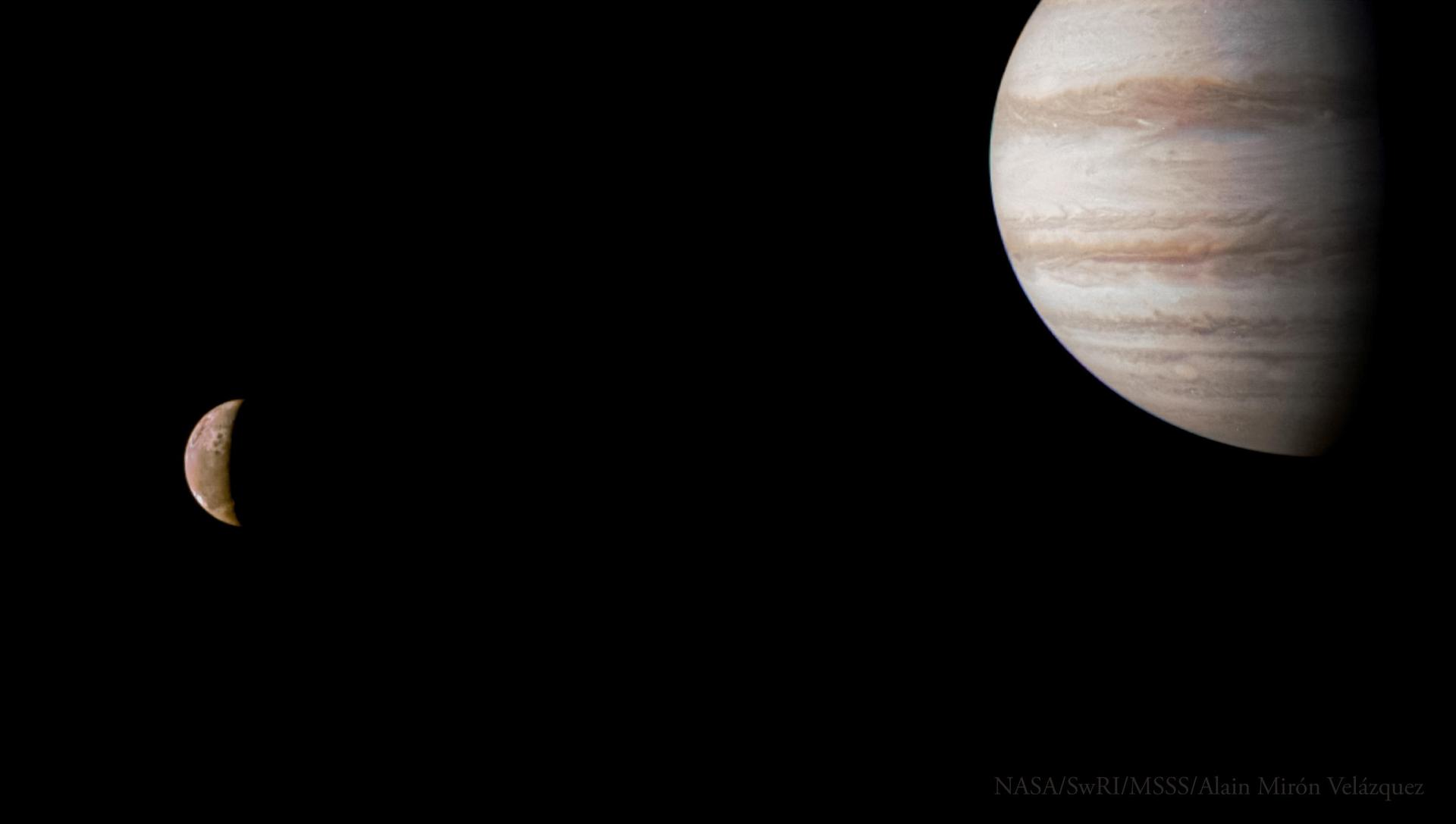
Why June 12 Is Still Worth Your Time
The conjunction headline belonged to June 8-9, but June 12 is arguably the easier beginner story to explain. Instead of asking people to care about the most precise moment of closest approach, you can tell them to look for three planets low in one compact zone after sunset.
That does not make Mercury easy. It just makes the scene more satisfying if you catch it. And because EarthSky notes Mercury reaches greatest elongation on June 15, tonight lands inside the part of the month when Mercury is becoming a more realistic evening target rather than an afterthought.
If you liked the earlier rhythm of the Moon and Venus after sunset on May 18, this is the next logical step: less about a single pairing, more about watching the evening planets reshuffle themselves over several nights.
And if you want someone who understands why Mercury being visible at all can feel like the real win, that is the kind of niche conversation Cosmic Match exists for. You can explore Cosmic Match features built for shared skywatching conversations or browse the local communities for Austin, Houston, and Los Angeles.
Bottom Line
June 12, 2026 is now the practical three-planet parade night to watch. Venus and Jupiter remain the easy bright pair, while Mercury has joined them low in the west as a harder extra target during NASA's June 11-15 window.
Start soon after sunset, use a low unobstructed western or west-northwest horizon, and keep expectations honest: Venus and Jupiter should be straightforward, Mercury is the maybe. But if your sky is clear and your horizon is open, tonight offers a short, satisfying chance to catch all three in one evening view.