3 Easy Evening Targets for a First Telescope This Week: Moon, Venus, and Jupiter
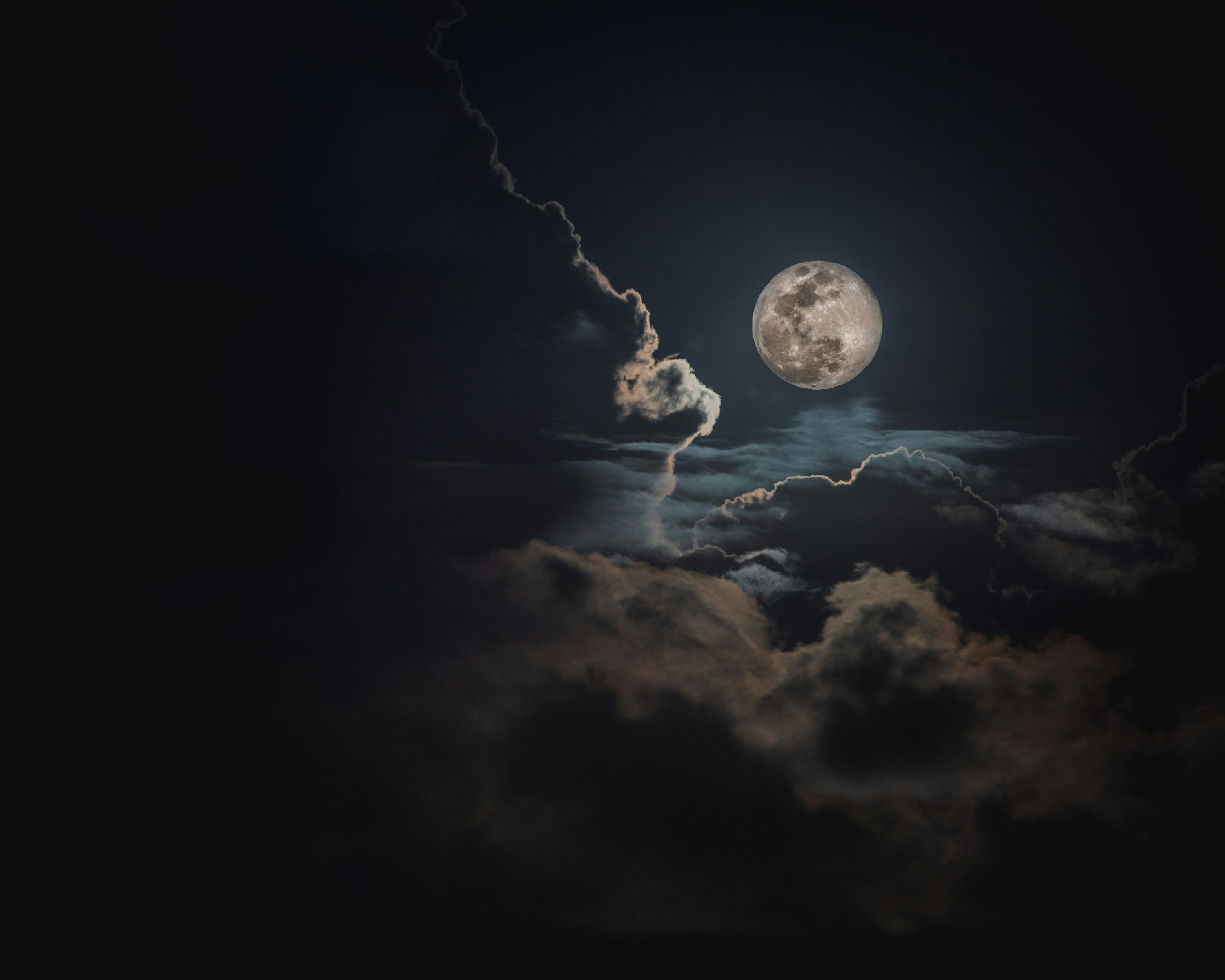
If you just got your first telescope, this is a forgiving week to learn the basics without chasing faint galaxies or pretending your backyard has desert-level skies. Around May 19–20, 2026 local time in the United States, three easy evening targets line up in a beginner-friendly sequence: the waxing crescent Moon, Venus, and Jupiter.
That matters because first-scope frustration usually has nothing to do with astronomy knowledge. It is about aiming, focus, steadiness, and learning what a bright target actually looks like at the eyepiece. The Moon is the easiest object in the sky for that. Venus is bright enough to find even in twilight. Jupiter is bright enough to reward a little patience once the sky darkens.
NASA's May 2026 skywatching guide highlighted the May 18 Moon-Venus conjunction and showed Jupiter above them in the western sky just after sunset. Time and Date's May moon guide also flags May 20 as the Moon-Jupiter meetup, with Venus close to the horizon and Pollux and Castor nearby. That makes this week less about one perfect minute and more about using a short run of bright, obvious targets to build confidence.
If you want the moon-and-planet pairing itself first, start with our guide to the Moon and Venus conjunction on May 18. If you are still choosing gear, our breakdown of the best beginner telescope for city stargazing is the right companion.
The quick answer
- Start observing about 30 to 45 minutes after local sunset.
- Use your lowest-power eyepiece first.
- Begin with the Moon, then move to Venus, then finish with Jupiter.
- Expect Venus to be the brightest object low in the west.
- Expect Jupiter to sit higher and stay usable after the sky darkens.
- This is a better week for learning your telescope than for chasing faint deep-sky objects.
What the sky is doing this week
NASA's May chart for May 18 shows the crescent Moon and Venus low in the west after sunset, with Jupiter higher up in the same general part of the sky. Two days later, Time and Date's Moon guide says the Moon and Jupiter hang out on May 20, while Venus remains close to the horizon.
In practical terms, that gives beginners a clean sequence.
- The Moon grabs your attention first.
- Venus is the obvious bright point lower in the twilight.
- Jupiter gives you a brighter planet target once the sky has darkened a little more.
You are not trying to catch an ultra-precise scientific moment here. You are using a compact, bright lineup to practice pointing and focusing on targets that are hard to miss.
Austin, Houston, and Los Angeles timing
Time and Date's current night-sky pages for Austin, Houston, and Los Angeles all show the same broad pattern for the local evening run around May 19–20: Venus has good visibility, Jupiter has fairly good visibility, and both are best seen in the hours just after sunset.
| City | Sunset | Venus sets | Jupiter sets | Practical beginner window |
|---|---|---|---|---|
| Austin | 8:20 p.m. CDT | 10:52 p.m. CDT | 12:12 a.m. CDT | Start around 8:50-9:05 p.m. CDT |
| Houston | 8:10 p.m. CDT | 10:41 p.m. CDT | 12:01 a.m. CDT | Start around 8:40-8:55 p.m. CDT |
| Los Angeles | 7:50 p.m. PDT | 10:25 p.m. PDT | 11:42 p.m. PDT | Start around 8:20-8:35 p.m. PDT |
The exact Moon shape will change night to night, but it stays in the easy-learning zone: bright enough to find instantly, not so glaringly full that every view feels flat.
If you live in one of those cities, the takeaway is simple: choose a spot with a decent western view, let twilight deepen a bit, and do not wait until the targets are scraping the horizon.
Target 1: Start with the Moon
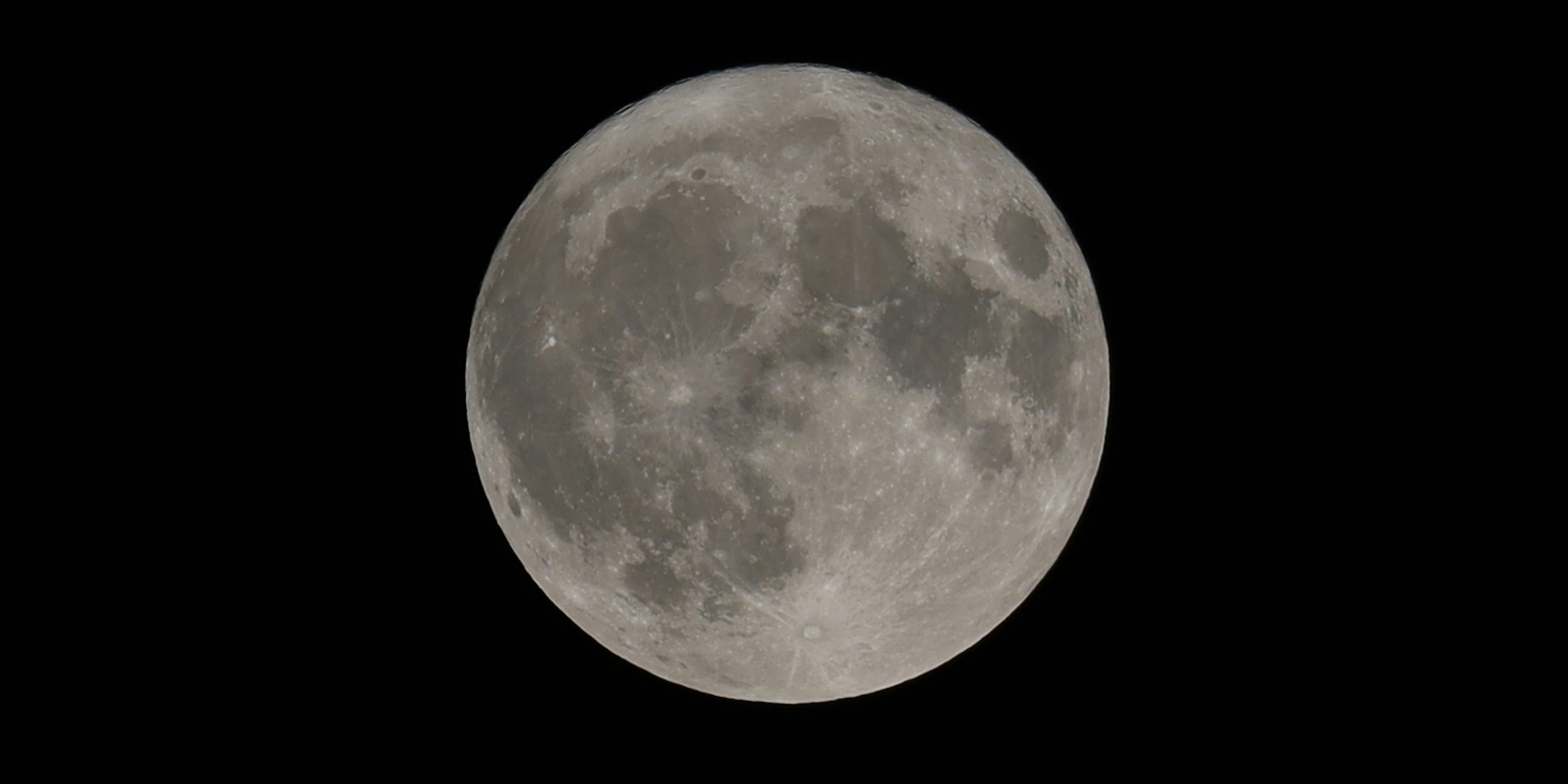
For a first telescope session, the Moon does almost everything right. It is easy to aim at, easy to focus on, and dramatic even through modest optics.
The best feature for beginners is the edge between lunar day and night, often called the terminator. That is where craters and ridges show the strongest relief. A thinner waxing Moon can actually look more satisfying than a full one because the shadows make the surface pop.
Use the Moon to do three things before you try anything else:
- Confirm that your finder and eyepiece are aligned.
- Learn how fine focus behaves on your scope.
- Get comfortable nudging the tube without losing the target.
If you cannot keep the Moon centered yet, do not move on to planets. The Moon is your training ground.
Target 2: Venus is your bright-focus test
Venus is usually less detailed for beginners than they expect, but that does not make it a bad target. It makes it a useful one.
It is bright, obvious, and low in the post-sunset sky this week. That means it is excellent for practicing target acquisition after you have already centered the Moon. Once you have Venus in the eyepiece, you can work on steadier hands and cleaner focus without wondering whether you found the right object.
In small beginner scopes, Venus often looks like a brilliant white shape rather than a richly detailed world. That is normal. The value here is not surface detail. The value is learning how your telescope behaves on a bright planet.
Target 3: Jupiter is the reward target
Jupiter is where a first session often starts feeling like real telescope astronomy.
It is still bright enough to find without drama, but it usually gives more visual payoff than Venus. With a steady sky and reasonable magnification, beginners may notice that Jupiter looks like a tiny disk rather than a star. On better nights, the Galilean moons can line up beside it as tiny points of light.
This week's Moon-Jupiter pairing also helps with navigation. Time and Date marks May 20 as their close approach, and In-The-Sky.org places the closest approach at 13:46 UTC on May 20, with the pair visible in the western sky after dusk for North American observers. They are too widely separated to fit into a telescope eyepiece together, but they are easy to use as a visual handoff in the naked-eye sky.
That is exactly what beginners need: one bright object helping you find the next one.
A simple first-telescope workflow
Use this order and keep it boring on purpose.
- Set up before sunset if you can.
- Start with your lowest-power eyepiece.
- Aim at the Moon first and focus carefully.
- Move to Venus while the sky is still brightening toward darkness.
- Wait a little longer, then move to Jupiter.
- Increase magnification only after you already have the target centered and sharp.
A few beginner mistakes are worth avoiding:
- Do not start with your highest magnification.
- Do not judge the whole night by one wobbly Venus view near the horizon.
- Do not expect Hubble-style detail from a first backyard session.
- Do not skip the Moon just because it feels too obvious.
Why this week works so well
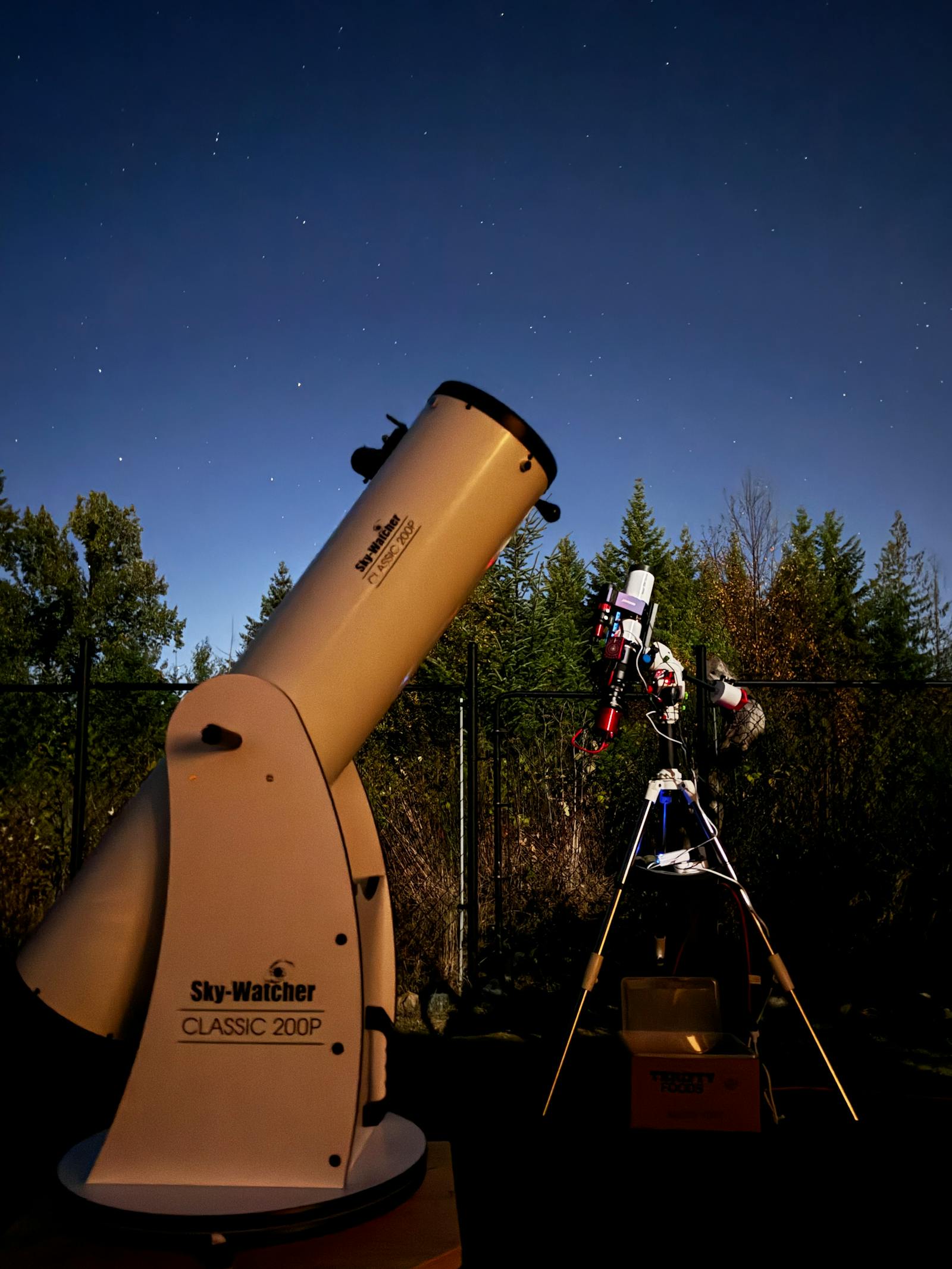
A lot of beginner telescope advice fails because it asks new observers to do too much at once. This week does the opposite.
You get a bright Moon for orientation, a blazing Venus for aiming practice, and a well-placed Jupiter for a more rewarding planetary view. You can run that sequence from Austin, Houston, or Los Angeles without pretending you need perfect dark-sky conditions.
If your goal is to learn your telescope rather than impress yourself with a difficult target list, this is one of the better May windows to do it.
Next Step After Moon, Venus, and Jupiter
If this week helps you get comfortable aiming your first telescope, keep going with the next beginner-friendly western-sky project: track the shrinking gap between Venus and Jupiter before their June 9, 2026 conjunction. Here is the follow-up guide with city-friendly timing and horizon tips: Venus and Jupiter are closing in after sunset this week.