Houston Stargazing Without Driving All Night: Darker-Sky Options for Beginners
Houston Stargazing Without Driving All Night: Darker-Sky Options for Beginners
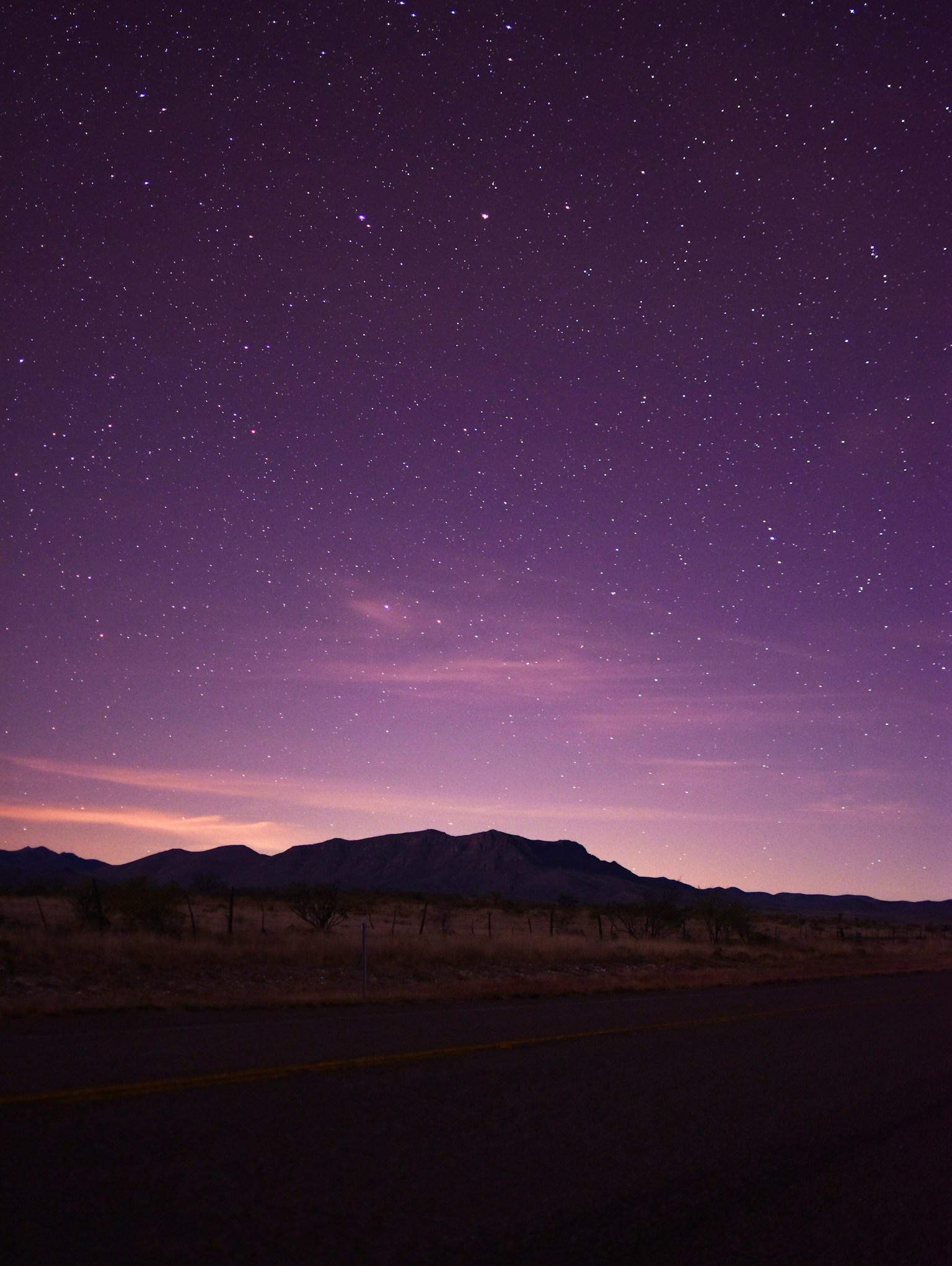
Houston is bright enough to wash out the Milky Way, but that does not make it a bad place to start stargazing. It just changes the game. A beginner near Houston should not plan their first night around a five-hour dark-sky expedition, a complicated telescope, or a promise that every faint galaxy will pop from the suburbs. The smarter move is to match the target to the sky: Moon and planets in town, brighter clusters and nebulae from darker suburbs, and occasional farther trips when the Moon is out of the way.
This guide is built for realistic first steps: what you can see from Houston, when a short drive helps, where the tradeoffs are, and how to avoid turning your first observing night into a logistics project.
The beginner rule: darker is better, but darker is not always necessary
Light pollution does not erase everything equally. It hurts faint, spread-out objects first: galaxies, the Milky Way, dim nebulae, and subtle star clouds. It is much less punishing for bright targets.
From a Houston backyard, apartment courtyard, driveway, or neighborhood green space, beginners can still get excellent views of:
- the Moon, especially along the terminator where shadows make craters stand out
- Jupiter and its four brightest moons
- Saturn and its rings when the planet is well placed
- Venus phases through a small telescope
- Mars near opposition
- bright double stars such as Albireo
- open clusters such as the Pleiades and the Beehive
- the Orion Nebula in winter, even if it looks more like a glowing patch than a photo
That is why the best first stargazing near Houston for beginners is often a short, repeatable session close to home. Learn the sky first. Then use darker sites as a multiplier, not a rescue plan.
If you are still choosing gear, our guide to the best beginner telescope for city stargazing is a good companion to this Houston plan.
Zone 1: Houston city and suburbs for Moon, planets, and quick wins
Start here if you have never used binoculars or a telescope at night. The goal is not to escape Houston's sky glow. The goal is to build confidence.
Pick an observing spot with the fewest direct lights in your face. A darker corner of a yard, a balcony shielded from lamps, or the shadow side of a building can matter more than driving ten extra miles. Let your eyes settle for 10 to 20 minutes, keep your phone brightness low, and use a red-light mode or red flashlight if you need to read a chart.
For city sessions, plan around targets that tolerate light pollution:
- First quarter Moon: best for crater shadows and easy focusing
- Jupiter: great for beginners because the moons change position night to night
- Saturn: small in most beginner scopes, but unmistakable when seeing is steady
- Orion Nebula: a winter benchmark for whether your sky is improving
- Pleiades: better in binoculars than many telescopes because it is wide
City observing also teaches a subtle skill: separating sky glow from bad transparency. A humid Houston night can make the sky look milky even when the Moon is gone. After a cold front or dry spell, the same location may look dramatically better.
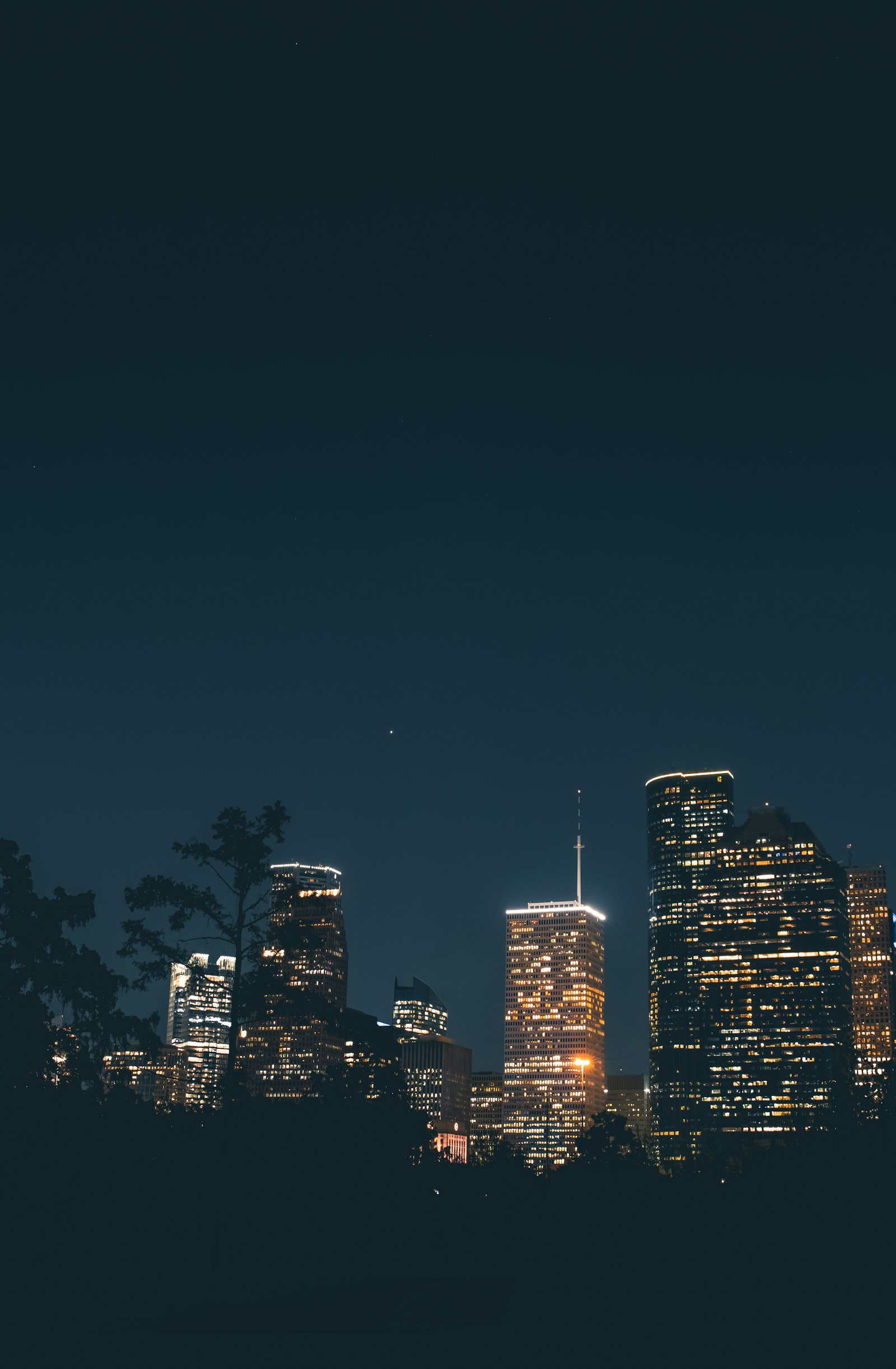
Zone 2: Brazos Bend and George Observatory for a structured first trip
For many beginners, Brazos Bend State Park is the most practical step up from casual backyard observing. Texas Parks & Wildlife lists Brazos Bend among state parks with a nearby observatory, and the Houston Museum of Natural Science operates George Observatory inside the park. The official George Observatory page says public stargazing is offered on Saturday nights, weather permitting, with timed tickets purchased in advance; TPWD also notes that a park day pass is required and tickets are not sold at the park.
That structure matters. A first dark-ish trip is easier when there is a destination, a known institution, and other people around who are also there for the sky. It is not a wilderness expedition. It is a beginner-friendly way to experience the jump from Houston glare toward a darker Gulf Coast sky.
What to expect: Brazos Bend is not West Texas. TPWD's Bortle listing places Brazos Bend State Park at class 5, which is a meaningful improvement from central Houston but still not pristine. Think better contrast on star clusters, a richer Orion region in winter, and more stars overhead. Do not expect a Big Bend-style Milky Way every clear night.
Before you go, check the official Brazos Bend State Park and George Observatory pages for current access, tickets, weather policies, and park guidance. If George Observatory is the part you are most likely to book, our detailed George Observatory Saturday Stargazing tickets guide walks through timing, separate park entry, weather rules, and first-visit expectations.
Zone 3: Galveston Island for open horizons, not perfect darkness
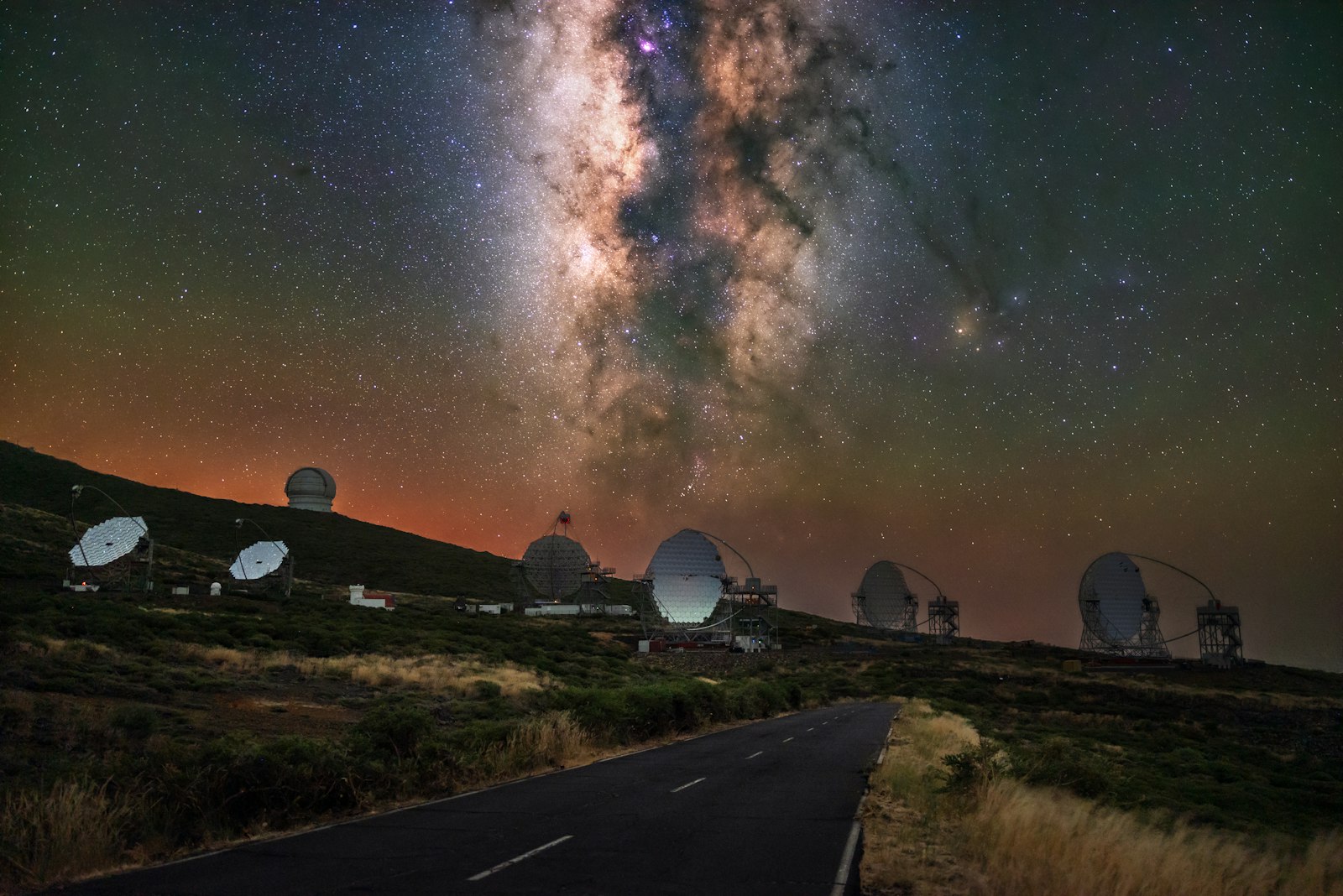
Galveston Island State Park is useful for a different reason: open sky. The park is about an hour from Houston according to TPWD, and its beach and bay sides give beginners a wider horizon than many tree-lined suburban spots. TPWD also says the park hosts ranger programs including star parties, with upcoming programs listed on the park's events page.
The tradeoff is sky glow and coastal humidity. TPWD's Bortle listing also places Galveston Island State Park at class 5, so this is not a deep-dark site. It can still be worthwhile for lunar eclipses, bright planets over the Gulf, summer constellations, and casual binocular nights when you want a simple coastal outing.
For beginners, Galveston is best when the target benefits from an open horizon: Venus after sunset, a young crescent Moon, bright planets rising, or a meteor shower where you want as much sky visible as possible. Check the official Galveston Island State Park page before planning around access, reservations, weather, or programs.
Zone 4: Sam Houston National Forest for darker-feeling nights with more planning
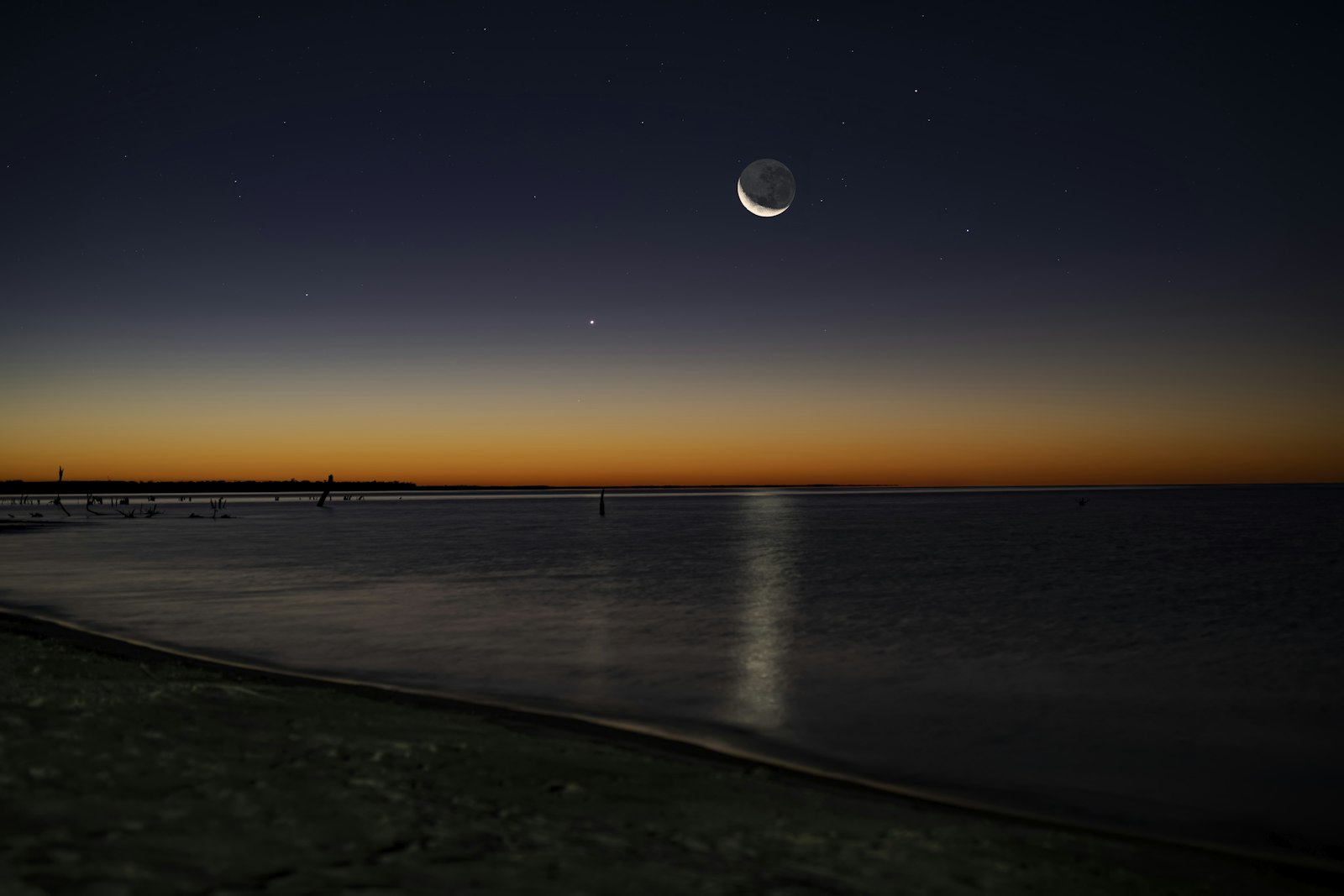
Sam Houston National Forest sits north of Houston, and the U.S. Forest Service describes it as one of four National Forests in Texas, located about 50 miles north of the city. It has recreation areas, trailheads, campgrounds, and large stretches of forest between Huntsville, Conroe, Cleveland, and Richards.
For stargazing, the forest can feel darker than the city simply because you are farther from the urban core and surrounded by fewer direct lights. The catch is that forests also block horizons, and not every recreation area is ideal or appropriate for nighttime skywatching. Beginners should not treat a map pin as an observing plan.
Use official Forest Service recreation information, check alerts, choose developed public areas where nighttime use is allowed, and avoid isolated pull-offs. If you are new, go with another person, arrive before dark, and keep the session simple: binoculars, a chair, a red light, water, and a plan to leave if conditions feel wrong.
When is a farther dark-sky drive worth it?
A longer trip is worth it when your target needs darkness. That usually means:
- Milky Way viewing or photography
- faint nebulae and galaxies
- meteor showers near new Moon
- a new telescope test where you want to remove city glare from the equation
- a group outing with experienced observers
It is not worth it for every Moon or planet night. In fact, the Moon is often better from home because you can observe for 20 minutes without turning the evening into a road trip. Jupiter and Saturn do not require a remote site either; they require steady air, a cooled telescope, and patience at the eyepiece.
If you are planning a first longer drive, build it around the Moon phase. The best deep-sky nights are usually within a few days of new Moon, especially when humidity is low and clouds are absent. A full Moon over a dark park can be beautiful, but it will erase many of the faint targets you drove out to see.
A simple Houston beginner packing list
You do not need much gear to start well. Bring:
- binoculars or a small telescope
- a folding chair or blanket
- water and snacks
- insect repellent, especially near wetlands or the coast
- a dim red light
- a printed chart or offline sky app
- a power bank
- layers, because coastal and post-front nights can change quickly
- a trash bag so the site is cleaner when you leave
For telescopes, start with the lowest-power eyepiece. For binoculars, brace your elbows on a chair or car roof to steady the view. For phone apps, turn brightness down before you arrive so you do not reset your night vision every time you check the sky.
The best first Houston stargazing plan
If you want a no-drama progression, use this sequence:
- One backyard Moon night. Learn focus, comfort, and where the bright lights are.
- One planet night. Try Jupiter or Saturn and keep notes on sky steadiness.
- One darker suburban or park-based session. Look for Orion, Pleiades, or a bright cluster.
- One structured outing at a place like George Observatory or a local astronomy event.
- One new-Moon trip when you understand what you are hoping to see.
That progression keeps the hobby fun. You will learn what matters before spending money or driving too far.
Finding people to go with
Stargazing is easier when someone else is excited enough to compare notes, share a finder chart, or say, "Wait, I think I found it." Houston has astronomy clubs, observatory programs, and public events worth following. It also has plenty of people who are curious but do not want to go alone the first time.
Cosmic Match exists for that exact kind of shared enthusiasm. You can meet Houston stargazers on Cosmic Match, compare sky plans, and find people who would rather spend a clear Friday talking telescopes than pretending not to care about Saturn. If you are ready to connect with astronomy lovers nearby, sign up free at cosmicmatch.io.
The Houston sky will not hand you darkness for free. But with the right target, the right distance, and realistic expectations, you can build a satisfying stargazing habit without driving all night.
If you want an easier end-of-month skywatch without a long drive, our May 31 blue moon guide for Austin, Houston, and Los Angeles covers when Houston should look up and what to expect from a bright full-moon night.