Blue Moon and Antares on May 30-31, 2026: When Austin, Houston, and Los Angeles Should Look Up
Blue Moon and Antares on May 30-31, 2026: When Austin, Houston, and Los Angeles Should Look Up
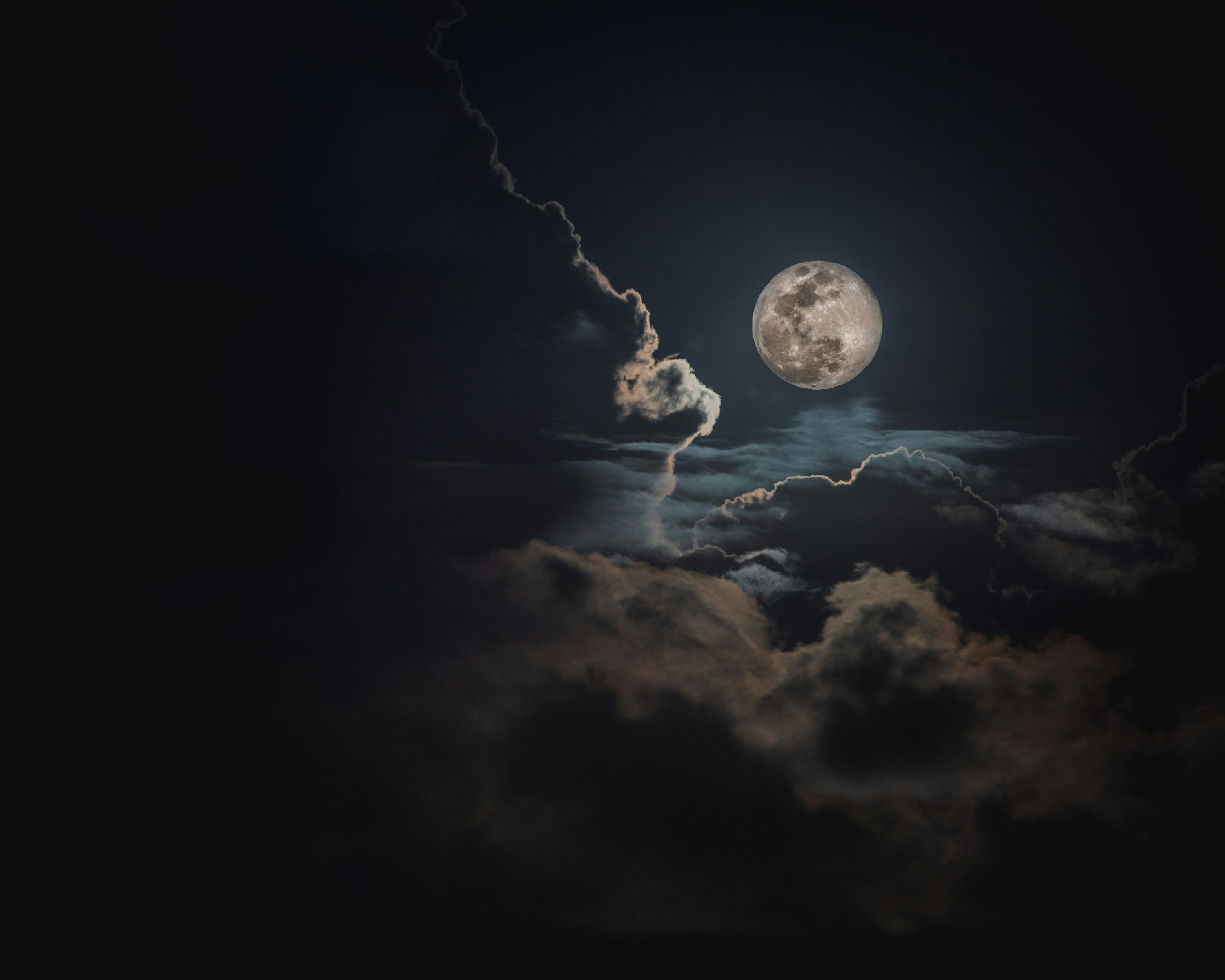
If you are in the Americas, treat this as a Saturday, May 30 sky event first and a Sunday, May 31 timestamp second. The Blue Moon reaches exact full phase at 05:45 BRT / 08:45 UTC on May 31, but for Austin, Houston, and Los Angeles the live visual moment starts at moonrise on May 30, when the bright disk climbs out of the eastern sky already looking full and with Antares glowing nearby.
That same-night pairing is the real extra hook. EarthSky and Space.com both note that the May 30-31 Blue Moon appears close to Antares, the bright red heart of Scorpius. If your eastern horizon is reasonably clear, look for the star near the Moon as the pair rise. It will not make the Moon look blue, and the Moon will still look only subtly smaller than average because this full Moon is also a micromoon.
The quick answer
- Austin: moonrise on Saturday, May 30 at 8:17 p.m. CDT; exact full moon at 3:45 a.m. CDT early Sunday.
- Houston: moonrise on Saturday, May 30 at 8:06 p.m. CDT; exact full moon at 3:45 a.m. CDT early Sunday.
- Los Angeles: moonrise on Saturday, May 30 at 7:54 p.m. PDT; exact full moon at 1:45 a.m. PDT early Sunday.
- Same-night visual hook: the nearly full Moon rises close to Antares, the bright red heart of Scorpius.
- What makes this one unusual: it is both a Blue Moon and a micromoon / micro full moon.
- What it will actually look like: not blue, and only subtly smaller than an average full Moon.
- Best casual viewing plan: be outside about 10 to 15 minutes before moonrise, face east to east-southeast, and give the Moon a few minutes to clear haze, trees, or low buildings.
- Best backup plan: if Saturday is cloudy, the Moon will still look essentially full on Sunday night, even though the Antares pairing will not feel as immediate.
Why Saturday night matters more than the timestamp
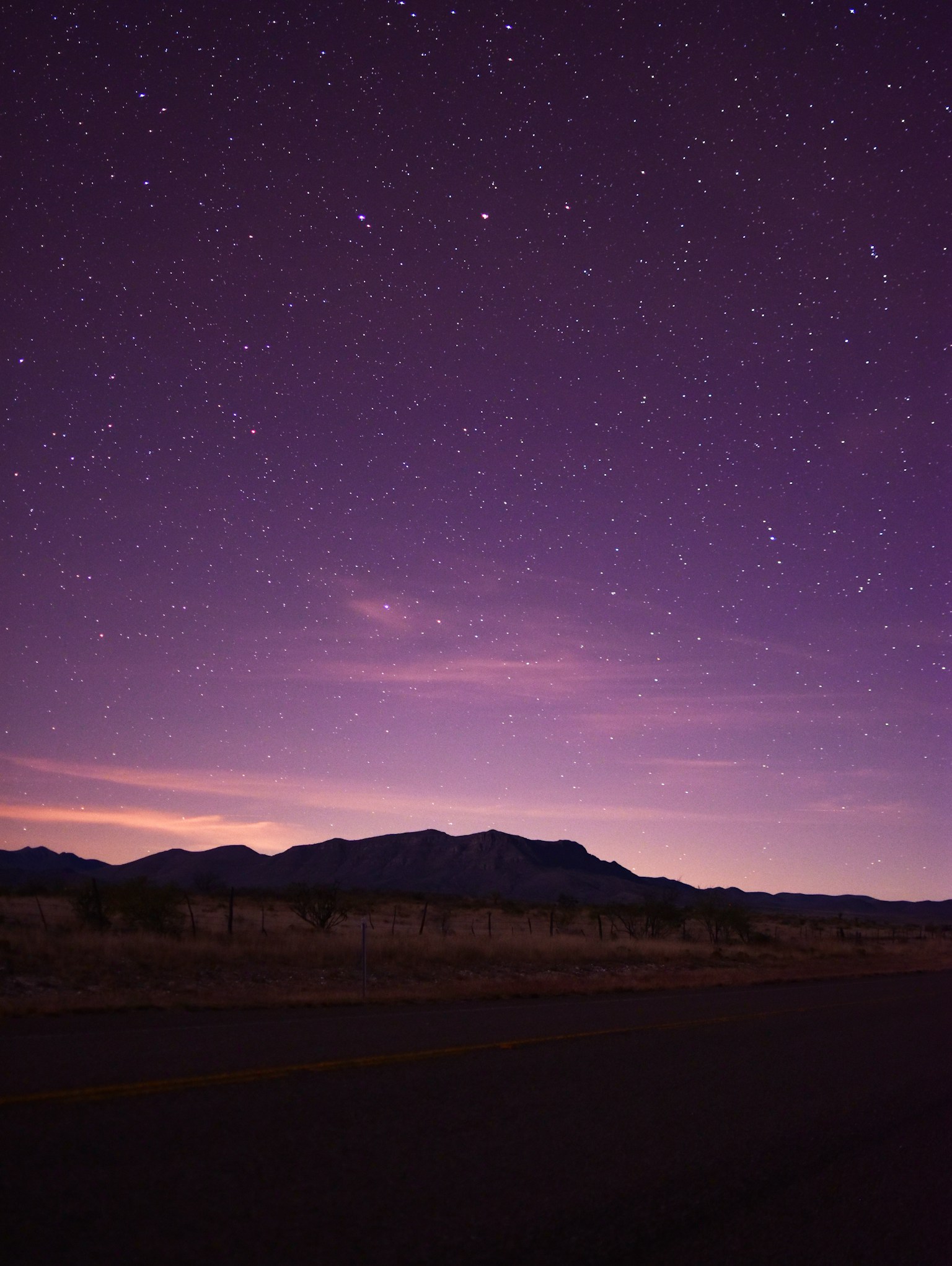
The exact full phase happens after midnight local time in these U.S. cities, but that is not the best moment for most people to step outside. Space.com's May 30 guide points out that U.S. observers get their first clean full-moon view at moonrise around sunset on May 30, hours before the formal peak illumination timestamp. EarthSky makes the same practical point: for the Americas, the Moon is fullest during the night of May 30, not as a separate Sunday-evening-only event.
That makes this a very friendly city-skywatching target. You do not need a dark-sky trip, and you do not need to stay up waiting for a precise clock strike. The useful move is simple: catch the Moon low in the east on Saturday evening, then let the official full phase happen overnight.
Why this one is called a Blue Moon
This is not a special name for a blue-colored Moon. It is a calendar quirk. May 2026 has one full moon on May 1 and another on May 31, which makes the second one a Blue Moon by the modern calendar definition. SpaceWeather's May 30 update also flags this weekend's full Moon as a Blue Moon, meaning the second full Moon in a single calendar month.
That makes the event notable, but it does not change the way you watch it. A Blue Moon is still a full Moon. The real advantage is that full moons are easy from light-polluted places. Even from a city, the Moon is bright enough to push through glow, haze, and thin atmospheric murk better than most deep-sky targets ever will.
The new visual hook: Antares beside the Moon
The reason this update matters is not the Blue Moon label by itself. It is that the Moon is rising close to Antares on the same night. EarthSky's sky chart for May 30 shows the full Moon near the bright red star, and Space.com tells skywatchers to look for Antares glowing close to the Moon as it rises.
Antares is not guaranteed to pop dramatically from every city block. Low haze, thin cloud, or a cluttered horizon can wash it out for a while. But when conditions cooperate, the pairing gives you more than a plain full-Moon sighting. It gives you a bright lunar disk with a distinctly reddish point of light nearby, which is more memorable than a generic “look, full Moon” moment.
If you are watching casually, start with the Moon and then let your eyes settle. If you are using binoculars, wait until the Moon clears the messiest part of the horizon first. If you are photographing the scene, frame for both the Moon and the nearby star rather than trying to over-zoom into the lunar surface.
Why this one is also a micromoon
This year's May 31 full Moon is also a micro full Moon, sometimes shortened to micromoon. EarthSky reports the Moon at about 252,360 miles (406,134 km) away for the full phase, which is why this event may look a little smaller and dimmer than an average full Moon.
The important part is scale. The difference is subtle. EarthSky says the May 30-31 full Moon will be about 7% dimmer than an average full Moon and notably less dramatic than a supermoon, but not obviously tiny to the naked eye. Near the horizon, the well-known Moon illusion can still make it seem larger even though the Moon is physically farther away.
That gives this event a useful expectation reset: the rare part is the combination of Blue Moon plus micromoon plus a same-night Antares pairing, not a giant visual effect.
When Austin, Houston, and Los Angeles should look up
Austin
Austin observers should treat Saturday, May 30 at 8:17 p.m. CDT as the main live viewing window. The Moon reaches exact full phase later, at 3:45 a.m. CDT early Sunday, but the more social and more photogenic experience comes at Saturday moonrise while the sky still holds a little twilight.
If clouds win on Saturday, Sunday still works as a backup. The Moon rises again at 9:13 p.m. CDT on May 31 and will still look full to casual observers, even though the timing is less useful for dusk photography.
If you want more year-round local planning, the city's Austin stargazing guide is a useful next stop once this one bright lunar event is over.
Houston
Houston gets the same exact full-moon moment at 3:45 a.m. CDT on Sunday, but the better live plan is Saturday, May 30 at 8:06 p.m. CDT. That is the window to try if you want the Moon low over the skyline and the best chance of noticing Antares nearby before the sky goes fully dark.
As in Austin, Sunday is the fallback night rather than the ideal first choice. Moonrise on May 31 is 9:01 p.m. CDT, which is still fine for a casual look but less timely for the Saturday-night hook this article is tracking.
If you are already building a local routine, our guide to Houston darker-sky options for beginners covers when a farther drive is worth the effort and when it really is not.
Los Angeles
Los Angeles gets the earliest local schedule of the three cities. The Moon rises on Saturday, May 30 at 7:54 p.m. PDT, then reaches exact full phase at 1:45 a.m. PDT early Sunday. That Saturday rise is the one most people should plan around, especially if you want a skyline or ridge-line composition before the Moon climbs too high.
If Saturday is hazy or overcast, the backup moonrise is 8:50 p.m. PDT on Sunday. The Moon will still be bright and satisfying, but the specific May 30 pairing with Antares is the fresher hook.
If you want to keep the month going after the full Moon, our Los Angeles stargazing guide before the May new moon is a better fit for darker-sky observing once the Moon leaves the evening sky again.
What you can realistically expect from city skies
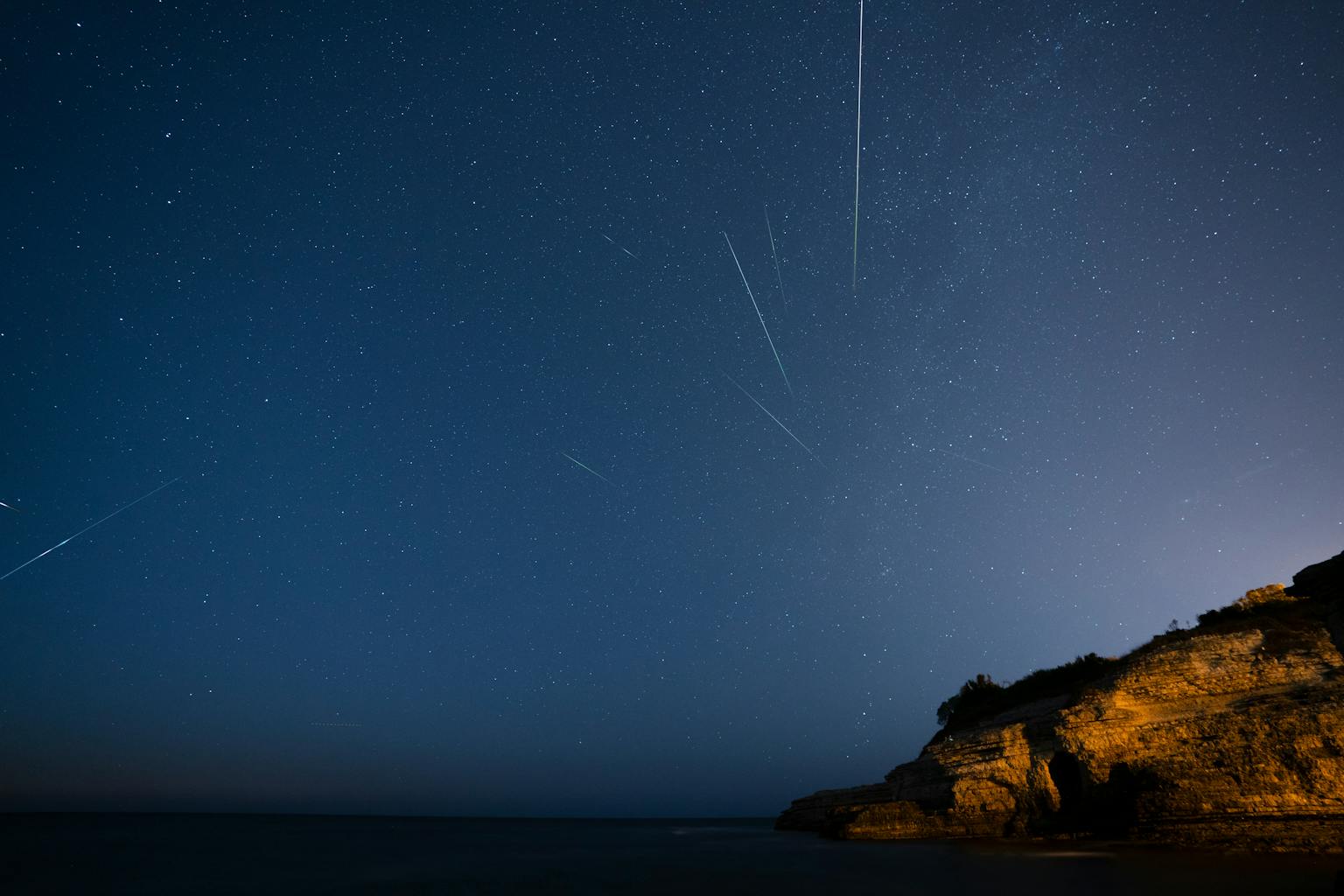
This is where it helps to stay grounded. A full Moon is spectacular, but it is not a dark-sky event. The Moon itself will be obvious. Antares may be visible, but it is still a star next to a very bright Moon, so local haze and light pollution matter.
What that means in practice:
- You should expect a bright lunar disk that stands out immediately, even from dense urban areas.
- You can reasonably watch for Antares near the Moon, but you should not assume it will punch through every poor horizon or humid sky.
- You should not expect rich Milky Way detail or a sky full of faint stars around it.
- You should not expect the Moon to look unusually huge. If anything, the micromoon effect makes it slightly smaller than average, and even that difference is subtle.
- You can still get a strong visual experience by pairing the Moon with foregrounds like rooftops, trees, water, or skyline silhouettes.
- If you want a cleaner view, small upgrades matter more than a major road trip: a darker park edge, a hill with an open eastern horizon, or simply stepping away from direct white lights.
For photographers, this is a framing opportunity more than a magnification opportunity. A moonrise over buildings or trees usually makes a better city image than an overexposed white circle floating in empty black sky.
If your main goal is a better photo rather than better timing, our new guide on how to photograph the May 31 Blue Micromoon without a telescope walks through phone settings, framing, and no-telescope technique.
Do you need gear?
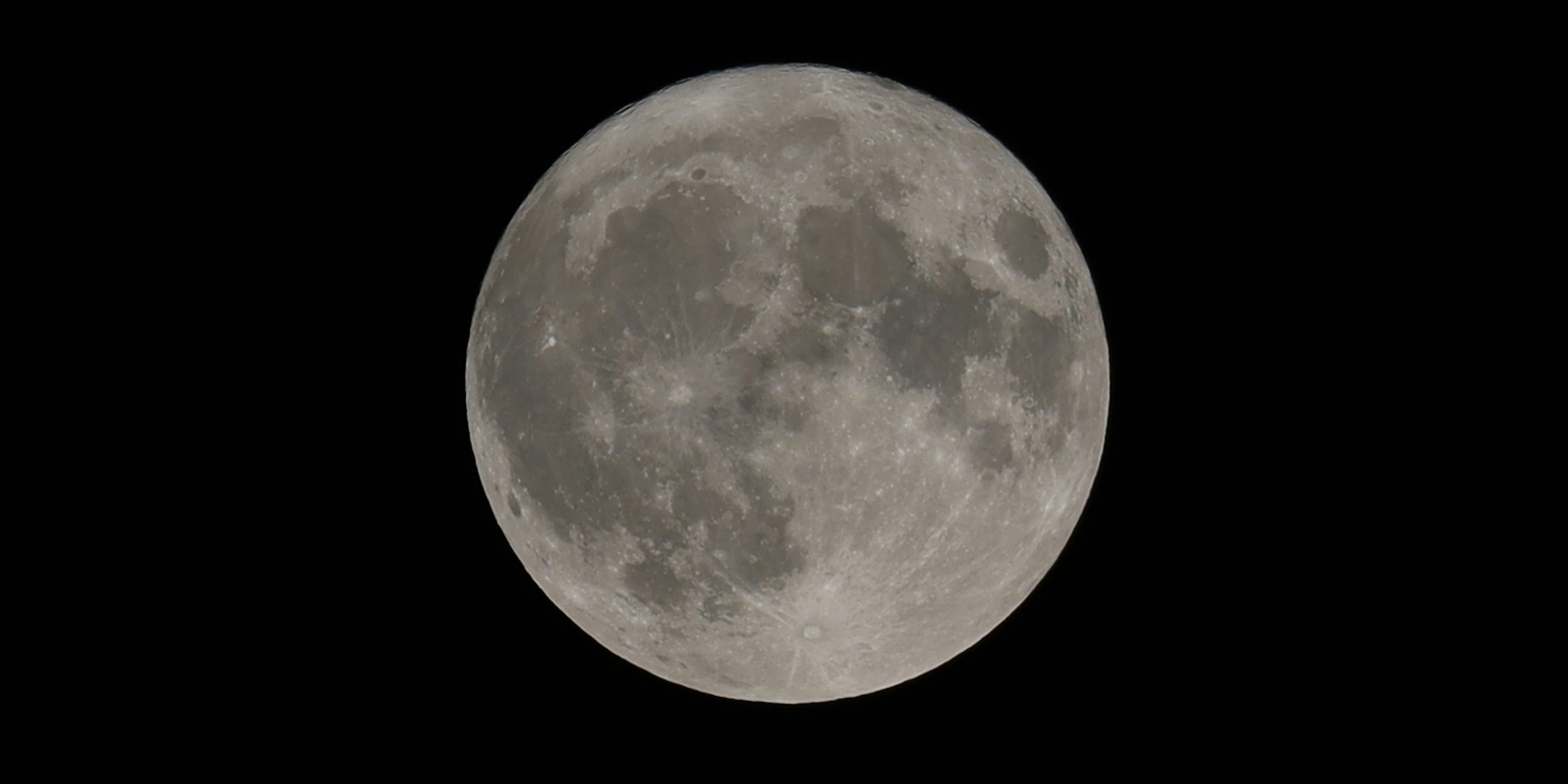
No special gear is required. Naked-eye viewing is enough for this event, and that is part of the appeal. If you already own binoculars, bring them. They can make the darker maria stand out more clearly and help you hold the Moon and its surrounding field more deliberately. If you already own a telescope, use it after moonrise once the Moon is a little higher, but do not treat that as the ticket to enjoying the night.
A few practical notes help more than expensive hardware:
- Bring binoculars before you bring complexity.
- Use a tripod only if you already know your camera routine.
- Turn phone exposure down if you photograph the Moon, or it will blow out into a bright blob.
- Aim for a skyline or foreground composition instead of trying to fake a close-up lunar portrait with a phone lens.
- If you want Antares in the frame, shoot early, before the Moon climbs too high and brightens the surrounding sky even more.
The full Moon is also a forgiving social sky event. You can share it from a patio, a neighborhood park, a parking structure, or a short waterfront walk. That makes it a better fit for casual observers than many meteor showers or deep-sky sessions.
A simple May 30 plan that works
- Pick an east-facing spot before dinner.
- Check the local forecast one more time for low cloud and haze.
- Arrive outside about 10 to 15 minutes before moonrise.
- Look for the Moon first, then scan nearby for Antares once the Moon clears the horizon clutter.
- If you want photos, take a few early and then put the phone away.
That is enough. You do not need to optimize this into a production schedule.
If you want people around you who will actually say yes to a moonrise plan, that is where Cosmic Match fits naturally. It is built for people who think stepping outside for a lunar event counts as a good evening, not an unusual one.
Bottom line
The May 30-31, 2026 full Moon is one of the most accessible astronomy nights of the week for Austin, Houston, and Los Angeles, and it is rare in three useful ways at once: it is a Blue Moon, a micromoon, and a same-night pairing with Antares. The exact full phase happens overnight, but the easiest city experience comes at May 30 moonrise. Pick an eastern view, keep expectations realistic, and enjoy the fact that one of the brightest objects in the sky is doing exactly what city observers need: showing up clearly.
Sources
- EarthSky: Blue Moon – and smallest full moon of 2026 – on May 30-31
- Space.com: The Blue Moon rises tonight: Where and when to see the second full moon of May
- SpaceWeather.com: May 30, 2026 homepage update
- timeanddate: Moonrise, moonset, and moon phase in Austin, May 2026
- timeanddate: Moonrise, moonset, and moon phase in Houston, May 2026
- timeanddate: Moonrise, moonset, and moon phase in Los Angeles, May 2026