Saturday Stargazing at George Observatory: How to Plan a Houston Night Under the Sky
Saturday Stargazing at George Observatory: How to Plan a Houston Night Under the Sky
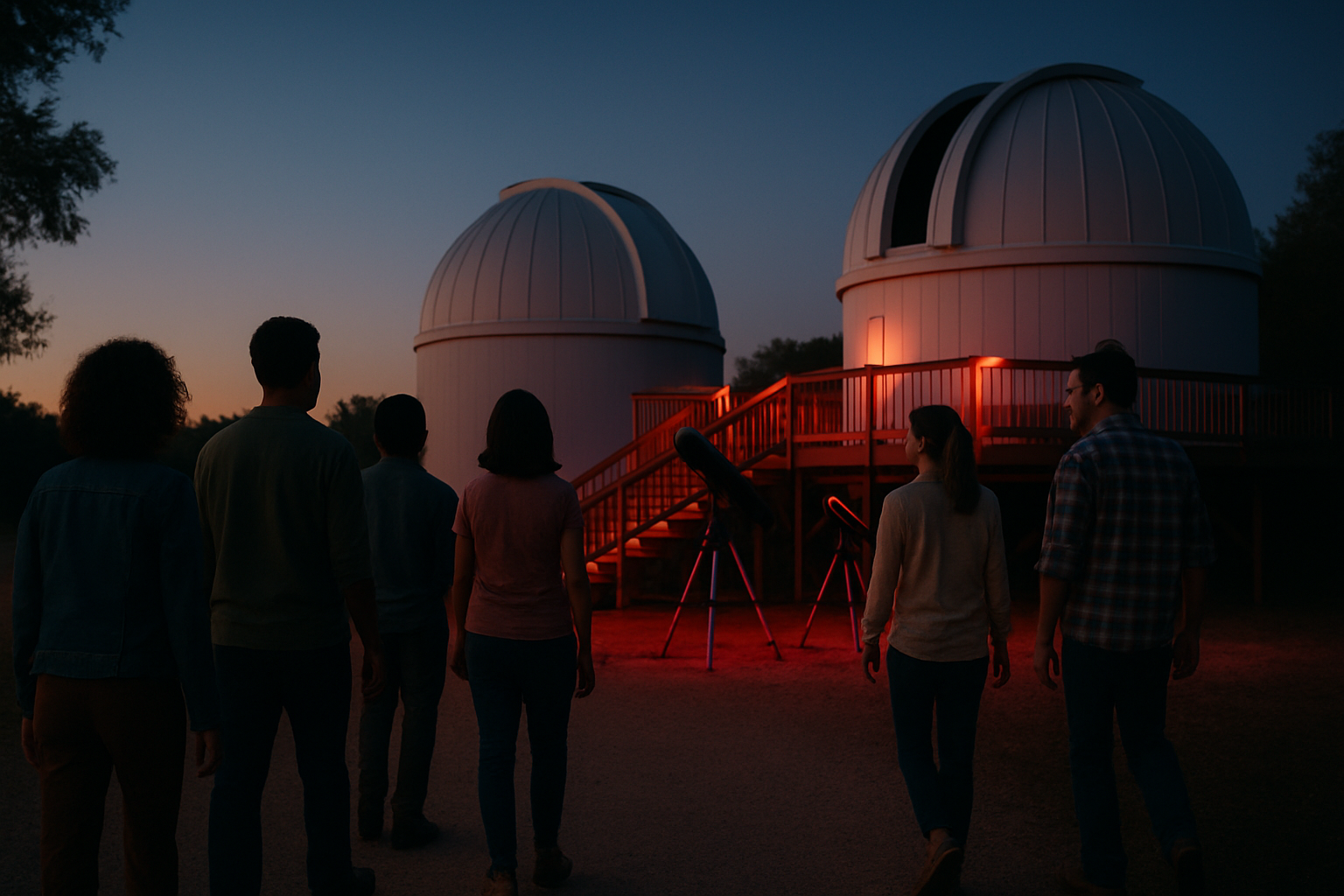
If you live in Houston and want a first stargazing outing that feels real without feeling intimidating, George Observatory's Saturday Stargazing program is one of the cleanest answers. The official Saturday Stargazing, Visit, and FAQ pages currently describe a structured Saturday-night program inside Brazos Bend State Park, with timed entry, observatory staff on hand, and weather rules that are clearer than most first-timers expect. For beginners, that structure matters. You are not improvising a dark-sky trip from scratch. You are showing up to a Houston-area astronomy night that already has telescopes, guidance, and a plan.
If you have been searching for George Observatory Saturday Stargazing tickets, what the evening actually includes, and what can trip up a first visit, here is the practical version.
What Saturday Stargazing is actually like
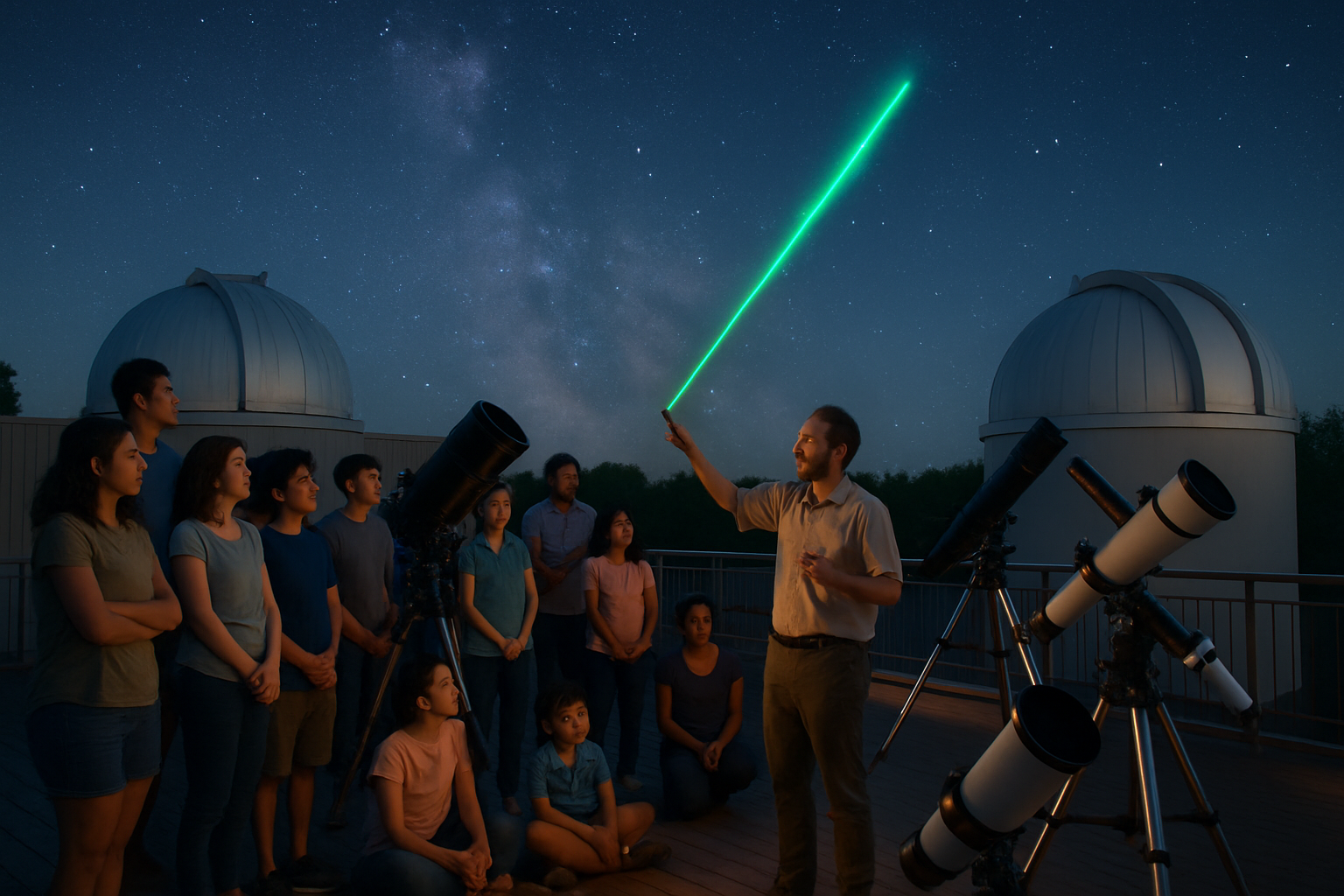
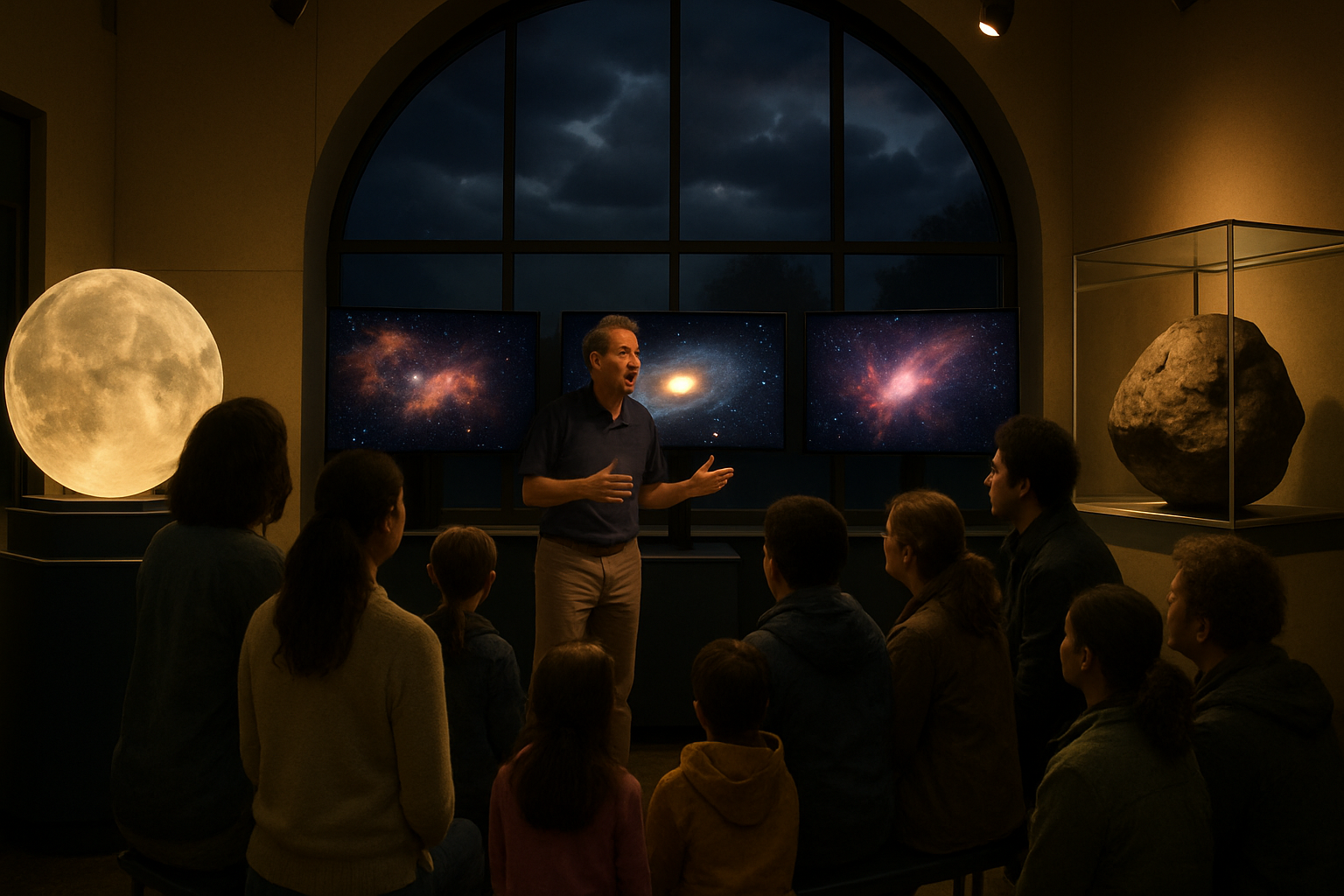
The official Saturday Stargazing page describes the experience as primarily outdoors and centered on the upper deck of the observatory. Expect constellation laser tours, a mix of deck and dome telescopes, camera-assisted views, and a chance to look through the 36-inch research-grade telescope when availability allows. Inside, the observatory also points visitors toward its Milky Way exhibit area, with displays that include the Moon, meteorites, and more.
That mix is why this works so well for Houston beginners. A first stargazing night can go sideways fast if you are alone in a dark park wondering whether you are even pointed at the right star. Here, the program is doing some of that work for you. You still get the feeling of a real night under the sky, but with staff, docents, and a clear flow.
If you want a broader plan for darker-sky options around the city, our Houston stargazing guide for beginners is a useful companion.
Tickets, prices, and the detail people miss first
The George Observatory FAQ currently says Saturday Stargazing tickets are $13 for everyone ages 3 and up, while the Visit page lists adults and children at $13 and infants under 2 free. Either way, the big operational rule is the same across the official pages: buy in advance. Tickets are offered on a timed basis, must be purchased through the online box office, and are not sold onsite. A paper or electronic receipt is required for entry.
The second cost people miss is the park. Saturday Stargazing does not include entry to Brazos Bend State Park, so the official pages say you need a separate state park day pass to get to the observatory. That matters more than it sounds. A first-time visitor can easily think the observatory ticket is the whole thing and discover too late that the park entrance is separate.
The FAQ also says tickets are typically available about two months in advance. If you already know the Saturday you want, checking earlier is smarter than assuming there will be room later in the week.
Timing your night so you do not lose the easy version
The official Visit page currently lists Saturday hours at 9:00 p.m. to 11:00 p.m., with last entry at 10:00 p.m. during this part of the year. The FAQ also notes that timeslots shift earlier in the cooler-season part of the calendar, so if you are planning ahead for fall or winter, re-check the exact start time before you buy. The observatory also says a reminder email goes out the day before with parking and check-in instructions. Read it. This is one of those trips where a little structure helps.
For a first visit, the simplest plan is to buy tickets before Saturday, handle the park pass before you arrive, and aim to be inside Brazos Bend early enough that check-in feels calm instead of rushed. Keeping a screenshot of your ticket or receipt on your phone is also the low-drama move.
That timing matters because George Observatory also notes that access inside the domes and viewing through telescope eyepieces is limited and subject to availability and weather. In other words, think of the night as a full observatory program, not a guaranteed line item where every visitor gets the same telescope experience in the same order.
What happens if Houston weather does Houston weather things
The weather policy is more forgiving than many first-timers expect. The official Saturday Stargazing page and FAQ both say the observatory only cancels for rain. If skies are overcast, they run a Cloudy Night Program with previously captured images, dome tours, and talks from staff and docents. That is useful because it lowers the risk of the drive feeling wasted if the sky is not perfect.
Refunds are stricter. The FAQ says tickets are non-refundable unless the observatory cancels because of rain. If you cannot make it, the site says rescheduling requires calling the advance sales line no later than 5:00 p.m. on Friday, the day before your Saturday timeslot.
That combination leads to one practical takeaway: treat Saturday Stargazing as a real appointment. If the forecast looks questionable, do not assume the event is off. Clouds usually mean program, not cancellation.
What to bring, and what not to bring
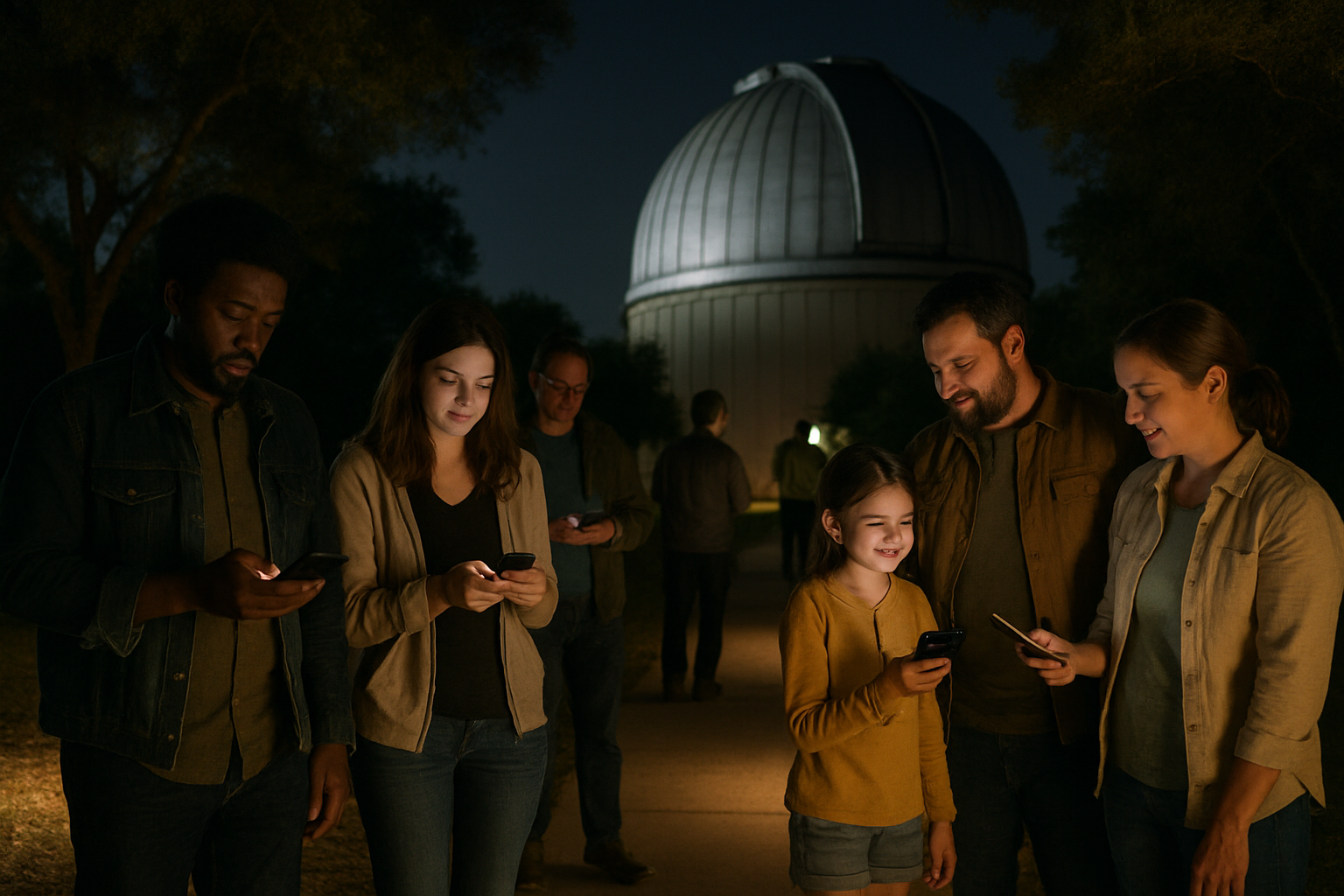
George Observatory is unusually clear about the low-light rules. The official Saturday page says to avoid flashlights, cell phone lights, and light-up shoes or clothing. The FAQ adds open-toed shoes to the prohibited list and says only bottled water is allowed on the observation deck.
That means your beginner packing list should stay simple: your ticket receipt, your park pass, bottled water, closed-toe shoes, and dark comfortable clothing for an outdoor night. If you are using your phone for the ticket, dim the screen before you arrive so you are not the bright-light person on the deck.
If you are wondering about bringing your own telescope, the FAQ says you can, but it is not recommended on the observation deck because space is limited and the one-hour timeslot goes fast. The observatory suggests using their programming and, if you really want your own setup, saving it for the hill after your timeslot or another part of the park.
Is it worth it for a beginner?
For most Houston-area beginners, yes. George Observatory hits the sweet spot between structure and wonder. You are not trying to decode the night sky alone from a parking lot, but you are also not getting a purely indoor science-center experience. You get darker skies than central Houston, real telescopes, live guidance, and a program that still has value even if clouds move in.
It is also a good option if you want a space-centered outing with company. Cosmic Match is built for people who want more nights like this with others who already care about the sky. You can meet Houston members who love stargazing or sign up free at cosmicmatch.io/signup if you want someone to message when the forecast suddenly turns clear on Friday afternoon.
If you want one more current planning resource before you pick a date, our roundup of where to stargaze this week in Austin, Houston, and Los Angeles tracks strong official observing options across our live markets.
The short version
If you are searching for George Observatory Saturday Stargazing tickets because you want one easy Houston astronomy night that feels organized, beginner-friendly, and genuinely worth the drive, this is the right way to think about it: buy early, remember the separate Brazos Bend entry pass, arrive without rushing, expect a timed program instead of a free-form hang, and do not panic if the sky is cloudy. George Observatory only cancels for rain, and the cloudy-night fallback is part of the plan, not an afterthought.
That is a much better first observatory night than guessing your way through it in the dark.