Photo of the Week #1: A Milky Way Beach Session Worth Studying
This is the first post in our new Photo of the Week / Community Spotlight series, and the goal is simple: highlight real night-sky images and the practical choices behind them so more people feel ready to get outside and try their own session. This kickoff edition uses an editor-selected image, not a member submission, because we wanted to model the format honestly before the first reader photos start landing.
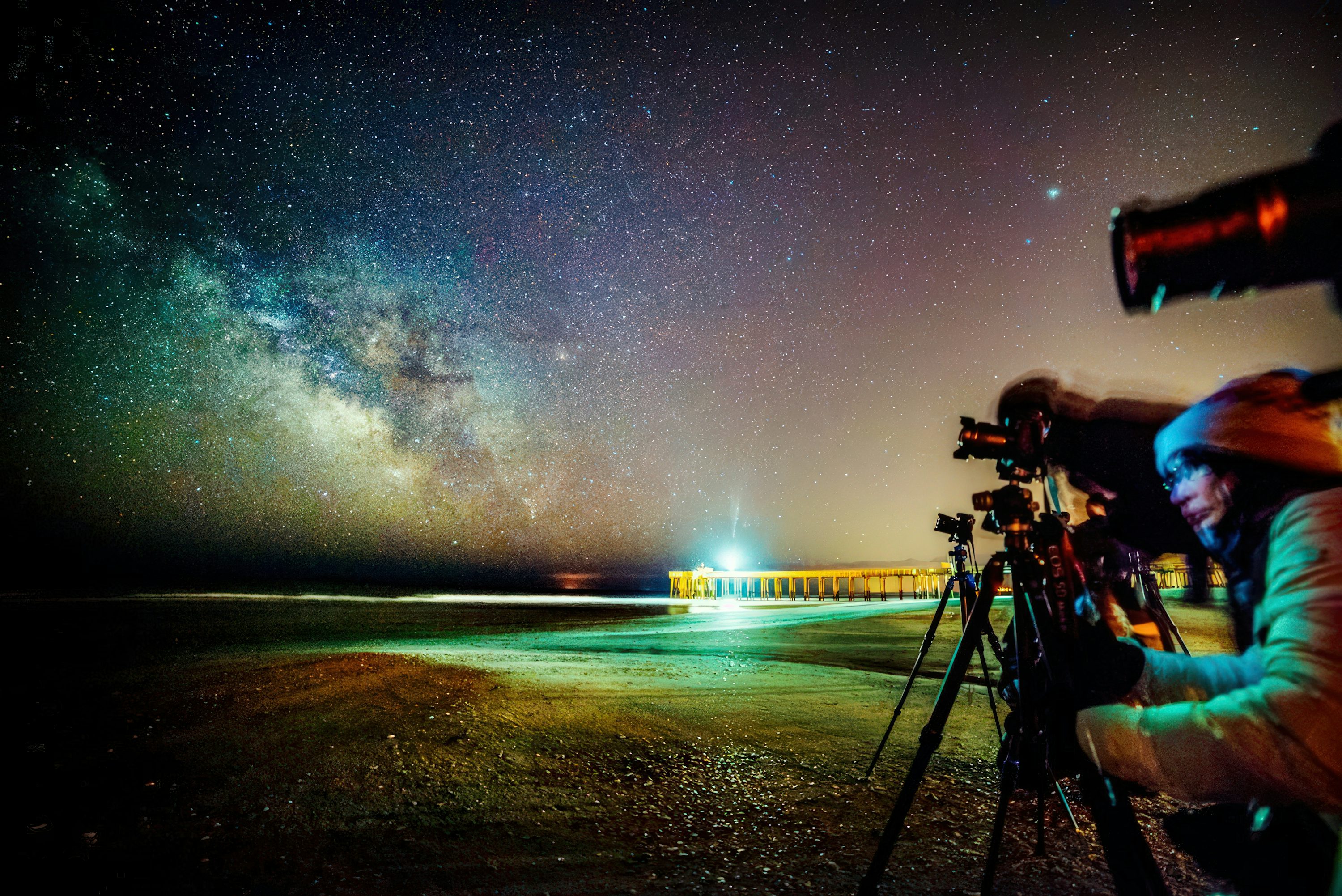
The featured frame below captures a group of photographers working a beach setup under the Milky Way. It is exactly the kind of image that makes a community feel real: not perfect in a sterile way, but alive with shared timing, shared patience, and a sky that rewards people who stayed out a little longer.
If you want more people in your orbit for nights like that, join the Cosmic Match community for space and astronomy enthusiasts or go straight to sign up free at cosmicmatch.io.
Featured Photo / Setup
 Kickoff editor's pick: a Milky Way beach session photographed by Jim DeLillo and shared under the Unsplash license.
What stands out first is the balance. The people and tripods stay off to the right, which leaves a huge field of dark sky and faint Milky Way structure to breathe on the left. That choice does two things at once: it tells you this was a social observing session, and it gives the night sky enough room to feel like the main subject instead of wallpaper.
It also shows a setup choice beginners often miss. Nobody in the frame appears rushed. The tripods are already planted, the horizon is clean, and the composition looks chosen before the sky got fully dark. That usually means the hard part happened earlier: scouting the foreground, committing to a direction, and getting everyone settled before the best sky arrived.
Why We Selected It
We picked this frame for the first edition because it feels like the version of astrophotography more people can actually grow into. Not everyone starts with a remote desert trip, a tracker, and four hours of processing. Many people start with friends, a decent horizon, and one shot they are proud of. This image respects that stage.
It also fits the kind of practical progression we talk about in our recent Summer Triangle astrophotography guide: bright targets, realistic timing, and a plan you can repeat. If you are still looking for a local outing window, our stargazing picks for Austin, Houston, and Los Angeles this week can help you choose a night instead of waiting for a mythical perfect one.
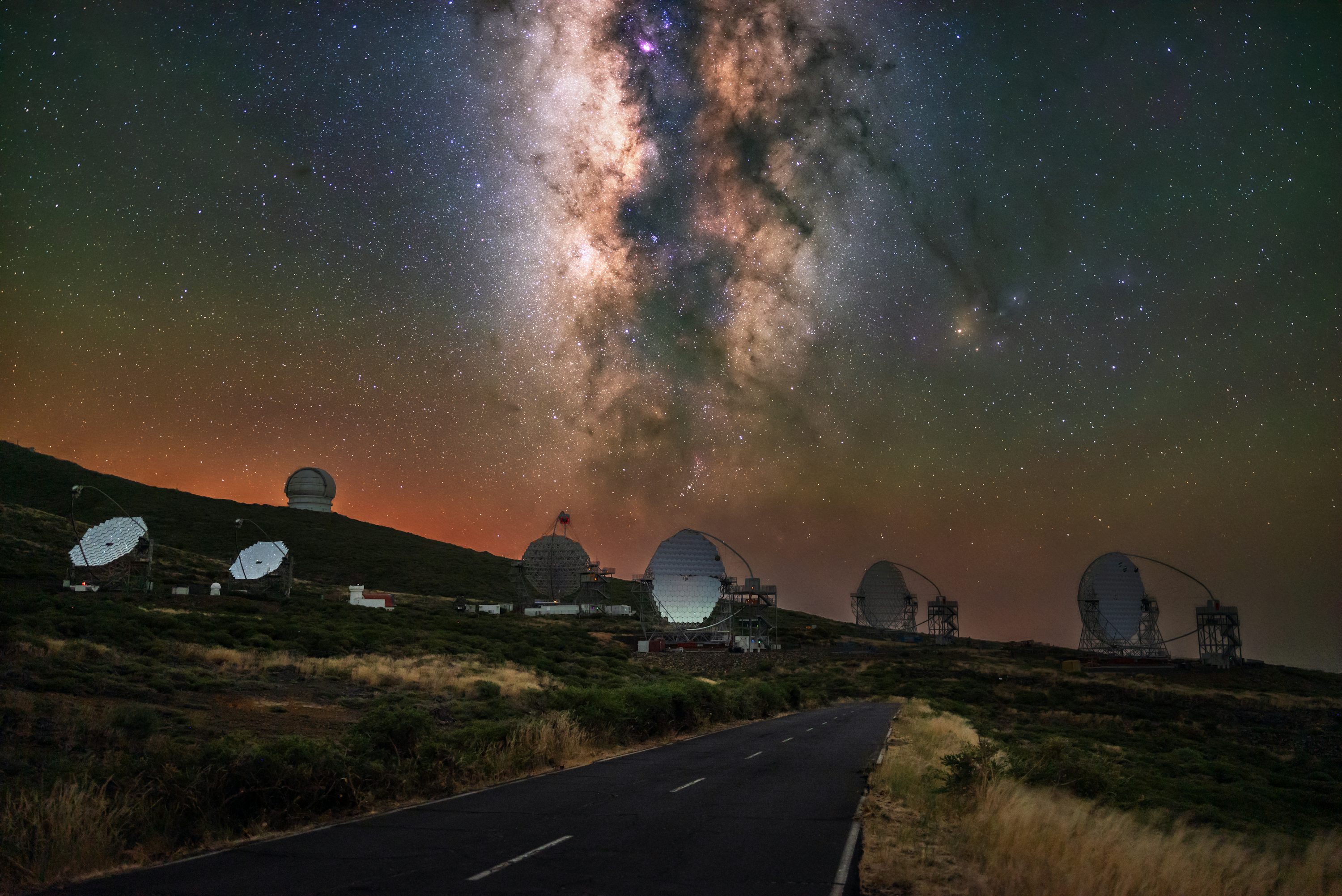 Big-sky compositions work because the foreground stays simple and the sky gets enough visual room to carry the frame.
What You Can Learn From It
Three takeaways make this photo worth studying.
- Composition beats clutter. The scene works because the foreground is present but controlled. A few people, a few rigs, a low horizon, and then sky.
- Timing matters more than gear flexing. The clean result suggests the group was in place before peak darkness. Good sessions are usually won in setup, not in panic.
- Community changes the experience. One person can absolutely shoot alone, but shared sessions make scouting easier, troubleshooting faster, and the whole night more memorable.
That last point matters. A lot of people love the night sky before they love equipment talk. They want a reason to go, a place to stand, and somebody nearby who will not think it is weird to wait twenty extra minutes for better contrast. That is the lane Cosmic Match is built for.
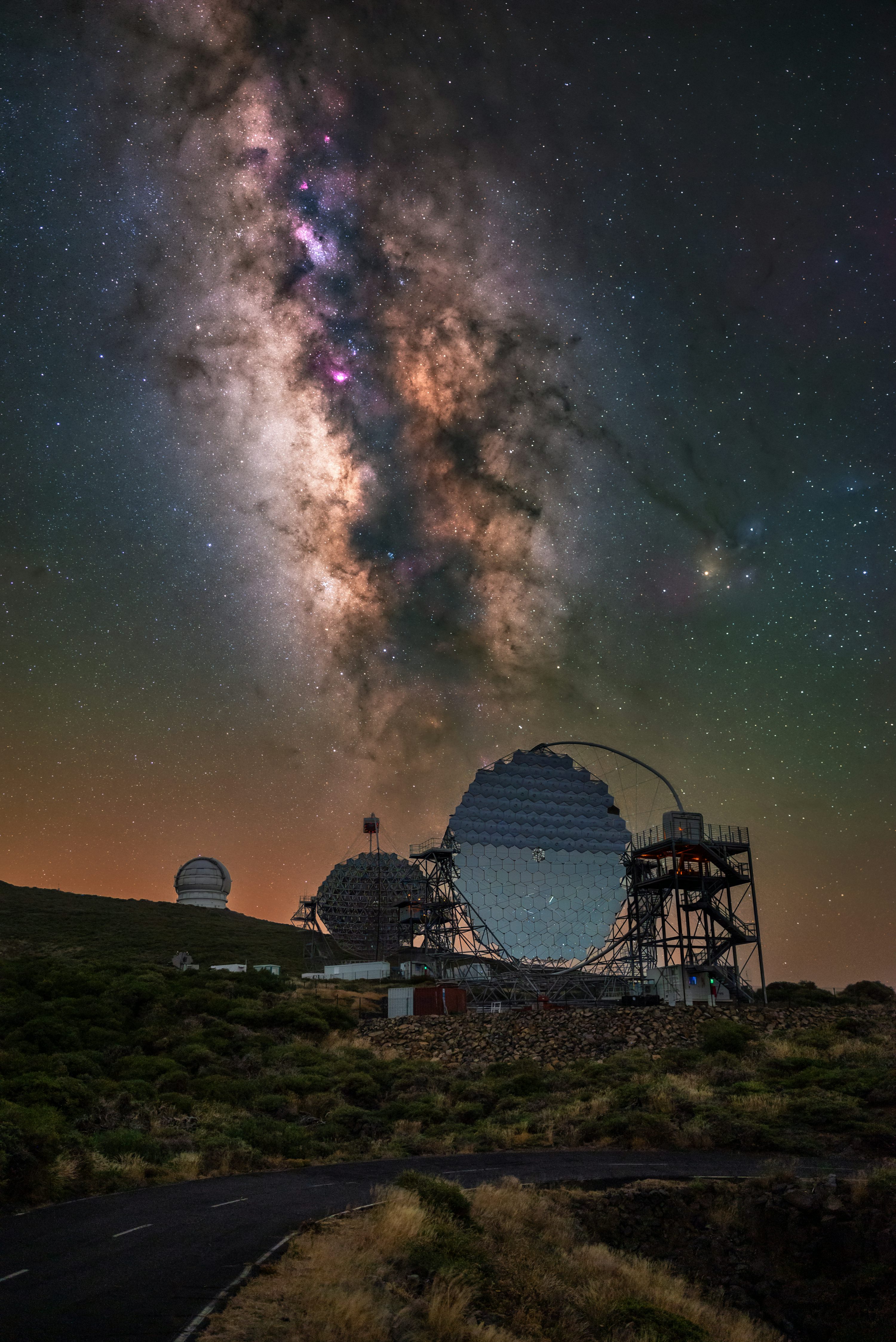 Even ambitious astrophotography starts with the same fundamentals: a stable setup, a clear target, and the patience to let the sky improve.
Your Turn
For future editions, we want to feature real member photos, real setup shots, and real lessons learned, whether that means a Milky Way frame, a Moon close-up, or a phone-on-tripod win from a city park. You do not need a spectacular observatory image. You need a photo that taught you something or made you want to go back out.
Want to be featured in a future Photo of the Week? Email one finished image or one honest setup shot to edgard@cosmicmatch.io with the subject line "Photo of the Week," plus your first name, city, gear, and one thing you learned that night.
That is the bar for this series: useful, welcoming, and grounded in the real experience of getting outside under the sky.