Observation Report #1: A Simple June Night in Austin
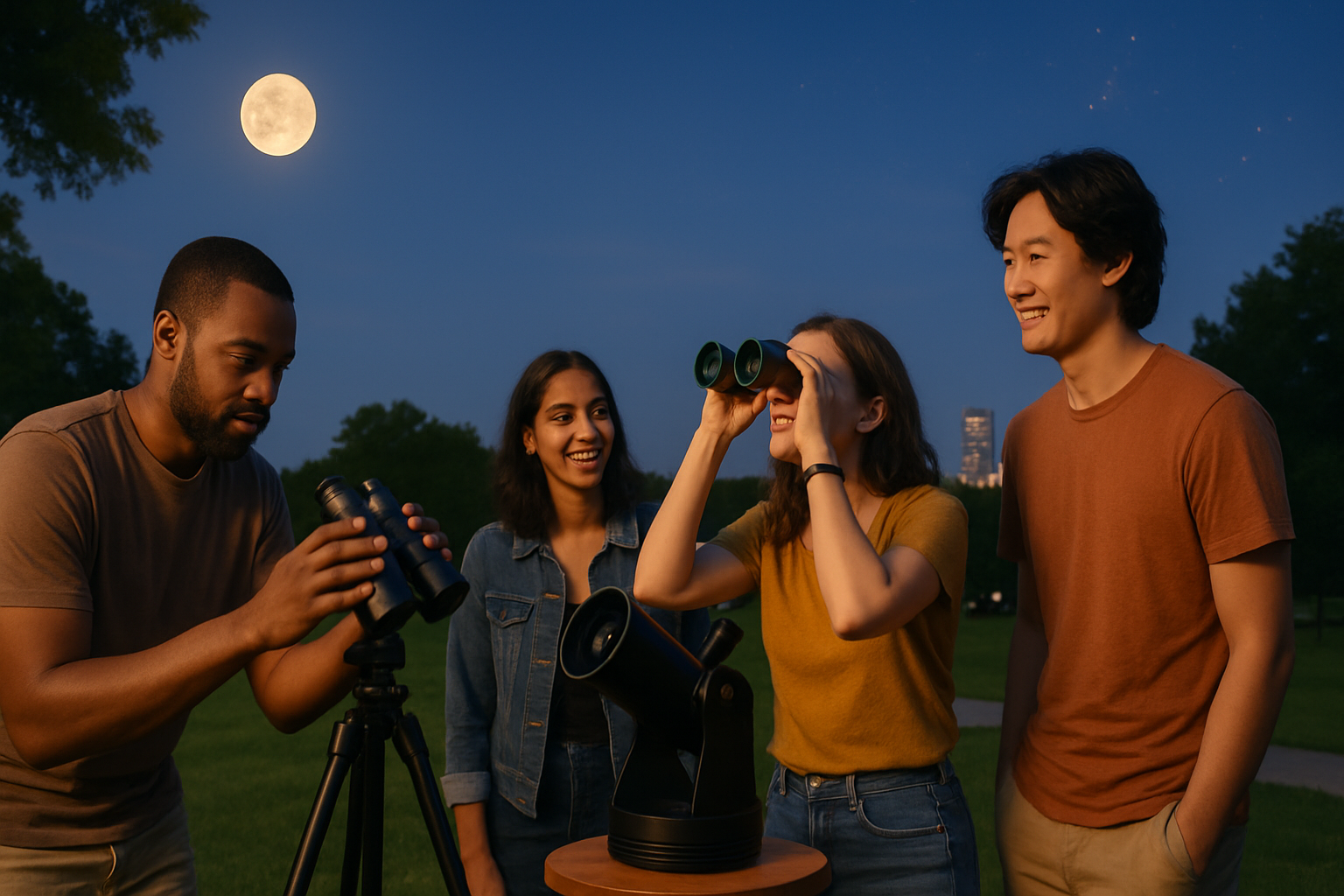
Observation Reports are not supposed to be polished astronomy essays. They are supposed to be useful. The point is to show where you were, what you used, what you noticed, and what another beginner could learn from it.
For the kickoff edition, we are keeping it intentionally simple. This is an editor-led sample report built to model the format we want members to use for their own posts later. No perfect dark-sky trip. No giant equipment list. Just a normal late-June session that a beginner in Austin could realistically repeat. If you want a place to find more local sky people before your next outing, you can meet Austin stargazers on Cosmic Match.
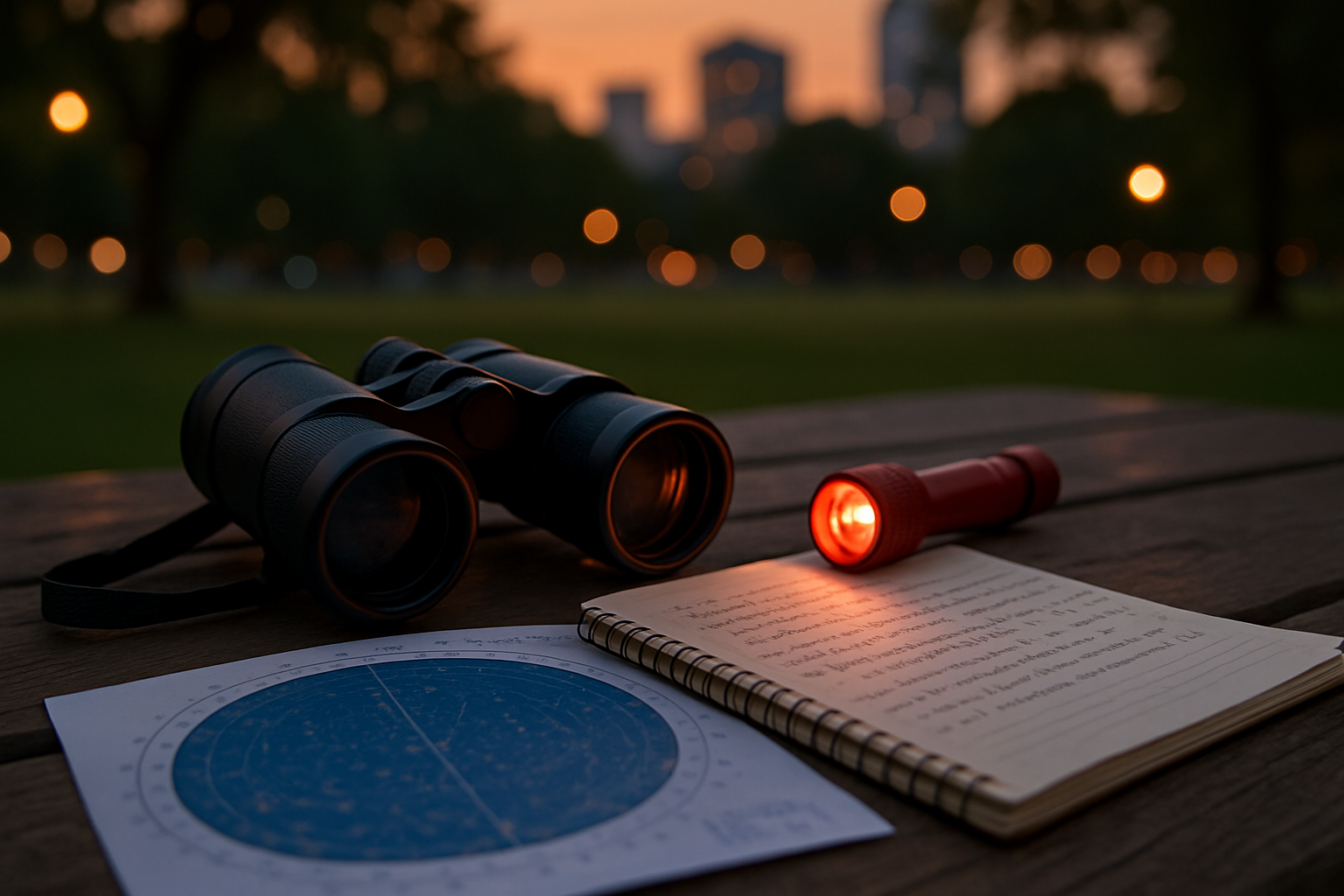
Date, Place, and Sky Conditions
Date: June 24, 2026
Place: a neighborhood park in South Austin
Session length: about 35 minutes
Sky conditions: warm, humid, some low haze toward the horizon, typical suburban light pollution, better contrast once twilight faded
This was the kind of session many people actually have: convenient location, imperfect sky, and a short window between dinner and the rest of the night. That is exactly why it makes a good first example. A useful observation report does not need a dramatic event. It just needs enough detail that someone else can picture the session and learn from it.
What Was Observed
The brightest anchor of the session was the waxing Moon, which made it easy to get oriented quickly without fighting the whole sky at once. After that, the next reliable target was Antares, the reddish star that helps trace the front half of Scorpius. As the sky darkened, the curve of the Scorpion became easier to pick out, and later in the session Vega was obvious higher up as a clean contrast point.
Nothing here was chosen because it was rare. That is the whole point. A first observation report should model the kind of targets beginners can actually find from a city park with a little patience. If you want more context for the Moon-and-Antares part of the sky, our recent guide to using the Moon to find Antares and Scorpius is the best companion read.
Naked-Eye, Binoculars, Telescope, or Camera?
This sample used naked-eye observing first and 10x50 binoculars second. No camera. No large telescope. The report format needs to work for people who are just starting and do not want to feel like they need a trunk full of gear before posting anything.
The naked-eye part of the session handled orientation: Moon first, then Antares, then the broader shape of Scorpius. The binoculars helped once the eye already knew where to rest. That order mattered more than the gear itself. A beginner who starts with binoculars before knowing where to look usually gets frustrated faster than a beginner who spends two minutes getting the sky map straight first.
What Worked
Three things worked especially well:
- Starting with an obvious target. The Moon made the session easier immediately. From there, the sky felt smaller and more readable.
- Keeping the target list short. One bright lunar target, one bright red star, one easy constellation pattern, one summer reference star. That was enough.
- Treating the session like practice, not a performance. A short report from a modest night is still a good report if it captures what helped.
If you want a more event-style outing after a simple practice night like this, our latest roundup of stargazing events in Austin, Houston, and Los Angeles is a good next step.
What Did Not Work
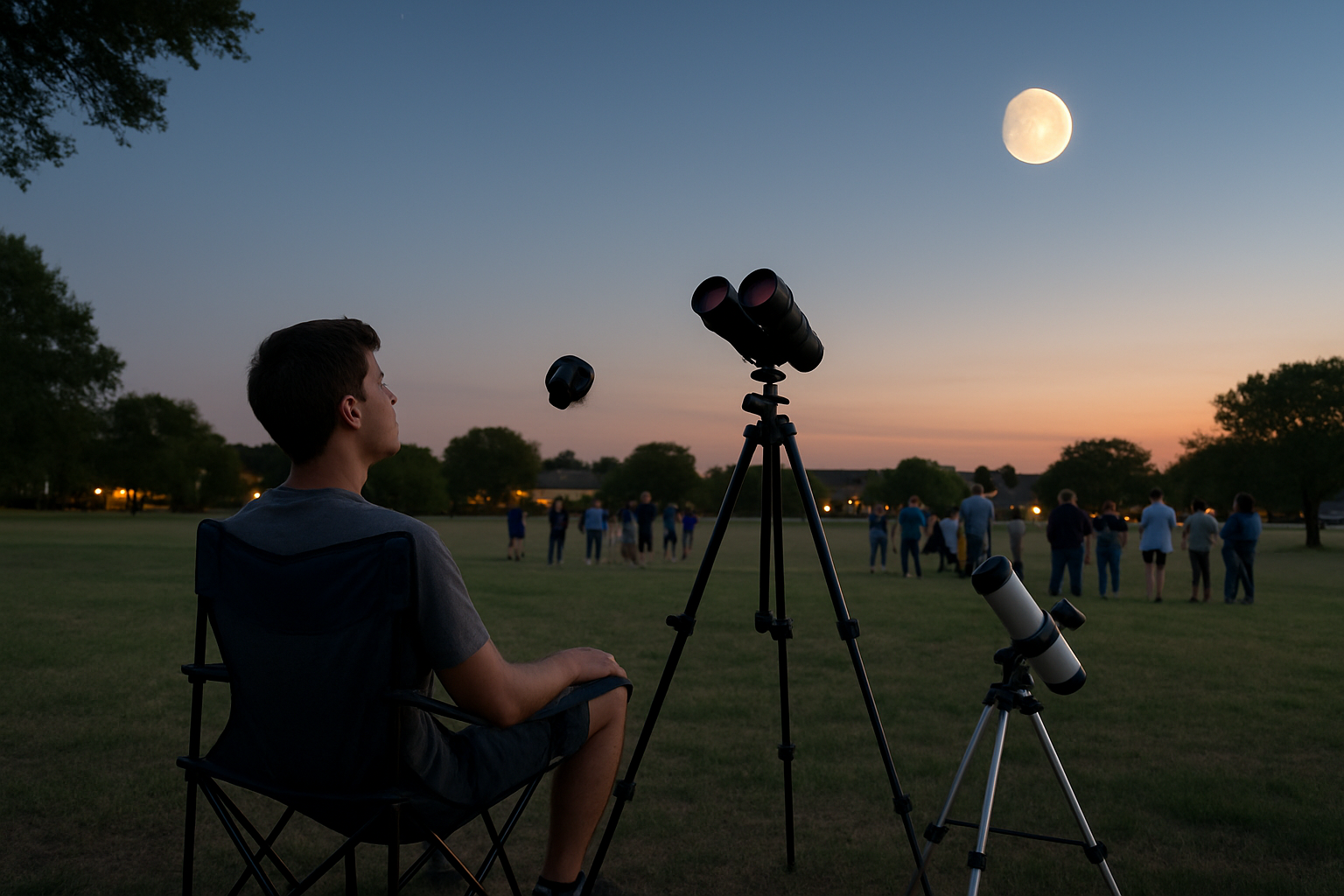
A few things got in the way too:
- Phone brightness was the fastest way to lose night adaptation.
- Low haze near the horizon made the lower sky less crisp than it looked on paper.
- Trying to notice too much too quickly would have made the session worse. The useful move was narrowing the goal, not expanding it.
This is why observation reports matter. When someone says, "I found the Moon easily, Antares took a minute, and my phone screen kept ruining my eyes," that is more helpful to the next beginner than a generic line about the sky being beautiful.
One Practical Takeaway for Beginners
If you are new, do not try to build an entire night around ten targets. Build it around three checkpoints:
- one obvious object
- one pattern that helps you learn the sky
- one note about what helped or hurt
That is enough to make the night memorable and enough to make your report useful to someone else. The goal is not to sound expert. The goal is to leave a trail another beginner can follow. If you want people nearby who will actually understand why a 35-minute sky session counts as a good night, join free on Cosmic Match.
Copy This Format for Your Own Observation Report
Use this exact structure if you want to post your own:
Date:
Place:
Sky conditions:
What I observed:
What I used: naked-eye / binoculars / telescope / camera
What worked:
What did not:
One practical takeaway for beginners:
Invitation
Have your own short report, binocular note, quick sketch, Moon observation, or "I only found one thing but it was still worth it" story? Post it on Cosmic Match or send it to us for a future Observation Report feature. Ordinary sessions are welcome. City skies are welcome. Beginner reports are especially welcome.