Asteroid 1997 NC1 Tonight: How to Watch the Live Window After Closest Approach
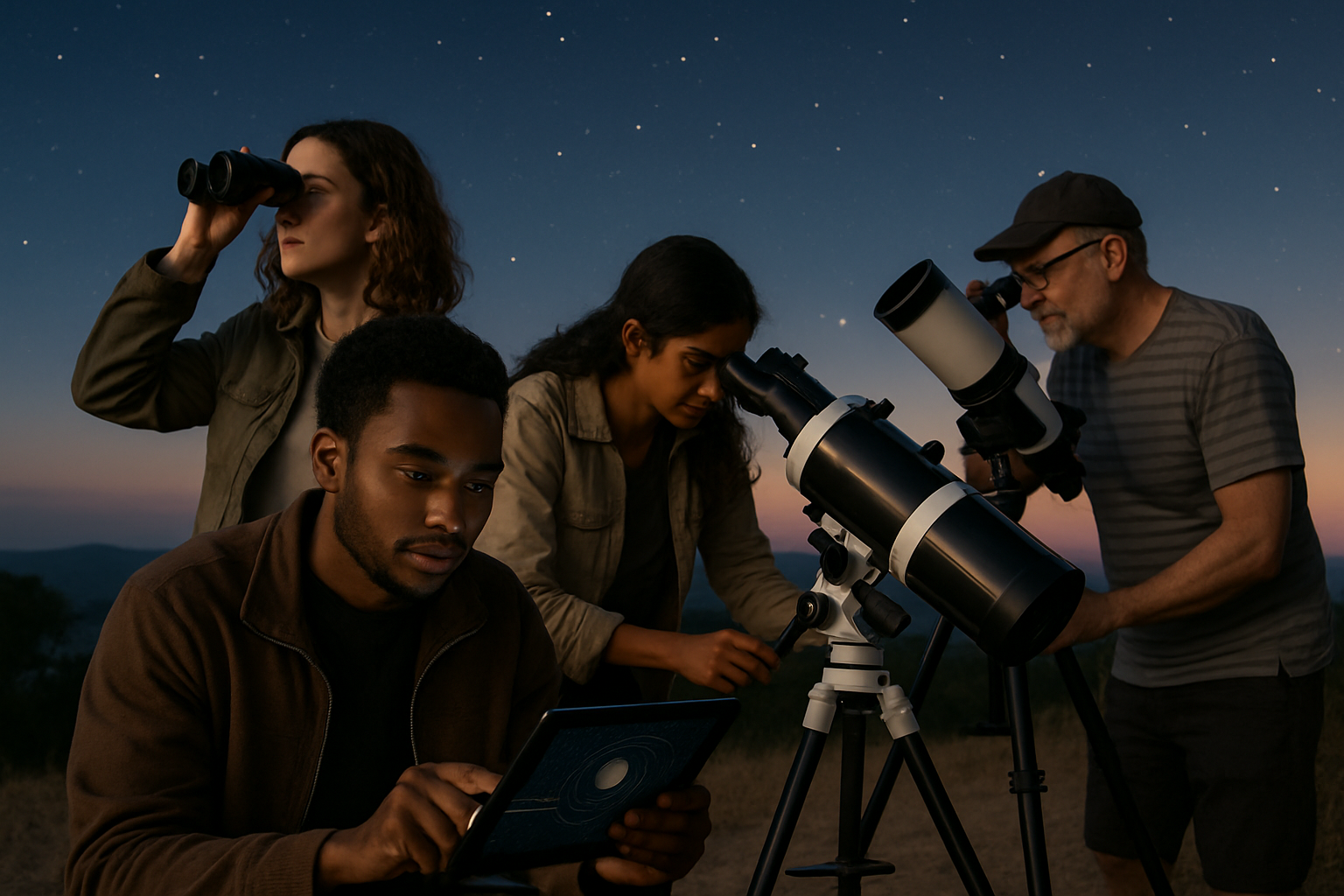
Closest approach for asteroid (152637) 1997 NC1 is already behind us. According to NASA/JPL, the asteroid made its nearest safe pass by Earth on Saturday, June 27, 2026 at 11:16 UTC, which was 6:16 a.m. CDT in Austin and Houston and 4:16 a.m. PDT in Los Angeles. If you slept through it, you did not miss the useful part.
Tonight is still the practical audience window because the second Virtual Telescope Project livestream starts at 23:00 UTC on June 27, which converts to 6:00 p.m. CDT in Texas and 4:00 p.m. PDT in Los Angeles, and because Space.com reports the asteroid reaches about magnitude +10 at 00:00 UTC on June 28. That is 7:00 p.m. CDT and 5:00 p.m. PDT on Saturday, June 27. In other words: the orbital milestone happened this morning, but the easiest time to actually follow the story is still tonight.
If you want the wider late-June sky map first, pair this with our June 2026 stargazing calendar and our city-by-city guide to where to stargaze this week in Austin, Houston, and Los Angeles.
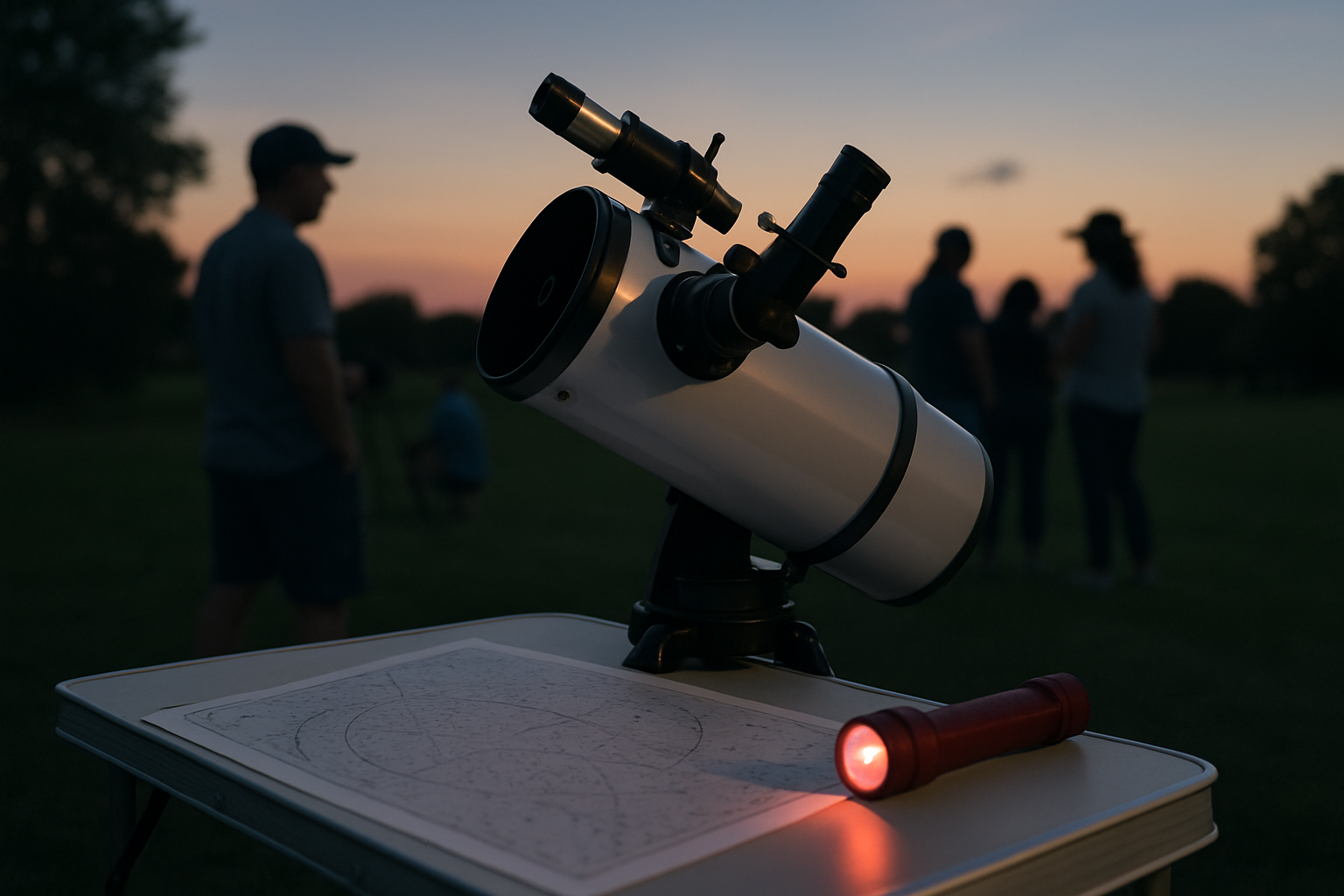
What Already Happened, and What Still Matters Tonight
The exact closest-approach data is straightforward. NASA/JPL's close-approach database lists 1997 NC1 at 0.01715156 AU from Earth at closest approach, or about 2,565,839 kilometers and 1,594,339 miles. That is close in astronomy terms, but still a completely safe margin. The "potentially hazardous" label is a long-range classification about size and orbit, not an alert for tonight.
The remaining hook is practical, not dramatic:
- the second livestream happens tonight after the morning flyby
- the asteroid is still bright enough to matter for amateur observers
- the best way to understand asteroid tracking is to watch it as a slowly moving point of light, not to chase the exact closest-approach minute
That last point is why this addendum matters. A lot of sky stories become less useful after the headline moment passes. This one does not. Tonight is still the best community-friendly window because it gives beginners a stream to watch and gives more experienced observers a same-evening target they can actually try to track.
The Four Times To Care About
| Event | UTC | Austin / Houston | Los Angeles |
|---|---|---|---|
| Closest approach | June 27, 11:16 UTC | June 27, 6:16 a.m. CDT | June 27, 4:16 a.m. PDT |
| Virtual Telescope livestream 2 | June 27, 23:00 UTC | June 27, 6:00 p.m. CDT | June 27, 4:00 p.m. PDT |
| Peak reported brightness | June 28, 00:00 UTC | June 27, 7:00 p.m. CDT | June 27, 5:00 p.m. PDT |
| Practical telescope window | after dark June 27 | Saturday evening | Saturday evening |
The clean read is this: closest approach was a dawn event in the U.S., but the watchable public window is an evening event.
That matters especially for Cosmic Match's live markets. A 6:00 p.m. CDT stream works as an after-work plan for Austin and Houston. A 4:00 p.m. PDT stream works as a late-afternoon handoff into an evening session for Los Angeles. You can follow the livestream first, then decide whether your local sky is good enough to try a real tracking attempt later.

What You Can Actually See Yourself
This is not a naked-eye event. The interesting part is that the assigned sources give slightly different lower bounds for what counts as enough gear.
EarthSky says you should plan on a 6-inch telescope or larger and expect the asteroid to look like a faint star around magnitude 10. Space.com, citing Virtual Telescope Project founder Gianluca Masi, says 10x50 binoculars or a small 4-inch telescope may be enough to reveal it as a point of light moving through Ophiuchus on the night of closest approach.
The cautious read, and this is an inference from those sources, is:
- a small telescope is the safer expectation for Austin, Houston, and Los Angeles observers under city or suburban skies
- binocular success is possible but optimistic, especially for beginners
- the reward is motion, not brightness
What you are looking for is a point that seems star-like at first, then looks slightly out of place when you compare the field five to seven minutes later. That is the same observational trick EarthSky recommends, and it is what makes asteroid tracking satisfying for regular amateurs. You are not waiting for a movie-scene streak. You are noticing a subtle change with your own eyes.
If you want to turn tonight into a broader observing session instead of a one-object challenge, our Antares and Scorpius weekend guide is a good same-evening companion once the southern sky settles down.
Best Local Plan for Austin, Houston, and Los Angeles
Austin and Houston
The best Texas plan is sequential:
- Watch the 6:00 p.m. CDT Virtual Telescope stream as your low-friction start.
- Check the weather and transparency before committing gear.
- If conditions look decent, try the asteroid later in the evening when the sky is darker.
This is also one of those nights when community helps. If you are near Austin, a better move is often to go with people who already know how to compare star fields and finder charts: meet Austin space lovers. In Houston, the same logic applies if you want a real observing partner instead of a solo trial-and-error session: find Houston astronomy locals.
Los Angeles
Los Angeles gets the friendliest stream clock of the three markets. The 4:00 p.m. PDT livestream is early enough to catch before dinner, then you still have the whole evening to decide whether to try your own observing run later.
If you want to make it social instead of technical, use the stream as the opener and the later observing attempt as the optional second act. That is the most realistic way to treat a magnitude-10 asteroid in an urban market. The event feels concrete without turning into homework. If you want more people in your orbit for that kind of plan, connect with Los Angeles stargazers.
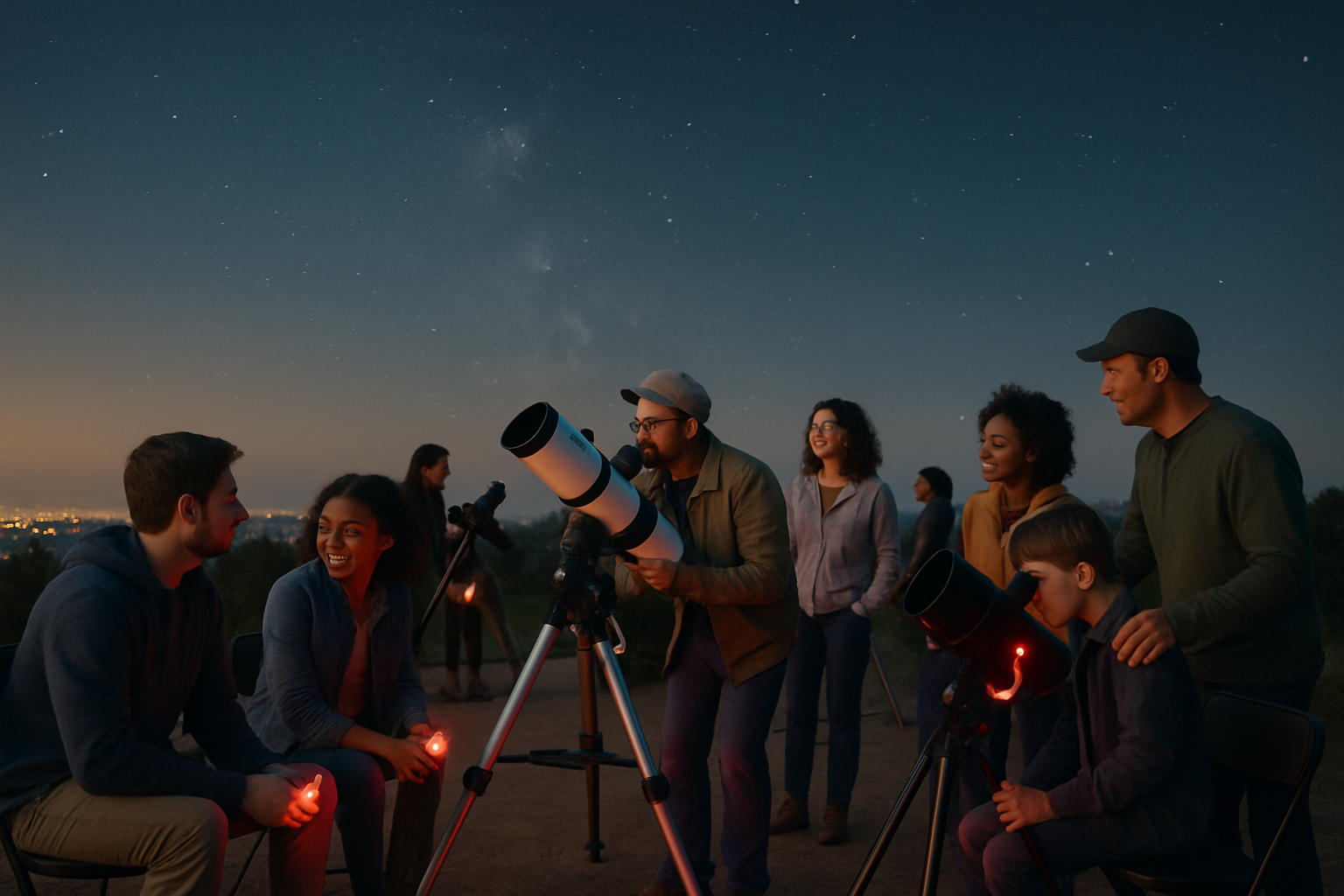
Why Tonight Is Still the Right Headline
The temptation with asteroid coverage is to make the headline all about danger or all about the exact flyby instant. Neither is the useful frame here.
The better frame is this:
- the asteroid already made its closest safe pass this morning
- the second livestream still gives people a same-day entry point tonight
- the evening brightness and tracking window still give telescope users something real to do
That is why this remains a good beginner-friendly story after closest approach. It still teaches something tangible about how near-Earth objects are followed in practice. It still gives small-telescope observers a reason to go outside. And it still works as a same-evening community hook for people who want a sky plan with other enthusiasts instead of another passive space headline.
If you want more people in your orbit who will care about an asteroid because it is trackable, not because it is scary, join free on Cosmic Match.
Bottom Line
Asteroid 1997 NC1's exact closest approach already happened at 11:16 UTC on June 27, 2026, but tonight remains the practical live window. The Virtual Telescope Project goes live again at 23:00 UTC, and the asteroid is still relevant for small-telescope observers because it is near magnitude +10 and still moving through a trackable star field.
For Austin and Houston, think 6:00 p.m. CDT livestream, then darker-sky decisions later. For Los Angeles, think 4:00 p.m. PDT livestream, then an evening follow-up if your sky cooperates. If you missed the dawn flyby, you did not miss the useful part.