Where to Go Stargazing Near Austin After the Meteor Shower Peak
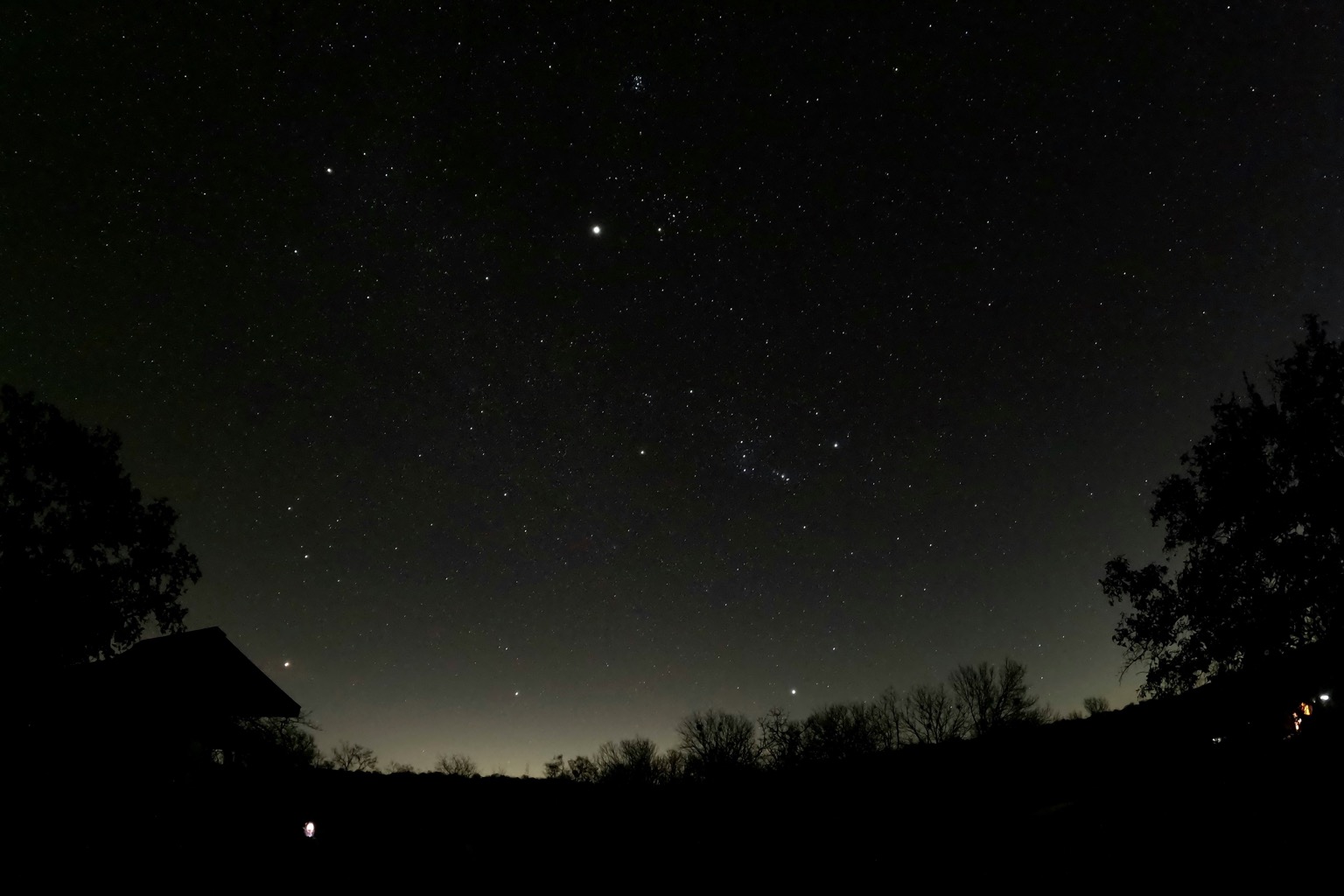
Where to Go Stargazing Near Austin After the Meteor Shower Peak
The Eta Aquariids peak before dawn on May 5-6, but the best part of a meteor shower week is what happens next: people remember that the sky is worth leaving the porch for. If you missed the peak, got clouded out, or saw one bright streak and immediately wanted a better plan, Austin has several low-friction ways to keep going. The trick is not chasing a perfect meteor count. It is choosing darker skies, public star parties, and places where another clear night can turn into a real habit.
NASA notes that the Eta Aquariids come from Halley's Comet debris, move fast enough to leave brief glowing trails, and can reach strong rates under ideal dark skies. In 2026, though, bright moonlight around the peak can wash out fainter meteors. That makes the days after the peak a smart reset: pick a place built for dark-sky viewing, watch the Moon phase, and use the post-shower energy to plan a better night.
If you want the peak-specific timing first, start with our Eta Aquariids Austin viewing guide. Then use this guide for the best stargazing near Austin after meteor shower buzz fades and the normal dark-sky weekends take over.
1. Pedernales Falls State Park for the easiest post-peak star party
For most Austin skywatchers, Pedernales Falls State Park is the easiest first move after a meteor shower. It is close enough for a weeknight or Saturday evening, but far enough west of Austin's light dome to feel meaningfully darker than a neighborhood park.
The Austin Astronomical Society lists Pedernales Falls as one of its partner dark-sky observing fields, with events at the park's Star Theater area. AAS also lists a public star party at Pedernales Falls on May 9, 2026, from 8:30 p.m. to 11:00 p.m., just a few days after the Eta Aquariids peak. That timing is perfect for anyone who got curious during meteor week and wants a guided, social next step.
Why it works after the peak:
- Shorter drive than Enchanted Rock for most Austinites
- Public star-party infrastructure when AAS events are scheduled
- Good next target if the meteor peak was moonlit or cloudy
- Easier setting for first-timers who want telescopes and people to ask questions
Check the park and AAS event pages before going. Star parties depend on weather, and Texas clouds do not care how well you packed.
2. Enchanted Rock when you want the full dark-sky weekend
Enchanted Rock is the classic Central Texas answer for people who ask, "Where should I go when I want the sky to feel huge?" Texas Parks and Wildlife describes its rural sky as one of the best public stargazing places in Central Texas, and the park is designated an International Dark Sky Park. TPWD also lists Enchanted Rock's Bortle rating as 3, which is a major improvement over urban Austin.
AAS lists an Enchanted Rock public star party on May 23, 2026, from 8:30 p.m. to 10:30 p.m. That is far enough after the Eta Aquariids peak to make this feel less like chasing leftovers and more like turning meteor-shower curiosity into a real dark-sky outing.
Best for:
- Weekend stargazing trips
- Milky Way planning near darker moon phases
- People who want a dramatic landscape with their sky
- Visitors who can reserve ahead and arrive before sunset
Enchanted Rock can fill quickly, especially around good weather and dark Moon windows. Reserve early, protect your night vision with red light, and check current park alerts before you drive.
3. Inks Lake State Park for a relaxed Hill Country sky night
Inks Lake is a strong middle-ground option northwest of Austin. AAS partners with Inks Lake for public and member observing nights, and its observing field has practical advantages: parking, restrooms nearby, and a dark enough setting to make telescope time feel rewarding without turning the evening into a major expedition.
AAS describes good nights at Inks Lake as around Bortle 4.5. That is not West Texas dark, but it is a real upgrade from Austin's brighter neighborhoods. It is also less intimidating for someone trying their first organized sky event.
Best for:
- Casual groups
- First telescope nights
- Skywatchers who want Hill Country darkness without a remote feel
- Pairing stargazing with a simple overnight stay
If your meteor-shower attempt was mostly a backyard experiment, Inks Lake is a good next rung on the ladder.
4. Reimers Observatory for a structured telescope night close to Austin
Milton Reimers Ranch Park, southwest of Austin, is not the darkest place on this list, but it has one major advantage: Reimers Observatory offers structured astronomy programming close to the city. For people who came out of meteor week thinking, "I need someone to explain what I am looking at," an observatory night can be more useful than a solo dark-field trip.
Use this option when you want a guided session, a shorter drive, and a better chance of learning the sky instead of only admiring it. Check the Travis County Parks reservation page before making plans because observatory sessions can be limited and schedule-dependent.
5. Pflugerville 1849 Park when the goal is community, not perfect darkness
Not every post-meteor-shower outing has to be a dark-sky pilgrimage. AAS lists first-Friday public star parties at Pflugerville's 1849 Park during much of the year. The May 1 listing was canceled, but later 2026 dates remain on the calendar.
1849 Park is a good reminder that astronomy community does not only happen under pristine skies. Sometimes the most important step is showing up, looking through someone else's telescope, learning a constellation, and finding people who also think a clear night is a reason to leave the house.
Best for:
- Beginners
- Families and casual skywatchers
- Meeting local astronomy people
- Nights when you want less driving and more conversation
How to pick the right Austin stargazing spot after a meteor shower
Use this simple filter.
If you want the easiest serious next step: choose Pedernales Falls, especially near an AAS public star party.
If you want the darkest public-sky feel near Austin: choose Enchanted Rock and plan ahead.
If you want a relaxed Hill Country outing: choose Inks Lake.
If you want guided telescope learning: check Reimers Observatory.
If you want astronomy community with minimal friction: watch the AAS calendar for 1849 Park.
For a broader location list, keep our guide to the best stargazing spots near Austin, TX handy. For city-specific connection, you can also meet Austin stargazing enthusiasts on Cosmic Match or join free at cosmicmatch.io before your next dark-sky weekend.
What to bring when the meteor peak is over
After a meteor shower, the gear list changes. You are no longer optimizing only for wide-sky watching. You are setting yourself up for a normal observing night.
Bring:
- A reclining chair or blanket
- A red flashlight or red headlamp
- Layers, even in spring
- Water and a quiet snack
- A printed or saved sky chart
- Binoculars for the Moon, bright clusters, or casual scanning
- A phone kept dim and mostly away
Leave bright lanterns, white flashlights, and loud music at home. At public star parties, ask before touching equipment and avoid walking in front of telescopes while someone is observing.
The better post-peak plan
Meteor showers are excellent invitations, but they are not the whole sky. The Eta Aquariids can pull Austin outside before dawn, then Pedernales Falls, Enchanted Rock, Inks Lake, Reimers Observatory, and 1849 Park can keep the momentum going.
That is the real win after a meteor shower peak: not whether you saw five meteors or fifteen, but whether you found a place, a routine, and maybe a few people who make the next clear night easier to say yes to.