The Eta Aquariids Peak Before Dawn: Where Austin Should Look Tonight
The Eta Aquariids Peak Before Dawn: Where Austin Should Look Tonight
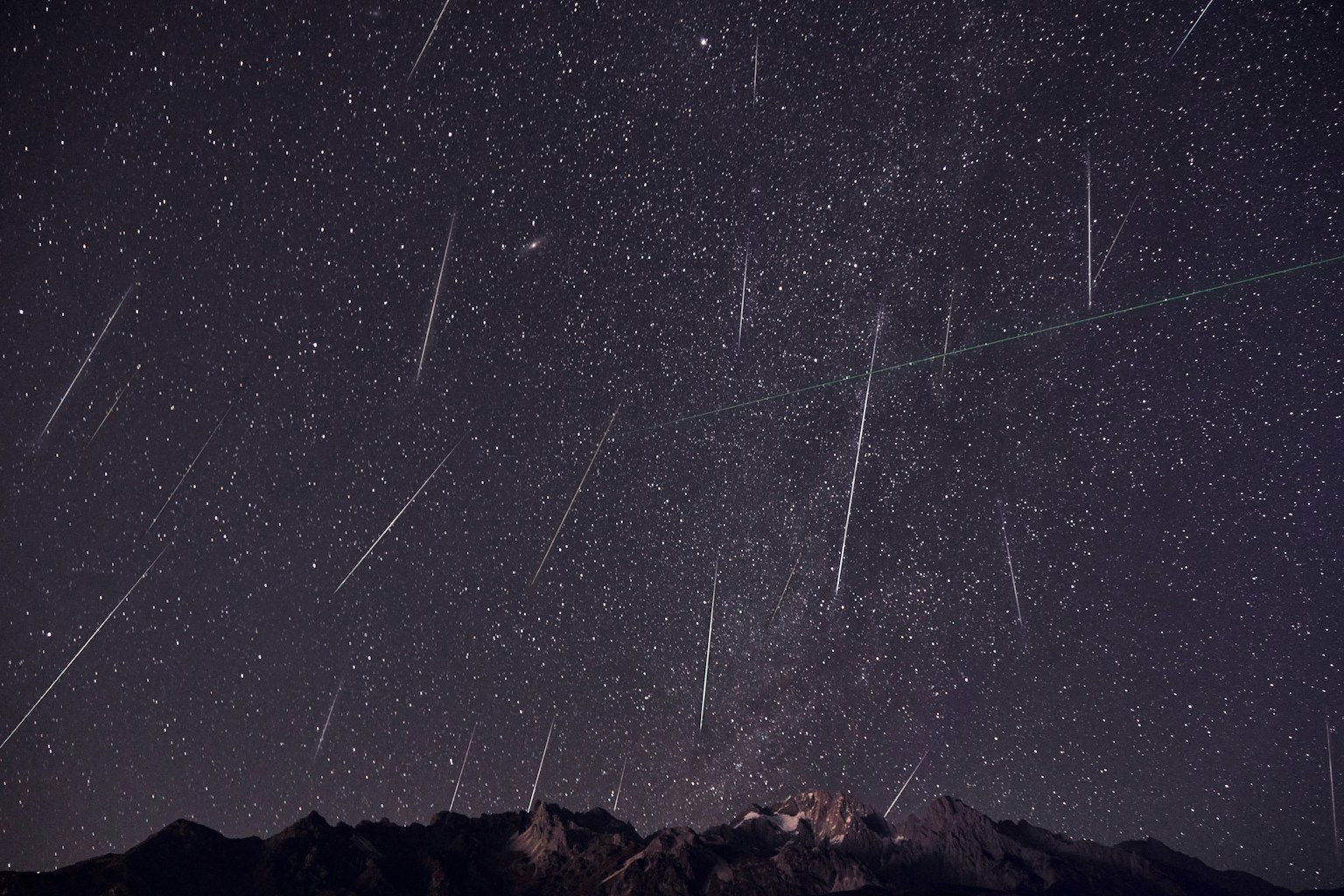
Austin gets one of its better meteor chances of spring before sunrise on Tuesday, May 5 and Wednesday, May 6. The catch is classic meteor-shower fine print: you need an early alarm, a view toward the eastern sky, and realistic expectations because the Moon is still bright after the May 1 full moon. The reward is worth it. The Eta Aquariids are fast meteors from Halley's Comet debris, and the best ones can leave brief glowing trails that hang in the sky for a moment.
This is the Cosmic Match Eta Aquariids 2026 Austin viewing guide: when to step outside, where to face, how far from the city to go, and how to make the morning feel less like a sleep-deprivation experiment.
The quick answer for Austin
NASA lists May 5 and May 6 as the best time to see the Eta Aquariids in 2026, with viewing in the hours before dawn and a general look toward the eastern sky. The shower appears to radiate from Aquarius, which is why it carries the Eta Aquariid name, but you do not need to stare directly at Aquarius. Meteors can streak across a wide portion of the sky.
For Austin, the simplest plan is:
- Best mornings: Tuesday, May 5 and Wednesday, May 6, 2026
- Best window: roughly 4:00 a.m. until the sky starts brightening
- Direction: face generally east or southeast, then scan the darker open sky around it
- What to expect: fewer faint meteors than a perfect dark-sky year because moonlight will wash some out
- Gear: no telescope, no binoculars, just a reclining chair, layers, water, and patience
If you can only try once, pick the morning with the clearest local forecast. Meteors do not care about your calendar, but clouds very much do.
Why the Moon matters this year
The Eta Aquariids can be excellent under dark skies. NASA notes that the shower can produce up to about 50 meteors per hour at peak under ideal conditions, but Austin should not plan around that number. Ideal means dark, clear, low-horizon skies without strong moonlight or city glow.
This year, the Moon is the main complication. Austin had a full moon on May 1, and Timeanddate lists the next third quarter for May 9, so the peak mornings fall under a bright waning gibbous Moon. NASA specifically cautions that bright moonlight may wash out some fainter meteors in 2026.
That does not mean skip it. It means optimize for the meteors that can punch through: find a darker site, shield your eyes from direct moonlight when you can, and give yourself enough time outside for your eyes to settle.
Where to look from Austin
NASA says to look generally toward the eastern sky before dawn. From Austin, that means you want an eastern horizon that is not blocked by apartments, trees, parking garages, or the nearest aggressively lit gas station.
If you are watching from a backyard, balcony, or neighborhood park, use buildings or trees to block streetlights while keeping as much eastern sky open as possible. Do not worry about finding Aquarius precisely. A meteor shower radiant is the apparent origin point, not a target you have to center like a telescope object.
For a stronger attempt, leave the brightest part of the city. Our guide to the best stargazing spots near Austin has broader dark-sky ideas, but for a pre-dawn meteor watch you mainly want three things: legal access, low eastern obstructions, and a place where you can sit still safely for an hour.
Good Austin-area strategy:
- Inside the city: choose open eastern views and avoid direct lights; manage expectations.
- West or southwest Hill Country: darker skies help, but check that your eastern horizon is not blocked by terrain.
- North or east of town: often easier eastern horizons, though light pollution still varies by site.
- State parks and preserves: verify hours before you drive; not every scenic place is open before dawn.
If you want a broader year-round plan, keep our Austin astronomy events calendar for 2026 handy. The Eta Aquariids are just one stop in a very busy sky year.
A simple pre-dawn plan
Meteor watching is mostly about removing friction. The less you have to decide at 3:45 a.m., the better.
The night before: check the hour-by-hour cloud forecast, pick your site, pack a chair or blanket, and set out warm layers. Spring mornings can feel cooler than expected when you are sitting still.
Around 3:45 a.m.: get moving. If you are driving, give yourself enough time to arrive without rushing. Do not arrive at a dark site with headlights sweeping across other observers if you can avoid it.
Around 4:15 a.m.: settle in, face east or southeast, and put your phone away. Your eyes need about 20 to 30 minutes to adapt, and one bright screen check can undo a lot of that work.
Until dawn: scan broadly. You are not hunting one tiny object. Relax your gaze, watch the darker parts of the sky, and count only what you actually see. If the Moon is bright in your line of sight, turn slightly so a tree, car, or hill blocks it while you still have a wide sky view.
Make it quiet, simple, and low-pressure. A meteor shower with moonlight is not a guaranteed fireworks show. It is a chance to catch fast pieces of Halley's Comet burning up over Central Texas before most of Austin has made coffee.
Do you need a telescope?
No. Telescopes and binoculars narrow your field of view, which is the opposite of what you want for meteors. The best meteor-shower setup is almost comically low-tech: your eyes, a dark sky, and a comfortable position that lets you look up without neck strain.
A red flashlight helps if you need to move around. A thermos helps morale. A camera can be fun if you already know how to run long exposures, but do not spend the whole peak staring at settings. If you are new to night-sky shooting, start with our beginner astrophotography camera guide for a less frantic night.
Make it a shared sky morning
The best part of meteor showers is that they are naturally communal. You can watch with friends, bring someone who has never seen a shower, or compare notes afterward with other Austin skywatchers. Just keep the etiquette clean: dim lights, quiet voices at dark sites, and no surprise flash photography.
If your usual crew is not built for a 4 a.m. astronomy mission, you can meet Austin space and stargazing enthusiasts on Cosmic Match. The whole point is finding people who understand why a pre-dawn meteor watch sounds fun instead of absurd. You can also join free at cosmicmatch.io and start with the simplest icebreaker of the week: "Are you trying for the Eta Aquariids on May 5 or May 6?"
Bottom line
For Austin, the Eta Aquariids are worth a pre-dawn attempt on May 5 or May 6, especially if skies are clear and you can get away from the brightest city lights. Look generally east before dawn, give your eyes time, and expect moonlight to reduce the faint meteor count. The bright ones are still possible, and those are the ones you will remember.
After the peak: If the Eta Aquariids got you excited for another dark-sky outing, use our guide to where to go stargazing near Austin after the meteor shower peak for public star parties, Hill Country parks, and easy next-step observing spots. If you missed the peak entirely, our late-May Eta Aquariids follow-up guide covers the darker post-peak mornings that stay active through May 28.