The Eta Aquariids Aren't Over Yet: How to Catch Late May Meteors After the Peak
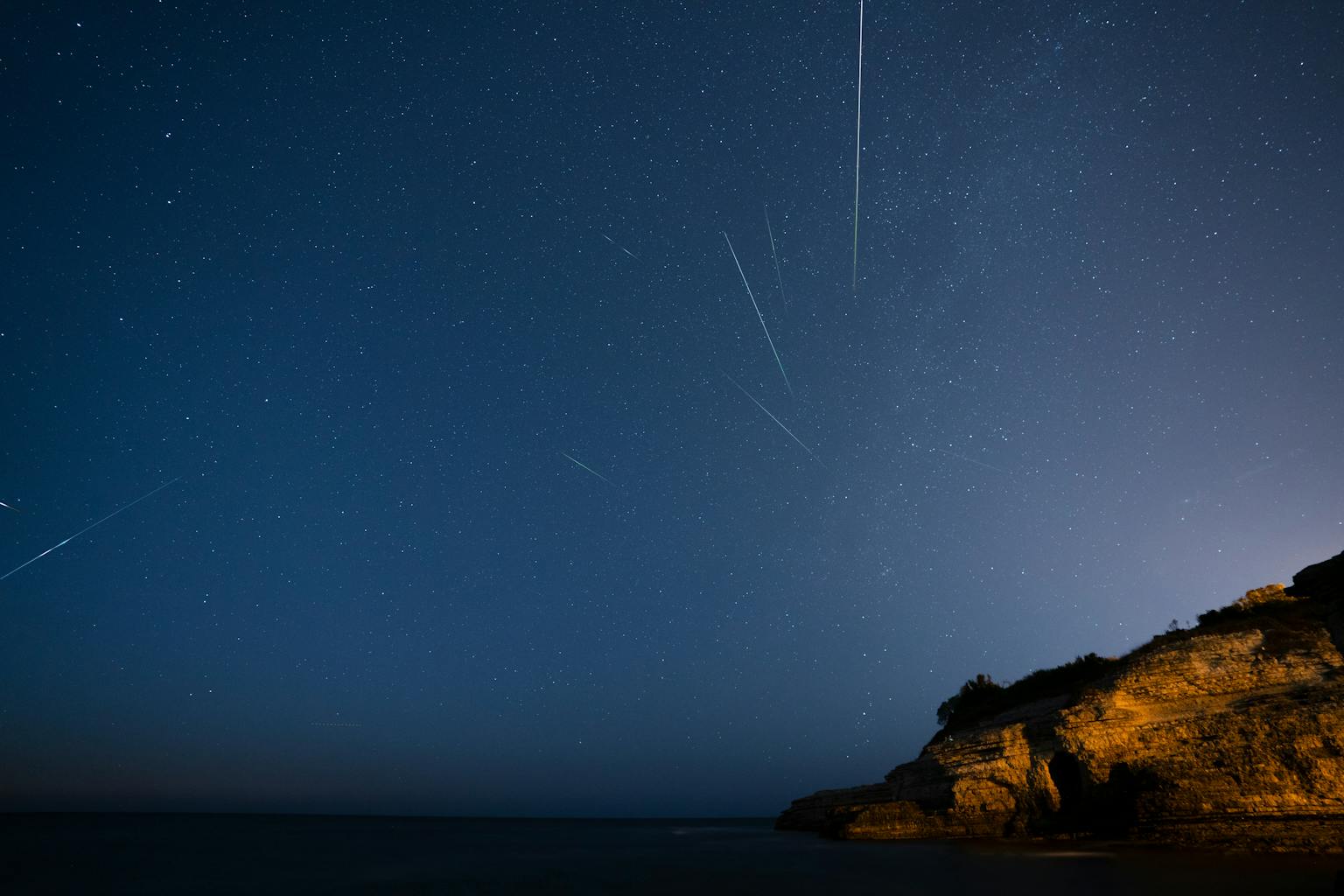
If you missed the Eta Aquariids peak earlier in May, the shower is not finished with you yet. The Eta Aquariids stay active through May 28, 2026, and the late-May mornings come with one practical advantage the peak did not: the bright Full Moon interference is gone. That does not mean the shower suddenly turns into a peak-night fireworks show. It means patient early risers in Austin, Houston, and Los Angeles still have a cleaner, darker window for catching the brighter leftovers from Halley's Comet before dawn.
Time and Date's May 2026 sky guides still list the Eta Aquariids as active through May 28, with the best viewing in the hours before dawn. NASA's May 2026 skywatching guide also notes that the peak suffered from bright moonlight washing out fainter meteors. By May 22, that part of the problem has changed: the Moon is now setting well before dawn in all three launch cities, which leaves a darker pre-sunrise stretch for anyone willing to get outside early.
If you want the peak-night version first, start with our original Eta Aquariids Austin viewing guide. If you want a darker-site backup plan after the city sky wears you down, our guide to stargazing near Austin after the meteor shower peak is the next stop.
The quick answer
- Yes, the Eta Aquariids are still active on May 22 and remain active through May 28, 2026.
- Your best window is still the last 1.5 to 2 hours before dawn.
- Late May is not as productive as the peak, but it offers darker skies than the moonlit May 5-6 peak mornings.
- The shower still favors southern observers, so Austin, Houston, and Los Angeles are better positioned than many farther-north cities.
- You do not need a telescope. A reclining chair, darker site, and open eastern sky matter more.
Why the late-May window is still worth trying
The phrase “post-peak” makes a meteor shower sound finished, but showers do not switch off overnight. Time and Date's 2026 Eta Aquariids guide says the shower is active from about April 19 to May 28, even though peak activity centered on the early hours of May 5-6. That means the rate is lower now, but not zero.
What changed in your favor is the Moon. NASA flagged the peak as compromised by bright moonlight that washed out many of the faint meteors. In late May, the Moon is no longer hanging in the pre-dawn sky for most of the viewing window. For practical backyard observers, that means fewer total meteors than the peak, but often better contrast for the brighter ones that remain.
If your real goal is not maximum hourly counts but a realistic chance to catch a handful of clean, fast meteors under darker skies, late May is still a usable target.
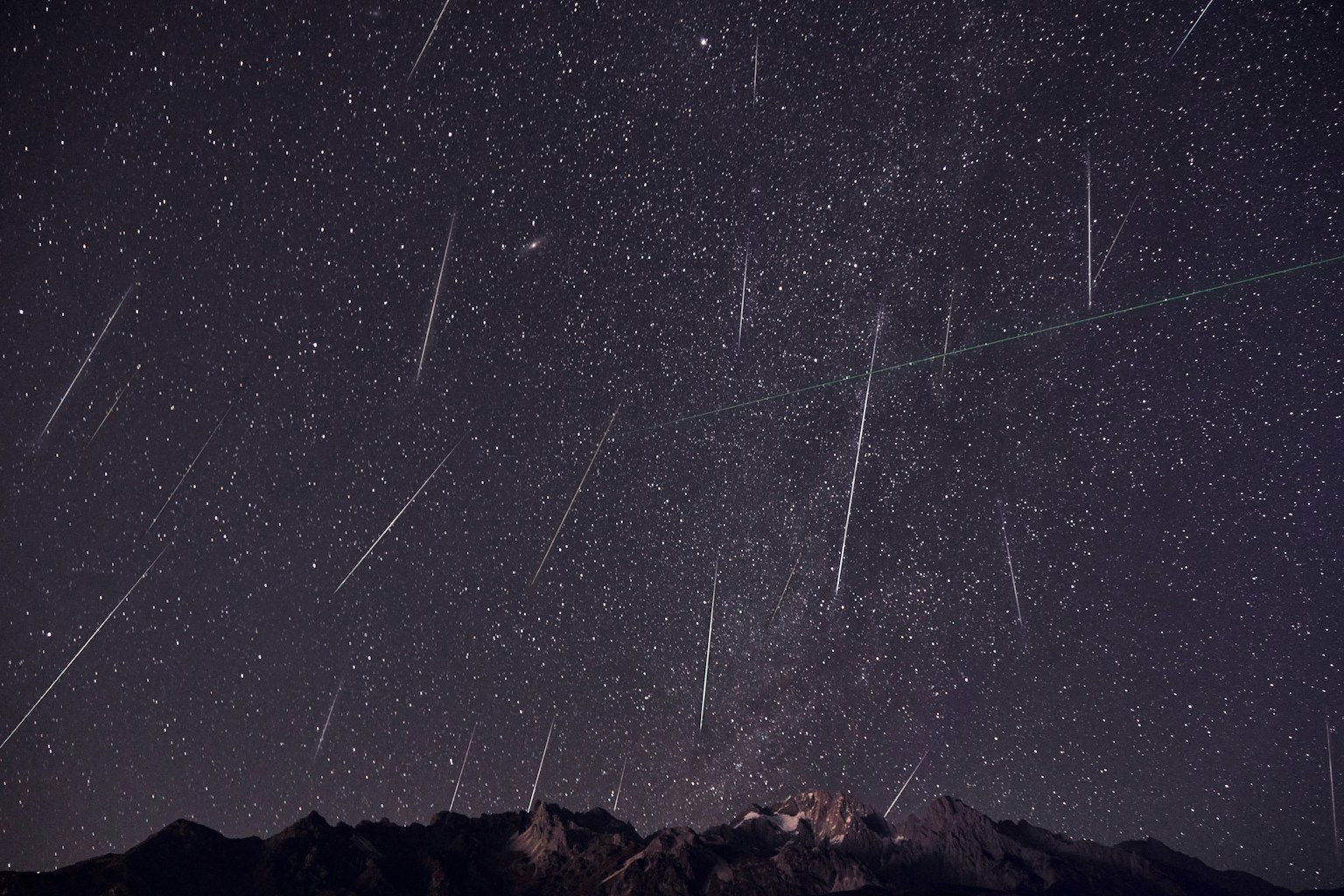
Austin, Houston, and Los Angeles: what changed by May 22
For a late-May meteor attempt, the useful question is not “is the shower at peak?” It is “how dark is the sky before sunrise?”
Time and Date's current May 22 city tables show a cleaner moon-free stretch before dawn in all three launch markets:
| City | Moonset on May 22 | Sunrise on May 22 | Practical meteor window |
|---|---|---|---|
| Austin | 1:29 a.m. CDT | 6:33 a.m. CDT | about 4:15-6:00 a.m. CDT |
| Houston | 1:19 a.m. CDT | 6:24 a.m. CDT | about 4:05-5:50 a.m. CDT |
| Los Angeles | 1:00 a.m. PDT | 5:46 a.m. PDT | about 3:45-5:20 a.m. PDT |
Those windows are not magic cutoffs. They are the part of the morning when the radiant is higher, the sky is still dark, and the Moon is no longer the main problem.
That is the real late-May pitch: fewer meteors than the peak, but a better background sky.
Where to look
Time and Date's 2026 Eta Aquariids guidance says the best time to watch is in the hours before dawn, when your part of Earth is rotating into Halley's debris stream. The radiant is in Aquarius, and the shower generally favors the eastern to southeastern sky before sunrise.
Do not lock your eyes on one exact point. Meteors can flash across a wide area of sky, and some of the better-looking streaks appear away from the radiant, where they trace longer paths.
A simple approach works best:
- Find an open eastern or southeastern horizon.
- Avoid direct lights, especially parking lots and streetlamps in your line of sight.
- Let your eyes settle for 20 to 30 minutes.
- Scan broadly instead of staring at one star field.
If you are watching from a city backyard, use a fence, wall, tree line, or parked car to block nearby glare. If you want company that understands why this counts as a good morning, you can find stargazing-minded people in Austin on Cosmic Match or start from the Cosmic Match homepage and meet people who will actually show up for a pre-dawn skywatch.
What to expect after the peak
This is where most meteor posts get sloppy. Late May is not peak-night behavior with a darker sky layered on top. The shower is fading as the month goes on. The realistic expectation is sporadic success, not sustained bursts.
You are watching for:
- occasional fast meteors
- a better chance of seeing brighter streaks because the Moon is no longer bleaching the sky
- a quieter session with less competition from moonlight and more room for patient observing
This is a good fit for observers who would rather spend 60 to 90 calm minutes outside than gamble everything on one overhyped peak morning.
A simple late-May meteor plan
Keep the plan boring. That is how you actually do it.
- Check cloud cover the night before.
- Pick a site with a cleaner eastern horizon than your default backyard if possible.
- Arrive or step outside about 90 minutes before sunrise.
- Sit down, get comfortable, and stop checking your phone.
- Give the sky time.
A few things matter more than beginners expect:
- Comfort: if your neck hurts after ten minutes, you will quit early.
- Dark adaptation: bright screens are still the dumbest way to ruin a meteor watch.
- Expectations: if you demand peak-level rates on May 22, you will call a decent session a failure.
This is also one of the better moments to bring someone new. The pressure is lower than a heavily promoted peak night, and the sky is darker than it was earlier in the month.
Do you need gear?
No telescope. No binoculars. Meteor showers are a naked-eye event.
Bring:
- a reclining chair or blanket
- one extra layer
- water or coffee
- a red flashlight if you need to move around
If you want to shoot it, our guide on how to photograph the Eta Aquariids even with a bright Moon is still useful for setup discipline, even though the moonlight problem is smaller now. The same basics hold: wide lens, stable tripod, and continuous shooting beat constant camera fiddling.
Why this late-May angle works
Peak-night content gets the clicks, but cleanup-window content is often more useful. A lot of people miss the exact night, get clouded out, or read the guide too late. This post gives them the honest answer: the Eta Aquariids are fading, but they are not done, and the darker-morning setup after the New Moon still makes a patient late-May try worthwhile.
That is especially true in Austin, Houston, and Los Angeles, where the pre-dawn sky is still workable and the Moon is out of the way early enough to leave a real observing window.
If you want the highest possible meteor count, the peak was the better date. If you want a calmer, darker, more forgiving try that still connects you to Halley's Comet debris before the shower shuts down on May 28, this week is still on the table.