Best Astrophotography Camera for Beginners (2026 Guide)
Best Astrophotography Camera for Beginners (2026 Guide)
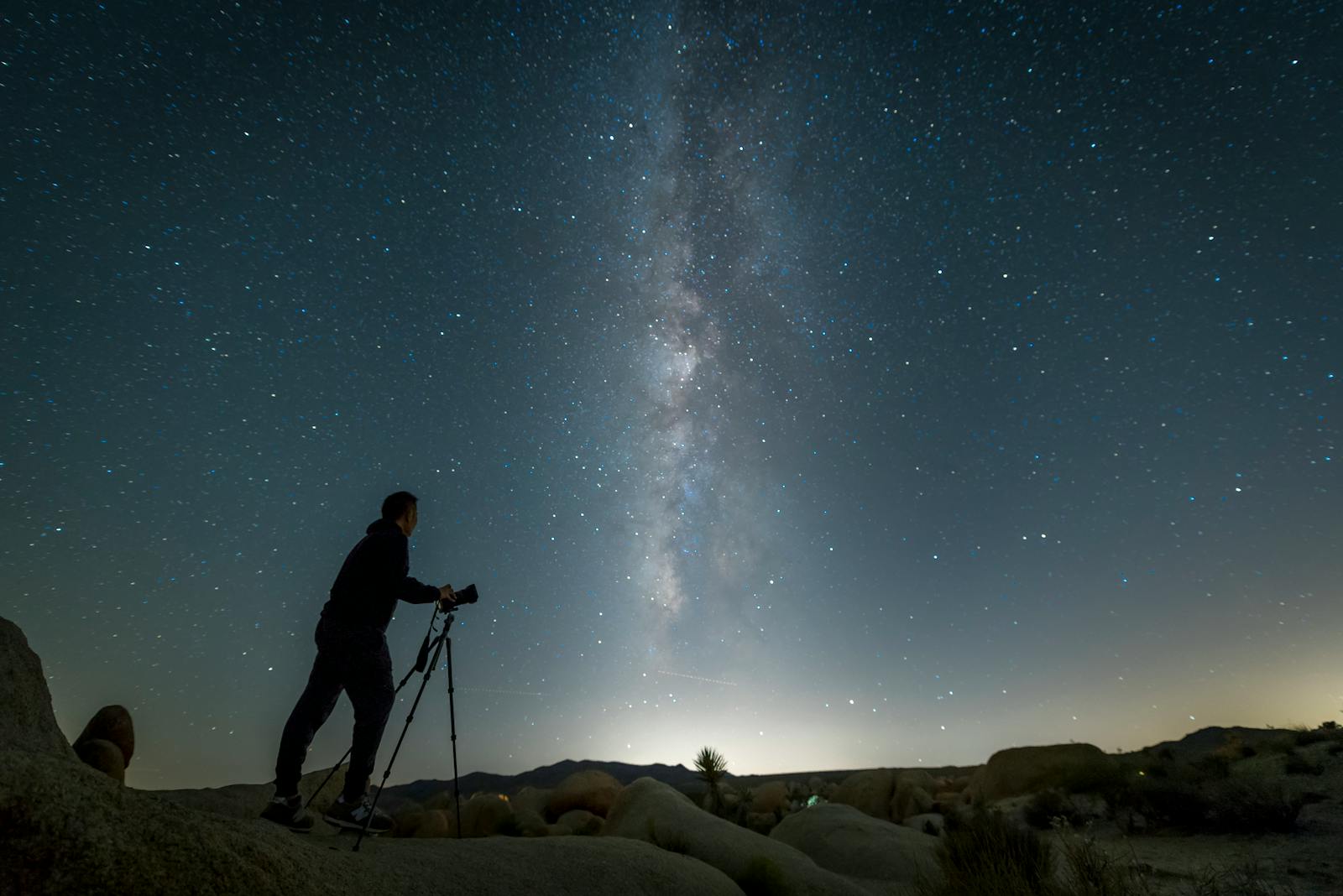
If you've ever stood under a dark sky and thought, I wish I could capture this — you're ready for astrophotography. The night sky is endlessly photogenic, and getting into it doesn't require a NASA budget. You just need the right camera, a bit of patience, and ideally someone who shares your obsession with the cosmos.
This guide cuts through the noise to give you the best cameras for astrophotography beginners in 2026, across every budget tier.
What Makes a Camera Good for Night Sky Photography?
Before we dive into recommendations, here's what actually matters:
Sensor size: Larger sensors capture more light. Full-frame sensors are the gold standard, but APS-C (crop sensor) cameras can produce stunning results at a fraction of the cost.
ISO performance: High ISO lets you use shorter exposure times, which reduces star trailing and blur. You want a camera that handles ISO 3200–6400 without turning your image into a noisy mess.
Long exposure capability: Astrophotography means keeping your shutter open for 15–30 seconds (or much longer for deep-sky work). Your camera needs reliable bulb mode and minimal noise during extended exposures.
Sensor temperature: Cooler sensors produce less noise. Some dedicated astro cameras have active cooling — something to consider if you get serious.
Weather sealing: Optional but nice. You're shooting outside at night, and dew and dust happen.
Entry-Level: $300–500
Sony ZV-E10 II (~$500)
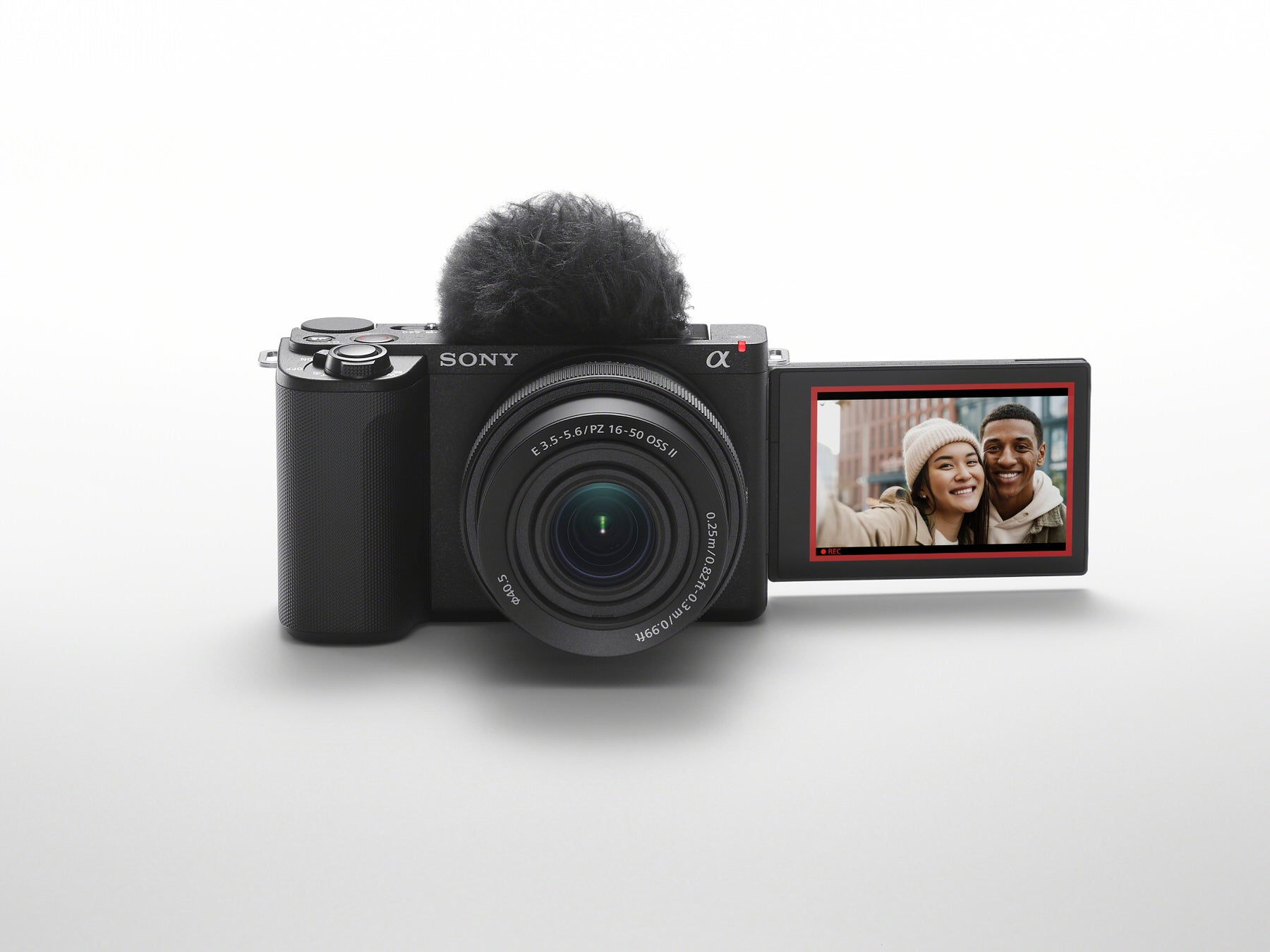 Sony's APS-C entry-level mirrorless punches way above its price. It features a 26MP sensor with solid ISO performance up to 6400 and full-time weather sealing at the entry level — unheard of in this range. The real win: Sony's E-mount lens ecosystem means affordable wide-angle options.
Pros: Compact, great autofocus (for non-astro use), excellent video
Cons: No built-in viewfinder, APS-C sensor
Canon EOS R50 (~$480)
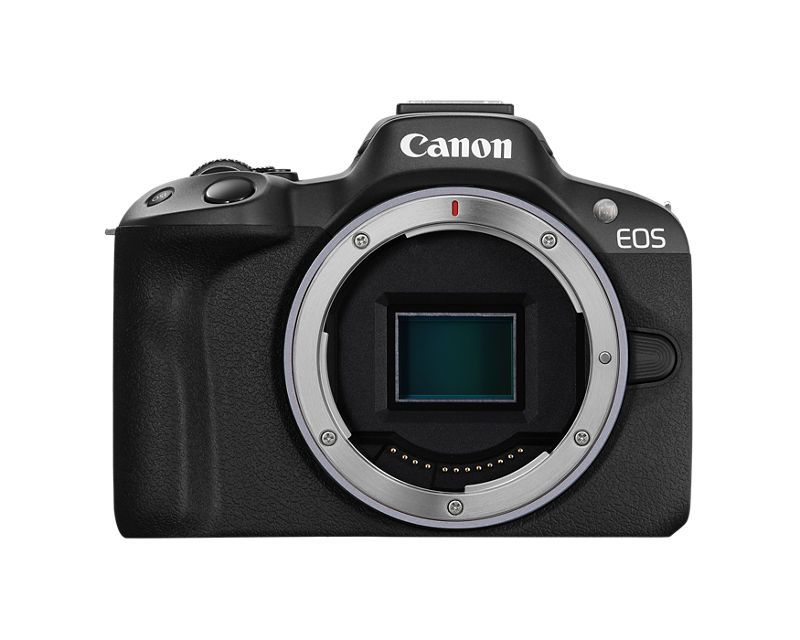 Canon's most accessible mirrorless camera in 2026. The 24MP APS-C sensor performs well in low light, and the RF-S lens mount is growing fast. Great for beginners who might upgrade bodies but keep their lenses.
Pros: Beginner-friendly interface, solid image quality, compact
Cons: Smaller RF-S ecosystem vs. Sony E-mount, no weather sealing
Mid-Range: $500–1,000
Nikon Z50 II (~$750)
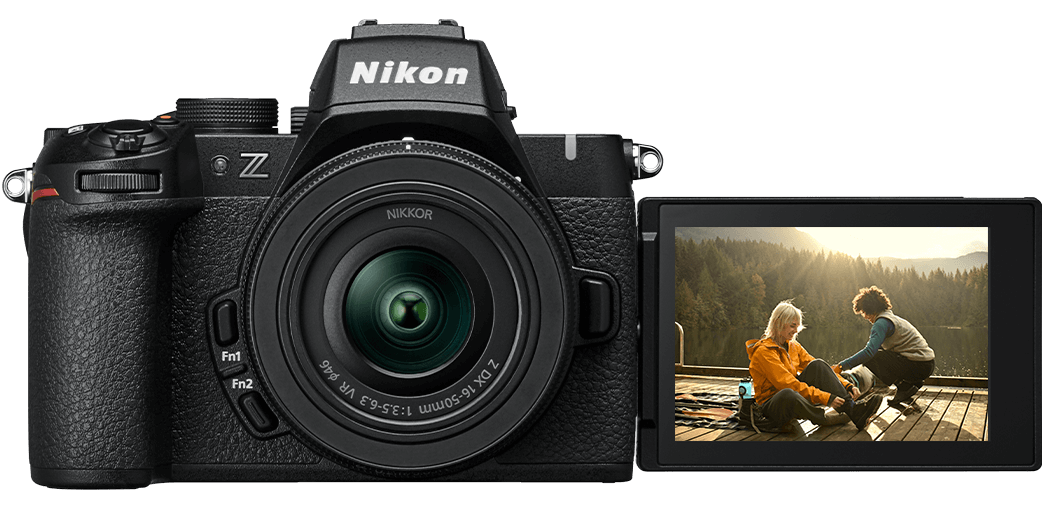 One of the best value APS-C mirrorless cameras for astrophotography right now. The Z50 II features Nikon's excellent 20.9MP BSI sensor with dramatically improved high-ISO noise handling over its predecessor. Its ergonomics are outstanding for long outdoor sessions.
Pros: Excellent noise performance, comfortable grip, great lens selection
Cons: No in-body image stabilization
Sony A6700 (~$900)
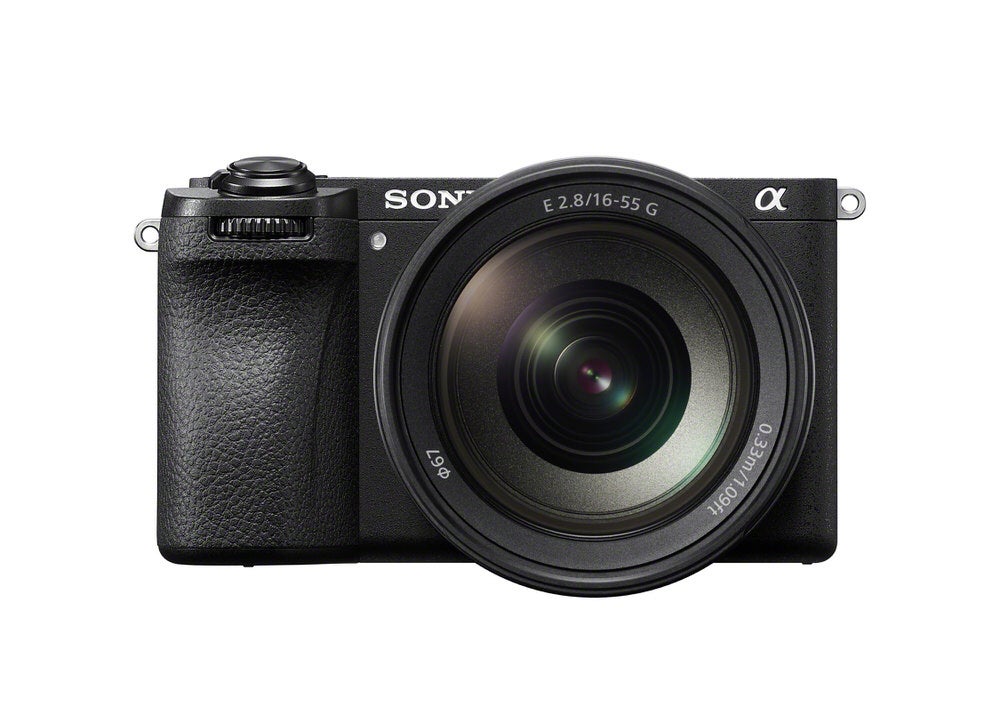 The A6700 is a serious step up. Its 26MP sensor with BSI technology performs nearly on par with some full-frame options. In-body image stabilization (IBIS) is a huge bonus for handheld shots of the moon or planets. The advanced noise reduction processing makes high-ISO results genuinely usable.
Pros: IBIS, best APS-C high-ISO performance, Sony ecosystem
Cons: Smaller grip, gets warm during long sessions
Enthusiast: $1,000–2,000
Sony A7C II (~$1,800)
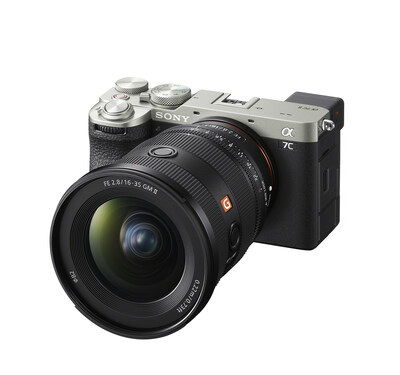 Full-frame, compact, and devastatingly good in low light. The A7C II packs a 33MP full-frame BSI sensor into a body not much bigger than an APS-C camera. At ISO 6400, images are clean and detailed. For Milky Way photography, this camera is transformative.
Pros: Full-frame in a compact package, excellent ISO range, IBIS
Cons: Top-heavy with larger lenses
Nikon Z6 III (~$2,000)
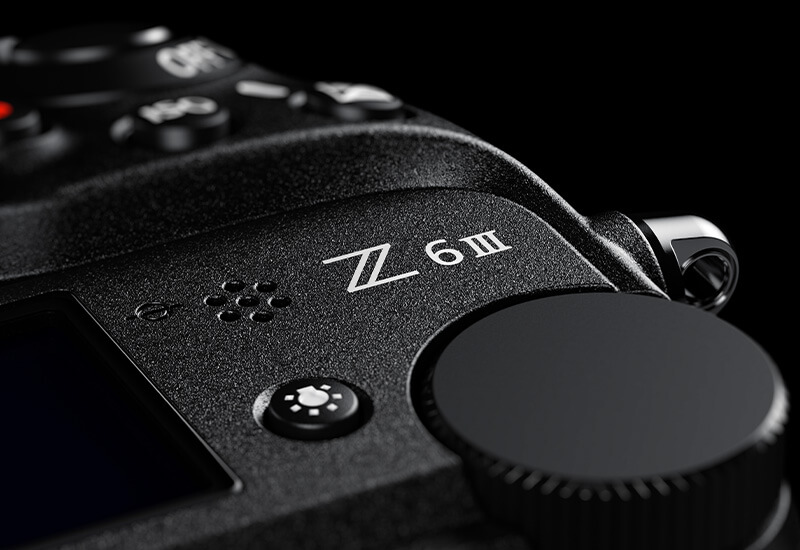 Nikon's Z6 III is the astrophotographer's dream in this price bracket. The partially stacked 24.5MP sensor delivers exceptional readout speed and the best in-class dynamic range at high ISOs. If the Milky Way arch over the Texas Hill Country is what you're chasing, this is your camera.
Pros: Best dynamic range in this tier, weather-sealed, outstanding ergonomics
Cons: Price is at the top of this tier
Smartphone Astrophotography: Better Than You Think
Your phone isn't replacing a dedicated camera for serious astrophotography — but it's remarkable how far smartphones have come.
iPhone 16 Pro: Apple's Photonic Engine and Night mode are genuinely impressive. The Ultra Wide lens at f/2.2 can capture bright stars and even the Milky Way core with a tripod. Astro mode (added in iOS 18) automatically stacks frames for cleaner results.
Google Pixel 9 Pro: Google's computational photography still leads the industry. Astrophotography mode on the Pixel is legitimately stunning — it stacks up to 16 frames automatically and handles noise better than any other smartphone.
Samsung Galaxy S25 Ultra: The 200MP main sensor sounds gimmicky but has real low-light benefits when binned down. Expert RAW mode gives you full manual control for astrophotography sessions.
Smartphones shine brightest (pun intended) for casual shots of the moon, bright planets, and wide Milky Way captures on clear nights. For deep-sky work or detailed planetary imaging, you still want a dedicated camera.
Essential Accessories
Tripod: Non-negotiable. Any decent tripod with a ball head works. Look for one that handles your camera body weight plus a margin — stability is everything for 25-second exposures.
Intervalometer/remote shutter: Prevents camera shake when pressing the shutter. Many newer cameras have built-in intervalometers — check before buying separately.
Wide-angle lens: For Milky Way and wide sky shots, you want something between 14–24mm with a maximum aperture of f/1.8–f/2.8. The Sony FE 20mm f/1.8 G and Sigma 14mm f/1.8 Art are popular choices.
Red headlamp: Preserves your night vision without spoiling your neighbor's exposures.
Dew heater: In humid Texas nights, dew can fog your lens mid-session. A simple dew heater strap solves this.
Astrophotography as a Shared Hobby
One of the most interesting things about astrophotography is how naturally social it becomes. Setting up equipment, waiting for your eyes to adjust, talking in low voices while the shutter is open — it's an activity that builds real connection. It's why so many Cosmic Match users list astrophotography in their profiles.
If you're looking to share the night sky with someone who gets it, that's kind of the whole point of Cosmic Match. And while you're planning your first dark-sky adventure together, check out the best stargazing spots near Austin, TX — many of these locations are perfect for setting up a camera.
The Lyrids meteor shower peaks April 21–22, which is an ideal first astrophotography event. Meteors are bright, fast, and dramatic — and you don't need any special equipment beyond a camera, tripod, and wide lens. Pair that with our stargazing date ideas in Texas and you've got a genuinely unforgettable first date.
For a timely meteor-shower project, see our bright-moon field plan for photographing the Eta Aquariids in 2026, including camera settings, phone settings, and realistic expectations when moonlight washes out faint streaks.
Quick Picks at a Glance
| Budget | Camera | Why |
|---|---|---|
| Under $500 | Sony ZV-E10 II | Best entry-level low-light sensor |
| $500–$1,000 | Sony A6700 | APS-C near-full-frame performance |
| $1,000–$2,000 | Nikon Z6 III | Full-frame excellence, weather-sealed |
| Smartphone | Google Pixel 9 Pro | Best computational astrophotography |
Start Shooting
The best astrophotography camera for beginners is the one you'll actually take outside. Start with what you have, learn the fundamentals — ISO, aperture, shutter speed, tracking — and upgrade when your skills outgrow your gear.
The night sky isn't going anywhere. And if you want someone beside you when you finally nail that Milky Way shot, Cosmic Match is where space enthusiasts find each other.
Check the 2026 astronomy events calendar for Austin to plan your first shoot around something spectacular.
Clear skies.