June Bootids 2026: Is This Weekend's Meteor Shower Worth Watching?
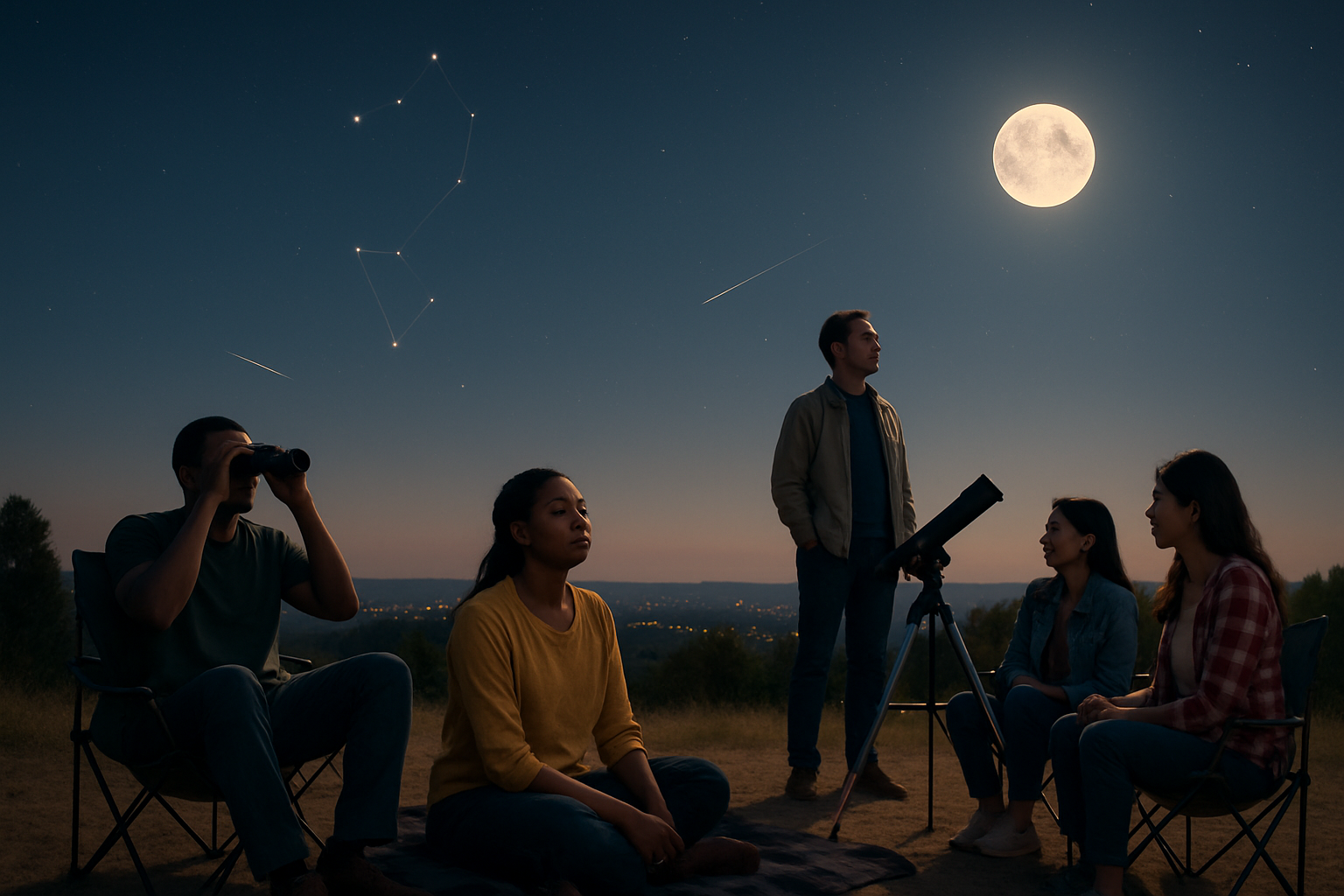
If you were hoping the June Bootids would behave like the Perseids this weekend, lower the bar now. The honest 2026 answer is that the June Bootids are active, interesting, and just unpredictable enough to justify a look, but they are not lining up as a can’t-miss meteor night for most readers in Austin, Houston, or Los Angeles.
Current 2026 meteor calendars are not perfectly aligned on the exact annual maximum. The American Meteor Society puts the strongest activity around June 20, while the International Meteor Organization’s 2026 meteor calendar places a weak annual maximum at June 22, 01:00 UT and says there are no published predictions for unusual activity this year. In plain English: by the June 26-27, 2026 weekend, you should treat the Bootids as a low-expectation bonus, not a guaranteed peak.
That does not make the weekend a bad skywatch. It makes it a different kind of skywatch. If you want a dramatic meteor storm, skip it. If you want an easy excuse to spend a warm summer evening outside with other space people, maybe catch one or two unusually slow meteors, and fold in a few brighter naked-eye targets, this weekend can still absolutely work. If you need a general weekend plan first, start with our stargazing roundup for Austin, Houston, and Los Angeles.
| If your goal is... | Weekend verdict |
|---|---|
| A relaxed summer skywatch with a chance of a meteor or two | Worth it |
| A high-count meteor shower | Not really |
| A city-balcony session under bright moonlight | Only if you are already outside |
| A darker-sky outing with friends and low expectations | Best-case use of this weekend |
Why the June Bootids Still Matter
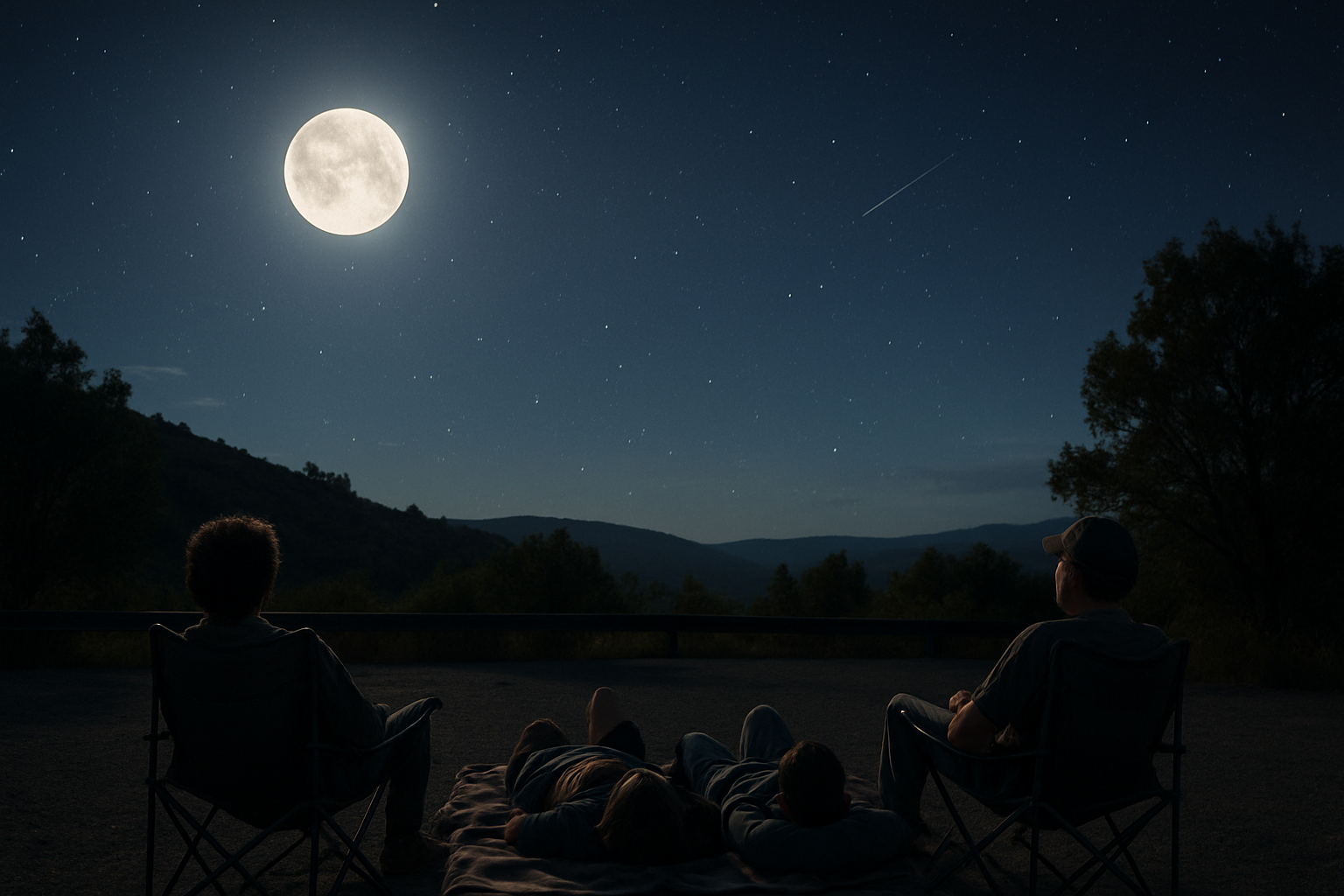
The June Bootids have one trait that keeps astronomers checking them even in weak years: they are wildly inconsistent. Most years, activity is modest or nearly invisible. A few years have produced surprise outbursts, which is why the shower keeps its reputation as a wildcard. That history matters, but it should not be oversold. Nothing in the current 2026 guidance says this weekend is shaping up like one of those famous eruptions.
What the shower does have going for it is personality. June Bootid meteors are slow by meteor-shower standards, which means a bright one can look almost lazy compared with the quick zips people expect from August showers. If you catch one, it can feel more graceful than explosive. That is a good match for a social observing night because you do not need to obsess over rapid-fire counts. You just need a broad patch of sky, a little patience, and the right expectations.
The American Meteor Society also notes that the radiant in Boötes is best placed in the evening sky just as the sky becomes dark. That is a real advantage for beginners and for anyone who does not want a 3 a.m. alarm. This is one of the few meteor watches where “go out after dusk and see what happens” is a more honest plan than “drag yourself out before dawn.”
What the Moon Changes This Weekend
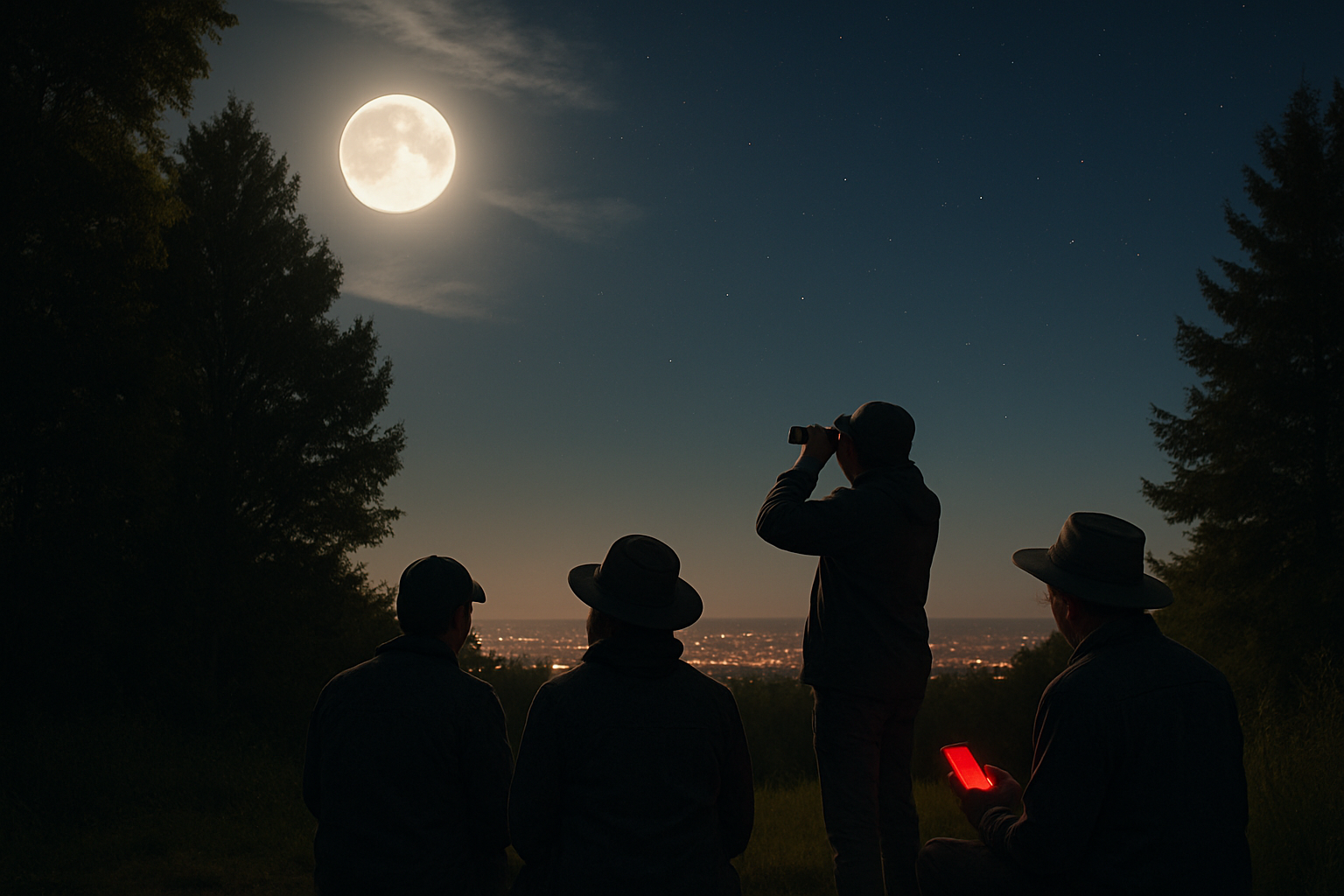
This is the biggest reason not to overpromise. According to timeanddate’s June 2026 Moon guide, the next Full Moon is June 29, 2026, which means the Moon on June 26 and June 27 is a bright waxing gibbous only a couple of nights short of full. That kind of moonlight wipes out the fainter meteors first, exactly the ones a weak shower depends on.
If you live deep inside city glow, the combination is rough. Moonlight plus light pollution means you may spend a lot of time looking up and see nothing at all. That does not mean the shower failed. It means the weaker meteors never had much chance against the bright background sky.
The practical adjustment is simple: make this a whole-sky summer night, not a pure meteor mission. The Moon will also help you find brighter patterns and landmarks, and this same weekend it sits near Antares and Scorpius. If you want a second target so the night still feels successful even if the Bootids underperform, use our Antares and Scorpius weekend guide.
How to Give Yourself the Best Chance
You do not need a telescope for this one. In fact, a telescope is mostly beside the point. Meteor watching works best with your eyes, a reclining chair or blanket, and a view that is as open as possible. The main job is to make the sky darker where you are.
A better June Bootids setup looks like this:
- Pick a spot with a wide view of the sky, not a narrow backyard boxed in by trees and porch lights.
- Let your eyes adjust for at least 20 minutes.
- Keep the bright Moon out of your direct line of sight if you can. A roofline, tree, hat brim, or car can help.
- Spend most of your attention on the darker half of the sky rather than staring near the Moon.
- Plan for at least 45 to 60 minutes outside. Weak showers reward patience more than perfect timing.
For Cosmic Match readers, the best version of this weekend is usually social. Meet other skywatchers in Austin, Houston, or Los Angeles, bring cold drinks and bug spray, and treat any Bootid you catch as a nice bonus rather than the whole point. If you are still building your summer observing list, our June 2026 stargazing calendar is the better anchor post for the month.
So, Is It Worth Watching?
Yes, if your standard is “pleasant, low-pressure night under the sky with a real but modest chance of seeing something.” No, if your standard is “I want a meteor shower that justifies a long drive, lost sleep, and a social post about how the sky exploded.”
That may sound less exciting than a hypey headline, but it is the useful answer. The June Bootids are one of those showers that can reward curiosity without rewarding certainty. In 2026, the honest play is to go out because you want a summer observing night anyway, not because you expect a guaranteed show.
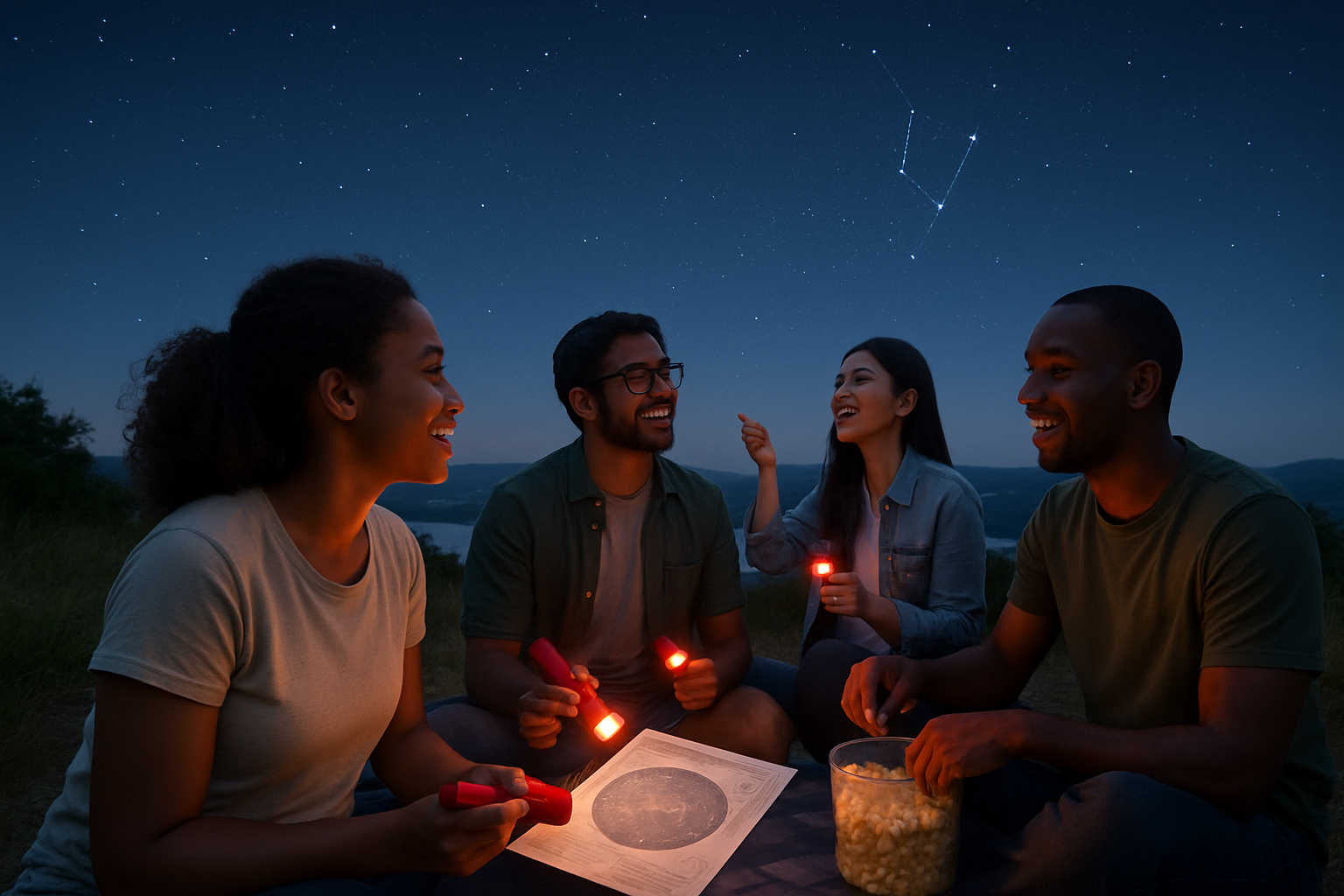
If the forecast is clear, the weekend is still worth a try. Keep the session casual. Give the Moon something else to compete with. Look up early rather than waiting for the middle of the night. And if you want company for the next clear-sky outing, join free at Cosmic Match and find people who will still be excited about a quiet meteor night.