How to See V0488 Sge, the Bright Nova in Sagitta, Tonight
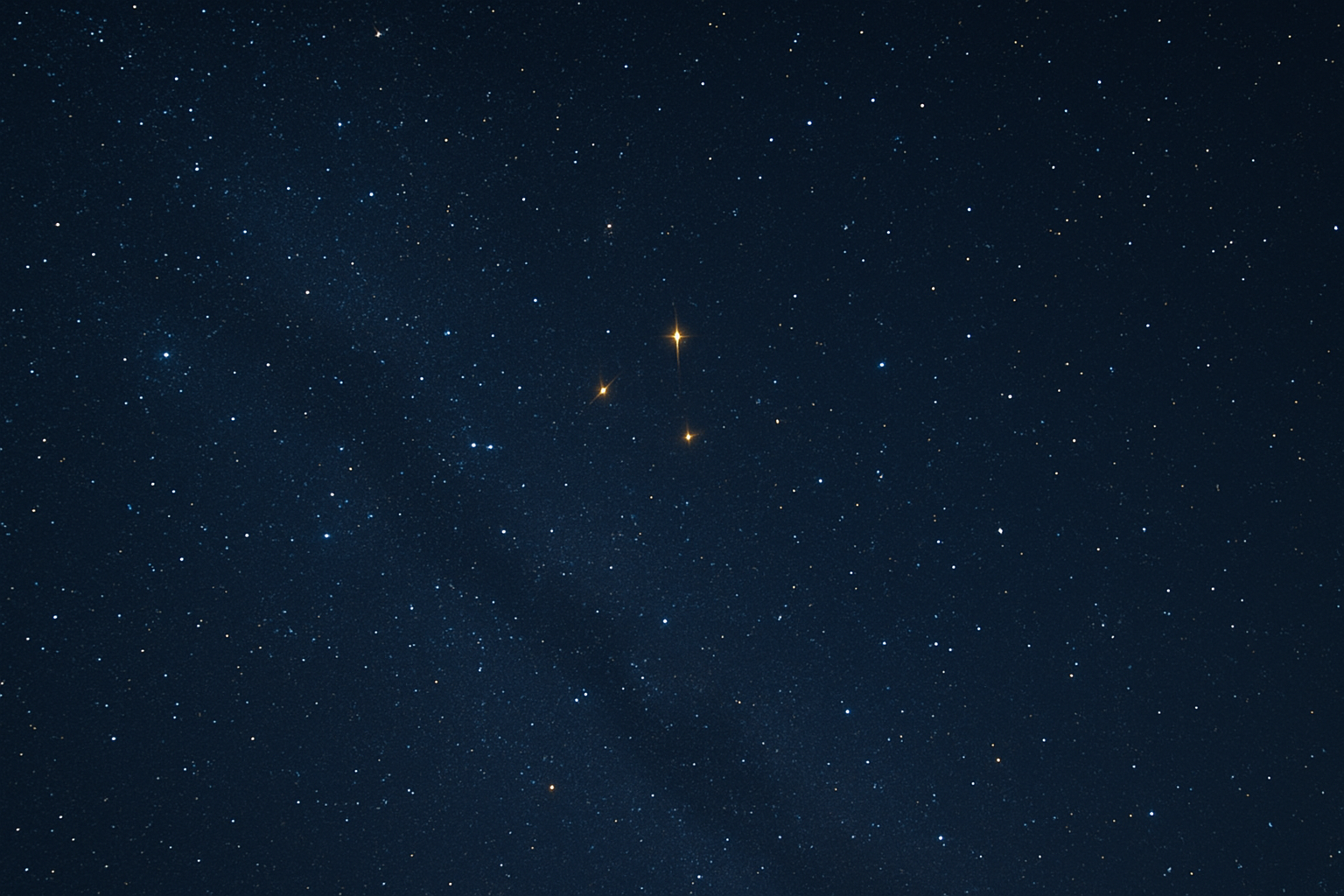
V0488 Sge is a newly confirmed classical nova in Sagitta, and it is still a realistic target for binoculars or a small telescope from Austin, Houston, and Los Angeles tonight. As of August 29, 2026, the latest AAVSO observations span about magnitude 7.9 to 9.0, with observers noting very bright moonlight on one estimate. That means this is not a naked-eye object, and the brightness can change quickly. Use the official coordinates, aim for about 9 p.m. local time, and treat your first view as a patient star-hop rather than a quick glance upward.
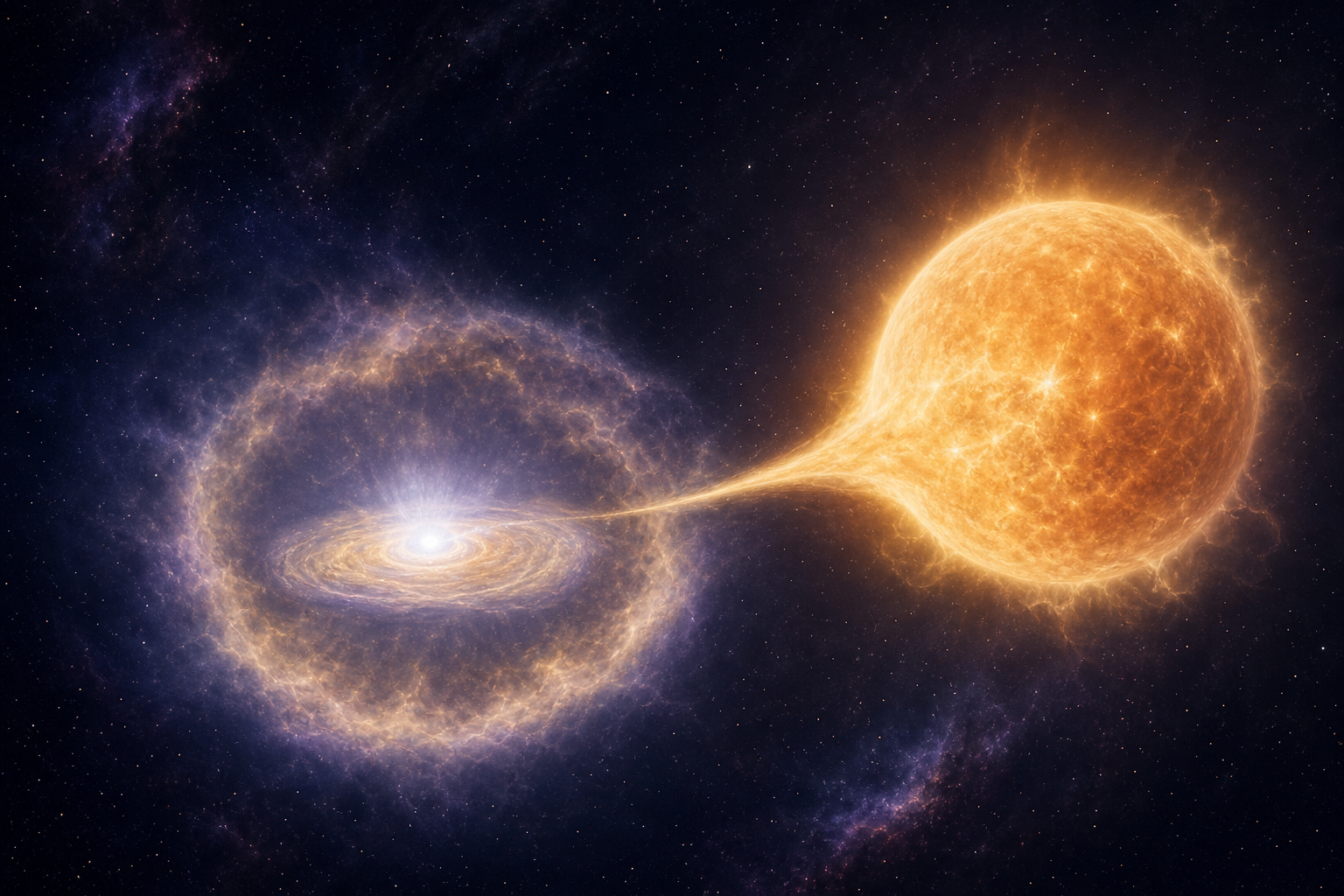
A nova is also not a supernova. In a classical nova, a white dwarf in a binary system gathers material from its companion until a surface thermonuclear runaway makes the system brighten dramatically. The stars survive the event.
Where is V0488 Sge tonight?
The approved AAVSO designation and record are V0488 Sge, a nova in Sagitta. Start with these coordinates from the discovery report:
- RA: 19h 45m 06.49s
- Dec: +18° 22′ 42.1″
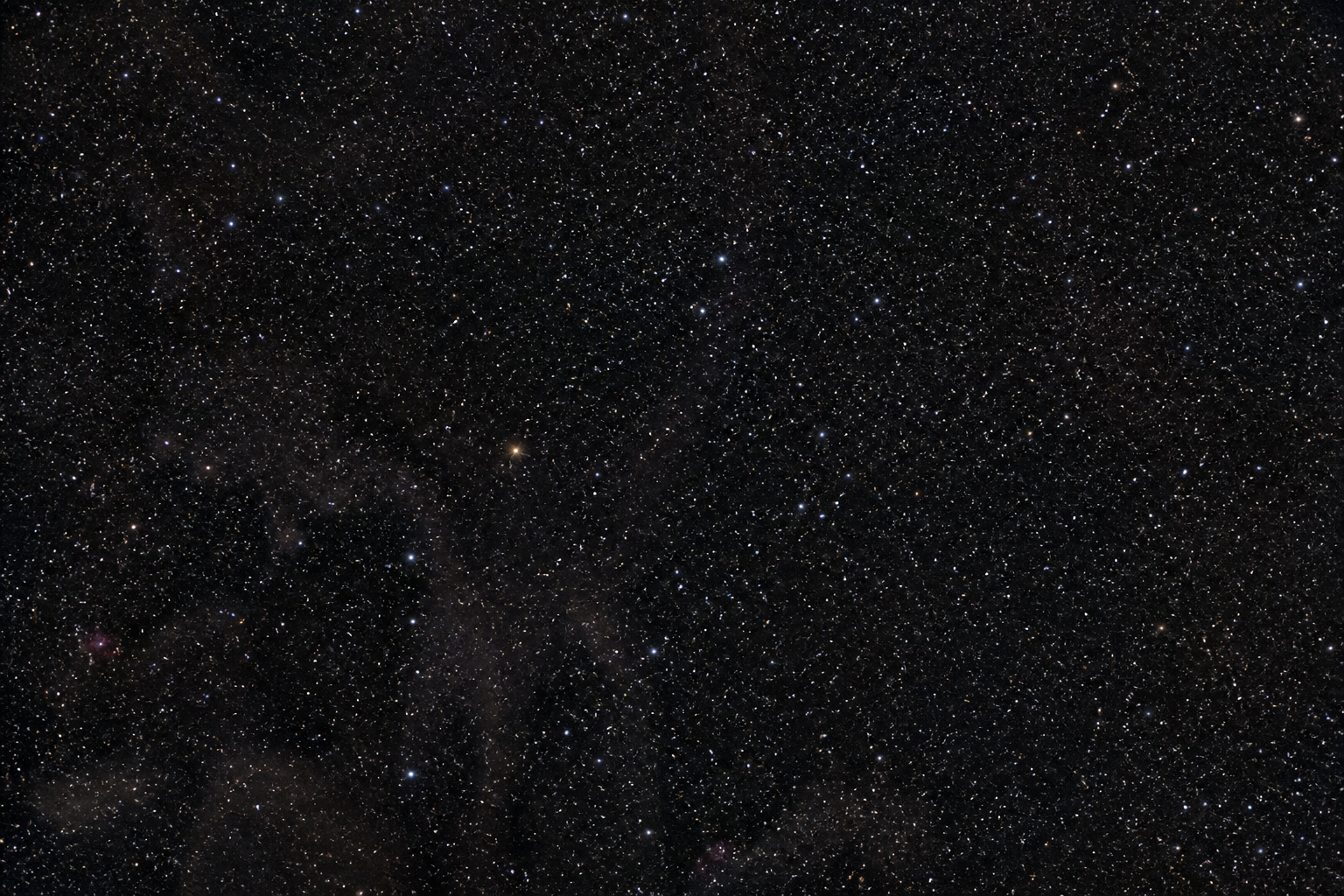
Those numbers are more useful than trying to spot a familiar constellation shape from a bright city. Enter them in a sky app or GoTo mount, then confirm the field against an AAVSO chart. The discovery team reported the object at V = 7.75 on August 25, with follow-up showing it was still brightening; spectroscopy subsequently classified it as an Fe II-type nova. Read the original Astronomer’s Telegram discovery and follow-up for the primary observations.
Can you see V0488 Sge with binoculars?
Possibly, under a transparent sky with steady hands and an accurate finder chart. Magnitude 8 is within reach of large binoculars and small telescopes, but city glow, moonlight, haze, and the observer’s experience matter. A small smart telescope or a 4-inch-class telescope gives you more margin.
Do not treat “magnitude 7.9” as a guarantee. Today’s AAVSO table contains visual estimates of 7.9, 8.5, and 8.7 alongside a V-band measurement of 9.0, illustrating why a timestamped range is more honest than a single magic number. The nova may brighten, fade, or fluctuate.
A 9 p.m. observing plan for Austin, Houston, and Los Angeles
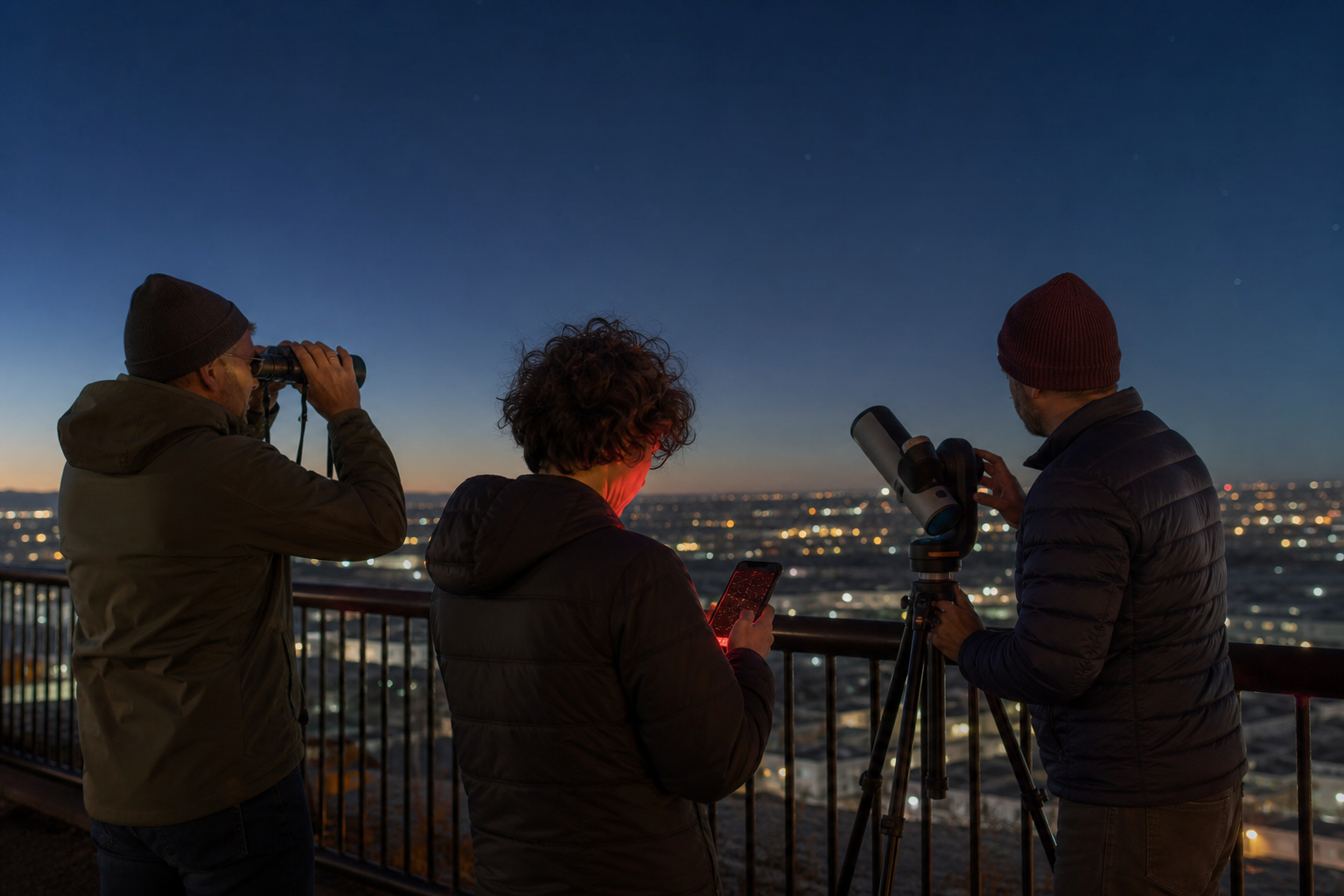
Austin and Houston: Start around 9 p.m. CDT, when Sagitta is well placed in the late-summer evening sky. Choose a safe spot with an open view high overhead and keep porch lights out of your eyes. Use a tripod or brace binoculars against a railing.
Los Angeles: Start around 9 p.m. PDT with the same coordinates. City light does not make the target impossible, but it raises the value of a small telescope, a good chart, and a darker nearby park or overlook where permitted.
For every city, give your eyes ten minutes away from bright phone screens, use red-screen mode in your chart app, and compare the field patiently. If you are new to star-hopping, bring someone who enjoys the process. Find local sky-watchers in Austin or connect with Houston astronomy friends for a better chance of turning a tricky target into a shared win.
What makes this nova scientifically interesting?
V0488 Sge rose from a faint progenitor near magnitude 19 to 21 into the single-digit magnitude range, an outburst of more than ten magnitudes. Its spectra show the signatures astronomers expect near nova maximum, including P Cygni profiles, and an independent team classified it as Fe II-type. That is a compact, real-time astronomy lesson: a faint binary system can suddenly become an observable transient without becoming a stellar death explosion.
The best part is that you do not need to solve the physics before observing. Look for it first. Then, after the session, explore why outflows and expanding shells shape a nova spectrum.
Bring a current-data mindset
Before heading out, open the AAVSO observation page one more time. Record the newest date, magnitude, and filter if one is listed. If clouds or moonlight win, that is still useful information: this target is evolving, and another clear night may show a different brightness.
V0488 Sge is an invitation to practice the most satisfying kind of amateur astronomy: use credible coordinates, respect the limits of your equipment, and let an active object surprise you. Join Cosmic Match free to share your field notes, finder-chart questions, and any successful observation with people who understand why a tiny changing point of light can make an evening.
FAQ
Is V0488 Sge visible to the naked eye?
No naked-eye visibility should be expected. The latest August 29 AAVSO entries span roughly magnitude 7.9 to 9.0, fainter than normal unaided-eye limits and strongly affected by sky conditions.
Is V0488 Sge a supernova?
No. It is a classical nova: a white dwarf binary system that underwent a surface thermonuclear eruption. The system survives, unlike a supernova’s stellar death event.
What equipment gives me the best chance?
Large binoculars under a good sky may work, but a small telescope or smart telescope plus an AAVSO finder chart offers a more reliable search.
Where should I look?
Use RA 19h 45m 06.49s and Dec +18° 22′ 42.1″ in a sky app or telescope, then verify the star field against an AAVSO chart.