Artemis III Crew Announcement: What Actually Changed for the 2027 Mission
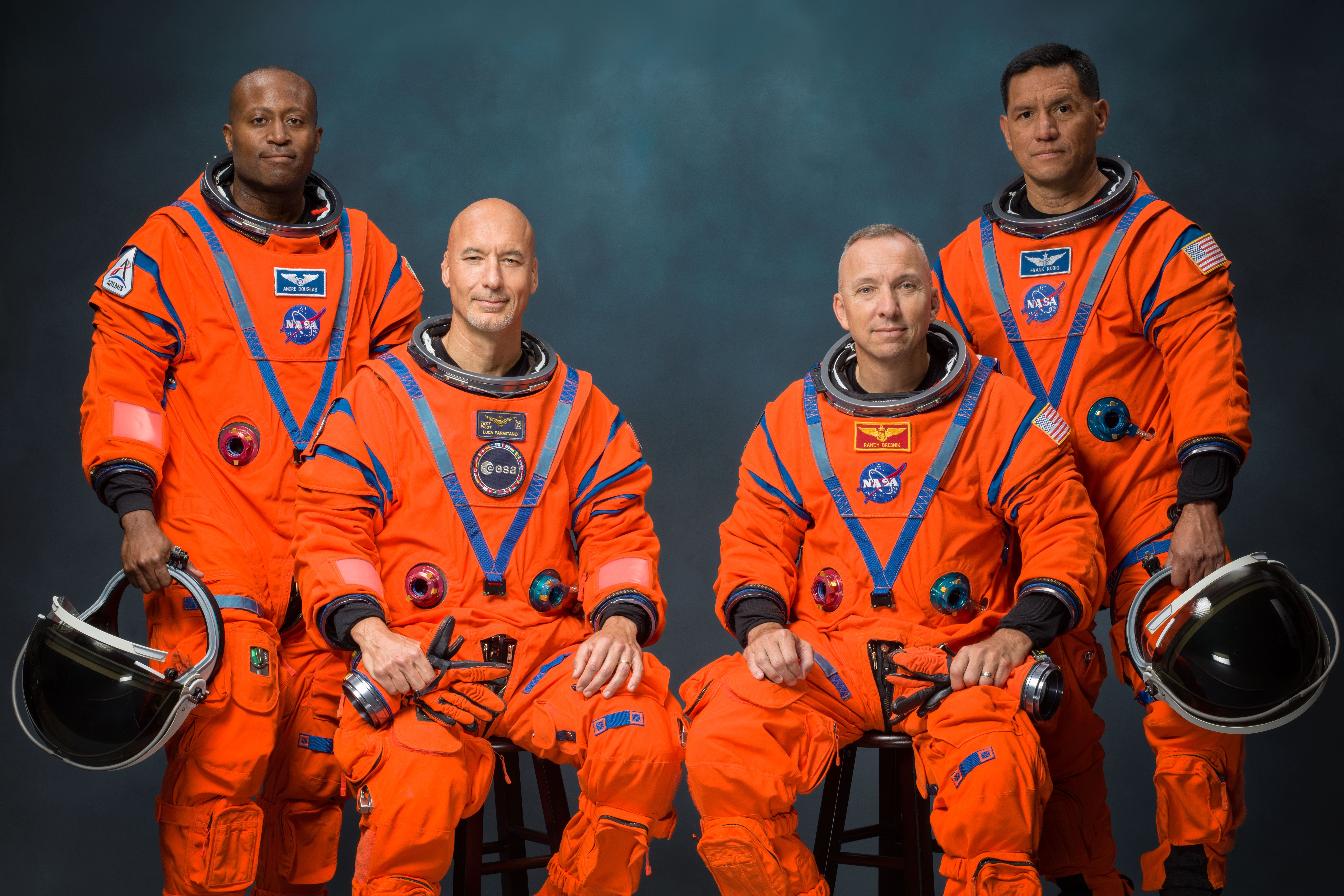
NASA's Artemis III crew announcement on Tuesday, June 9, 2026 finally put names and faces on one of the most important test flights in the Moon to Mars program. NASA named Randy Bresnik as commander, Luca Parmitano as pilot, and Andre Douglas and Frank Rubio as mission specialists, with Bob Hines assigned as the backup crew member.
That is real news. But it is not the same thing as a total mission rewrite.
The cleanest way to understand the June 9 event is to separate what NASA actually changed that day from what had already been public for months. Artemis III already had a new job before the crew reveal: it had been redesigned into a 2027 Earth-orbit demonstration mission meant to reduce risk before Artemis IV, the first planned crewed return to the lunar South Pole in 2028.
So the headline is not "NASA changed everything." The better headline is that NASA gave a clearly defined test mission its crew and added more specific operational detail.
What was genuinely new on June 9
The biggest update was the crew itself.
NASA said Artemis III will be led by veteran astronaut Randy Bresnik, with ESA astronaut Luca Parmitano serving as pilot. Andre Douglas and Frank Rubio will fly as mission specialists. NASA also named Bob Hines as the backup crew member. That matters because it turns Artemis III from an architecture diagram into a mission with a visible training team, public accountability, and a human story people can follow.
NASA also added more concrete detail about how the flight is expected to work.
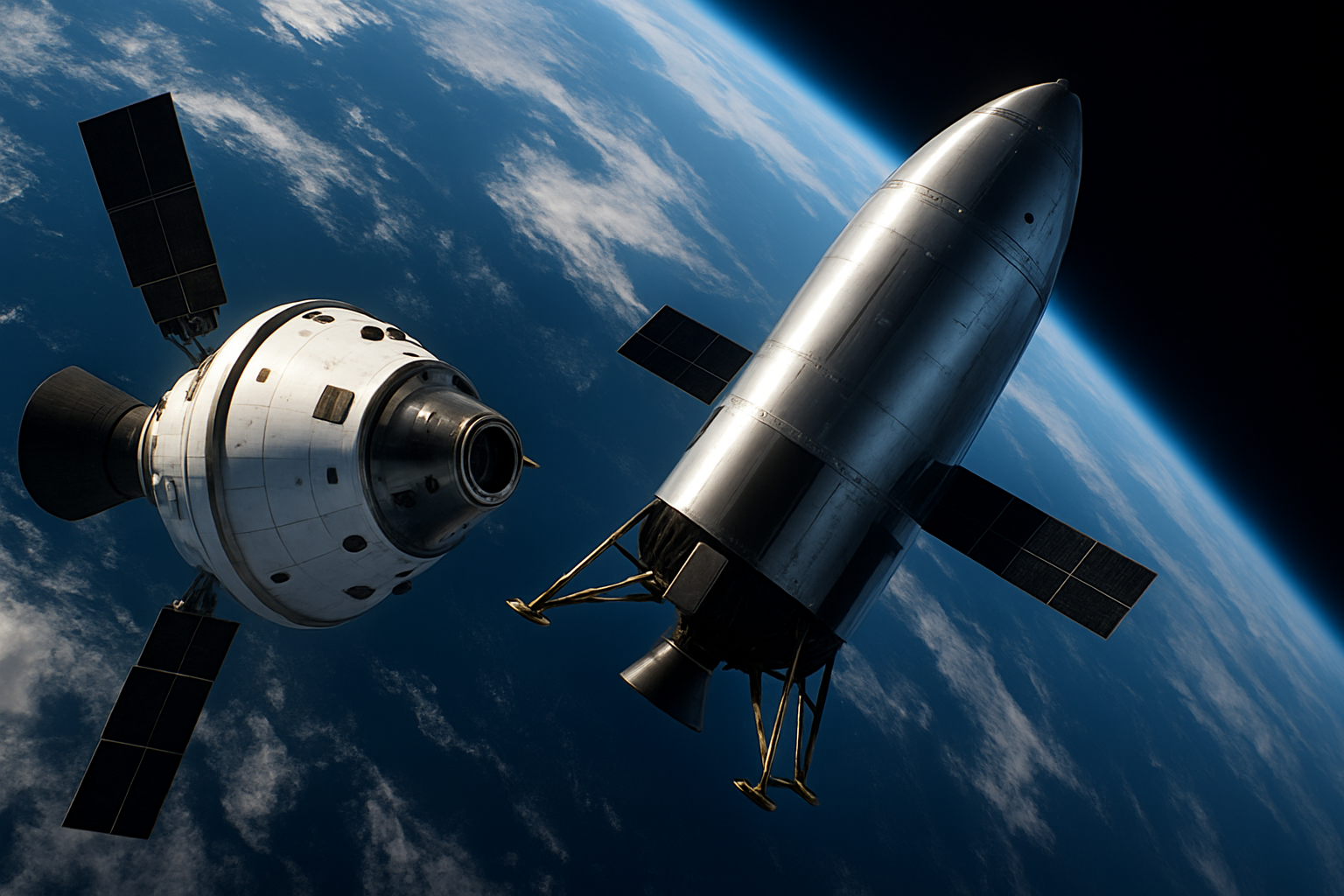
According to NASA's June 9 release, Blue Origin's pathfinder lander will launch first and wait in orbit for the crew. Orion will then launch on the Space Launch System, rendezvous with that Blue Origin test article, and spend about two days docked for tests and technology demonstrations, including crew entry into the vehicle. After that, Orion will detach and wait for a SpaceX Starship pathfinder to arrive for another docked test period expected to last about a day. NASA said the whole mission is expected to last about two weeks, with exact timing determined in real time.
That sequence is more specific than the broad mission framing NASA had shared earlier. It gives spaceflight followers a clearer sense of what the agency means when it says Artemis III is a high-complexity demonstration mission.
One more detail from June 9 is historically meaningful even if it is easy to miss in the bigger headline: NASA said this is the first time an ESA astronaut has been assigned to an Artemis mission. Parmitano's selection makes the mission feel even more explicitly international, not just in hardware partnerships but in the crew itself.
What was already public before the crew announcement
The most important mission change did not happen on June 9.
On February 27, 2026, NASA said Artemis III would no longer be the program's first lunar landing. Instead, the agency redefined it as a 2027 low Earth orbit test flight designed to prove operations needed for later surface missions, beginning with Artemis IV in 2028. NASA also said the mission would test rendezvous and docking with one or both American commercial human landing systems being developed by Blue Origin and SpaceX.
Then on May 13, NASA outlined preliminary Artemis III mission plans in even more detail. The agency said Orion would launch with four crew members on SLS from Kennedy Space Center, operate in low Earth orbit, and test docking-system performance for the first time. NASA also said astronauts could potentially enter at least one lander test article depending on final operations planning.
So by the time the June 9 event arrived, the broad mission architecture was already on the record. The new announcement added people and a more detailed flight sequence. It did not suddenly invent the Earth-orbit test concept.
Mission progress was already moving before June 9
The crew announcement also landed on top of real hardware progress that NASA had already been reporting.
In April, NASA rolled out the Artemis III SLS core stage from Michoud. By late April, the agency said major Artemis III hardware had arrived at Kennedy and that Orion work, including heat shield and service module progress, was continuing. On June 4, NASA added another visible milestone when it reported that the final solid rocket booster segments for Artemis III were en route to Kennedy.

The June 9 release sharpened that progress report. NASA said engineers plan to connect Orion's crew module and service module this summer and integrate the docking system that will fly for the first time on Artemis III. The agency also said heat shield testing is continuing, the SLS engine section is being integrated ahead of RS-25 installation this summer, all solid rocket booster segments are now at Kennedy, and rocket stacking is expected to begin this summer as mobile launcher refurbishments continue.
That matters because it keeps the story honest. The Artemis III crew reveal is a milestone, but it sits inside a much larger readiness picture involving docking hardware, thermal protection work, booster logistics, engine integration, and commercial lander development.
The June 9 event also clarified what Artemis III is really for
For casual readers, Artemis III can still sound like a placeholder on the road back to the Moon. NASA's latest details show that the mission is more important than that.
This flight is meant to prove whether Orion and commercial lunar landing systems can work together the way NASA needs them to before astronauts head back toward the lunar surface. That means software interfaces, propulsion coordination, communications, vehicle checkouts, crew timelines, and docking operations all have to work under real mission conditions.
It is an Apollo 9-style proving flight more than a headline-seeking Moon shot. That is less flashy than a landing, but it is exactly the kind of mission that determines whether later landings happen on a safer, more realistic schedule.
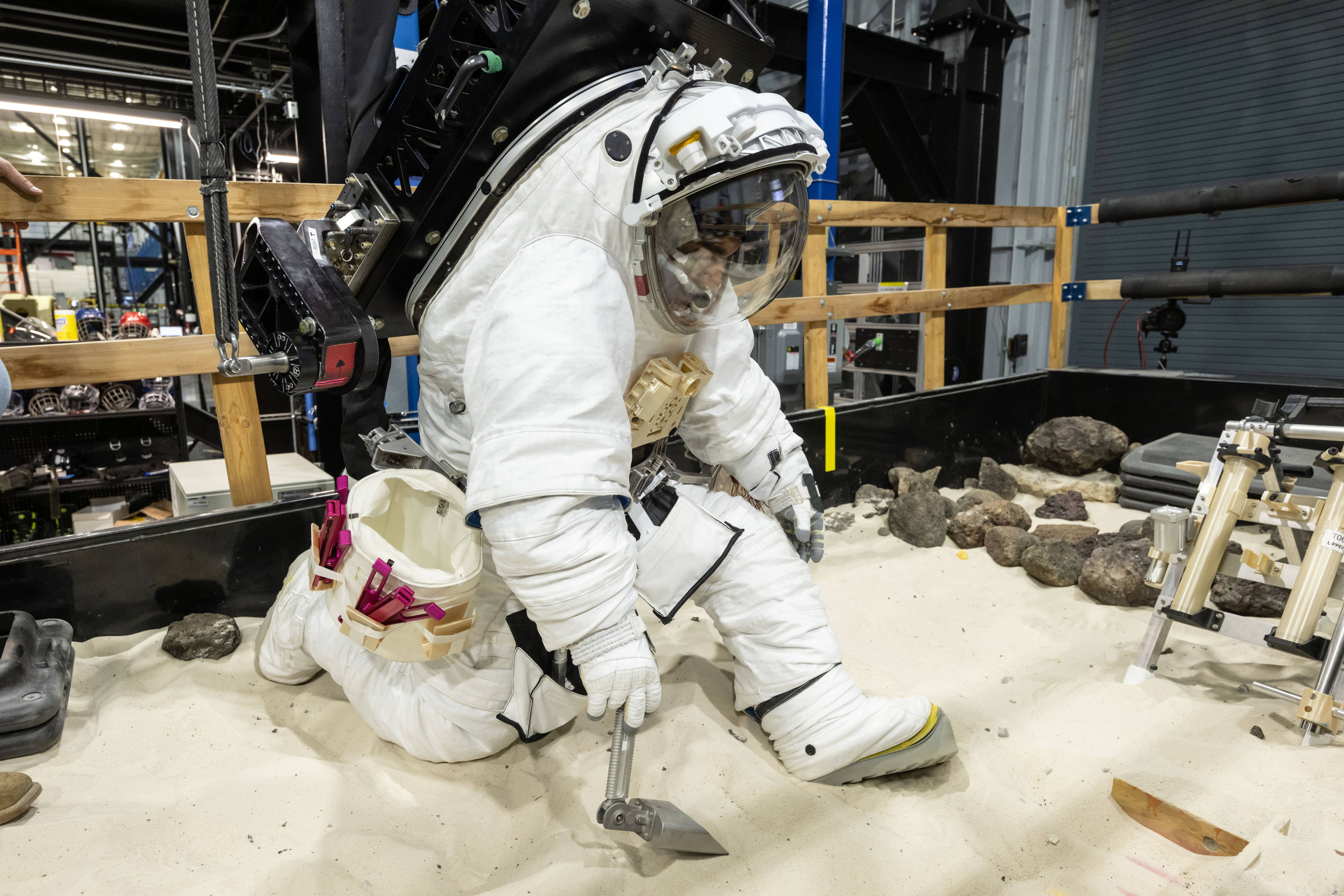
Even the spacesuit story fits that same pattern. NASA had already said in February that Axiom Space's Artemis III lunar spacesuit work had passed a contractor-led technical review. That was another reminder that June 9 was not day one for Artemis III progress. It was the day NASA gave the public a crew and a clearer operational script for work already underway.
Why space fans should care
If you follow mission timelines closely, June 9 was still a meaningful moment. A named crew changes how a mission is covered, remembered, and emotionally understood. It also makes the next year of training and readiness updates much easier to track.
And if this kind of mission-by-mission detail is exactly what you like talking about, you can meet other spaceflight fans on Cosmic Match or join free at Cosmic Match to find people who care about rendezvous plans, booster milestones, and Moon architecture as much as you do.
For a people-first bridge back to shuttle history, our Sally Ride first-flight profile shows why crew milestones still carry cultural weight for women who love space. For a current operational rescue story, our Swift Boost explainer breaks down why NASA's July 1 Pegasus XL reattempt matters for saving a still-useful observatory. For a fresh example of how lunar and deep-space planning is already changing power conversations, our BOHR orbit explainer explains why the first commercial nuclear-powered satellite is really a focused payload-power demo, not a full solar replacement story. If you want another example of how mission details can shift the real story, our FAA Starship Flight 12 mishap investigation explainer breaks down the difference between a launch headline and the harder operational reality behind it.
Bottom line
The June 9 Artemis III announcement changed three important things: NASA named the prime crew, identified Bob Hines as the backup, and described a more specific two-lander test sequence for the 2027 mission. What it did not change was the mission's deeper role. Artemis III was already an Earth-orbit demonstration flight designed to reduce risk before Artemis IV attempts the program's next leap toward the Moon.
That may sound less dramatic than a total reset, but it is better news than hype. NASA now has a defined mission, a clearer test plan, and a crew that can start training against it immediately.