Why the FAA's Starship Flight 12 Mishap Investigation Matters Before the Next Launch
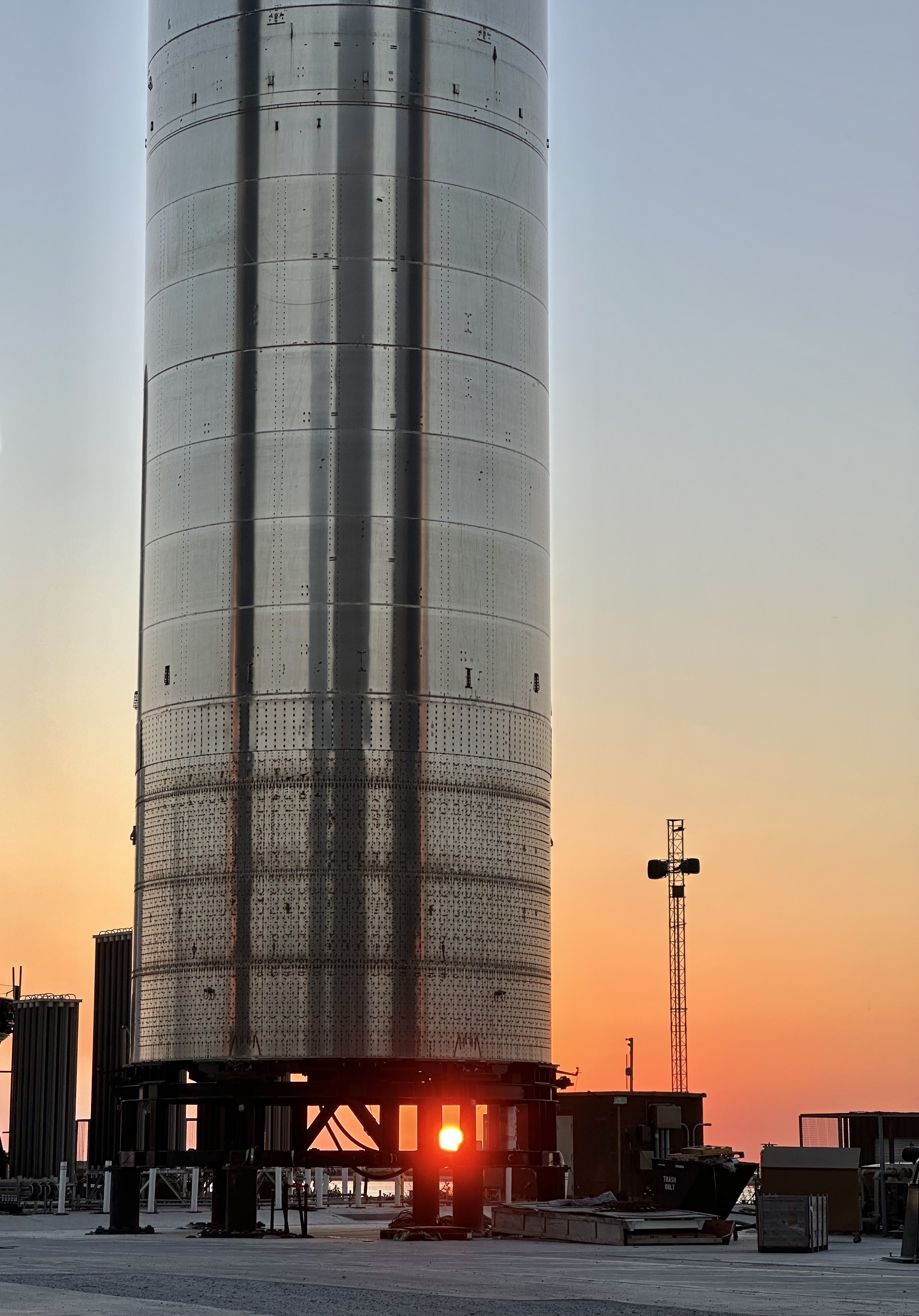
Five days changed the tone around Starship Flight 12.
On Thursday, May 22, 2026, the FAA said it was still assessing the Super Heavy booster anomaly from Flight 12 and that a mishap determination had not yet been made. By Tuesday, May 27, 2026, the agency said Flight 12 resulted in a mishap and that SpaceX must conduct a mishap investigation under FAA oversight before Starship-Super Heavy can return to flight.
That is the real story now. Not a guessed Flight 13 date. Not launch gossip. Not a vague "grounding" headline with no explanation. The important shift is regulatory: the FAA moved from watching an anomaly to requiring a formal investigation. If you follow Starship closely, that changes what the next meaningful update needs to be.

Inline image: booster flyback anomaly atmosphere rendered for context.
What changed between May 22 and May 27
The simplest way to understand the timeline is this:
- On May 22, the FAA's public language was still preliminary. The agency said it was assessing what happened during the booster flyback phase and had not yet decided whether the event counted as a mishap.
- On May 27, that changed. The FAA said Flight 12 did result in a mishap and that SpaceX now has to run a SpaceX-led investigation that the FAA will oversee.
That wording matters because it moves the conversation out of the "wait and see" bucket. A launch anomaly can stay in a gray zone for a short time while regulators decide whether the event fits the formal mishap threshold. Once the FAA says it is a mishap, the next phase becomes procedural: investigation scope, root cause, corrective actions, and return-to-flight review.
If you need the preflight and scrub context that led into this phase, our earlier Starship Flight 12 V3 explainer and the later Starship Flight 12 watch-times update are the cleanest place to retrace the mission timeline.
What a mishap investigation actually means
In plain English, a mishap investigation is not just a press-office label. It is the formal process meant to answer three questions:
- What failed?
- Why did it fail?
- What has to change before the vehicle can fly again without creating a public-safety problem?
The FAA's role is not to do SpaceX's engineering for it. The agency oversees the SpaceX-led investigation, stays involved through the process, and has to approve the final report and any corrective actions. Just as important, return to flight depends on the FAA deciding that any system, process, or procedure tied to the mishap does not affect public safety.
That is why readers should be careful with shorthand. "Investigation" does not automatically mean a long shutdown. But it also does not mean the next flight is just waiting for a new calendar slot. The next Starship launch now depends on a regulatory and engineering chain that has to hold together.

Inline image: mission-control style review scene for the investigation phase.
What this does not mean
This is the part where a lot of launch coverage gets sloppy.
A mishap determination does not mean the whole Starship program is over. It does not automatically mean there was public damage. It does not tell you how many weeks or months the next launch is away. And it definitely does not authorize anyone to invent a new return-to-flight date just because readers want one.
That last point matters most for Flight 12 coverage right now. The safest sentence is still the least exciting one: there is no new authoritative Starship return-to-flight date in the FAA language itself. Until the FAA or SpaceX publishes one, the honest frame is that the investigation comes first.
That is also why the story matters beyond one headline. Before May 27, the key question was whether the booster anomaly would stay inside a more limited assessment bucket. After May 27, the key question became whether SpaceX can close an FAA-overseen mishap process convincingly enough to fly again.
Why this matters before the next launch
If you care about Starship because of Moon missions, bigger payload ambitions, Texas launch cadence, or just the engineering spectacle, this shift affects all of those conversations.
The next major Starship headline is no longer just "when is Flight 13?" It is more likely to be one of these:
- what the investigation found about the booster anomaly
- what corrective actions SpaceX proposed
- whether the FAA accepted those actions
- whether public-safety conditions for return to flight were satisfied
That is a more technical storyline, but it is also the one that actually moves the program forward. A new date without that groundwork would be noise.
For readers who follow launch slips and mission resets across the wider sector, the Cosmic Match Space News & Launches archive is where we keep that broader timeline connected instead of treating every flight like a disconnected viral clip.
Why non-engineers should still care
You do not need to read telemetry to understand why this matters.
Space launch programs build momentum through repetition. Every investigation interrupts that rhythm a little. For Starship, cadence is part of the whole thesis. SpaceX wants to prove not just that the system can fly, but that it can iterate, recover, and fly again often enough to support much bigger goals.
So when the FAA changes its language from "we're assessing the anomaly" to "this was a mishap and now requires investigation," it changes the near-term story for everyone watching. Fans in Houston, Austin, Los Angeles, and anywhere else who track Starship now know the next step is not countdown theater. It is paperwork, engineering, and regulator-reviewed corrective action.
If you like following that side of spaceflight with people who actually care about the details, you can meet other space and rocket fans on Cosmic Match. Readers in Central Texas can also find your Austin stargazing crowd before the next big launch window opens.

Inline image: launch pad pause before return-to-flight review.
What to watch next
The next useful updates will probably be procedural, not cinematic.
Watch for four things:
- A more detailed SpaceX explanation of what happened during the booster flyback sequence.
- Any FAA language that sharpens the scope of the mishap review or the public-safety conditions for return to flight.
- Evidence that SpaceX has identified corrective actions rather than only describing the anomaly.
- An explicit return-to-flight signal from an authoritative source instead of recycled speculation.
Independent reporting has already framed the practical consequence clearly: Starship's next flight is on hold until the investigation runs its course. But the standard for a real update should stay high. If the source cannot tell you who set the date, what changed, and whether the FAA signed off, it is not a meaningful return-to-flight update yet.
The short version
- On May 22, 2026, the FAA said it was still assessing the Flight 12 booster anomaly and had not made a mishap determination.
- On May 27, 2026, the FAA said Flight 12 resulted in a mishap and is requiring a SpaceX-led investigation under FAA oversight.
- That shifts the story from anomaly assessment to formal return-to-flight process.
- There is no authoritative new Starship launch date in that FAA update.
- The next headline that really matters is not a rumor. It is the investigation outcome and the FAA's public-safety decision.
For now, the cleanest way to talk about Starship is also the most accurate one: the vehicle's next flight depends less on speculation about the calendar and more on whether SpaceX can satisfy the mishap-investigation process the FAA has now formally required.
Update: Flight 13 is now live
SpaceX’s next test is now Flight 13, with publicly described updates to booster orientation, multi-engine relight reliability, and heat-shield inspection. Read our engineering explainer: what SpaceX changed after Flight 12.