Starship Flight 12 Was Scrubbed on May 21. SpaceX Is Now Aiming for May 22

Update, May 22, 2026 at 8:35 a.m. CDT: SpaceX scrubbed the May 21 Starship Flight 12 attempt in the final minute. Current reporting says the next attempt is targeting Friday, May 22, with a launch window that opens at 5:30 p.m. CDT / 22:30 UTC. SpaceX's public launches page was still showing the older May 21 timing when this article was updated, so the May 22 window below is attributed to current reporting and should still be treated as provisional until SpaceX's official surfaces fully align.
If you want the safest sentence about SpaceX right now, it is this: Starship Flight 12 was scrubbed on Thursday, May 21, 2026, and SpaceX is now aiming for Friday, May 22, 2026. The tricky part is that SpaceX's own public launches page was still showing the older May 21 timing when this article was updated, while current post-scrub reporting pointed to a new opening time of 22:30 UTC, or 5:30 p.m. CDT at Starbase.
For readers in Austin, Houston, and Los Angeles, that discrepancy matters because it changes when you should open the stream, text your rocket-group chat, or decide whether this is an after-work watch or a next-day wait. Flight 12 is still the first public flight of Starship V3, still the first Starship launch from Pad 2 at Starbase, and still a meaningful test of new vehicle hardware and new ground systems. But after the scrub, the right frame is not certainty. It is watchful, provisional timing.
If you want background on how this mission evolved before the latest retarget, our earlier Starship Flight 12 V3 explainer is still useful context. This article is the timing-safe correction for readers planning around the updated window.
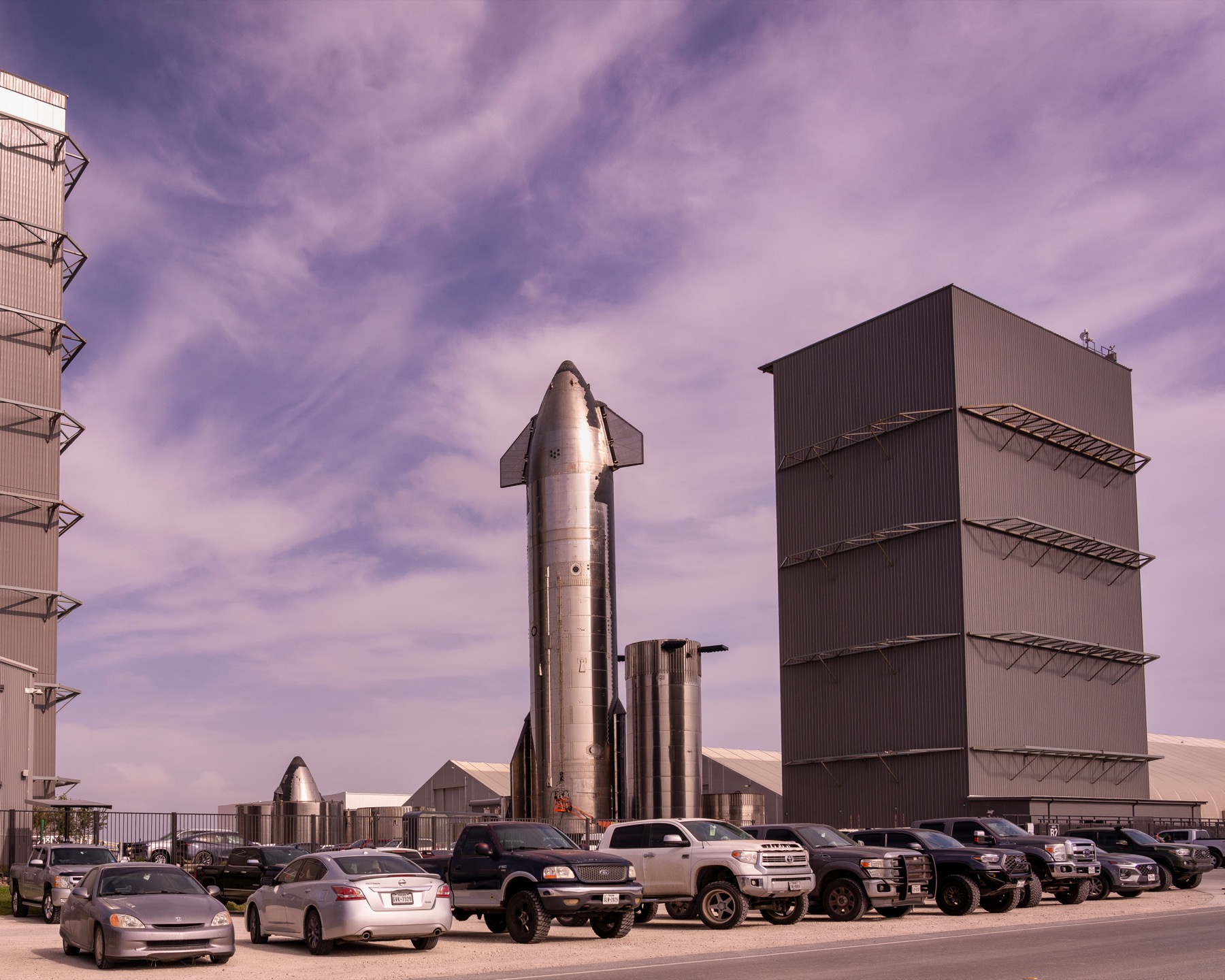
Photo: Mobilus In Mobili via Wikimedia Commons, CC BY-SA 2.0.
If you are reading this after the mission timeline shifted from countdown coverage to regulator review, our newer FAA mishap investigation explainer walks through what changed between the FAA's May 22 anomaly language and its May 27 formal mishap determination.
The corrected watch window to save
Here is the practical watch window that matters if the current reported retarget holds:
- Austin: Friday, May 22, 2026 from 5:30 p.m. to 7:00 p.m. CDT
- Houston: Friday, May 22, 2026 from 5:30 p.m. to 7:00 p.m. CDT
- Los Angeles: Friday, May 22, 2026 from 3:30 p.m. to 5:00 p.m. PDT
- UTC reference: May 22, 2026 22:30 UTC to May 23, 2026 00:00 UTC
Why not just repeat one official timestamp and move on? Because the public SpaceX launches page was still surfacing May 21, 2026 23:30 GMT+0 to May 22, 2026 01:00 GMT+0 when this correction was published, while post-scrub coverage from Space.com and AP pointed to a new Friday window beginning one hour earlier at 22:30 UTC. That is exactly the kind of mismatch that causes readers to tune in late or assume a corrected launch date has already been confirmed everywhere.
So the safest habit is not blind certainty. It is using the updated local watch window above, keeping the wording provisional, and refreshing SpaceX's official launch page before the webcast begins. If SpaceX harmonizes its public wording, great. If not, readers should know the discrepancy is real instead of being quietly flattened.
For more launch coverage in the same cluster, the Cosmic Match Space News & Launches archive is the fastest way to keep the timeline straight.
What changed after the May 21 scrub
The most important new fact is simple: Starship Flight 12 did not launch on May 21. The countdown stopped in the final minute after multiple holds, and AP reported that Elon Musk said a hydraulic pin tied to the launch tower arm did not retract. That detail matters because it points to ground-system friction, not just a generic schedule slip.
That is also why the operational story got more interesting overnight. Flight 12 is not just the debut of a new Starship generation. It is now a live test of whether Pad 2 and its related launch systems can recover cleanly after a highly visible scrub.
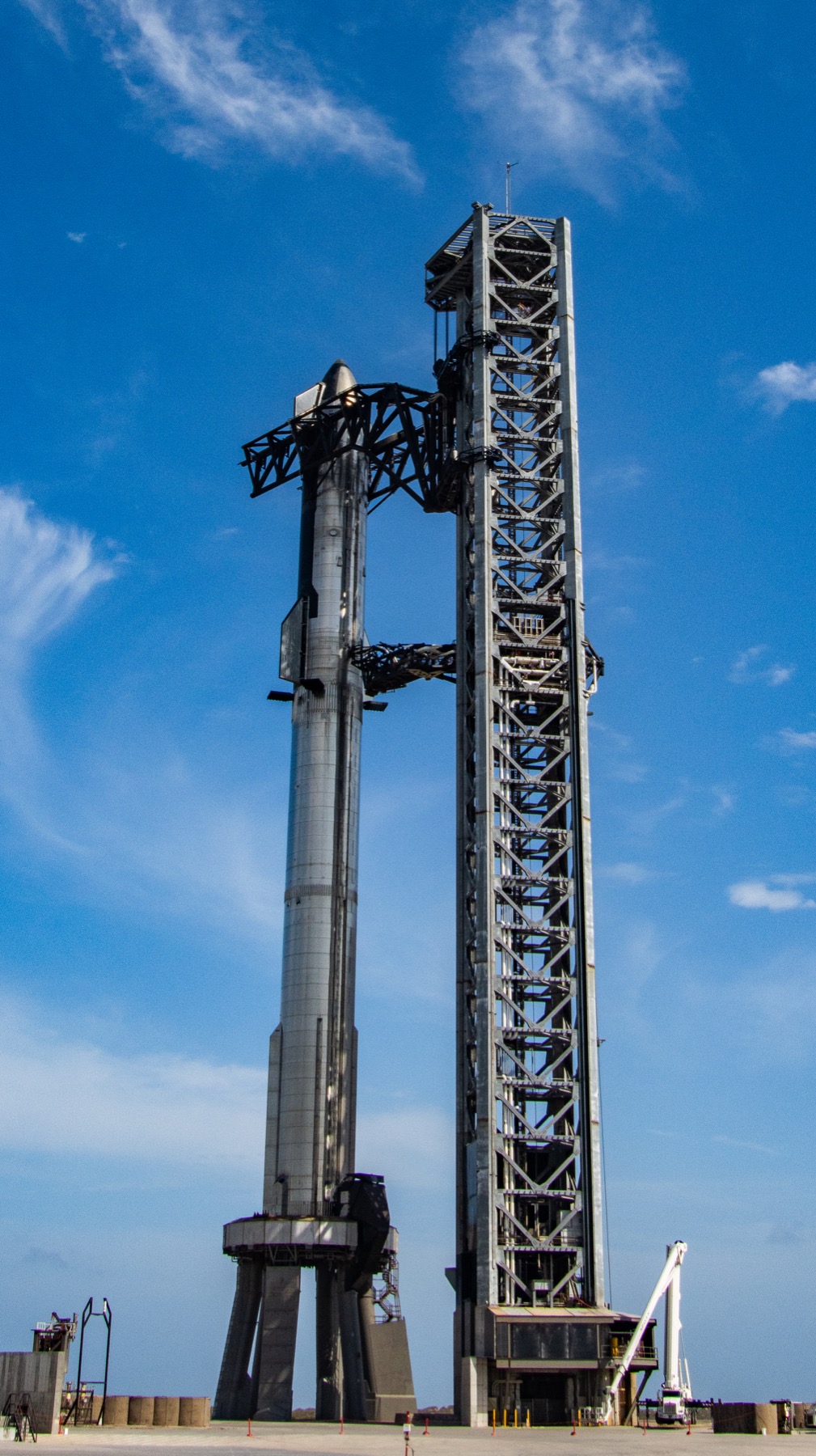
Photo: Jenny Hautmann via Wikimedia Commons, CC BY-SA 4.0.
Why Flight 12 still matters even after the delay
The schedule change is the headline, but it is not the deepest reason to watch. Flight 12 still matters because it should be the public debut of Starship V3, the version SpaceX wants to use as a stronger step toward rapid reuse, more capable in-space operations, and a cleaner long-term path toward NASA-relevant missions.
In plain language, this is not just another rocket getting another try. It is a test of a new-generation vehicle after a months-long gap since the last Starship flight. If it flies, it becomes the first serious public data point on whether the updated version behaves better during a full mission profile than earlier stacks did.
It also matters because Pad 2 is part of the test. New pads bring new plumbing, new procedures, new countdown choreography, and new opportunities for holds. A smooth launch from a fresh pad says something meaningful about operations even before you get to staging, payload work, or reentry goals.
What makes this a V3 test instead of a routine reschedule
SpaceX has framed V3 as a more capable step in the Starship program, not a cosmetic rename. That matters because public launch coverage often collapses everything into one question: did it leave the pad or not? For Flight 12, that is too shallow.
The smarter question is whether the new vehicle and the new launch infrastructure can get through a meaningful slice of the mission cleanly enough to justify the hype around the V3 label. That includes the early countdown flow, engine behavior at liftoff, staging, and any payload-deployment or in-flight test objectives SpaceX highlights during the mission.
That is also why you should avoid writing or thinking about this flight as guaranteed. Until liftoff actually happens, the correct language is still targeting, scheduled, reported, or planned. Starship launches are volatile by nature, and a late hold on Friday would not be surprising.
How readers in Austin, Houston, and Los Angeles should think about it now
This is still a livestream-first event, not a realistic city-sky visibility plan for most readers. If you are in Austin or Houston, the updated window places the opening of the launch attempt in local early evening hours. That keeps it squarely in after-work territory and makes it easy to treat as a watch-with-friends moment instead of a middle-of-the-night alarm.
If you are in Los Angeles, the same window becomes a late-afternoon watch block. That changes the feel of the event. Instead of an evening stream, it is more of an end-of-day check-in before dinner.
If you want to turn launch windows into real social plans, you can find other Austin space enthusiasts on Cosmic Match or meet Houston launch watchers on Cosmic Match. The product is web-only, so every CTA stays simple: open the site, find people who care about the same mission, and make the next big launch less of a solo refresh loop.
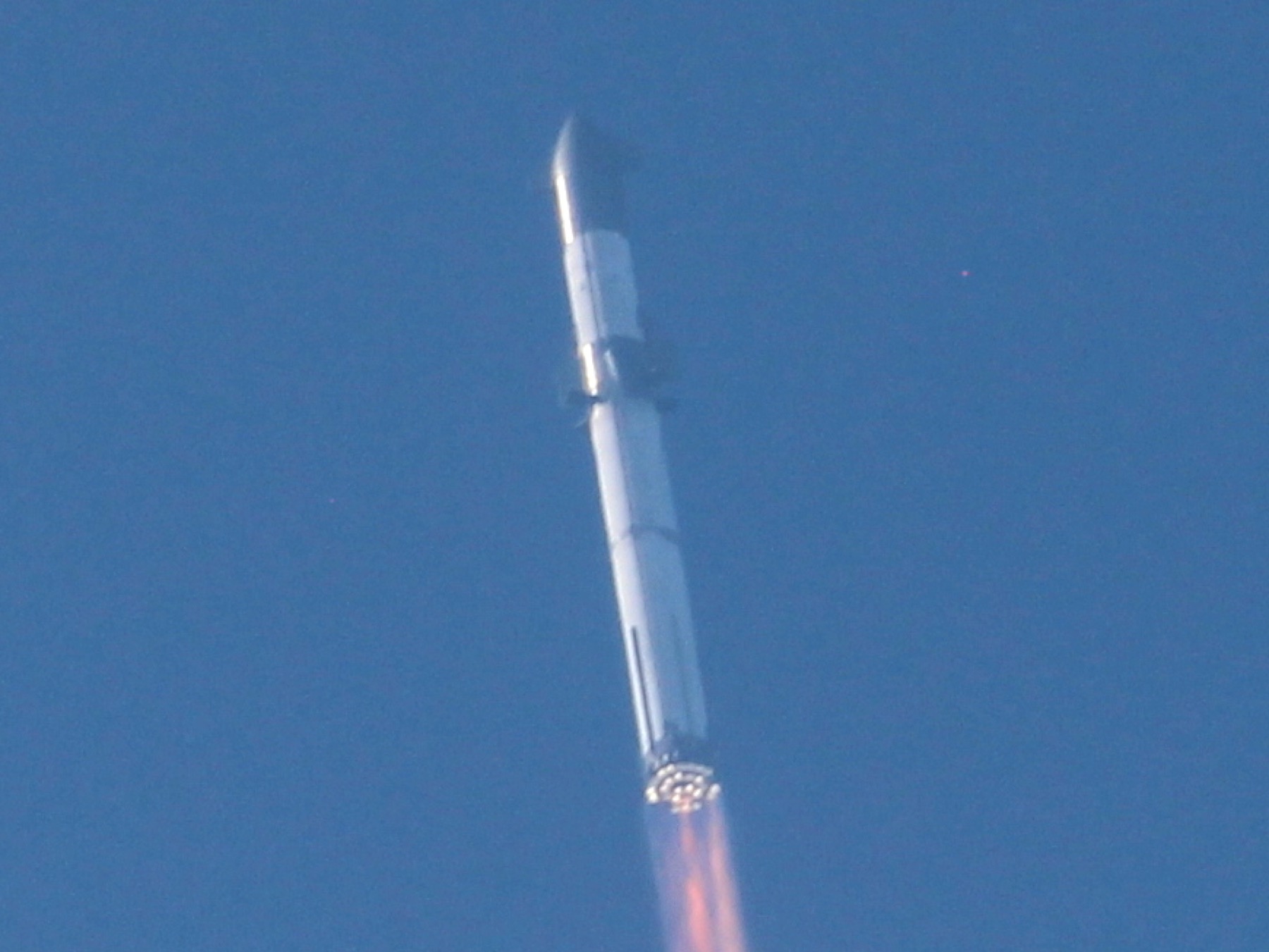
Photo: Osunpokeh via Wikimedia Commons, CC BY-SA 4.0.
What to watch once the stream begins
1. Whether SpaceX's public timing finally aligns
The first thing to watch is whether SpaceX updates its public page wording to match the newer Friday timing that outside reporting attributed to the company after the scrub. If that happens, the confusion goes away. If it does not, the discrepancy itself remains part of the story.
2. How smooth Pad 2 operations look after the scrub
Because this is the first Starship launch from Pad 2, the ground side of the operation deserves almost as much attention as the rocket. A clean countdown from new infrastructure after a failed attempt is useful signal all by itself.
3. How SpaceX talks about mission objectives
Flight 12 is notable because it is supposed to do more than just rise and fall. SpaceX and independent flight coverage have framed it as a broader V3 test with in-flight objectives tied to payload and vehicle-performance data. The exact checklist matters less than the bigger point: SpaceX is still gathering crucial operating data, not running a polished commercial routine.
4. Whether the result changes the cadence conversation
A strong flight would not magically make Starship operational overnight. But it would change the tone around SpaceX's 2026 cadence, because it would be the first Starship success or failure data point of the year and the first read on V3 under real launch pressure.
The short version
- What happened: SpaceX scrubbed the May 21 attempt in the final minute
- Current reported target: Friday, May 22, 2026
- Current reported local window: 5:30 p.m. to 7:00 p.m. CDT for Austin and Houston, 3:30 p.m. to 5:00 p.m. PDT for Los Angeles
- UTC watch window to remember: 22:30 UTC to 00:00 UTC on May 23
- Official-page caveat: SpaceX's public launches page was still showing the older May 21 window when this article was updated
- Why it matters: first Starship flight of 2026, first V3 flight, first launch from Pad 2, and now a clearer test of ground-system reliability under pressure
If the current targeting holds, Flight 12 will still be worth watching because it says something real about where Starship is headed next, not just because a launch window finally stuck. And if the timing shifts again, the right move is still the same one: trust the freshest official data, keep one independent tracker open, and treat any pre-liftoff schedule as provisional.
If you want more people in your orbit who think launch timing counts as weekend planning, meet space and rocket fans on Cosmic Match.