Blue Origin's New Glenn Exploded During a Hotfire Test. What It Means for the Next Launch and NASA's Moon Plans
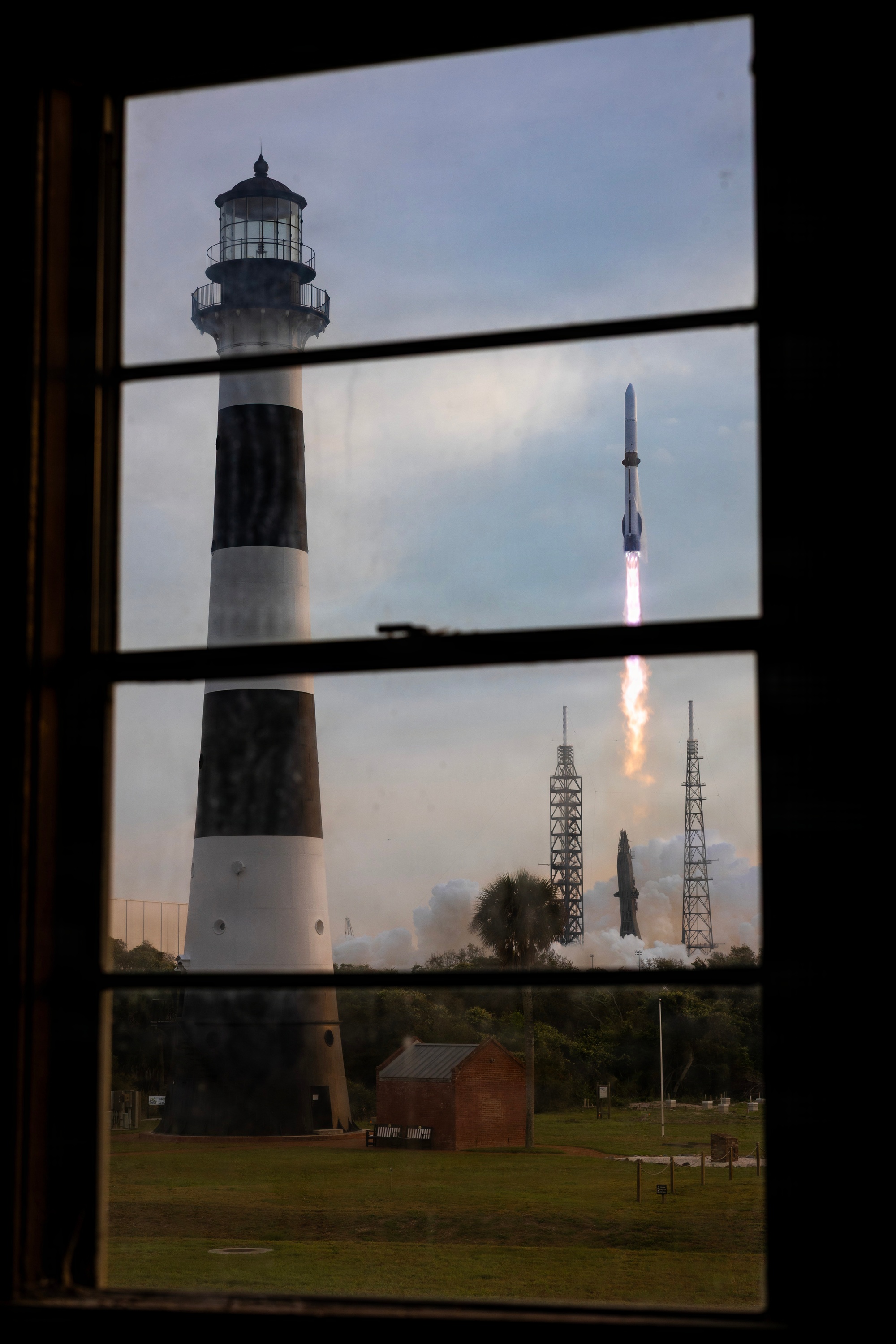
Blue Origin's New Glenn exploded during a hotfire test at Cape Canaveral on Thursday, May 28, 2026, and that matters for more than the fireball video. The blast happened during a countdown for a brief static-fire test, just days before the rocket was supposed to carry 48 Amazon Kuiper satellites on an early-June mission. Because Blue Origin has only one New Glenn pad at Launch Complex 36, the sharper question now is not just what failed on the vehicle. It is how quickly the company can understand the accident, inspect the ground systems, and decide whether next week's launch plans are still realistic.
If you track major launch programs, this is the kind of setback that can ripple across more than one calendar entry. New Glenn is part of Blue Origin's commercial launch push, its Kuiper relationship, and its longer-term lunar work with NASA. So even without overstating the fallout, the explosion clearly puts Blue Origin's near-term launch cadence under pressure.
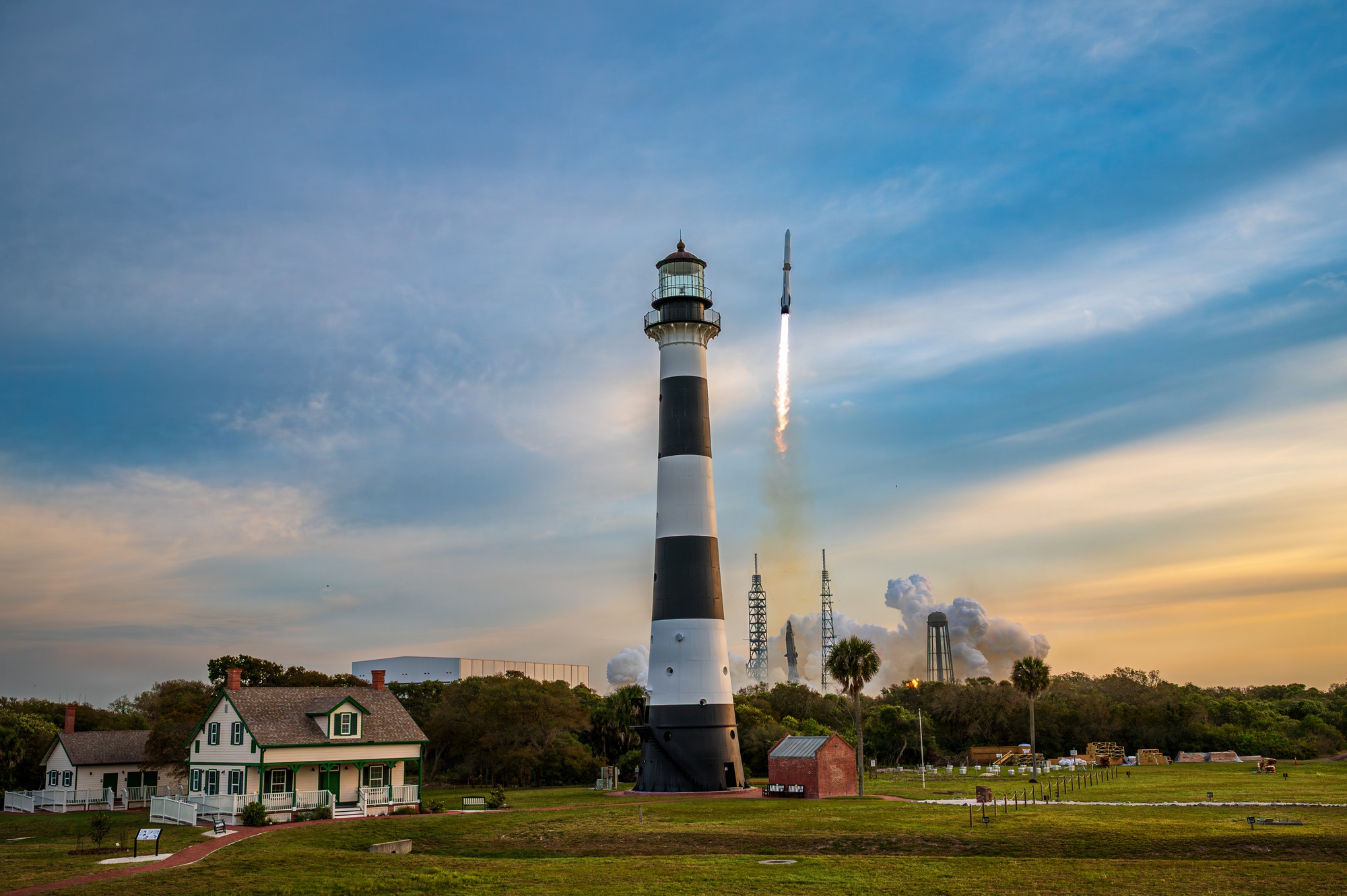
Public-domain photo: U.S. Space Force / Gwendolyn Kurzen via DVIDS.
What happened on Thursday night
The basic timeline is consistent across the strongest same-day reporting. AP reported that Blue Origin said New Glenn exploded during an engine-firing test ahead of a satellite launch planned for next week. CBS reported the explosion happened around 9 p.m. EDT as engineers counted down to a short firing of the rocket's seven BE-4 first-stage engines at Cape Canaveral Space Force Station.
Just as important, the immediate safety picture was much better than the visuals suggested. Officials said no one was hurt, and the U.S. Space Force Eastern Range said all personnel were accounted for. Jeff Bezos also said publicly that it was too early to know the root cause.
That last point matters. By publish time on Friday, May 29, 2026, the safest language is not "Blue Origin lost the pad for months" or "the June mission is cancelled." The defensible read is narrower: the company has a destroyed vehicle, an obvious investigation ahead, and early-June launch plans that are now at risk until Blue Origin and range officials can assess what happened.
What a hotfire or static-fire test actually is
A hotfire test, often called a static-fire test, is one of the last big rehearsals before launch. The rocket stays attached to the pad while the engines ignite for a short period. Teams use that run to check the countdown sequence, fueling, engine startup behavior, pad systems, sensors, and how the full vehicle responds under real load.
In plain terms, it is the closest thing to launch without letting the rocket leave the ground.
That is why a hotfire failure is more significant than a minor scrub. It can point to problems in the engines, propellant flow, startup timing, avionics, ground equipment, or the way those systems interact when the whole vehicle is fully fueled and under countdown pressure. Blue Origin highlighted the importance of this test style in its earlier New Glenn program updates, where integrated hotfire milestones were treated as major proof points on the road to flight.
If you want a useful comparison for how much ground hardware and preflight systems can shape a mission outcome, our earlier explainer on why Starship Flight 12's new pad and new propulsion setup mattered so much is a good parallel read.
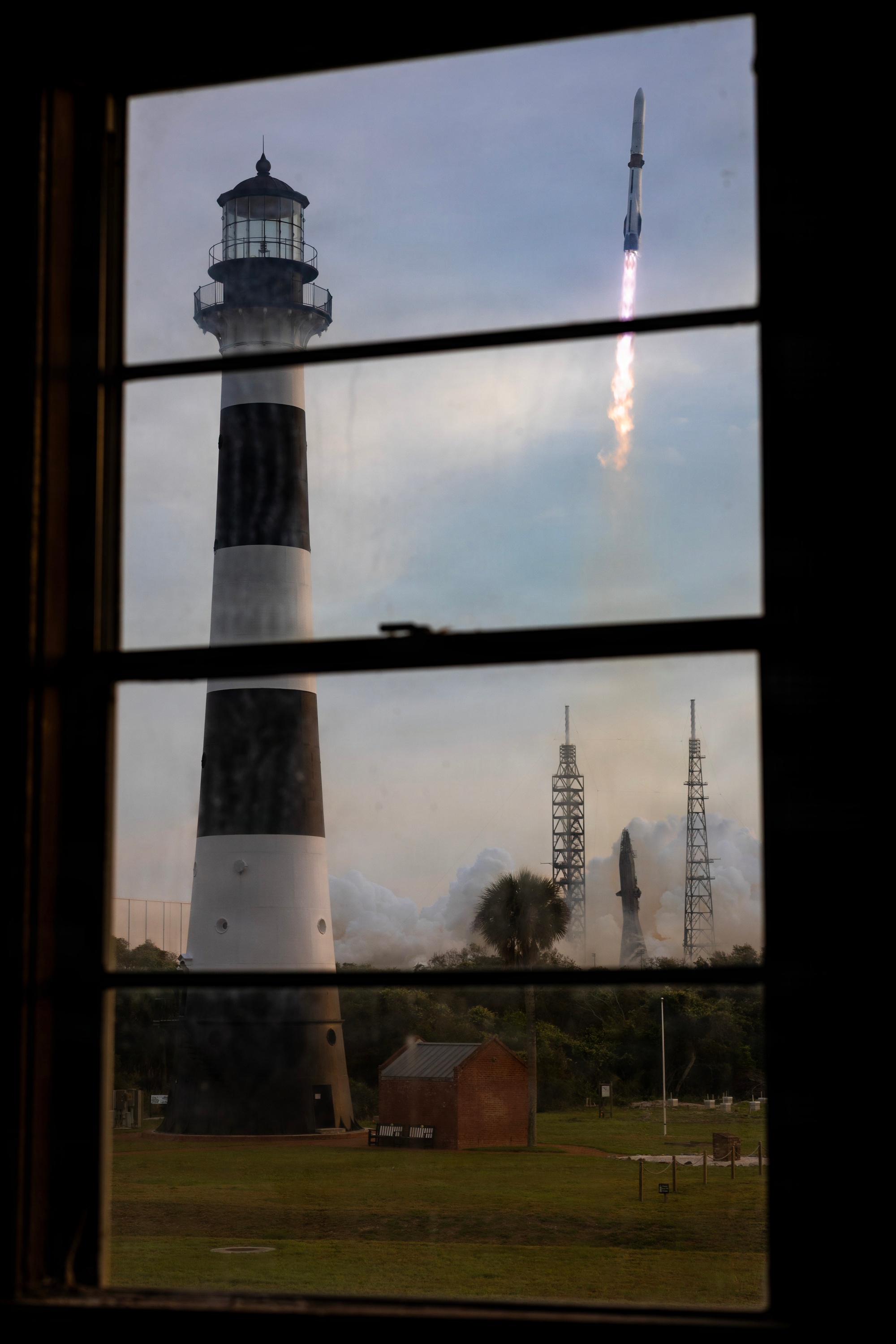
Public-domain photo: U.S. Space Force / Robert Mason via DVIDS.
Why next week's launch is now at risk
Before the explosion, New Glenn's next flight was expected to loft 48 Amazon Kuiper satellites. That gave Blue Origin a near-term commercial mission with real schedule pressure, not just another internal test. After Thursday night's blast, the main uncertainty is not whether Blue Origin still wants to fly soon. It is whether the company can complete the investigation, understand the failure chain, and confirm pad readiness on anything like that original timeline.
CBS reported visible damage around the launch complex after the explosion, including signs that key pad hardware may have been hit. But unless Blue Origin or the range formally publishes a sharper assessment, the better phrasing is still that the incident puts the early-June launch at risk.
That distinction matters because launch accidents produce two different kinds of delay. One comes from the failed vehicle itself. The other comes from what investigators find on the ground. A heavy-lift rocket can be replaced eventually. A damaged launch site can become the longer bottleneck, especially when the company does not have a second pad for the same vehicle.
For readers following the bigger launch picture, our Space News & Launches archive is where we keep the rolling context around launch slips, mission retargets, and why some schedule changes are more serious than others.
What this means for NASA and Blue Origin's moon plans
This is the section where bad coverage usually goes too far.
New Glenn does matter to Blue Origin's lunar ambitions. AP noted that the rocket is intended to help launch landers for NASA, and CBS noted that New Glenn plays a role in upcoming Artemis-related architecture. That makes Thursday night's explosion important beyond one commercial satellite flight.
But there is a large difference between "this raises questions for Blue Origin's lunar schedule" and "Artemis is delayed." As of publication, there is no authoritative source saying NASA's Artemis timeline has already changed because of this accident. NASA Administrator Jared Isaacman said the agency would support a thorough investigation and share any impacts as they become clear. That is the correct frame to use right now.
So the practical takeaway is this: the explosion does not automatically rewrite NASA's moon roadmap on May 29, 2026, but it does put new attention on how dependent some future Blue Origin milestones are on a heavy-lift rocket that now has both a vehicle failure and a pad-level question hanging over it.
That broader context is why space fans in Texas and beyond will keep watching this story even if the fireball clips fade from the feed. If you like following launch news with people who actually care about pad infrastructure, engine test windows, and lunar mission knock-on effects, you can meet other space enthusiasts on Cosmic Match. Readers in Central Texas can also find your stargazing crowd in Austin while the next wave of launch updates comes together.
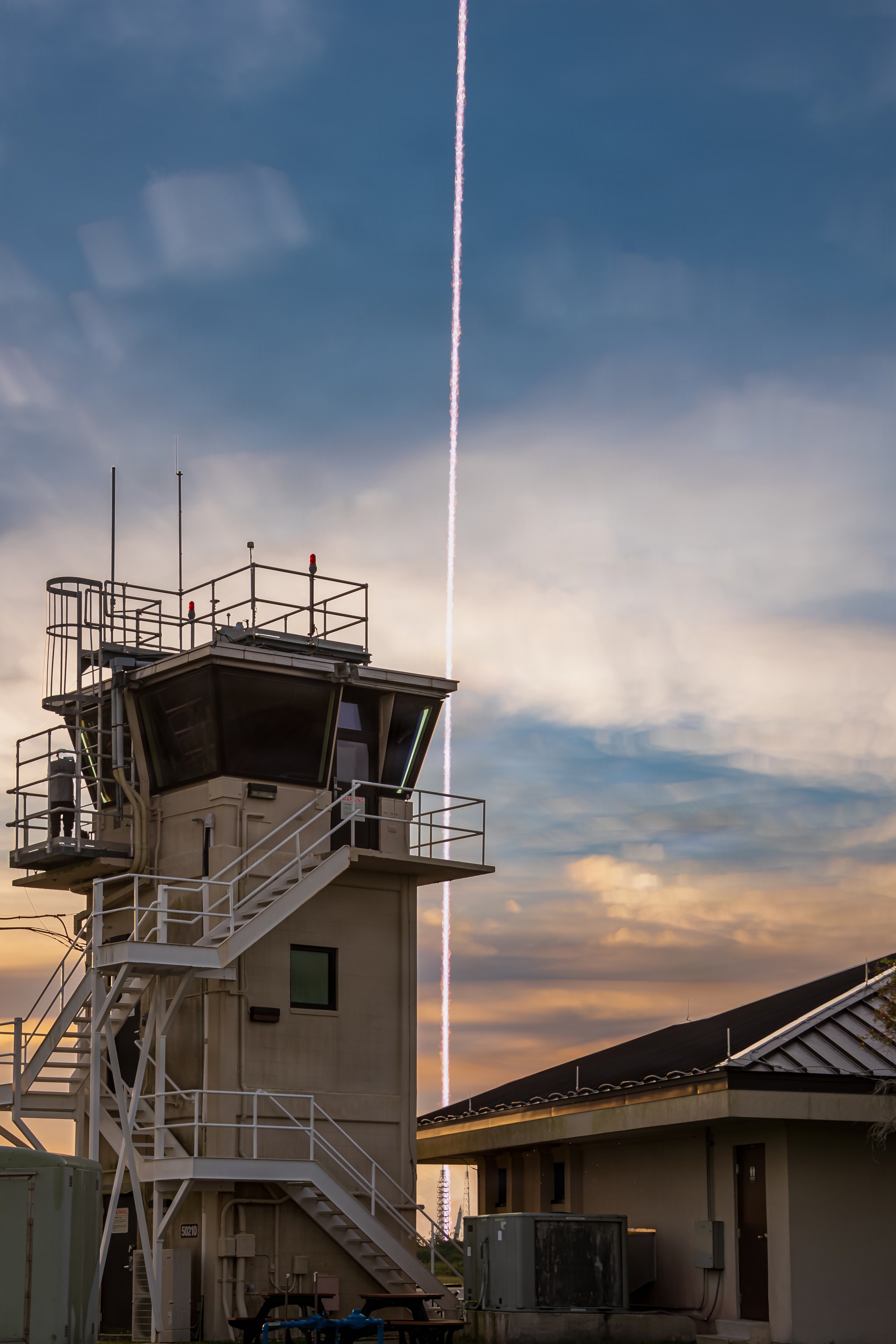
Public-domain photo: U.S. Space Force / Gwendolyn Kurzen via DVIDS.
What to watch next
The next meaningful updates are not likely to be cinematic. They will be procedural.
Watch for four things:
- A more detailed Blue Origin statement about the sequence of events during the hotfire countdown.
- Any official range or FAA language about investigation scope and pad status.
- A formal update on the planned Kuiper mission rather than assumptions based on social media.
- Clearer NASA guidance on whether any Blue Origin lunar milestones need to move.
If Blue Origin confirms major pad repairs are needed, the story gets bigger fast. If the investigation points to a contained vehicle-side failure and the ground systems are more intact than they look from helicopter footage, the recovery path could be shorter. Right now, the honest answer is that the evidence supports caution, not certainty.
The short version
- Blue Origin's New Glenn exploded during a hotfire test at Cape Canaveral around 9 p.m. EDT on Thursday, May 28, 2026.
- Officials said there were no injuries.
- A hotfire is a pad-bound engine test that functions as a near-launch rehearsal, which is why a failure here matters more than an ordinary scrub.
- The incident puts Blue Origin's early-June launch plans at risk, especially because New Glenn uses a single launch pad at LC-36.
- The accident matters for Blue Origin's broader lunar ambitions, but there is no authoritative basis yet to say Artemis timelines have already changed.
For now, the most accurate frame is also the least dramatic one: Blue Origin has a major investigation ahead, a likely schedule problem for its next New Glenn mission, and a lot to prove before the rocket returns to the pad.
Related launch investigation coverage
For a current example of why launch footage cannot establish a failure mechanism, see our report on the Long March 7A / ChinaSat 4B launch failure.