CRS-34 Docks Sunday Morning: When to Watch Dragon Arrive at the ISS Live
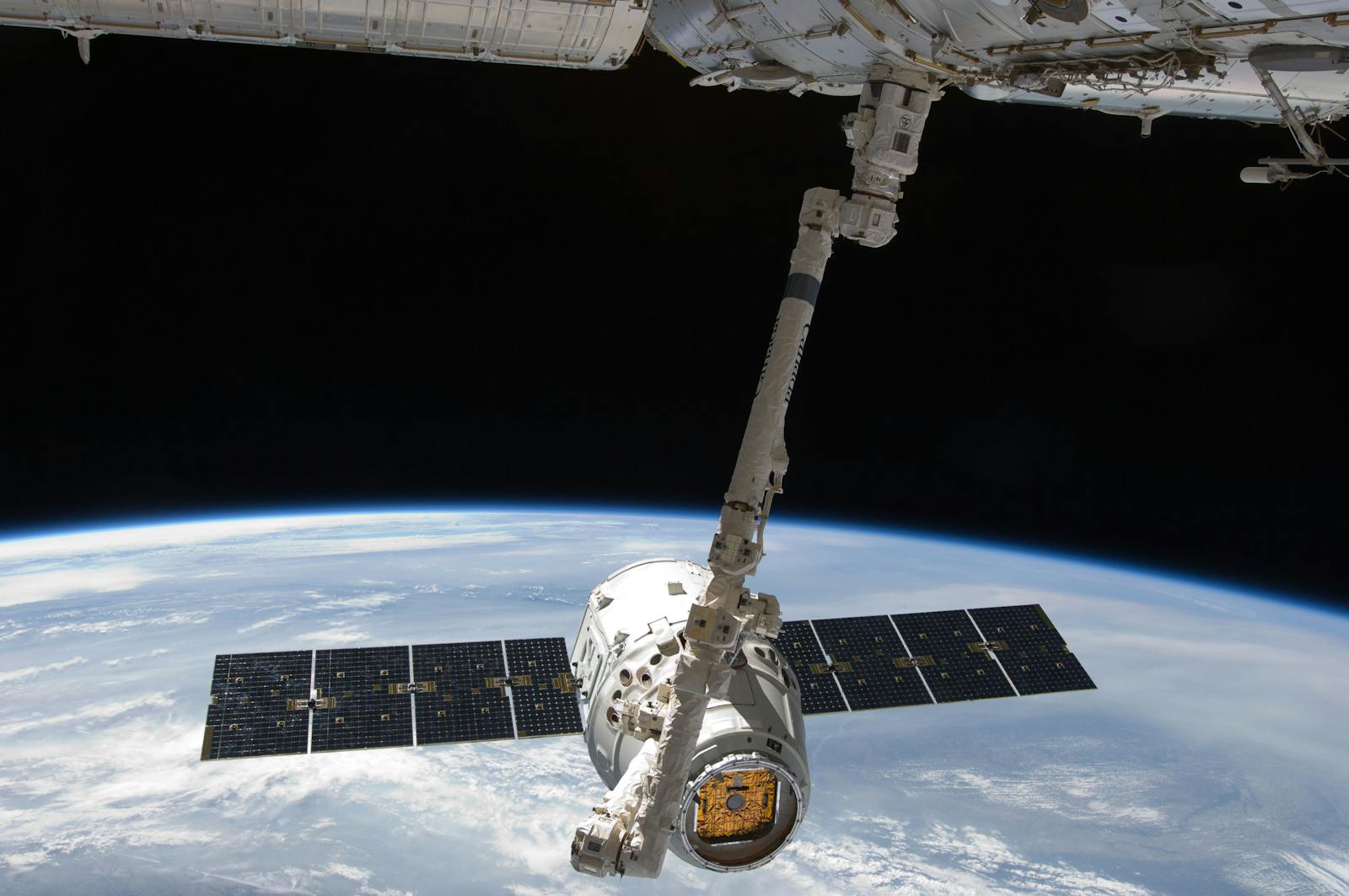
If you are only going to tune in for one live spaceflight milestone this weekend, make it the arrival instead of the launch replay. NASA says live rendezvous and docking coverage for SpaceX CRS-34 begins at 5:30 a.m. EDT on Sunday, May 17, 2026, and Dragon is scheduled to dock at about 7 a.m. EDT with the International Space Station. For Cosmic Match readers in our launch cities, that translates to 4:30 a.m. CDT in Austin and Houston and 2:30 a.m. PDT in Los Angeles for coverage, with docking about 90 minutes later.
That timing matters because the launch is already done. NASA says CRS-34 lifted off at 6:05 p.m. EDT on Friday, May 15, 2026 from Space Launch Complex 40 at Cape Canaveral Space Force Station in Florida. The practical live window now is Sunday morning, when Dragon is expected to reach the station's forward Harmony port and start the handoff that turns a routine cargo run into something useful for the crew.
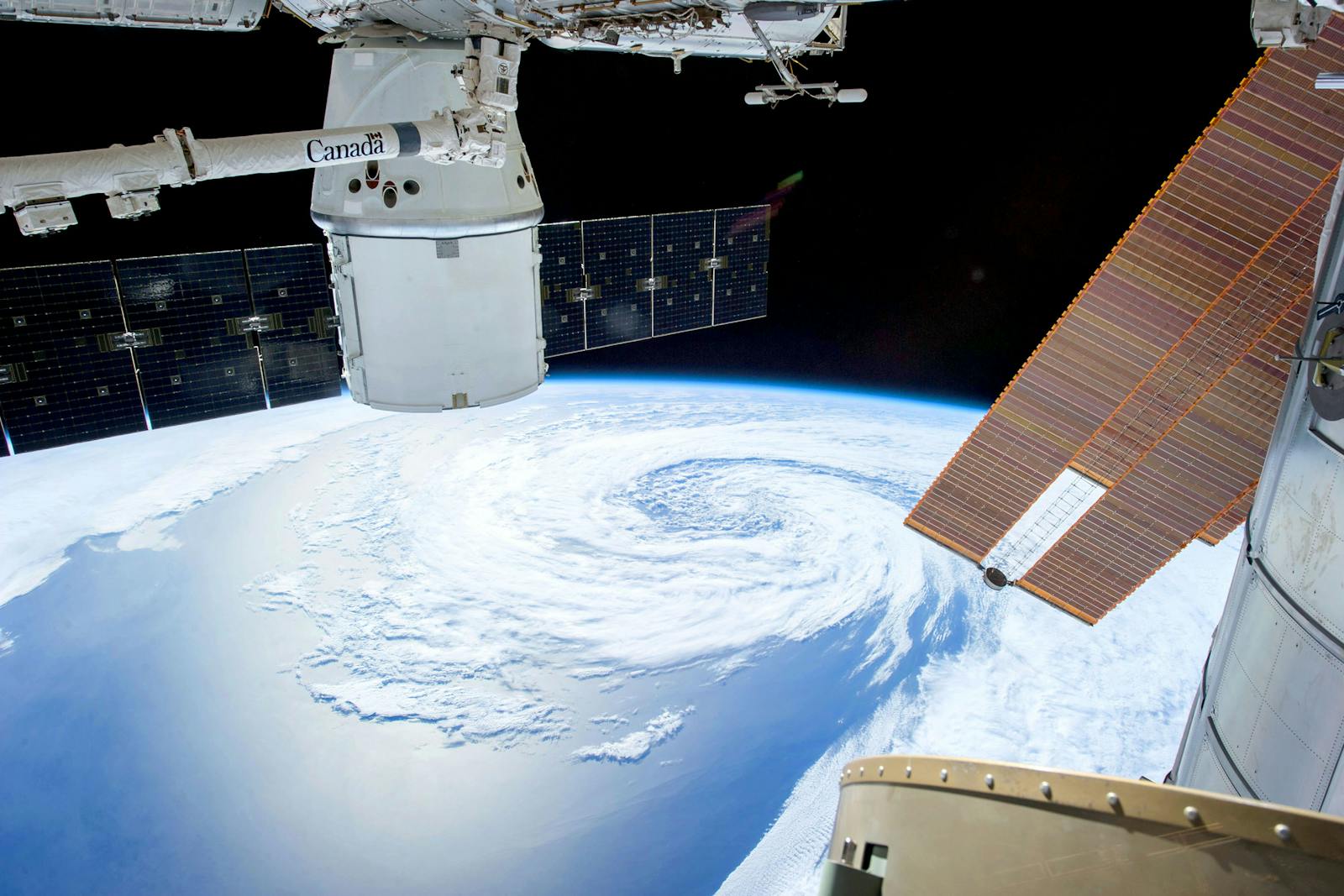
The exact CRS-34 docking time to know
Here is the short version if you want the schedule without the extra throat-clearing:
- Launch happened: Friday, May 15, 2026 at 6:05 p.m. EDT
- NASA live coverage starts: Sunday, May 17, 2026 at 5:30 a.m. EDT
- Dragon docking target: Sunday, May 17, 2026 at about 7 a.m. EDT
- UTC conversion: 09:30 UTC for coverage and 11:00 UTC for docking
If you followed our earlier CRS-34 launch watch guide, this is the next milestone that still rewards watching in real time. The countdown drama is over. The interesting part now is whether Dragon reaches station on schedule and how quickly the mission shifts from transit to operations.
Why this cargo arrival matters
NASA says Dragon is carrying nearly 6,500 pounds of cargo for Expedition 74. That does not sound flashy, but this is the kind of flight that keeps the station useful instead of symbolic. The manifest includes fresh science hardware, crew supplies, and research payloads that would be much harder to replace if the timeline slipped.
NASA's mission summary highlights several experiments worth noticing. One looks at how well Earth-based simulators mimic microgravity. Another uses a wood-based bone scaffold tied to fragile-bone research. Another set of equipment helps researchers study how red blood cells and the spleen change in space. That is the real reason a Sunday docking window matters: once Dragon arrives, those investigations can move from launch headline to station workflow.
For a broader view of how we cover missions like this, the Cosmic Match Space News & Launches archive is where we keep the bigger sequence together.
What to expect from NASA's live coverage
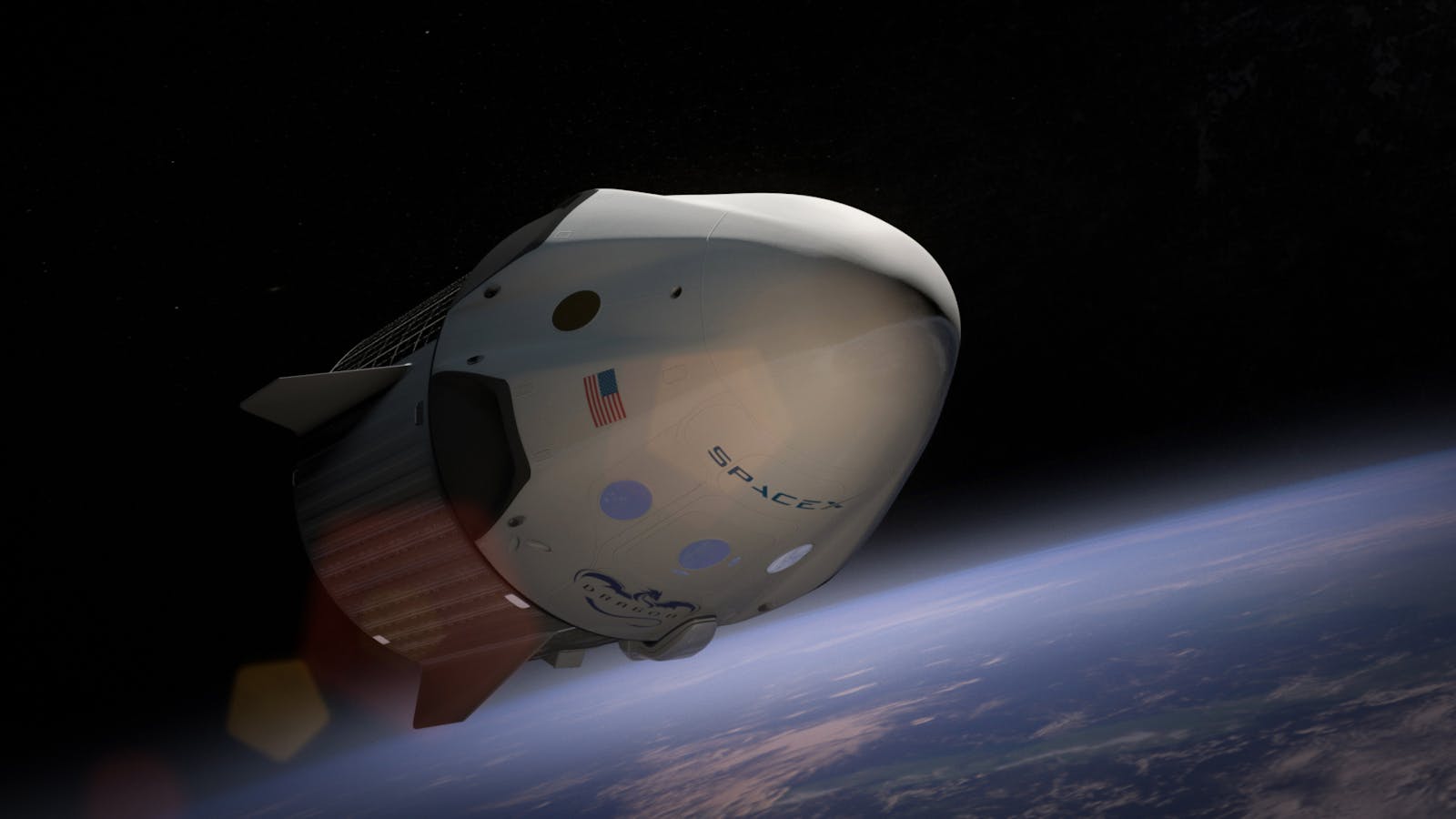
This is a better stream for people who like procedure than for people who only want a fireball and a cheer at liftoff. Rendezvous coverage is quieter, more technical, and often more revealing. You get relative-motion updates, docking callouts, and a better feel for how carefully choreographed ISS traffic really is.
A simple watch plan works best:
- open NASA+ a few minutes before 5:30 a.m. EDT
- expect the key action to build closer to the 7 a.m. EDT docking target
- keep the official NASA mission page open in a second tab in case timing softens by a few minutes
- treat the word "about" seriously because space operations almost always keep some timing flexibility until the final approach
This is also the better live window for Houston readers. Not because the spacecraft is visible from Texas with the naked eye, but because station operations run through NASA's human-spaceflight ecosystem, and Houston remains the most natural U.S. city to care about the practical side of ISS traffic.
The useful way to think about Sunday morning
CRS-34 is not a one-night spectacle anymore. Friday's launch proved the mission was on its way. Sunday's docking decides when the station crew can actually start unpacking the science and supply load NASA just sent uphill.
That is the right frame for this post and for the watch window itself: not "did a rocket fly," but "when does the mission become operational for the station." If the current NASA timing holds, the answer is Sunday, May 17, 2026, with coverage at 5:30 a.m. EDT and docking at about 7 a.m. EDT.
Once docking is complete, the pace changes again. Hatches still have to open, cargo still has to be transferred, and the station crew still has to turn a successful arrival into actual lab work and day-to-day support. That follow-through is why the docking milestone matters more than a timestamp on a tracker page.
If you like following that kind of mission rhythm with people who do not need the basics explained every time, Cosmic Match is built for exactly that crowd. Until then, the main thing to know is simple: CRS-34 docking time is about 7 a.m. EDT on Sunday, May 17, 2026, and NASA's live coverage starts at 5:30 a.m. EDT.