Soyuz MS-28 Lands Safely After 241 Days—Why Houston Is Part of the Homecoming
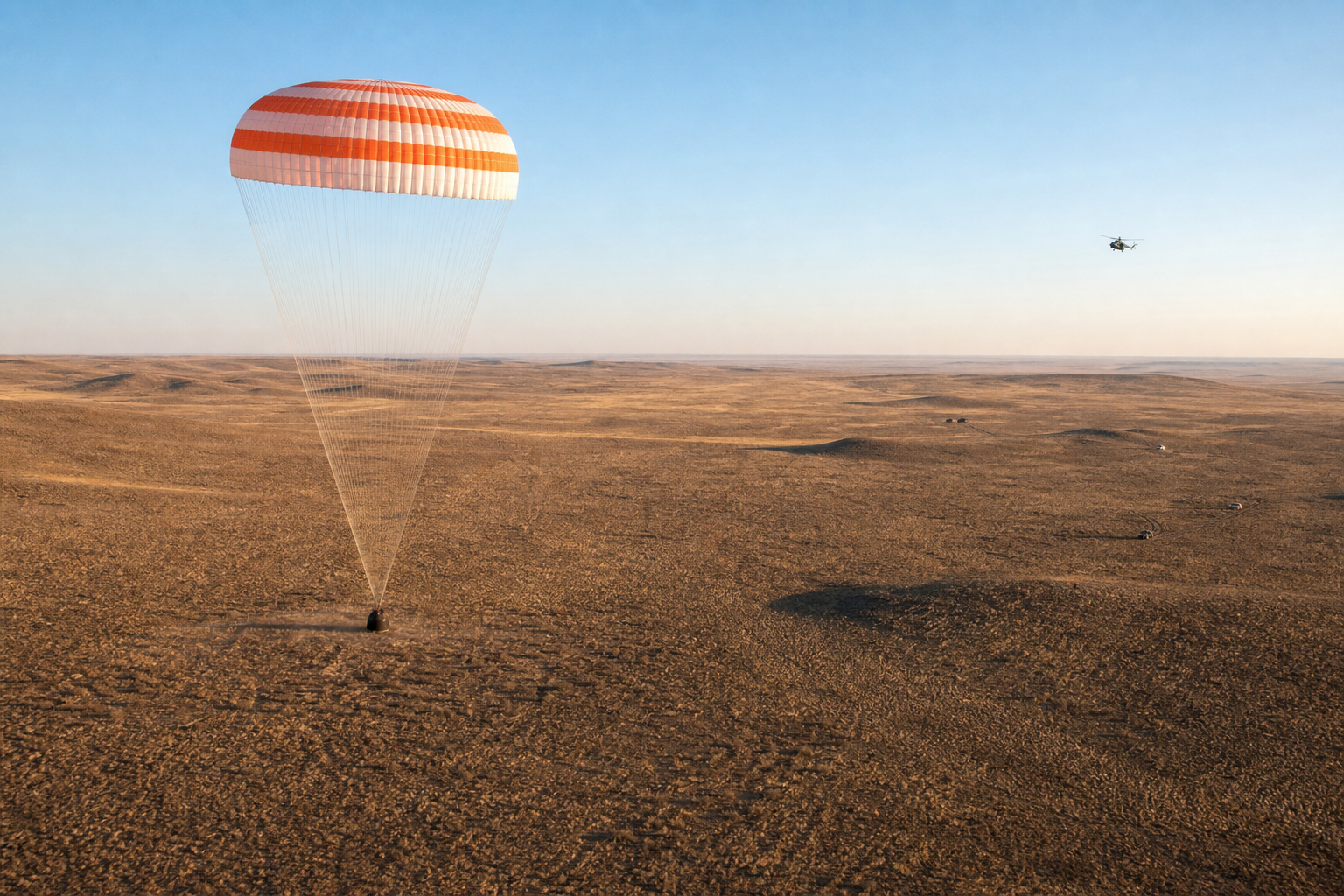
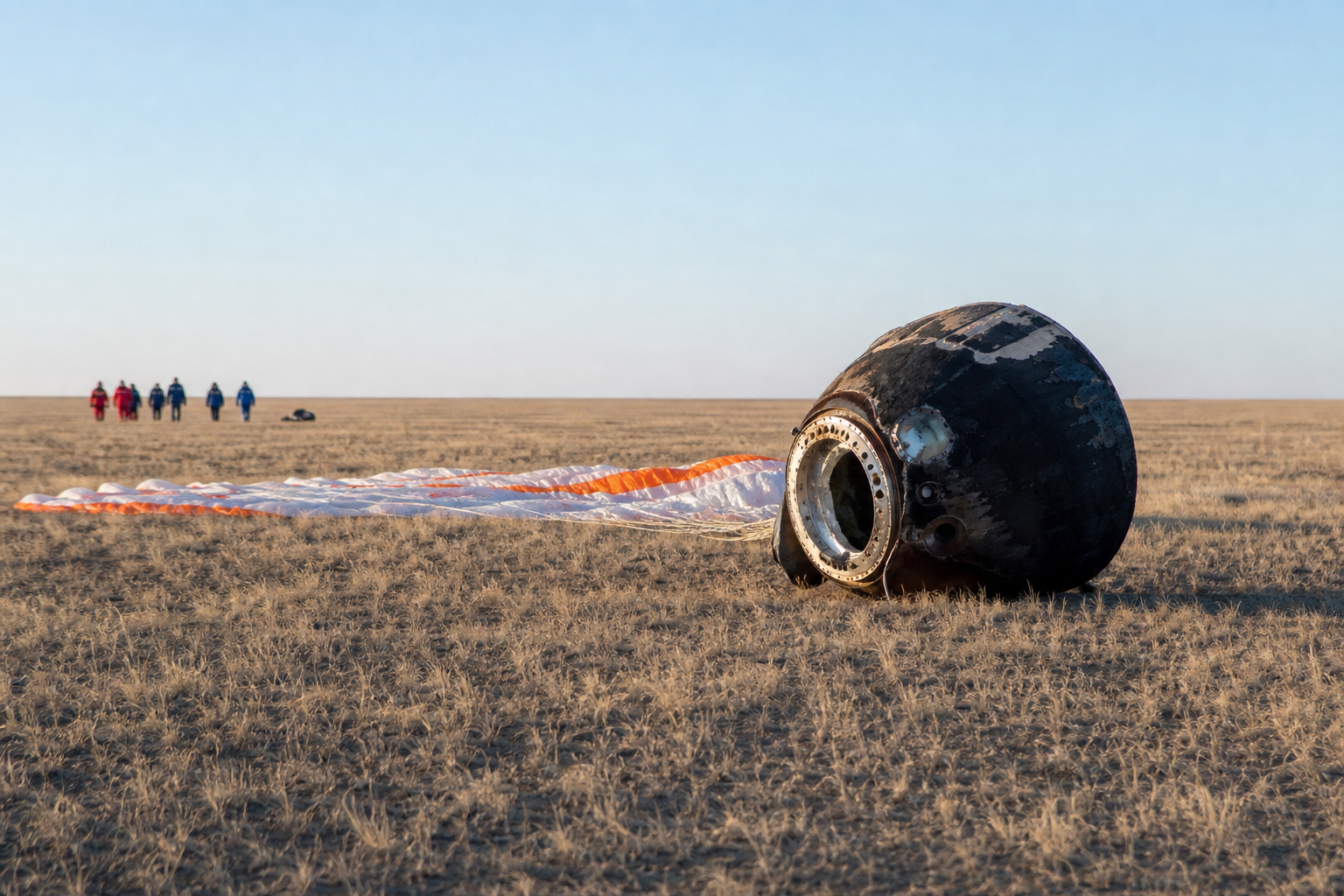
Soyuz MS-28 is home. On Sunday, July 26, the spacecraft brought NASA astronaut Chris Williams and Roscosmos cosmonauts Sergey Kud-Sverchkov and Sergei Mikaev safely back to Earth after 241 days aboard the International Space Station. Their parachute-assisted landing near Dzhezkazgan, Kazakhstan, closes a long mission in orbit—and opens the next, very human phase of recovery.
For Houston space fans, this return has a local next chapter. NASA says Williams will travel from Kazakhstan to the agency’s Johnson Space Center in Houston after post-landing checks. That is prospective language, not a confirmation that he has already arrived—but it is a reminder that a mission’s homecoming stretches well beyond the capsule’s touchdown.

The landing: a precise end to 241 days in space
NASA reports that Soyuz MS-28 undocked from the space station at 2:03 a.m. CDT. At 5:27 a.m. CDT, it made a safe, parachute-assisted landing southeast of Dzhezkazgan. In Kazakhstan local time, that was 3:27 p.m. The crew’s landing site was in a remote area near the town of Zhezkazgan.
Those details matter because a Soyuz return is a carefully sequenced operation, not simply a fall back to Earth. After separating from the station, the spacecraft performs its deorbit burn and enters the atmosphere. The crew ride through the fiery part of the return inside the descent module, then parachutes slow the capsule for landing on the steppe. Recovery teams are positioned to reach the crew quickly.
Williams, Kud-Sverchkov, and Mikaev spent 241 days in space, orbited Earth 3,856 times, and traveled more than 102 million miles, according to NASA. They launched to the station on November 27, 2025. It was the first spaceflight for Williams and Mikaev and the second for Kud-Sverchkov.
What the crew accomplished while orbiting Earth
The numbers are big, but the mission’s science is the more useful measure. NASA says Williams supported investigations and technology demonstrations that included work connected to potential cancer treatments and improved in-space manufacturing of materials used in high-performance computers and electronics.
He also completed two spacewalks: one to prepare for power-system upgrades on the station and another to replace a faulty joint on the Canadarm2 robotic arm. That work is the unglamorous, essential side of keeping a continuously inhabited laboratory operating—maintenance that helps protect future research time for many crews.
The International Space Station has supported continuous human presence for more than 25 years. Its experiments and operations are part of NASA’s preparation for longer missions to the Moon and Mars, while also creating research results that are difficult to reproduce on Earth.
Why Houston is part of the story
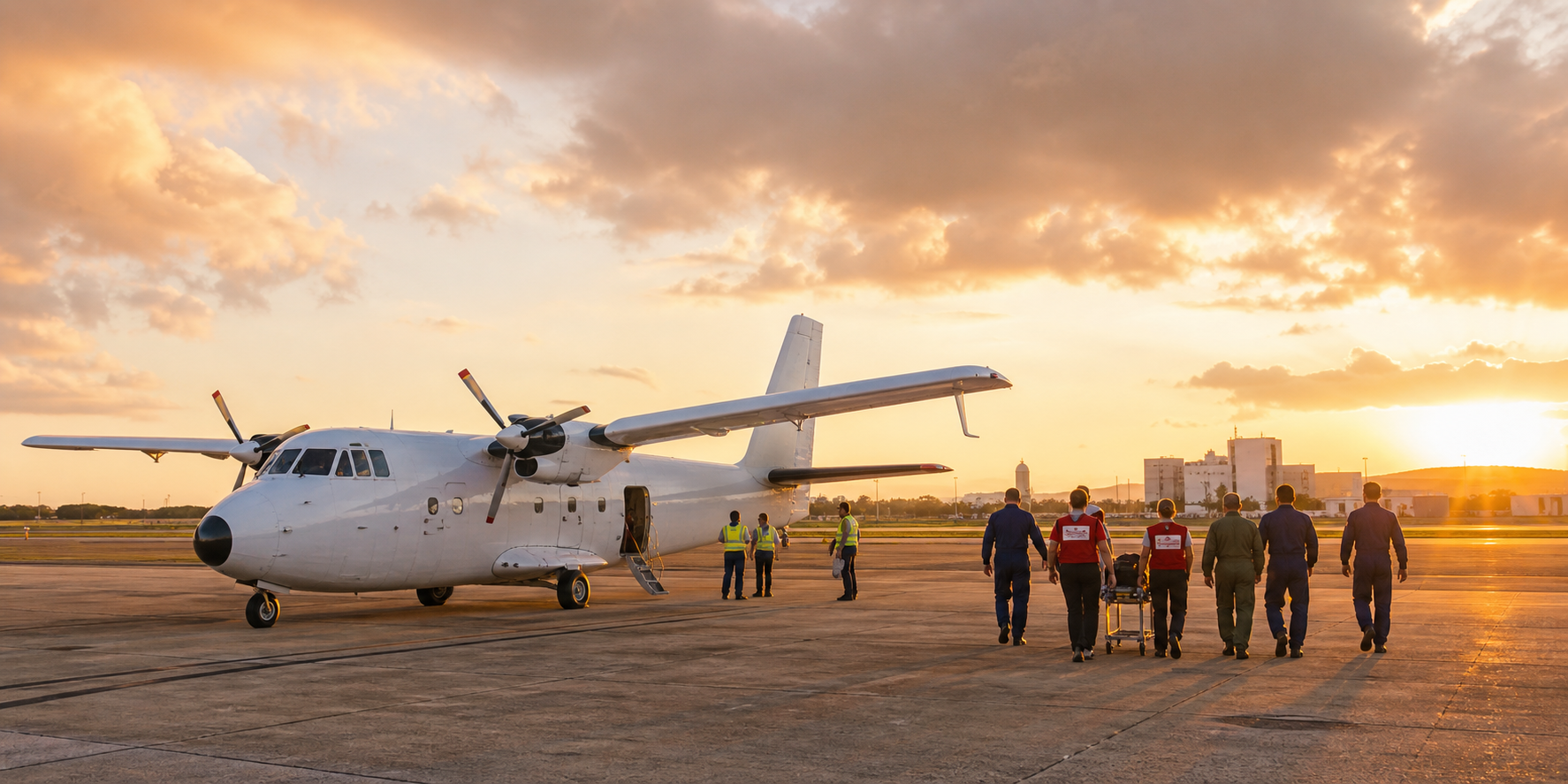
After landing, NASA says the crew will take a helicopter to Karaganda, Kazakhstan, where recovery teams are based. Williams will then board a NASA aircraft bound for Johnson Space Center in Houston. NASA’s release does not confirm his arrival in Houston, so the accurate reading is simple: Houston is his stated next destination after the initial recovery sequence.
That distinction is worth making. Returning from orbit is not an instantaneous reset. Medical teams begin checks immediately after landing, and astronauts continue adapting to gravity after months in microgravity. Johnson Space Center is one of the places where the long arc of a mission—from training through recovery—comes together.
For a closer, visitor-friendly look at that Houston connection, our first-timer guide to Space Center Houston explains how to plan a day around the public-facing side of NASA’s human-spaceflight home. And if mission news is the kind of thing that makes you want to compare notes with people who get it, join the Cosmic Match space community and find your next observing or launch-watch conversation.
A homecoming that belongs to more than one place
Soyuz MS-28’s return links a space station overhead, a landing zone in Kazakhstan, and a recovery route leading toward Houston. It also carries three personal milestones: the first completed spaceflight for Williams and Mikaev, and the second for Kud-Sverchkov.
For anyone following human spaceflight from Texas, the story is a good excuse to look up. The next ISS pass may be only a few minutes long, but it represents the same international work that brought this crew safely through 3,856 orbits and back to Earth.