June Solstice 2026: Why the Longest Day Arrives Overnight in the U.S.
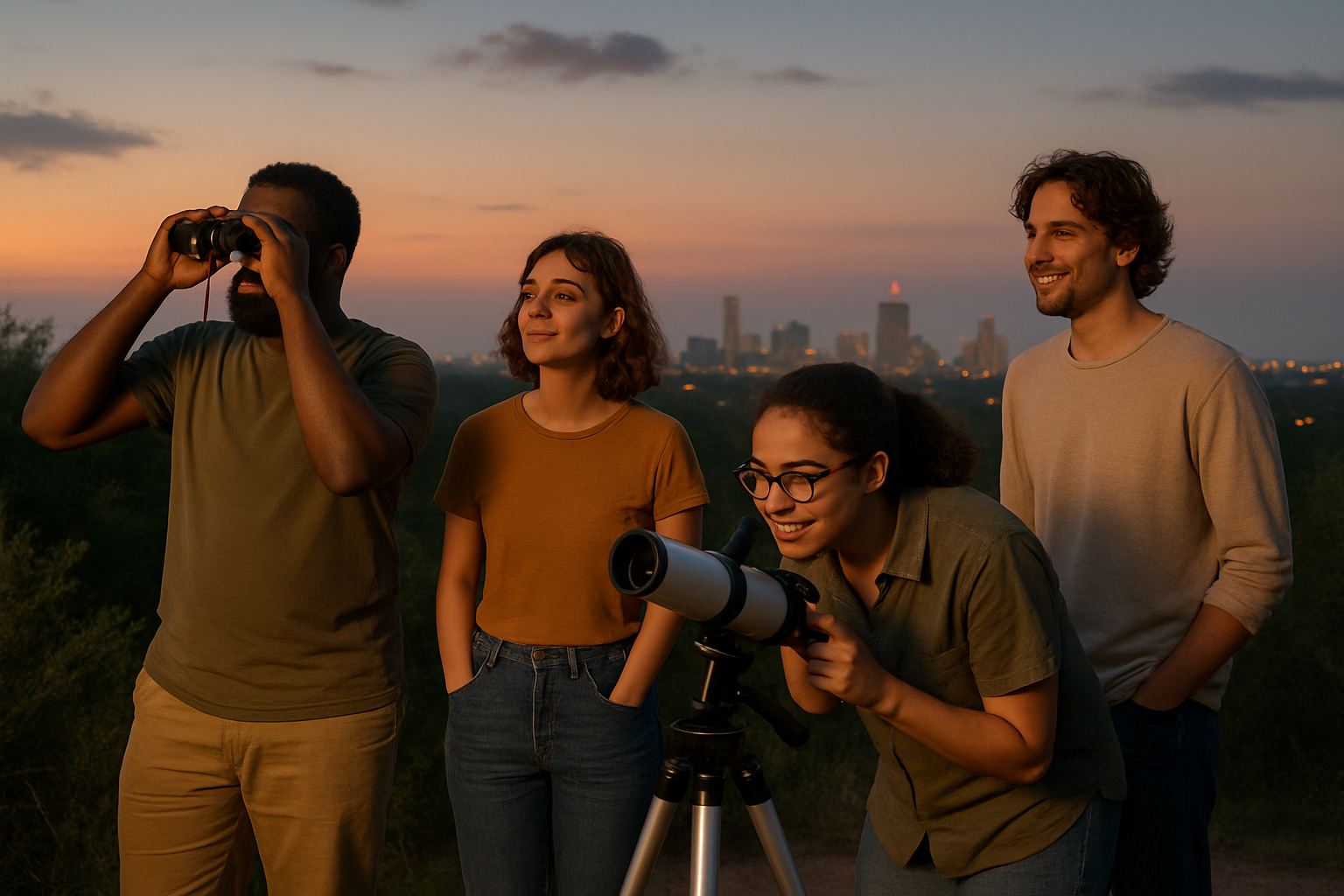
The longest day of 2026 does not begin with sunrise for most Americans. It begins while many people are asleep.
The exact June solstice happens on Sunday, June 21, 2026 at 08:24 UTC, which converts to 3:24 a.m. CDT in Austin and Houston and 1:24 a.m. PDT in Los Angeles. That is the whole hook this year: the astronomical start of summer lands overnight in U.S. time zones, even though the practical feeling of the longest day shows up later with a very late sunset and a stubbornly bright evening sky.
For Cosmic Match readers, that makes the solstice less of a one-minute spectacle and more of a timing explainer. If you are planning a rooftop hang, a park meetup, or a west-facing twilight session, the useful question is not just "when is the solstice?" It is "what changes in my city, and why does the latest sunset not happen that same day?"
If you want the wider June map first, our June 2026 stargazing calendar gives the month view. If you want the darker-sky follow-through after sunset, our June solstice night-sky guide covers what shifts once the sky finally gets dark.
The Solstice Is One Instant, Not an All-Day Event
The easiest way to make sense of the overnight timing is to stop thinking of the solstice as a vague full-day label. It is a single astronomical instant: the moment the Sun reaches its northernmost point in Earth's sky and stands directly above the Tropic of Cancer.
That moment happens at the same instant worldwide. What changes is the local clock.
- In UTC, it is 8:24 a.m. on June 21.
- In Austin and Houston, it is 3:24 a.m. CDT on June 21.
- In Los Angeles, it is 1:24 a.m. PDT on June 21.
That is why solstice headlines can feel slightly off if you read a global astronomy source and then check your own clock. The event is real and precise, but for American readers it arrives in the quiet hours between Saturday night and Sunday morning, not at lunchtime or right at sunset.
What the Longest Day Looks Like in Austin, Houston, and Los Angeles
The solstice moment is the same kind of event everywhere. The experience of the longest day is not.
Here is the practical June 21 picture for Cosmic Match's three live markets:
| City | Solstice moment | Sunrise on June 21 | Sunset on June 21 | Day length on June 21 |
|---|---|---|---|---|
| Austin | 3:24 a.m. CDT | 6:29 a.m. | 8:35 p.m. | 14h 06m 11s |
| Houston | 3:24 a.m. CDT | 6:21 a.m. | 8:26 p.m. | 14h 04m 35s |
| Los Angeles | 1:24 a.m. PDT | 5:42 a.m. | 8:08 p.m. | 14h 25m 39s |
The fast read is simple. Los Angeles gets the longest daylight window of the three, because it sits farther north than Austin and Houston. Austin edges Houston for total daylight, but both Texas cities still get a very similar late-evening rhythm: warm air, a long sunset runway, and a night sky that takes its time showing up.
For beginners, this matters because June 21 can feel later than your watch says. Dinner can end and the sky can still look like it has no intention of getting serious. That does not mean the solstice washed out the night. It means the longest day is doing exactly what it is supposed to do.
Why the Latest Sunset Does Not Happen on the Solstice
This is the part that surprises people every year.
The solstice gives you the longest total stretch of daylight, but it usually does not give you the earliest sunrise and latest sunset on that exact same date. NASA uses Los Angeles as a clean example of this, and timeanddate's city pages show the same pattern across all three of Cosmic Match's current markets.
For June 2026:
- Austin: the earliest sunrise falls on June 11, while the latest sunset lands on June 29 or June 30.
- Houston: the earliest sunrise falls on June 10 or June 11, while the latest sunset lands on June 29 or June 30.
- Los Angeles: the earliest sunrise falls on June 11 or June 12, while the latest sunset lands on June 28 or June 29.
So yes, June 21 is still the longest day. It just is not the day when every daylight-related milestone lines up at once.
The short version is that clock time and solar time drift slightly against each other through the year. Earth's orbit is not a perfect circle, and the planet's axis is tilted, so solar noon moves a little relative to the clock. The result is a split pattern: the earliest sunrise comes before the solstice, the latest sunset comes after it, and the longest total day sits in the middle.
That is also why a lot of people feel like the "latest light" of summer arrives a week after the solstice. In everyday life, that feeling is mostly right.
How To Use Solstice Weekend if You Actually Want To Go Outside
For a space-loving community, the best solstice plan is practical, not ceremonial.
On the evening of Saturday, June 20, treat the extra daylight like an invitation to start earlier than usual. Long twilight is good for conversation, easy photos, and bright western targets. On Sunday, June 21, the solstice itself will already be over by the time most people wake up, but the long-day feeling will be obvious all evening.
That makes this a good weekend for:
- a relaxed Austin stargazing meetup before full darkness really settles in: find Austin space lovers
- a humidity-aware Houston skywatch hang where the sunset glow is part of the point: meet Houston astronomy locals
- a Los Angeles evening session that starts with twilight and stays out for the first brighter summer stars: connect with Los Angeles stargazers
If your plan is less "watch the exact moment" and more "make the most of the weekend," that is the right instinct. The solstice is a clock event. The community value is the long evening around it.
Once the sky gets darker, you can roll straight into the seasonal follow-up. Our Summer Triangle guide is the easiest next step if you want one bright pattern to anchor the rest of the night.
Bottom Line
The useful headline for American readers is not just that the June solstice happens on June 21, 2026. It is that the exact moment lands overnight in the United States: 3:24 a.m. CDT in Austin and Houston, and 1:24 a.m. PDT in Los Angeles.
After that, each city gets its own version of the longest day: 14 hours, 6 minutes of daylight in Austin, 14 hours, 4 minutes in Houston, and 14 hours, 25 minutes in Los Angeles. And if the sunset still seems to get later after June 21, that is not your imagination. The latest sunset comes after the solstice in all three cities.
If you want more people in your orbit who care about things like solstice timing, twilight windows, and why the latest sunset arrives late, join free on Cosmic Match.