Best Observatory Date Nights in Austin, Houston & LA
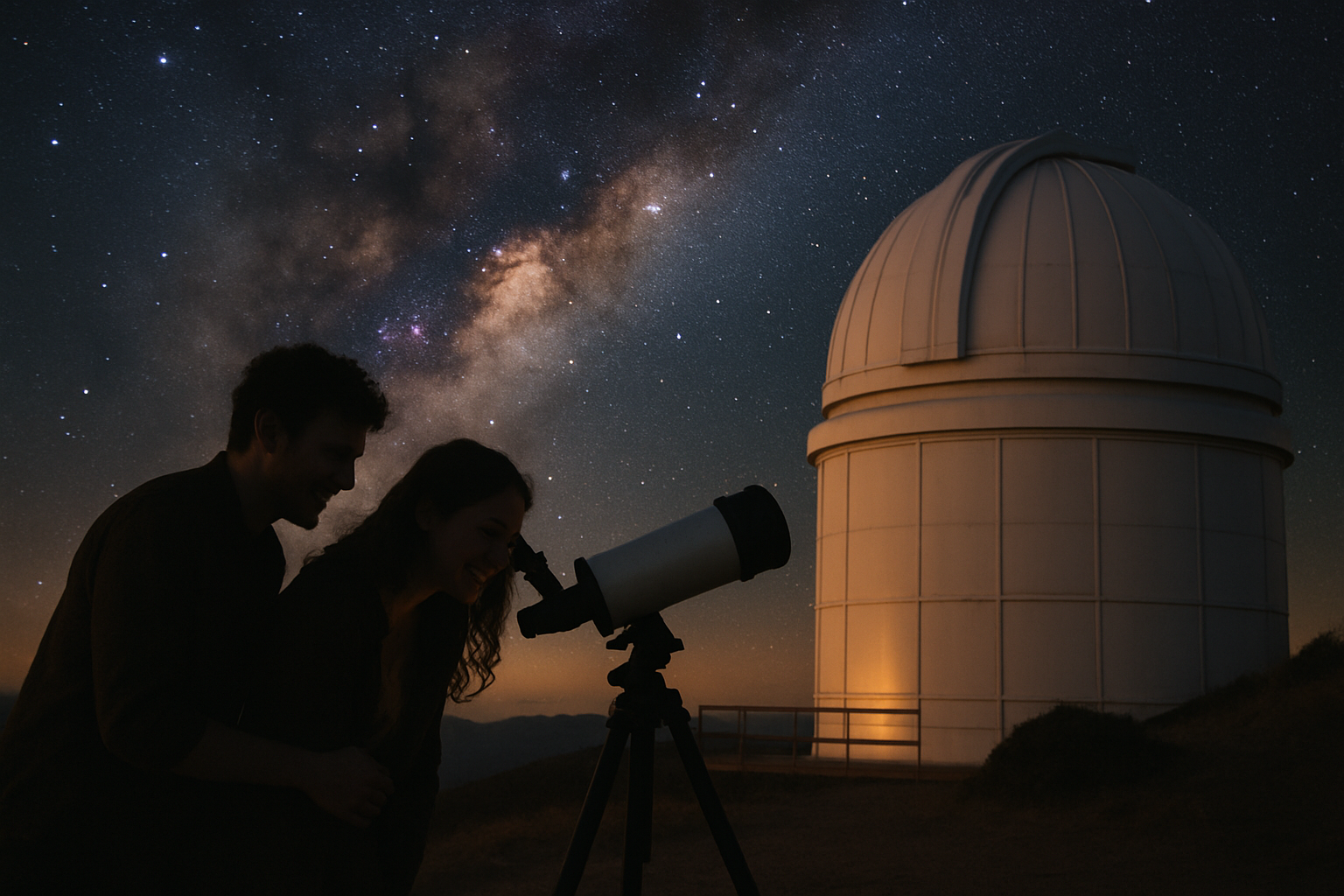
There is a very specific kind of silence that happens inside an observatory dome. The lights are low, everyone is waiting their turn at the eyepiece, and then someone sees Saturn's rings for the first time and forgets to act casual.
That is why observatory nights make such strong dates. They give you something real to react to, enough structure to keep the night moving, and the kind of shared awe that makes conversation easier. For space lovers, it beats another noisy bar by several astronomical units.
If you are planning a night out in Austin, Houston, or Los Angeles, these observatories and planetarium experiences are the best places to start. Always check the official calendar before you go, since weather, tickets, and telescope access can change quickly.
Austin: Make It a Weekend Under Darker Texas Skies
McDonald Observatory in Fort Davis
McDonald Observatory is not a quick Austin date. It is a full weekend move, about 450 miles west of Austin in the Davis Mountains. But for the right person, that is the point. The official visitor program includes evening Star Parties, where guests learn the night sky and look through telescopes when conditions cooperate.
The romance here is not fancy. It is dark skies, mountain air, layers you were glad you packed, and the realization that your date is just as happy talking about globular clusters as dinner reservations.
Plan this one when you are ready for a real trip. Book program passes ahead through the McDonald Observatory visitor calendar, bring warm layers even outside winter, and leave room in the schedule for weather. A cloudy night is nobody's fault, but a rushed five-hour drive is avoidable.
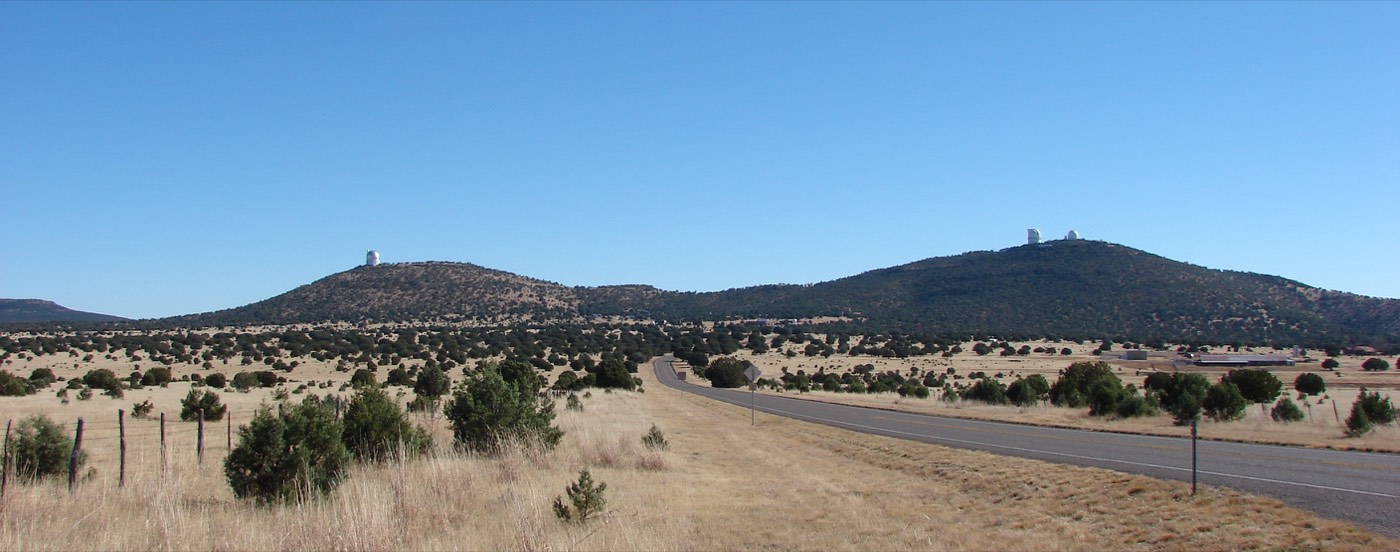
Photo: Jason Quinn via Wikimedia Commons, public domain.

UT Austin Astronomy Outreach
For something closer to home, keep an eye on the UT Austin Department of Astronomy outreach calendar. Campus and community star parties are lower-key than a destination observatory, which can make them better for an early date.
You do not need a dramatic plan. Meet for coffee or dinner near campus, walk over for telescope time if the event is running, then compare favorite objects afterward. It is casual, public, and full of built-in conversation starters.
Houston: Pair NASA Energy With Real Telescope Time
George Observatory at Brazos Bend State Park
George Observatory is the Houston-area classic. It sits inside Brazos Bend State Park, southwest of the city, and Texas Parks & Wildlife notes that the observatory is open Saturday nights year-round, weather permitting. The Houston Museum of Natural Science operates the observatory, so ticketing and program details should be checked before you drive.
This is a strong date because it feels like a miniature expedition without becoming a remote dark-sky marathon. Arrive early enough to enjoy Brazos Bend, then shift into astronomy mode after dark. Bring bug spray, comfortable shoes, water, and a red-light flashlight. Also remember that park entry and observatory programming can be separate logistics, so read the current instructions before you go.
If the skies cooperate, public telescope viewing can turn a normal Saturday into a story. The Brazos Bend State Park page and the George Observatory information from HMNS are the best starting points.
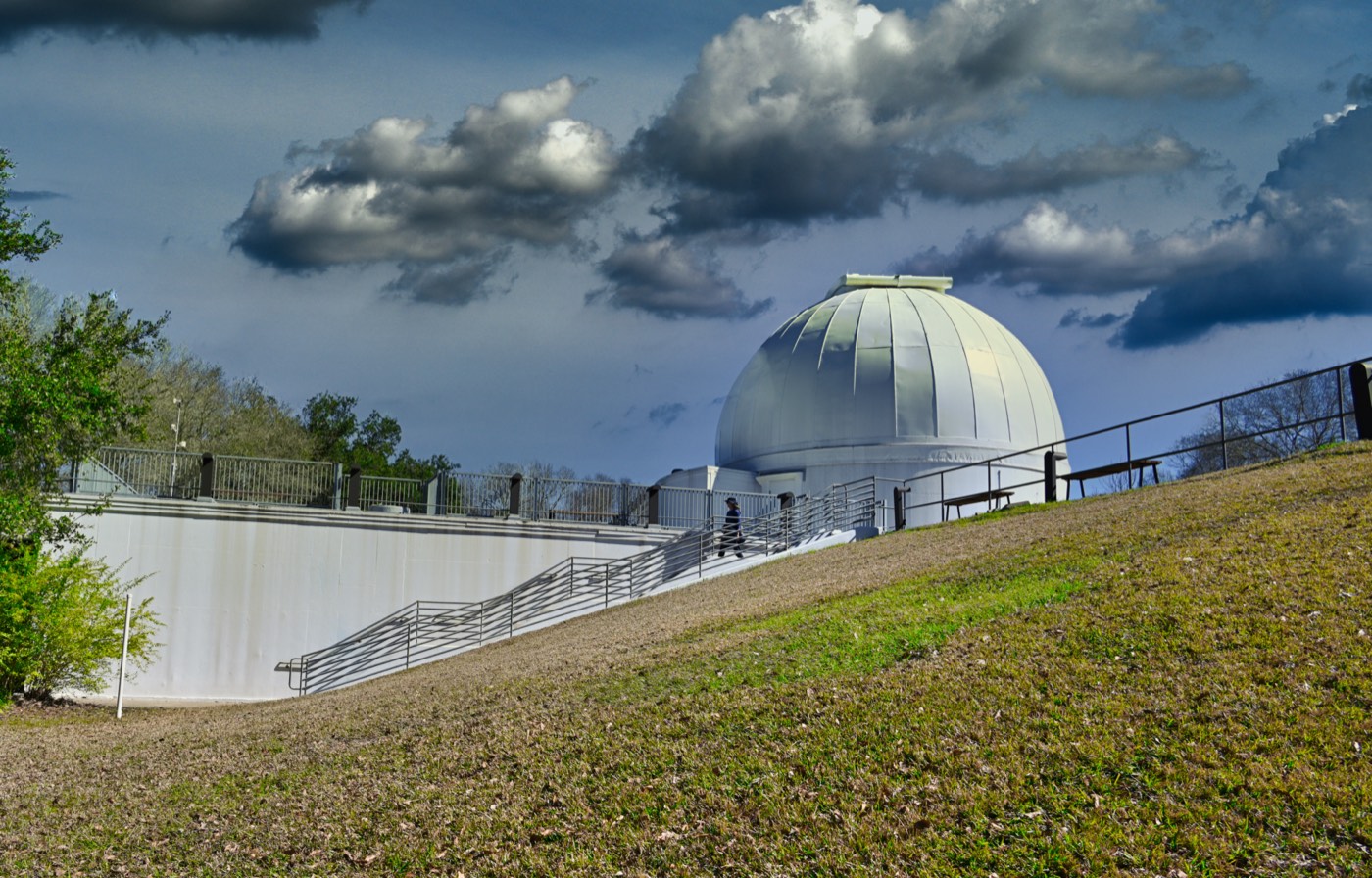
Photo: euthman via Wikimedia Commons, CC BY 2.0.

Burke Baker Planetarium at HMNS
Houston weather does not always care about your date plan. That is where the Burke Baker Planetarium at the Houston Museum of Natural Science helps. It keeps the night sky feeling immersive even when clouds, humidity, or schedule constraints make outdoor observing hard.
A planetarium date is especially good early on: it is time-boxed, easy to pair with dinner in the Museum District, and still signals that you are the kind of person who wants a little wonder in the evening.
Los Angeles: Big Views, Big Telescopes, Big Date Energy
Griffith Observatory
Griffith Observatory is famous for a reason. It has city views, the Hollywood Sign, exhibits, planetarium shows, and public telescope viewing when the observatory is open and skies are clear. The official Griffith site says free telescope viewing is available each evening the observatory is open, weather permitting.
For a date, arrive before sunset. You get the daylight view, the color shift over Los Angeles, and then the city lights below as the sky darkens. If the telescope lines are long, that is not a failure. It is just more time to wander the exhibits and find out whether your date has opinions about Mars.
Check Griffith Observatory's visit page and daily programs before going, especially around holidays, closures, traffic, and parking.
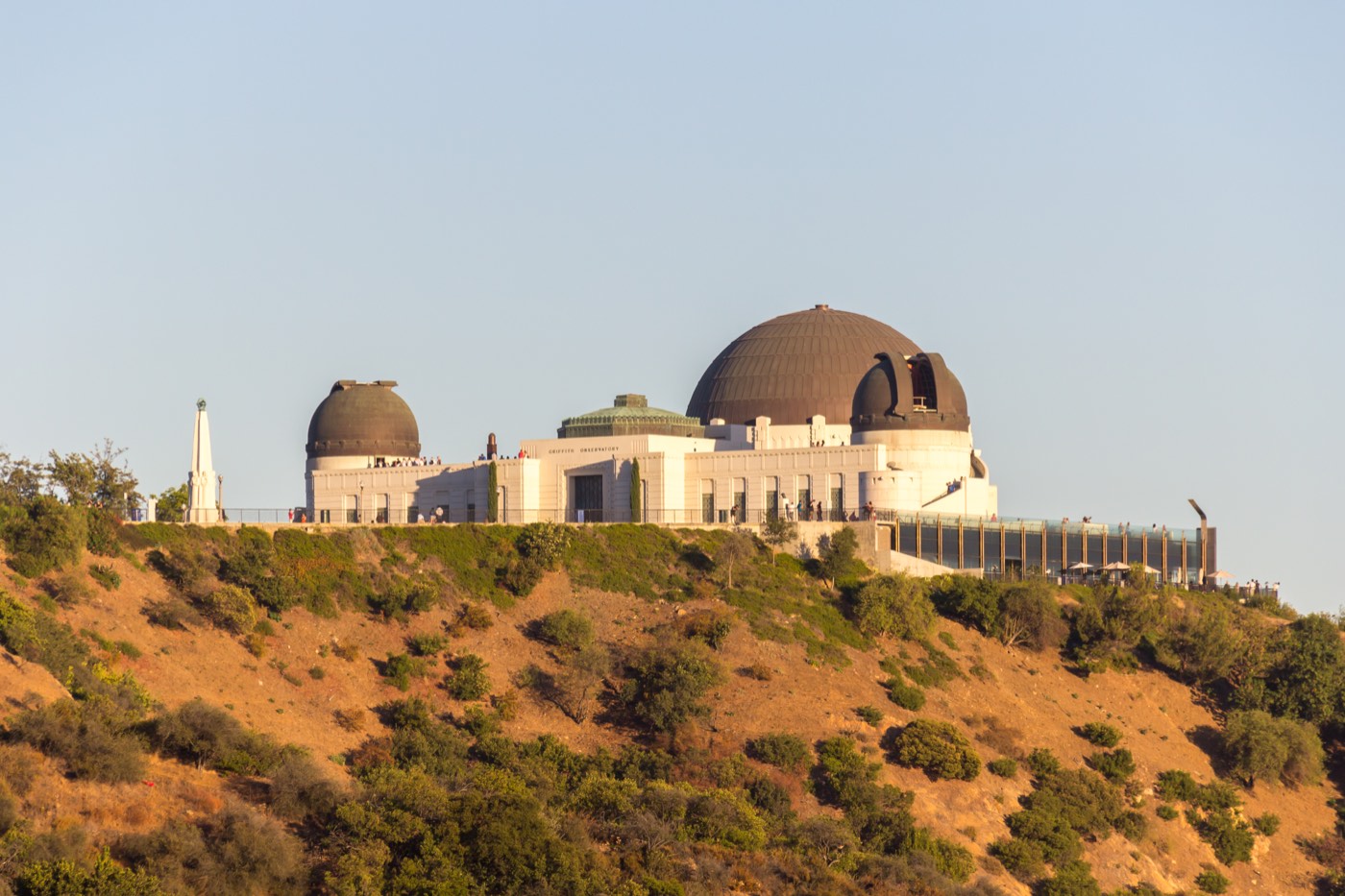
Photo: Mike Peel via Wikimedia Commons, CC BY-SA 4.0.

Mount Wilson Observatory
Mount Wilson is the more serious astronomy choice for LA. The public ticket nights are built around historic large telescopes, including 60-inch and 100-inch telescope sessions. The observatory notes that events are seasonal and ticketed, with details posted through its official schedule.
This is not the easiest first date. It involves a mountain drive, late hours, cool temperatures, and advance planning. But for two people who already love astronomy, that can be exactly the appeal. Bring warm layers, snacks if permitted for your session, and patience with mountain logistics.
Start with the Mount Wilson public ticket nights page before making promises.
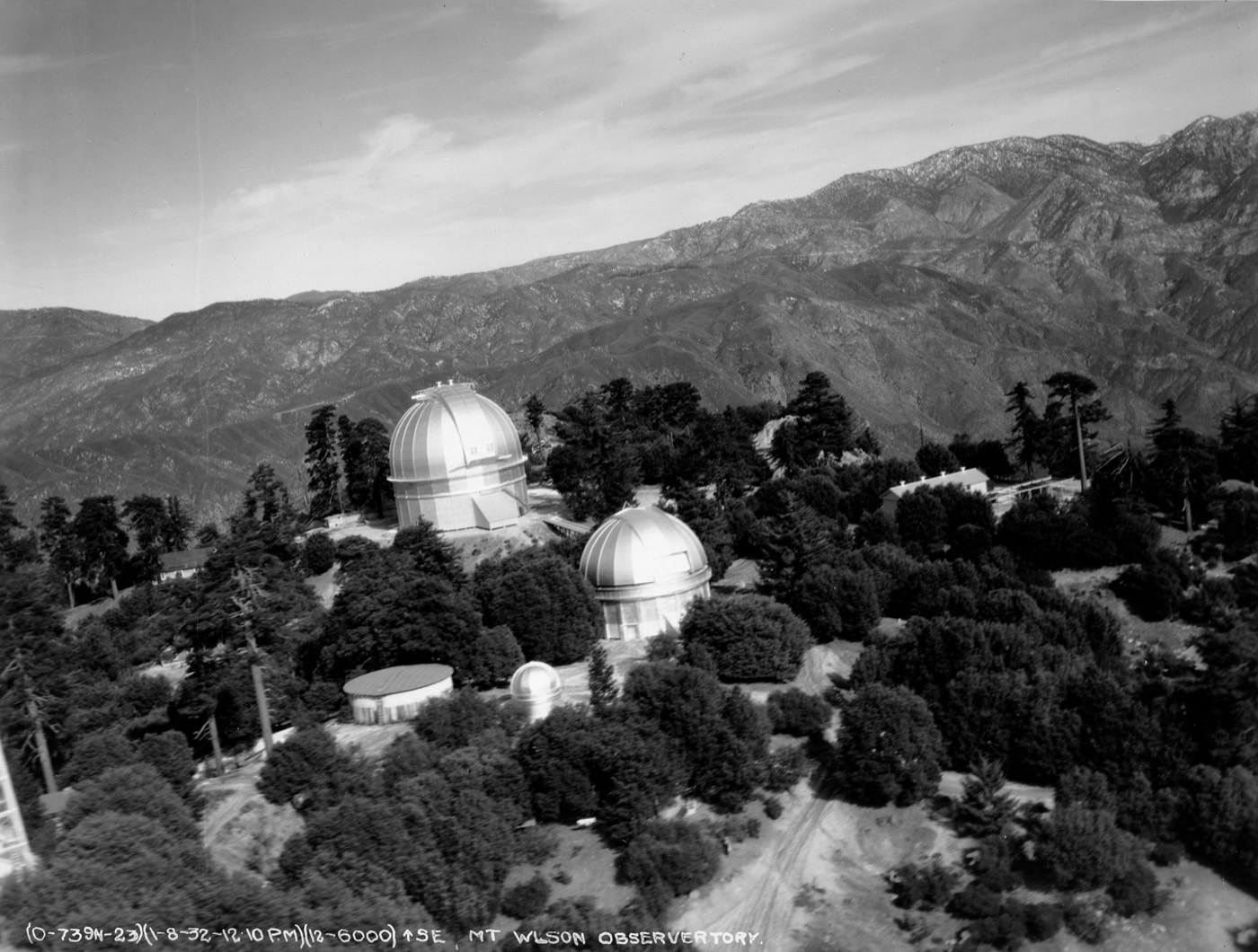
Photo: U.S. National Archives and Records Administration via Wikimedia Commons, public domain.

How to Make an Observatory Date Work
Book or reserve first. Many public programs have limited capacity, and some sell out quickly.
Check the weather twice. Once when you make the plan, and again before leaving. Telescope programs depend on clouds, wind, and visibility.
Dress warmer than the city forecast suggests. Domes, rooftops, parks, and mountain sites get chilly fast after sunset.
Use red light outdoors. White phone flashlights wreck night vision and annoy everyone around you.
Make dinner flexible. Observatory timing can be odd, so choose food that works before or after instead of forcing a tight reservation.
Keep the first date version simple. Planetariums, campus outreach nights, and Griffith are easier first-date options than a long dark-sky road trip.
Find Someone Who Thinks This Sounds Perfect
The hardest part of an observatory date is not finding a telescope. It is finding someone who hears "public telescope night" and immediately wants to go.
That is what Cosmic Match is built for: a web-based dating platform for people who love astronomy, rockets, astrophotography, and the night sky. If you want someone who would happily compare planetarium shows, debate the best beginner telescope, or plan a weekend around a meteor shower, sign up at cosmicmatch.io.
For a more open-sky version of this plan, start with our guide to stargazing date ideas in Texas. Then bring the right person, the right layers, and a little patience with the weather.
Clear skies make a good date better. The right person makes the cloudy nights worth it too.