Ariane 6 VA270 Succeeds: Europe’s First GTO Mission, Explained
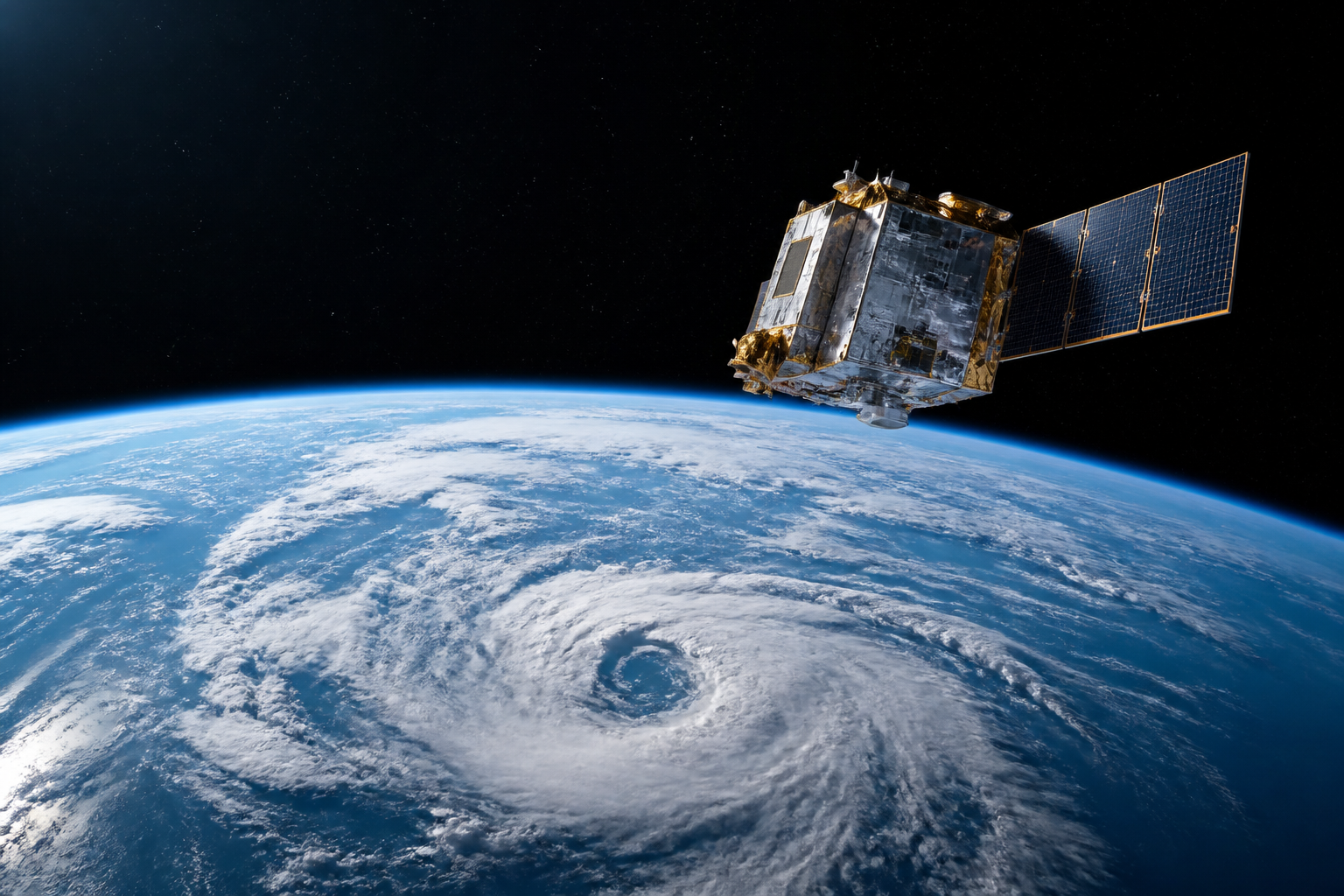
Ariane 6 has completed its first successful mission to geostationary transfer orbit (GTO). Flight VA270 lifted off from Europe’s Spaceport in French Guiana at 20:11 UTC on August 27 (17:11 BRT) carrying the MTG-I2 weather satellite. ESA confirms the satellite separated about 36 minutes later and made immediate contact with the Malindi ground station. The rocket’s milestone is real; the satellite’s work is just beginning, with orbit-raising and commissioning still ahead.
For anyone watching launch news from Austin, Houston, or Los Angeles, this is a satisfying kind of success story: a precise rocket flight, a new weather-observing spacecraft on its way, and a reminder that space missions keep moving after the livestream ends. ESA’s launch-success release and CNES’s VA270 confirmation are the primary sources for the result.

What happened on Ariane 6’s VA270 mission?
VA270 was the ninth Ariane 6 launch and its first mission headed for GTO. CNES reports that the mission successfully placed MTG-I2 on its planned transfer trajectory after launching from French Guiana. ESA says contact with the spacecraft was established immediately after separation.
A successful launch is not merely a rocket clearing the tower. It means the launcher performed the sequence needed to release its payload on the intended path. In this case, the payload is MTG-I2, the next Meteosat Third Generation Imager satellite for EUMETSAT’s weather-observation system.
That makes VA270 an important proof point for Ariane 6: its new heavy-lift vehicle can now serve a mission profile used by satellites that need to reach geostationary orbit. That orbit is especially useful for weather monitoring because the spacecraft stays above the same part of Earth as the planet turns.
What is GTO, in plain language?
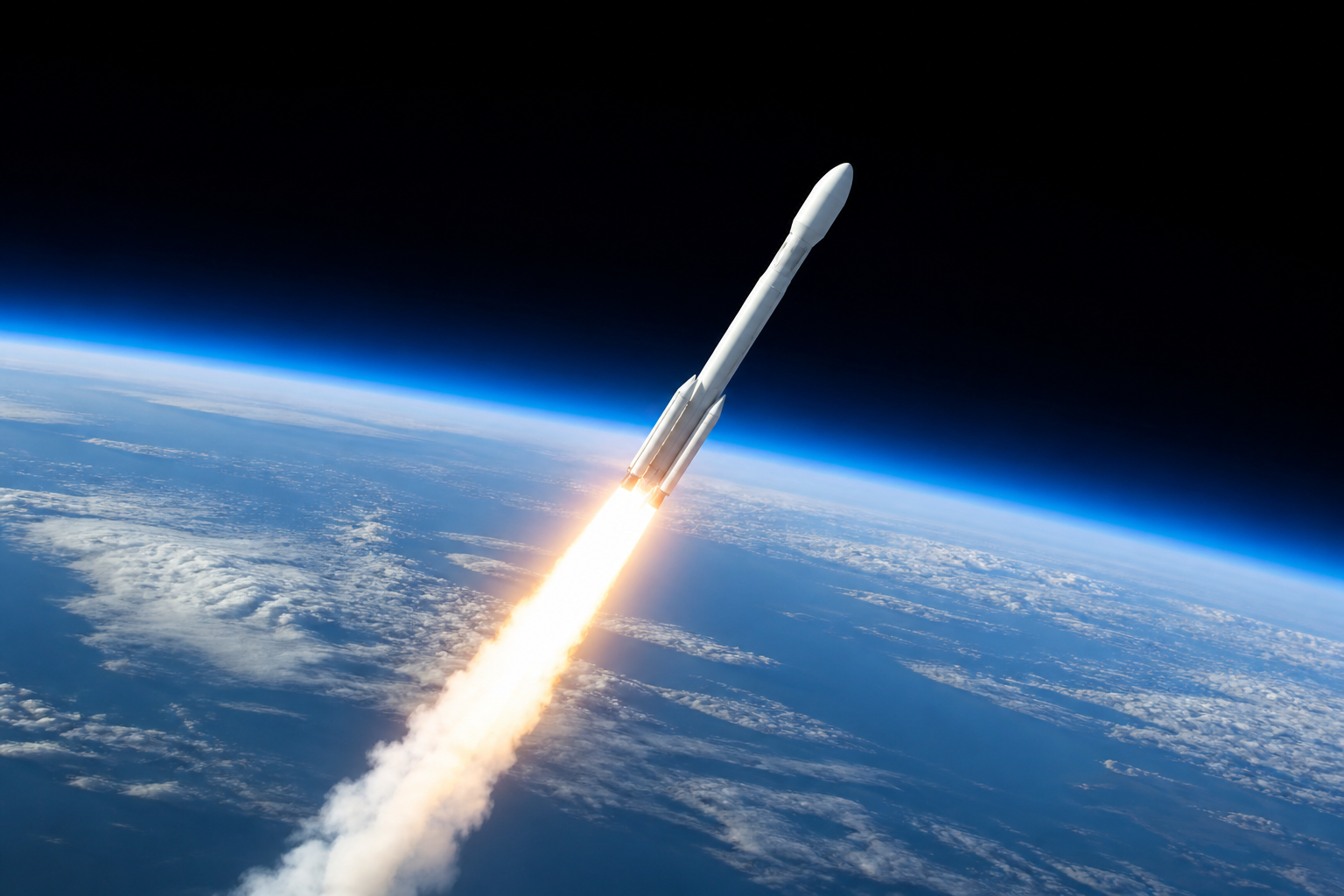
Geostationary transfer orbit is a deliberately stretched, oval orbit. Think of it as the on-ramp rather than the final parking space. A rocket puts a satellite onto that path; then the satellite uses its own propulsion over time to raise and reshape its orbit until it reaches the high, circular geostationary orbit it needs.
MTG-I2 has therefore not gone straight to its final post just because VA270 succeeded. ESA says orbit-raising operations are now starting. After that comes commissioning: engineers test the spacecraft and instruments before the satellite begins its operational role.
That distinction is worth keeping in view when following launch headlines. “Successful separation” means the rocket’s job is complete. “Operational weather satellite” comes later, after the spacecraft’s own carefully managed next steps.
Why does MTG-I2 matter for weather?
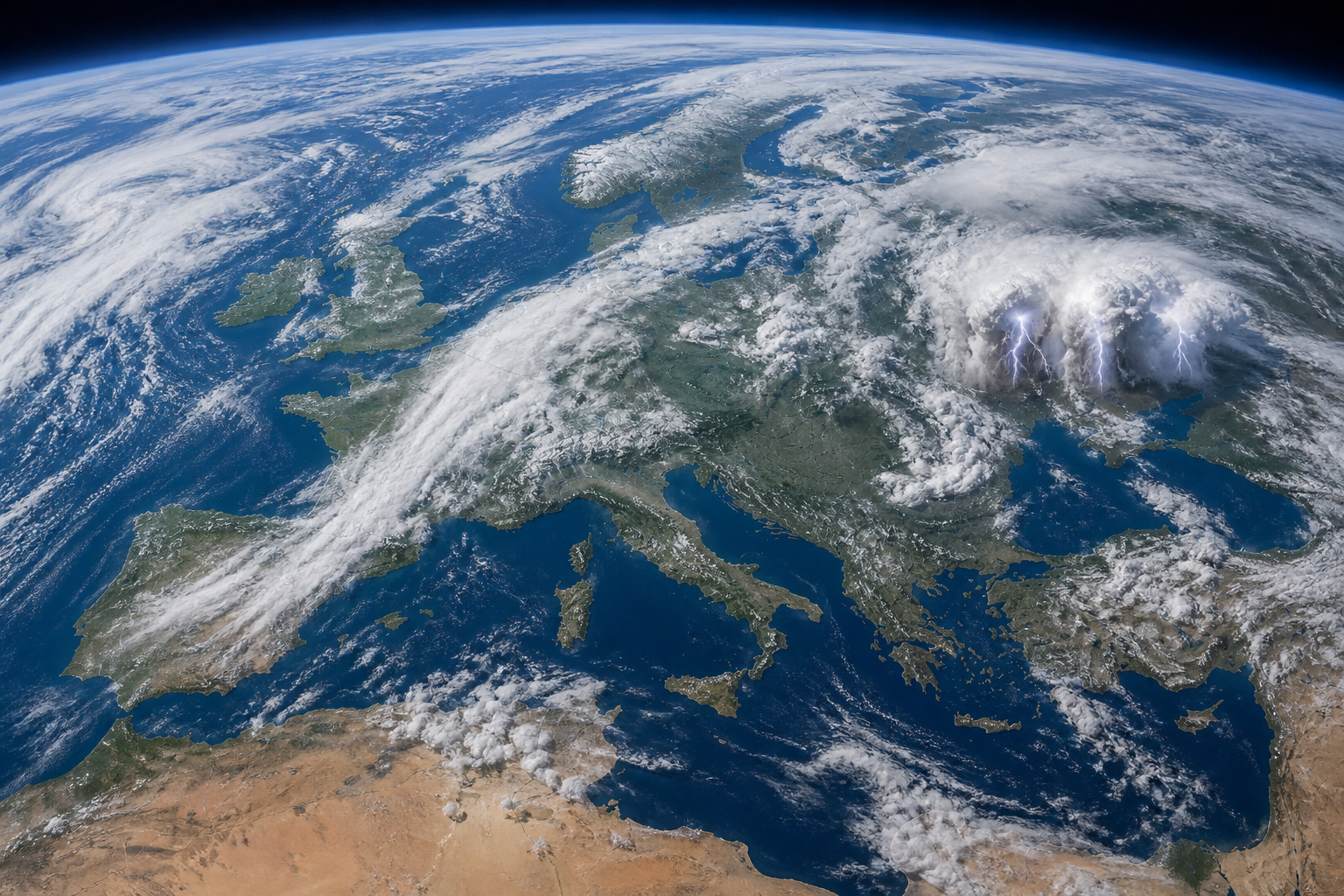
MTG-I2 completes the first family of Meteosat Third Generation satellites. Its imaging capability is designed to help weather services follow fast-changing systems over Europe and North Africa. ESA says the Flexible Combined Imager can scan the full Earth disk visible from its geostationary position every 10 minutes, and scan Europe and North Africa every 2.5 minutes.
That rapid repeat coverage matters for events that develop fast, including severe thunderstorms. The satellite also carries a Lightning Imager, adding another way for forecasters to track active weather. More frequent, detailed observations do not replace local forecasts or emergency guidance, but they give meteorologists a richer view of evolving conditions.
Why is this a launch milestone for Europe?
Ariane 6 was designed to give Europe independent access to space across several mission types. VA270’s first GTO mission extends that capability to a trajectory associated with communications and meteorological satellites. Arianespace’s mission page identifies MTG-I2’s target as GTO and its customer as EUMETSAT.
The news is also a good excuse to talk space with people who enjoy the whole story—not only the flame at liftoff, but the orbit mechanics, weather science, and patient commissioning that follow. Join the Cosmic Match space community to meet people who will happily unpack a launch result with you. For more recent mission context, browse our Space Exploration & History articles, including our look at Falcon 9’s 100th launch of 2026.
VA270’s successful flight is the beginning of MTG-I2’s next phase, not its finish line. Ariane 6 has demonstrated a new mission capability; now the satellite has to climb, check out its instruments, and eventually contribute another steady eye on Earth’s weather.
FAQ
When did Ariane 6 VA270 launch?
Ariane 6 lifted off on August 27, 2026, at 20:11 UTC (17:11 BRT) from Europe’s Spaceport in French Guiana, according to ESA.
Did MTG-I2 reach its final orbit immediately?
No. Ariane 6 placed it on a geostationary transfer orbit. MTG-I2 must now raise and circularize its orbit before commissioning and operational service.
What does MTG-I2 observe?
It is a weather-imaging satellite for the Meteosat Third Generation system. ESA says its imager can view the full visible Earth disk every 10 minutes and Europe/North Africa every 2.5 minutes.
Do I need equipment to follow space launches?
No. Official agency updates and launch streams are enough to follow a mission outcome; the best extras are curious questions and people to share them with.