ISRO Put EOS-05 in Transfer Orbit—Here Is What Still Has to Happen
ISRO Put EOS-05 in Transfer Orbit—Here Is What Still Has to Happen
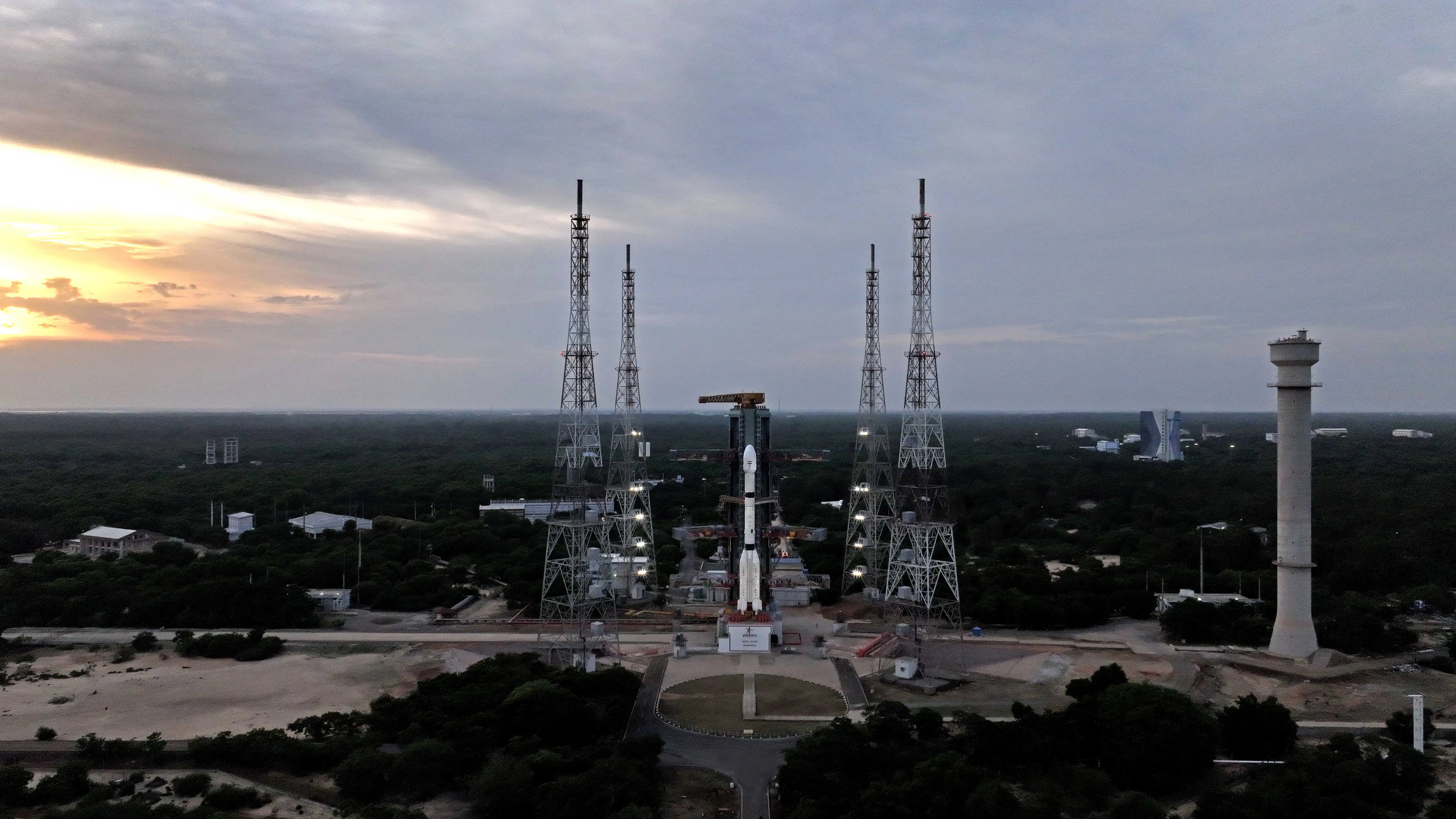
ISRO’s GSLV-F17 lifted off from Sriharikota on September 4, 2026, and successfully placed the EOS-05 Earth-observation spacecraft into its intended sub-geosynchronous transfer orbit. That is a real launch success—and a major one. It is not, however, the same thing as saying EOS-05 is already operating from its final geosynchronous position.
The distinction matters because the next part of a high-orbit mission happens after the rocket’s job is done. EOS-05 now needs to raise and refine its orbit, then go through commissioning before scientists and users can rely on it for regular observations. Think of transfer orbit as the highway on-ramp, not the destination parking spot.
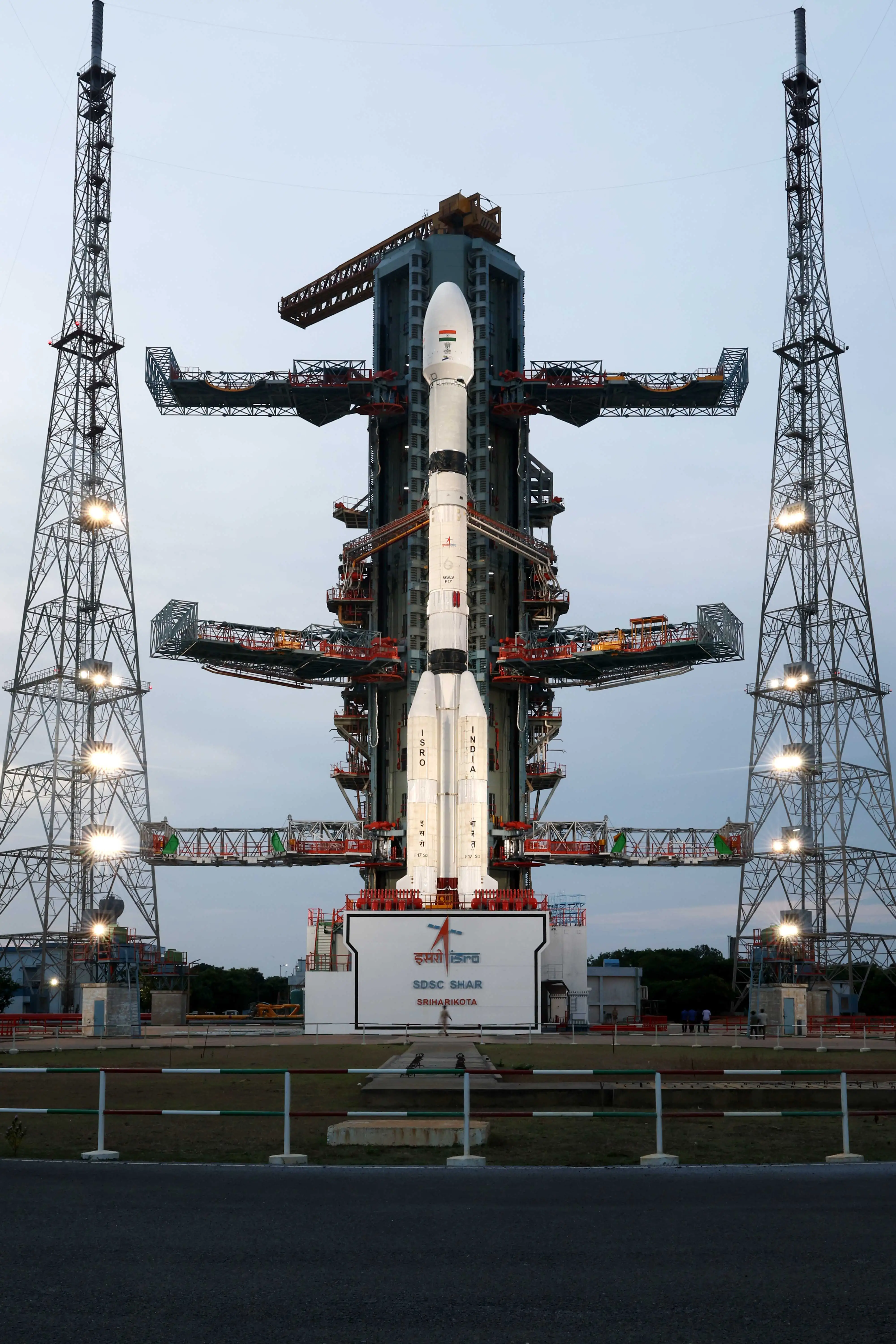
Image: GSLV-F17 at Satish Dhawan Space Centre before launch. Source: ISRO, reproduced with attribution under ISRO’s website copyright policy.
What did ISRO accomplish today?
According to ISRO’s GSLV-F17/EOS-05 mission page, the rocket successfully accomplished its mission and placed EOS-05 into the intended orbit. ISRO identifies that orbit as a Sub-Geosynchronous Transfer Orbit (Sub-GTO) and describes EOS-05 as an Earth-observation spacecraft.
That wording is important. The launcher has delivered the spacecraft onto the planned initial path around Earth. ISRO also calls EOS-05 India’s first imaging satellite from geosynchronous orbit—a statement about the mission’s intended observing regime, not a confirmation that routine imagery has begun.
The liftoff was from the Second Launch Pad at Satish Dhawan Space Centre, SHAR. GSLV-F17 is the 19th flight of India’s Geosynchronous Satellite Launch Vehicle, ISRO says.
What is a transfer orbit?
A transfer orbit is an intentionally stretched oval orbit. One end passes relatively close to Earth; the other reaches much farther out. Rockets use this path because it is an efficient way to send a spacecraft toward the altitude where a geosynchronous mission will work.
Once separated from the rocket, the spacecraft can fire its own engine near the high point of those loops. Those carefully timed burns raise the low point, adjust the tilt, and gradually shape the orbit toward its operational destination. The exact sequence and timeline for EOS-05 have not been detailed in the mission update reviewed for this article, so it would be premature to assign it a final slot or an operational date.
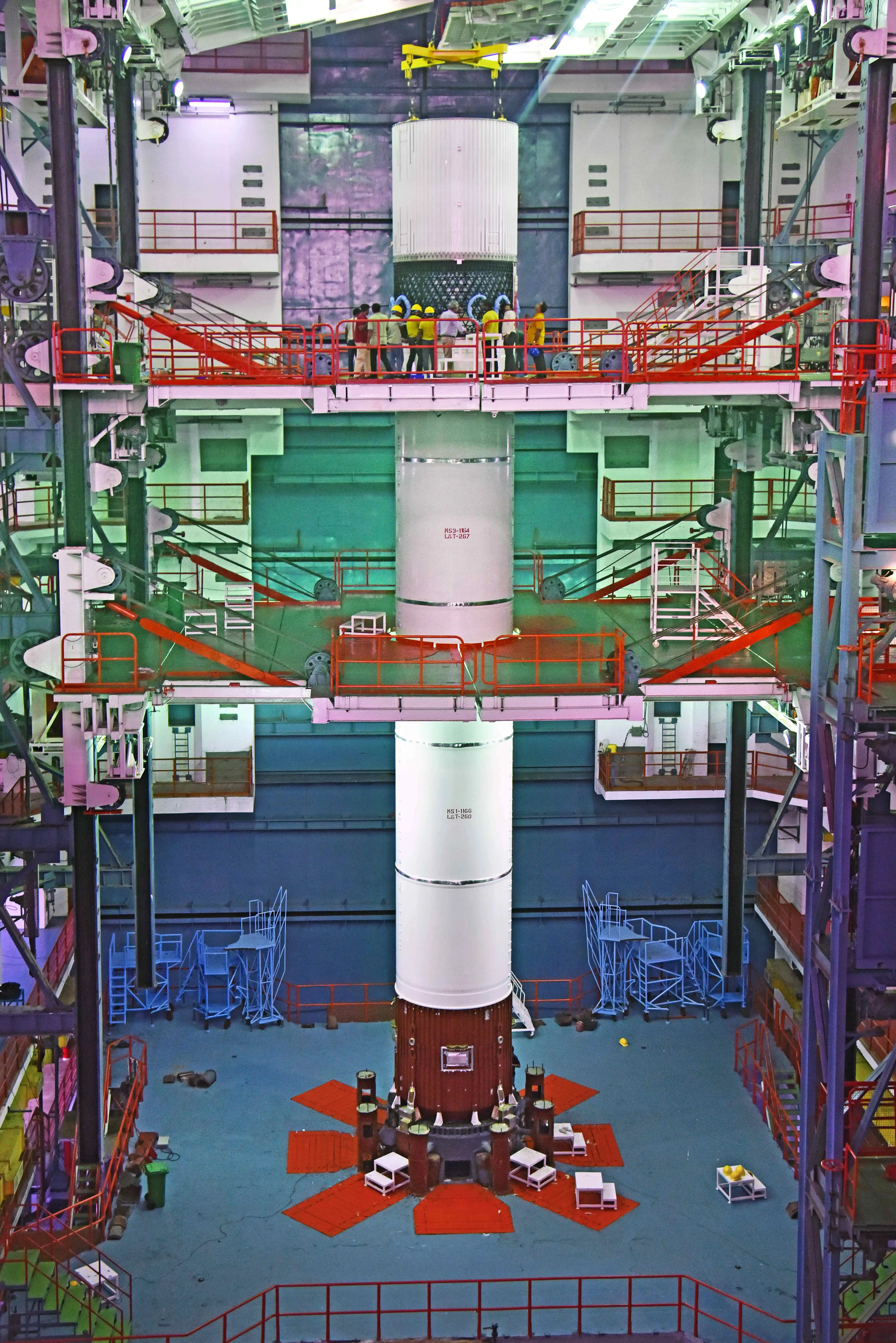
Image: GSLV-F17 integration activity before launch. Source: ISRO, reproduced with attribution under ISRO’s website copyright policy.
What happens between transfer-orbit injection and service?
For a mission like EOS-05, four phrases describe four different milestones:
- Transfer-orbit injection: the launch vehicle releases the spacecraft onto the intended initial trajectory. This is the milestone ISRO has confirmed.
- Orbit raising and orbit shaping: the spacecraft uses onboard propulsion to move toward the altitude and geometry needed for its mission.
- Commissioning: controllers test spacecraft systems, communications, pointing, power, and the imaging payload. They calibrate it and validate that it can safely perform as designed.
- Operational service: only after those checks can a mission begin delivering dependable, routine products for its intended users.
These stages can happen quickly or take longer, depending on the spacecraft and the results of each check. A successful launch makes the later work possible; it does not erase it.
Why would geosynchronous imaging be useful?
Most familiar Earth-imaging satellites fly low enough that they sweep over a given place and then move on. A geosynchronous mission is designed around a very different vantage point: from far above Earth, it can keep the same broad region in view as the planet rotates beneath it.
That perspective can be valuable when the goal is frequent, wide-area observation rather than a brief pass overhead. But it also calls for a precise orbit and a thoroughly checked instrument—exactly why “in transfer orbit” and “operational” should not be treated as interchangeable.
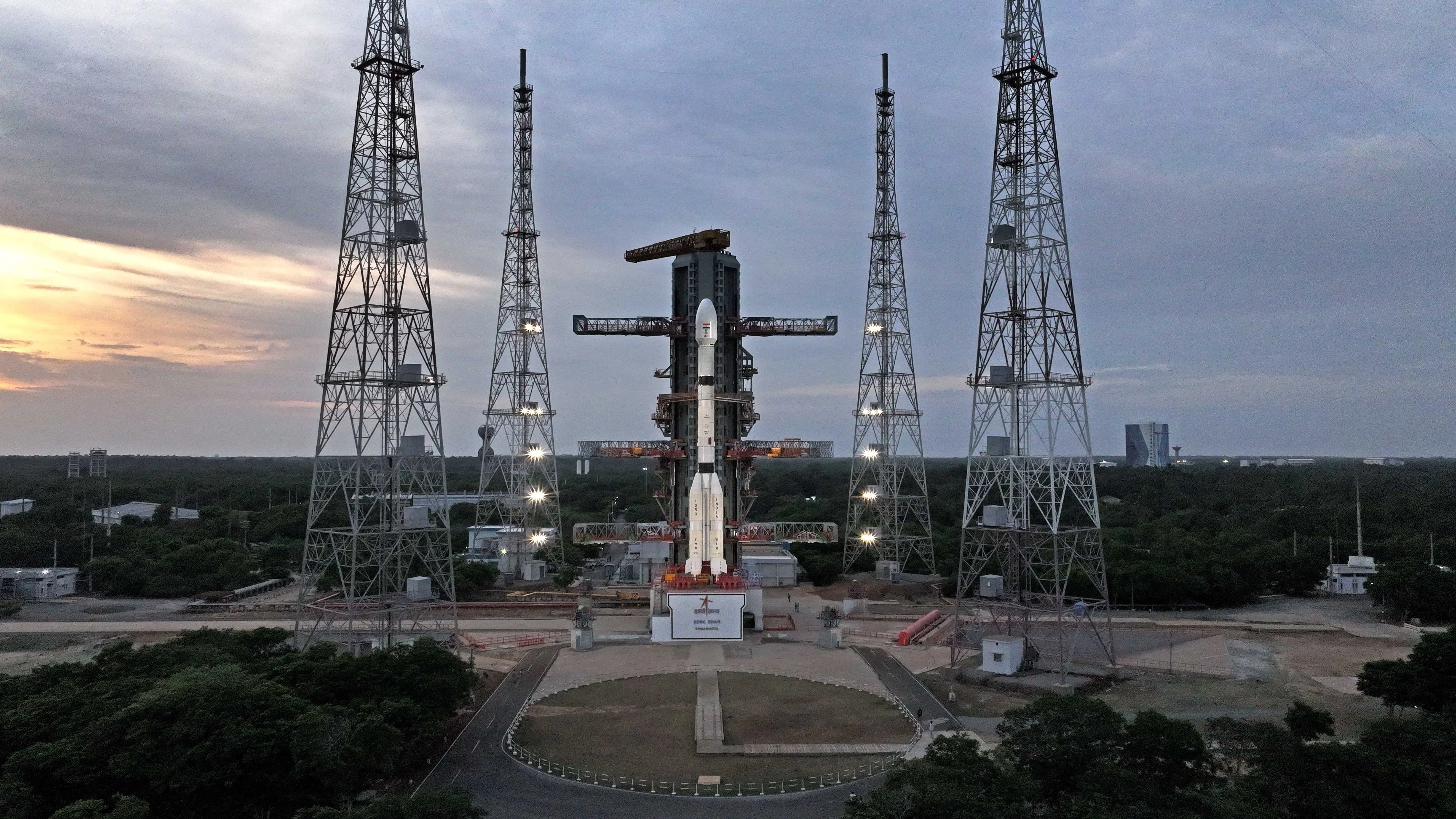
Image: Pre-launch view of GSLV-F17 at Satish Dhawan Space Centre. Source: ISRO, reproduced with attribution under ISRO’s website copyright policy.
Is EOS-05 operational now?
Not based on the public mission status checked on September 4. ISRO has confirmed the successful launch and intended Sub-GTO injection. Its spacecraft missions list records EOS-05 with its September 4 launch date but does not label it “Operational.”
That is not bad news; it is simply the normal boundary between a rocket delivery and a functioning mission. Watch for ISRO updates on orbit-raising, commissioning, and the start of regular service before treating EOS-05 as active in its final role.
For a useful comparison of why a transfer orbit is a milestone rather than an endpoint, see our explainer on Ariane 6’s first GTO mission. And if this is the kind of mission update you want to unpack with other curious sky-watchers, join the Cosmic Match space community free.
The clean takeaway
Today’s news is: GSLV-F17 succeeded at the job ISRO assigned to the launcher, delivering EOS-05 to its intended Sub-GTO. The next news will be about what EOS-05 does for itself—raising its orbit, being commissioned, and eventually entering regular Earth-observation service.
That distinction is one of the most useful habits in following spaceflight. “Launch successful” can be both exciting and accurate without implying that every downstream spacecraft milestone is already complete.
FAQ
Did ISRO say EOS-05 reached its intended orbit?
Yes. ISRO states that GSLV-F17 successfully accomplished its mission and placed EOS-05 into the intended orbit, which it identifies as a Sub-Geosynchronous Transfer Orbit.
Is a transfer orbit the same as a geosynchronous orbit?
No. A transfer orbit is a temporary, elongated path used to reach a higher operational orbit. A spacecraft must perform additional orbit-raising and shaping maneuvers before it can reach its intended geosynchronous configuration.
Is EOS-05 already sending routine Earth images?
ISRO’s public update confirmed launch and transfer-orbit injection, not operational service or routine imagery. Commissioning and later mission updates will establish that status.
Why not call it operational after a successful launch?
The rocket and spacecraft have separate jobs. A launch can succeed while the spacecraft still has orbit maneuvers, system tests, payload calibration, and commissioning ahead.