The Women Leading NASA’s Roman Telescope Into Launch Month
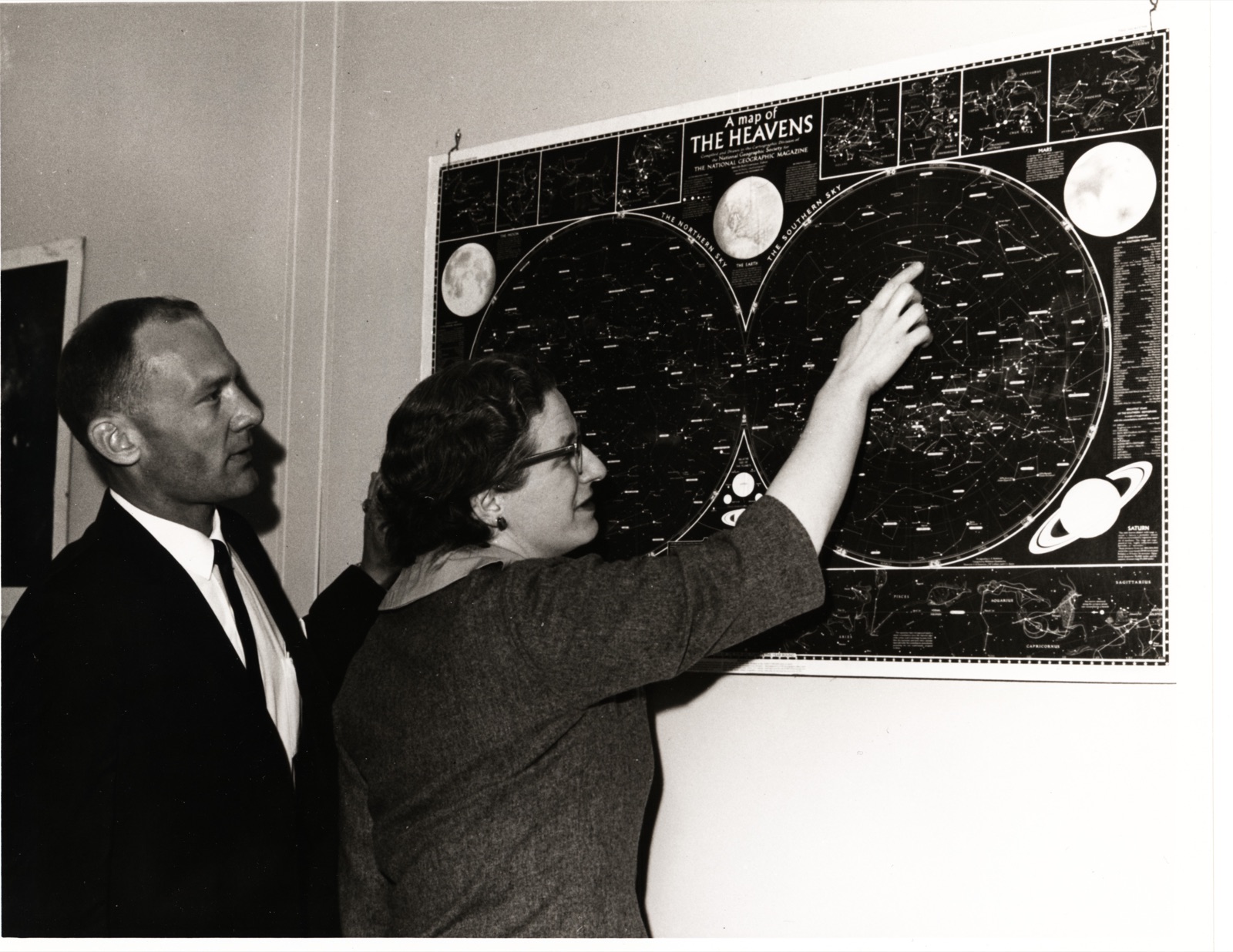
It’s hard to picture a woman in the 1960s pointing at a sky map, briefing Buzz Aldrin, and quietly helping make the space telescope era possible. But that was Nancy Grace Roman: an astronomer who turned a stubborn belief—that astronomy belonged above Earth’s atmosphere—into a working future.
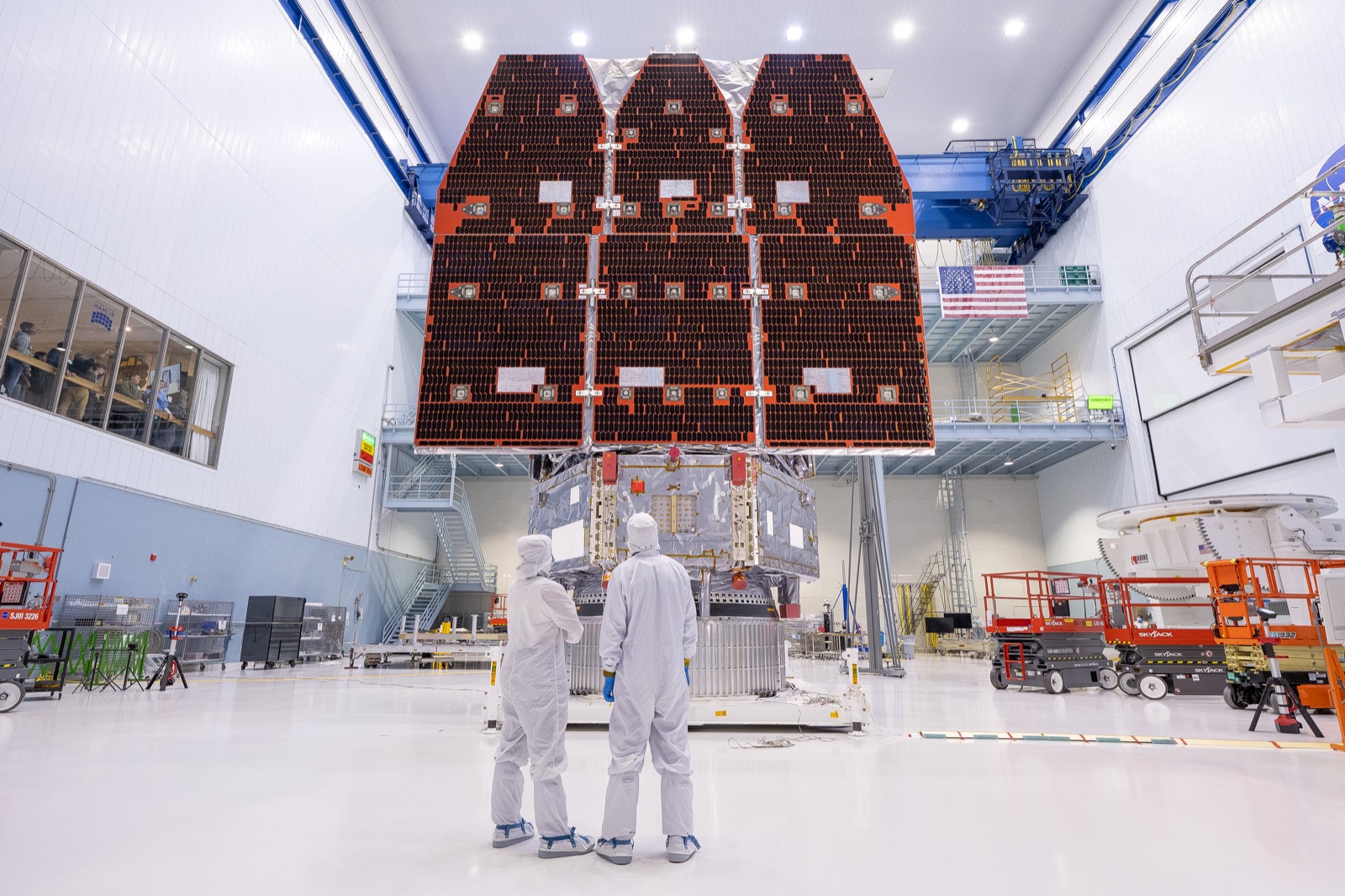
As August begins, the telescope that bears her name is in its final stretch toward launch. NASA completed Roman’s fueling on July 25, loading 290 gallons of hydrazine at Kennedy Space Center. The next physical milestones are attaching the observatory to its launch adapter and enclosing it inside the payload fairing. NASA currently lists liftoff for 7:26 a.m. EDT on Sunday, August 30, 2026, aboard a Falcon Heavy from Launch Complex 39A at Kennedy Space Center. That moment has been decades in the making, and it is a useful reminder that big space missions are never the work of one heroic name. They are built by teams, including women whose science, systems thinking, and patient project work carry a mission from idea to sky.

Who was Nancy Grace Roman?
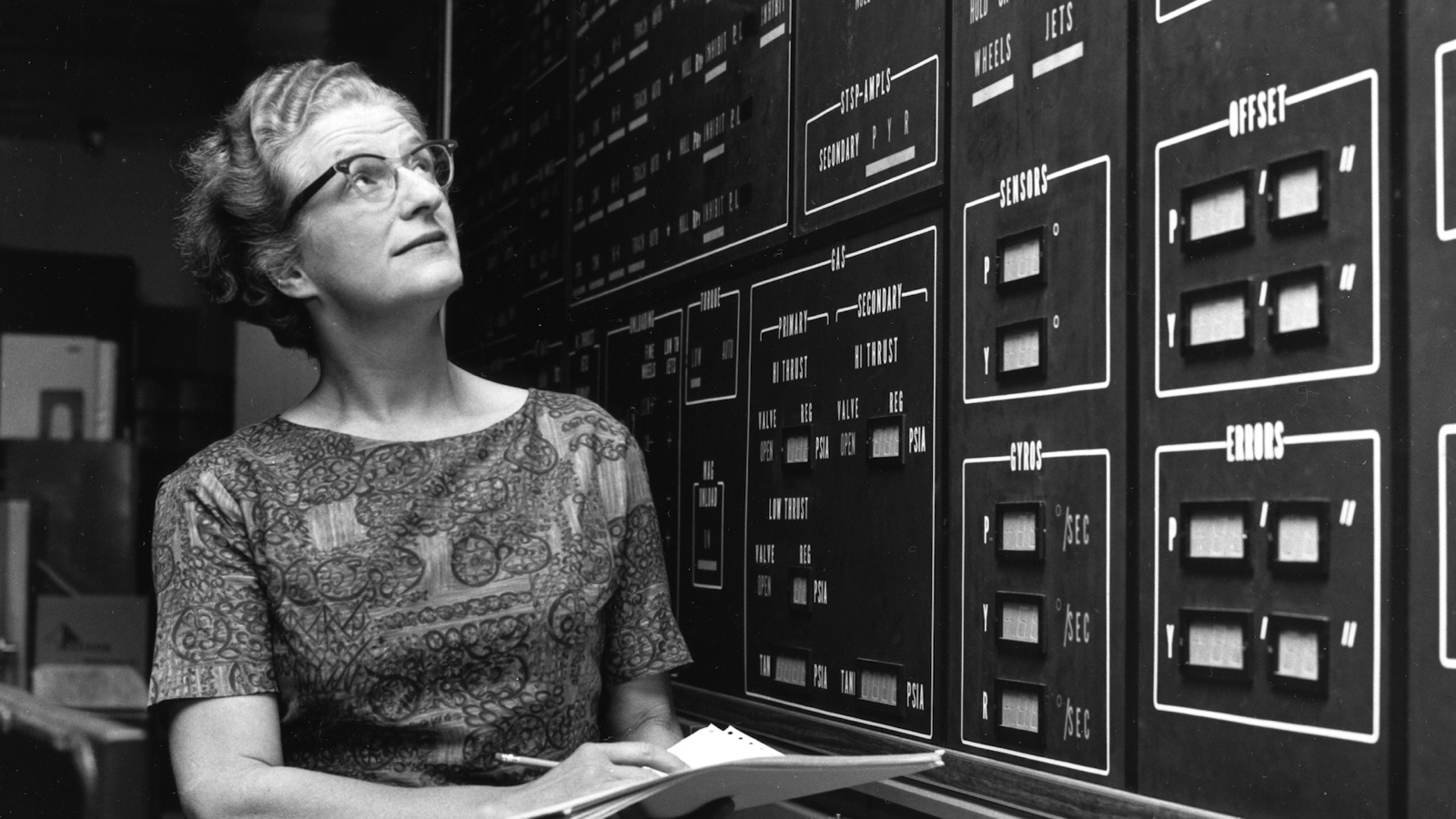
Roman joined NASA in 1959, only months after the agency was formed. NASA identifies her as its first female executive and first Chief of Astronomy. She had already worked in radio astronomy at the Naval Research Laboratory; at NASA, she helped plan a program of rockets and satellites and administered grants that supported the broader astronomy community.
Her most visible legacy may be the perseverance behind Hubble. Roman made the case for a large space telescope over years of technical, political, and budgetary uncertainty, earning the informal title “Mother of Hubble.” That work changed the scale of astronomy: instead of waiting for a clear night and working around Earth’s atmosphere, researchers could put an observatory above it.
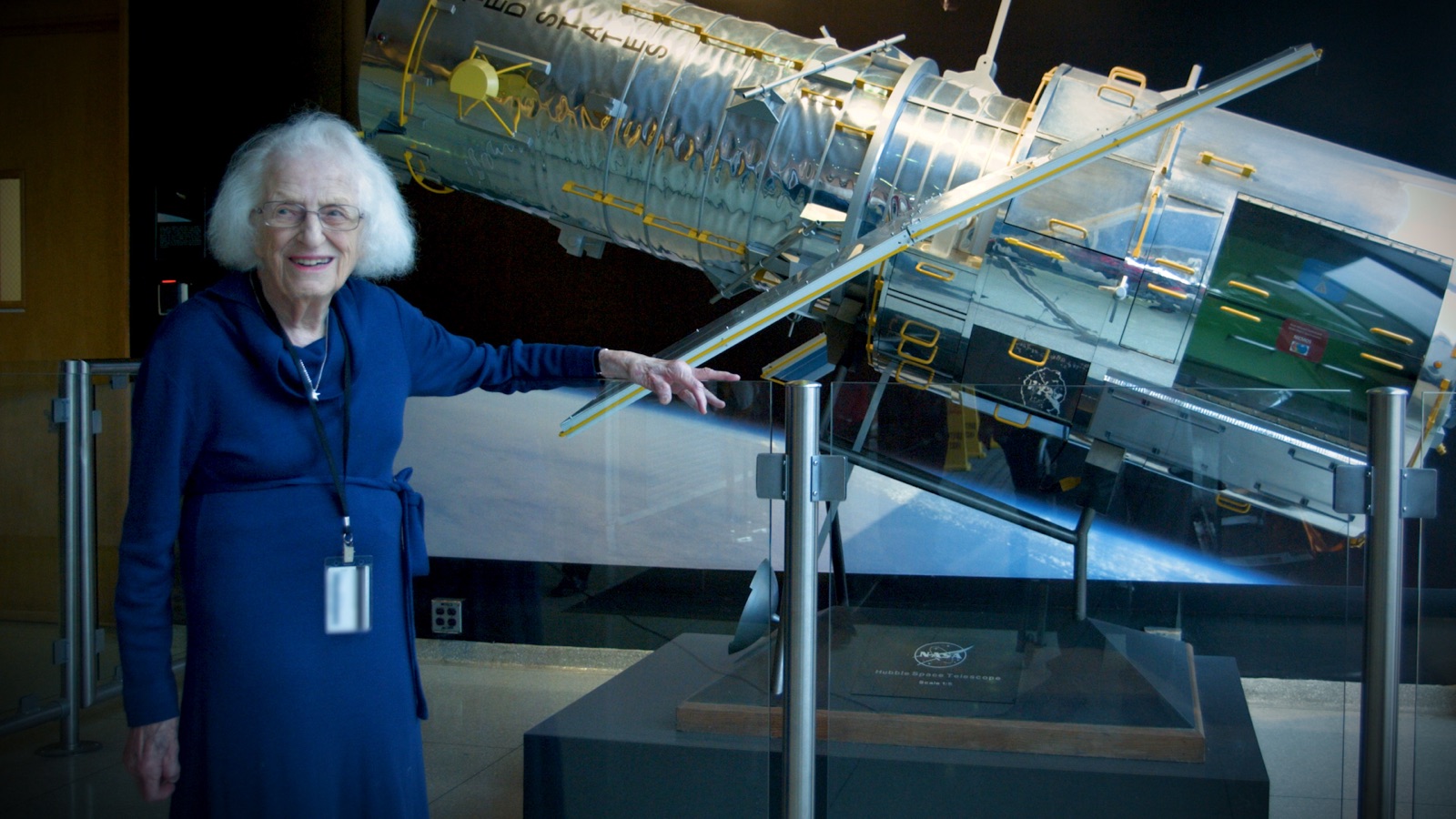
Roman’s name on this new observatory is not just a tribute. It is a through-line. Her work made the space-based astronomy ecosystem possible; Roman Telescope will use that inheritance to map immense areas of the universe in infrared light, investigate dark energy, and expand our picture of worlds beyond the Solar System.
Which women are carrying Roman toward launch?
A telescope can look almost solitary in its official portrait. The work behind it is anything but. NASA’s current Roman team includes Julie McEnery, senior project scientist at NASA Goddard, and Jackie Townsend, deputy project manager at NASA Goddard. Their roles sit at two essential points of the mission: ensuring the scientific ambition stays sharp, and helping guide the enormous practical work that turns that ambition into a flyable observatory.
McEnery has described Roman’s expected data volume as “mind-boggling”—a fair warning for a mission designed to observe on a truly panoramic scale. NASA says Roman’s Wide Field Instrument will support surveys that reveal far more of the sky at once than Hubble can. Townsend, meanwhile, has framed the observatory as a continuation of Roman’s effort to make powerful scientific tools available to the wider community.
That combination matters. Space science needs people who can ask the big questions—What is dark energy doing? How common are planetary systems?—and people who can make a complex machine survive testing, launch, and operations. It also needs a network of technicians, engineers, analysts, communicators, and scientists whose names may not appear on a mission patch.
What will Roman Telescope help us see?
Roman will operate around the Sun-Earth L2 point, about a million miles from Earth. Its five-year primary mission is designed for wide, deep surveys of galaxies, stars, and exoplanets. One of its central goals is to help astronomers understand dark energy—the name given to whatever is driving the universe’s expansion to accelerate.
It is also a mission built to surprise us. The team plans core surveys, but NASA has said Roman’s observations will be public and that a substantial share of observing time will support additional investigations. That is a very community-minded idea: the telescope may have defined goals, yet the data can become a shared starting point for researchers with new questions.
For space fans, that makes Roman worth following even before launch. You do not need a telescope or a physics degree to join the anticipation. Start with one mission update, one striking image, or one question to bring to a star party: if you could point a powerful new eye at the universe, what would you want it to find?
Make the anticipation social
The best part of a launch countdown is often the conversation around it. Share a Roman update with a friend, bring it to your local astronomy club, or compare notes with people who are also watching the mission take shape. If you’re in Central Texas, you can meet fellow space enthusiasts in Austin and turn a news alert into an actual observing plan.
Cosmic Match is a place to find people who get why a new telescope’s first light is exciting. Join the Cosmic Match space community, swap mission news, and find your next astronomy conversation. For another look at the human systems that keep spaceflight moving, our explainer on robotic satellite servicing is a good next read.
Roman’s story began with a scientist who refused to accept a smaller view of the sky. As launch approaches, it belongs to everyone helping that larger view become real—and everyone ready to look up when it does.
For a practical, no-equipment way to make launch weekend social in Austin, Houston, or Los Angeles, use our Roman launch-watch plan.
Sources
- NASA: Who is Nancy Grace Roman?
- NASA: Roman mission overview and current launch information
- NASA: Roman telescope construction complete
- NASA: Roman fueling completed and current late-August launch target
FAQ
When is the Nancy Grace Roman Space Telescope scheduled to launch?
NASA currently lists Roman for August 30, 2026, at 7:26 a.m. EDT, from Kennedy Space Center on a Falcon Heavy. Launch schedules can change, so NASA's Roman mission page is the best final check.
Who was Nancy Grace Roman?
Roman was NASA's first Chief of Astronomy and a central advocate for space-based observatories. Her work helped lay the groundwork for Hubble and the telescope that now carries her name.
What will Roman Telescope study?
Roman will conduct wide infrared surveys to investigate dark energy, exoplanets, and other astrophysical questions. Its wide field of view will let it observe far more sky at once than Hubble.