NASA's Swift Boost Rescue Mission: Why the July 1 Launch Matters
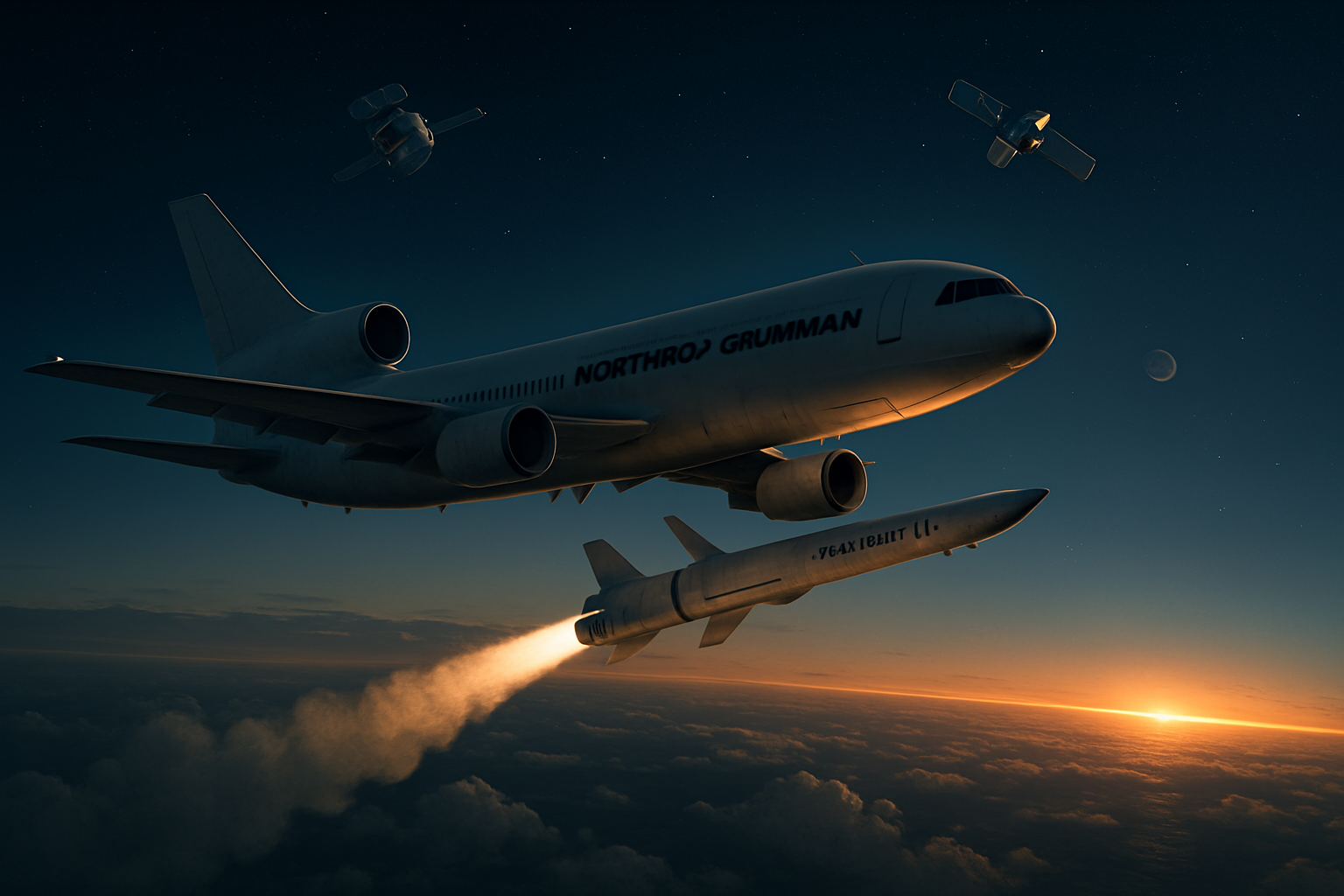
Update — July 4, 2026: LINK launched on July 3, reached orbit, and checked in with teams. For the current on-orbit phase, read Swift Rescue Mission Is Alive in Orbit. What Happens Next.
As of Tuesday, June 30, 2026, NASA says the first launch attempt for the Swift Boost mission scrubbed because of weather. The next try is now no earlier than Wednesday, July 1, at 5:43 a.m. EDT / 4:43 a.m. CDT / 2:43 a.m. PDT / 6:43 a.m. BRT. That makes this one of those rare spaceflight stories where the headline is not just the rocket. It is the rescue plan behind it.
If the July 1 Pegasus XL launch succeeds, Katalyst Space's LINK servicing spacecraft will not head for a new science target. It will go after something NASA already has and still needs: the Neil Gehrels Swift Observatory, a workhorse mission that has spent more than two decades chasing gamma-ray bursts and other fast, high-energy events across the sky. NASA calls Swift its astrophysics multitool, and the agency is trying to save it instead of letting orbital decay quietly end the mission.
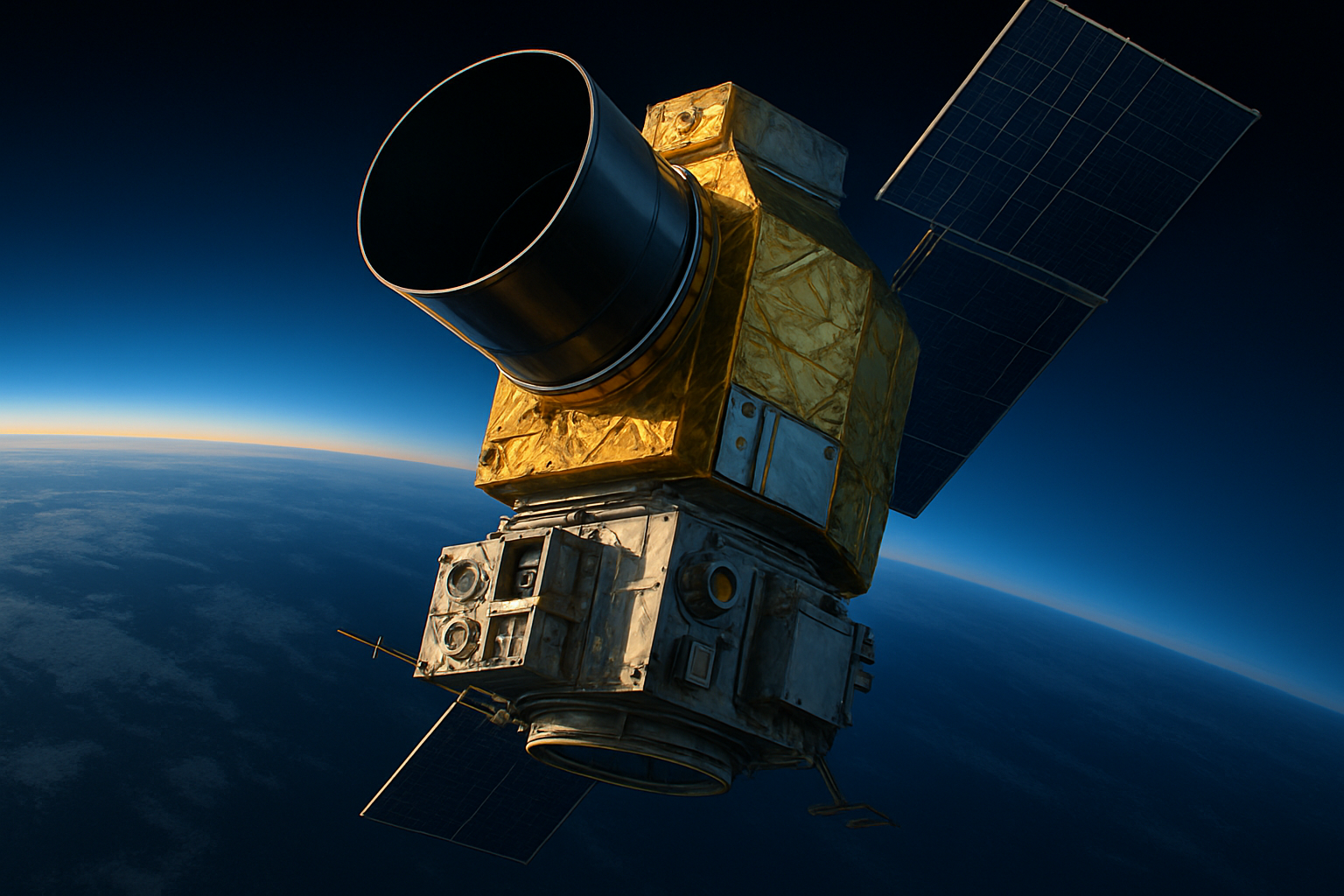 Swift is the science reason this launch matters: a still-valuable observatory that NASA wants to keep working rather than replace early.
That is why the Swift Boost story feels more interesting than a normal launch update. It is a test of whether commercial satellite servicing can become a practical way to extend missions that still have real science left in them.
Why Swift needs a rescue mission now
Swift launched in 2004 and was built to react quickly when something violent happens in the universe. Gamma-ray bursts, black hole activity, neutron star mergers, and other fast-changing sources are exactly the kind of events where a quick-turn observatory matters. Even in 2026, Swift is still useful because it can respond fast and observe in visible, ultraviolet, X-ray, and gamma-ray light.
NASA's problem is not scientific relevance. It is altitude.
Recent solar activity increased drag in low Earth orbit and sped up Swift's orbital decay. NASA has said the observatory needs to stay above roughly 185 miles (300 kilometers) for the best chance of a successful boost maneuver. In a May update, NASA also said Swift would likely re-enter Earth's atmosphere later in 2026 if nobody tried to lift it.
That is the real stakes line here. Swift is not being boosted because it would be neat. It is being boosted because the mission is still productive, but time is running short.
What exactly launches on July 1
The July 1 attempt is not a Falcon 9 launch from Florida and it is not something skywatchers in Austin, Houston, or Los Angeles can step outside and watch. NASA says Northrop Grumman's Stargazer carrier aircraft will take off from Kwajalein Atoll in the Marshall Islands, climb to about 40,000 feet, and release a Pegasus XL rocket carrying Katalyst's LINK robotic servicing spacecraft.
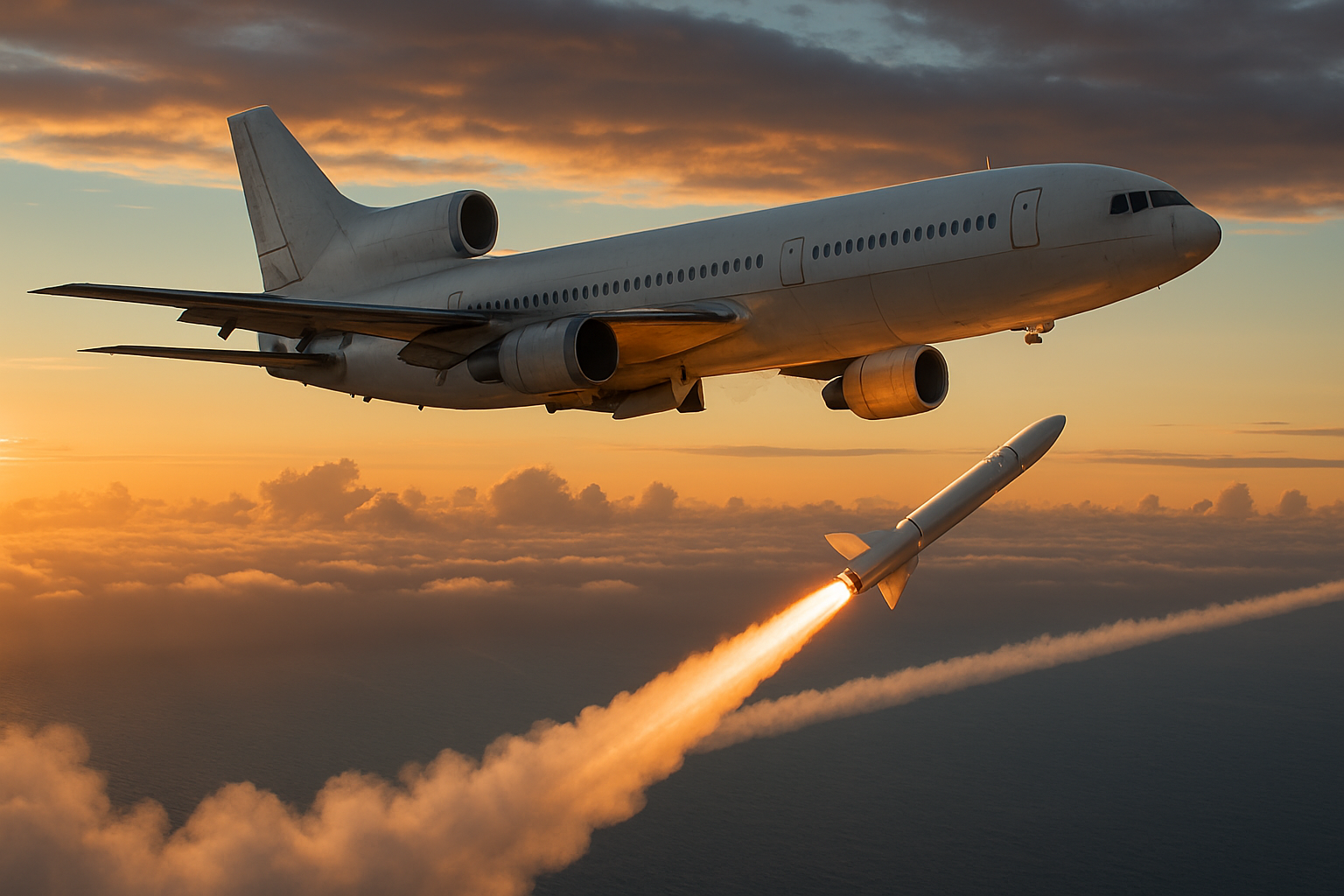 The mission uses an air-launch profile: Stargazer carries Pegasus XL to altitude before rocket release over the Pacific.
That air-launch detail matters because it helps explain why this mission looks so different from a standard pad launch. Pegasus XL is designed to be dropped from the aircraft and ignite after release, putting LINK on the orbital path it needs to begin the long rendezvous with Swift.
NASA's June 30 update says the original June 30 attempt scrubbed because of unfavorable weather. NASA's mission page now lists the next attempt as no earlier than Wednesday, July 1, at 5:43 a.m. EDT. NASA also said in its June 29 prelaunch explainer that there is no livestream for this launch, so the right place to watch for status is the agency's Swift blog rather than a video feed.
Why this is a bigger deal than one rocket launch
The easiest way to undersell Swift Boost is to treat it like a niche mission for launch completists. The bigger story is that NASA is using a real, time-sensitive science mission to test whether commercial servicing can keep spacecraft alive instead of retiring them early.
NASA's June 26 mission article put that plainly: rather than simply letting Swift re-enter, the agency is using the opportunity to advance the U.S. commercial satellite-servicing industry. NASA awarded Katalyst the job in September 2025, which gave the company less than a year to design, build, test, and launch LINK for a grab-and-lift attempt.
That timeline is one reason the mission has a genuine rescue feel. It is fast, operationally constrained, and not especially forgiving. NASA's own Swift mission director described it in May as a fast, high-risk, high-reward mission. That is not hype language from outside observers. It is NASA acknowledging that the agency is trying something ambitious because the alternative is to lose a still-valuable observatory.
What happens after launch if Pegasus gets LINK to orbit
Launch success will not mean the whole mission is finished. It will mean the harder part can begin.
NASA's June 29 explainer says the first step after orbit insertion is simply acquiring a signal from LINK and confirming the spacecraft's power systems and solar panels are working. After that comes commissioning, a period of checkouts that NASA says will last several weeks while the team tests the spacecraft in orbit.
Only then does the true servicing sequence start. LINK still has to rendezvous with Swift, assess the target, attach with its robotic arms, and begin a slow orbit raise. NASA says the boost itself would unfold gradually over weeks to months, with LINK attempting to return Swift close to its original launch altitude before detaching.
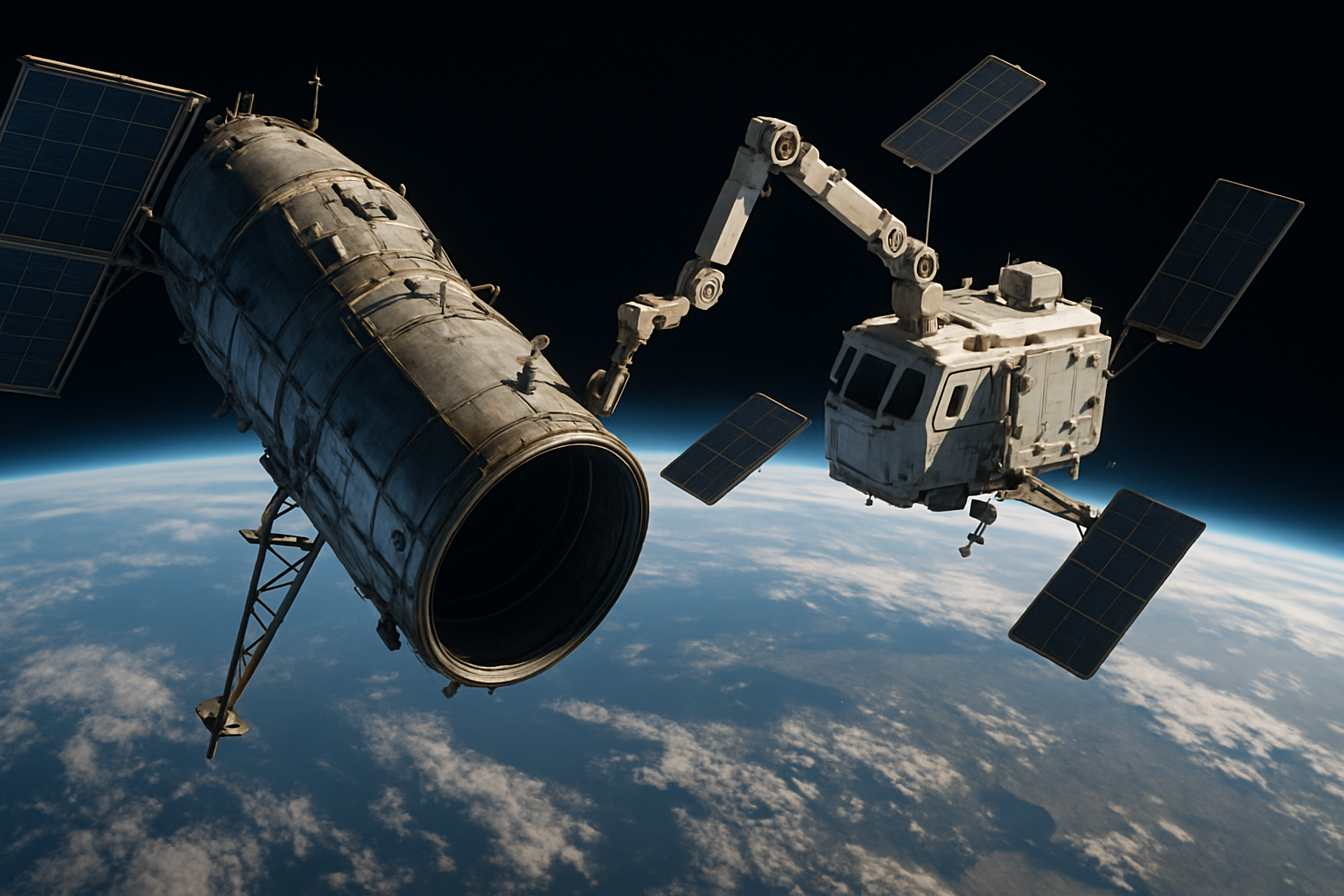 Even after launch, the real challenge is orbital servicing: rendezvous, attachment, assessment, and a slow boost over time.
That sequence is worth understanding because it keeps expectations realistic. July 1 is the opening move, not the final result.
Why Houston space fans should care even if the launch is in the Pacific
This is not a local viewing event, but it is still a strong story for Houston in particular.
A lot of U.S. space coverage defaults to Florida launch photos and Starbase countdown energy. Swift Boost is a reminder that another side of spaceflight matters too: long-life mission operations, NASA science stewardship, and the kind of technical problem-solving that keeps observatories producing data after the public spotlight has moved on. That mindset is deeply legible to Houston's space crowd, where NASA mission operations and the practical side of keeping spacecraft useful have always carried cultural weight.
If you are the kind of person who would rather talk about rendezvous risk, mission timelines, and why an older observatory is worth saving, you will probably find your people faster in a community built around shared space interests. You can meet more space-minded people on Cosmic Match or join free at Cosmic Match.
For another recent NASA mission explainer built around what changed operationally, our breakdown of the Artemis III crew announcement is a good companion read. And if you like the human-history side of mission milestones, our piece on Sally Ride's first flight shows how individual missions can keep cultural force long after launch day.
The bottom line before the next attempt
As of June 30, 2026, the Swift Boost mission is still a live rescue story, not a post-mortem. NASA says weather pushed the first attempt off June 30 and retargeted the launch for July 1. If Pegasus XL can get LINK into orbit, the mission becomes a test case for whether commercial servicing can preserve a productive NASA observatory instead of replacing it or watching it fall.
That is why this matters beyond one scrubbed launch. Swift Boost sits at the intersection of science value, space operations, and a commercial capability NASA may want again. Saving Swift would not just buy time for one observatory. It would make the argument that more spacecraft deserve maintenance plans, not just retirement dates.