Swift Rescue Mission Is Alive in Orbit. What Happens Next
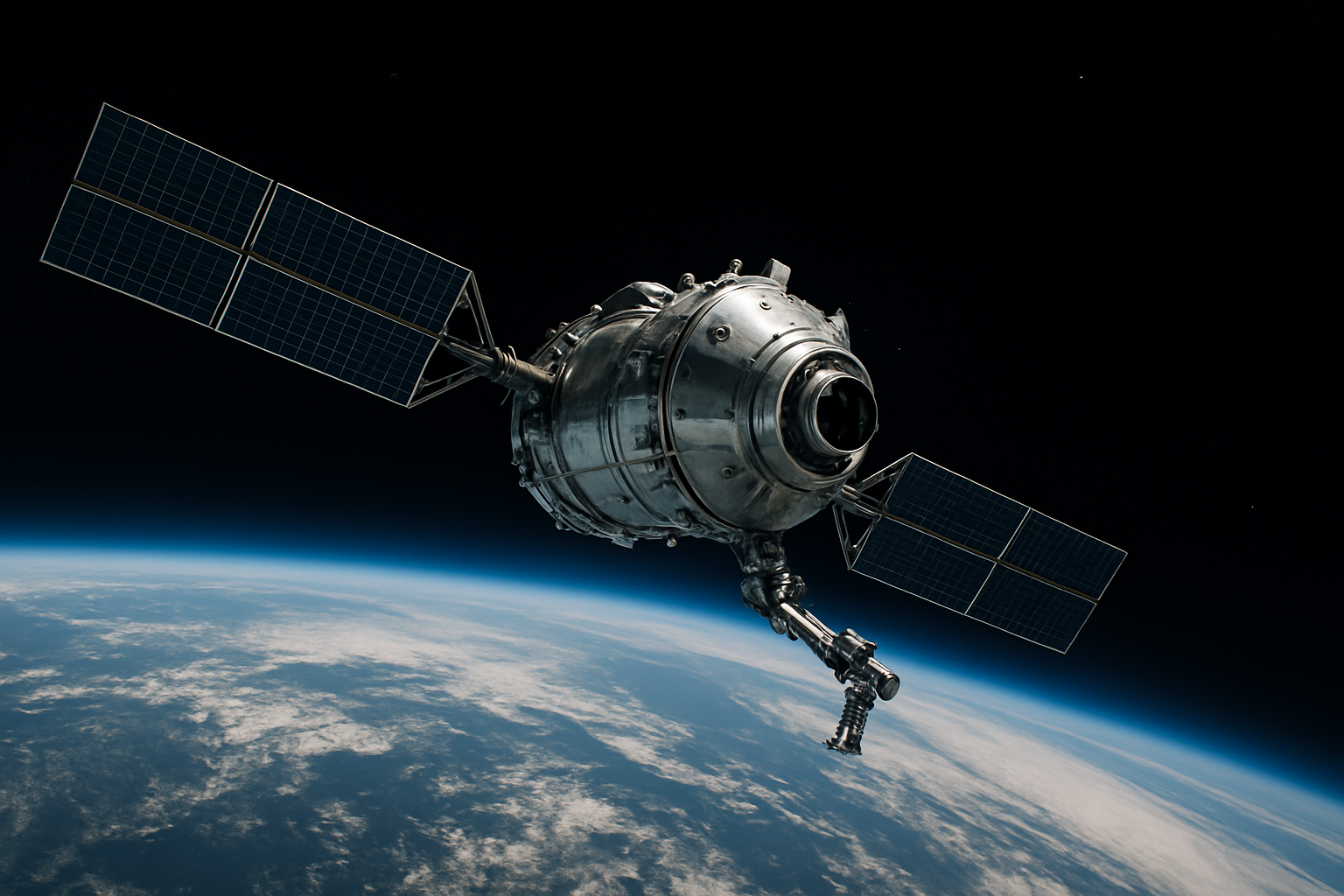
The Swift rescue mission is no longer a launch-delay story. As of Friday, July 3, 2026, NASA says Katalyst Space's LINK servicing spacecraft launched from Kwajalein Atoll in the Marshall Islands at 8:36 p.m. local time (4:36 a.m. EDT / 08:36 UTC), reached low Earth orbit, and then successfully established communications with mission teams. That is the real shift. The question is no longer whether Pegasus XL could get LINK off the ground. It is whether LINK can now do the slower, harder work of checking out in orbit, approaching NASA's Neil Gehrels Swift Observatory, and eventually lifting it to a safer altitude.
That change matters because Swift is still useful science hardware, not a museum piece waiting for retirement. NASA launched the observatory in 2004 to respond quickly to gamma-ray bursts and other fast-moving cosmic events, and the agency still treats it as a valuable tool across visible, ultraviolet, X-ray, and gamma-ray light. The problem is orbital decay, not scientific relevance.

For readers who followed our earlier Swift launch-risk explainer, this is the material update. NASA has now confirmed the mission is underway in orbit, which means the story moved from countdown suspense into a live servicing campaign.
What NASA Has Confirmed So Far
NASA's July 3, 2026 launch update says Northrop Grumman's Stargazer aircraft released the Pegasus XL rocket at about 40,000 feet above the atoll, sending LINK to low Earth orbit. A second NASA update later the same day says teams have successfully established communications with the spacecraft after launch, separation, and power-on.
Those are the facts that matter most for a same-day reader:
- the launch happened on July 3, 2026
- LINK made it to orbit
- the spacecraft powered on and checked in with teams
- NASA now describes the mission as actively underway
That may sound basic, but it is exactly the threshold this story needed to cross. A mission like this can look dramatic at liftoff and still fail to become operational if the spacecraft never checks in properly. That did not happen here. NASA says the first in-orbit contact is complete.
Why the Story Gets More Interesting After Launch
Launch success was the gate, not the finish line.
NASA says the next phase is a series of checkout procedures over the coming weeks. That means LINK still has to prove its propulsion, sensor, and navigation systems are behaving the way the team expects before it starts closing the distance to Swift. After that, the spacecraft will approach the observatory and complete a survey before any capture or boost attempt begins.
In other words, the mission is now entering the part space enthusiasts tend to care about most: the operational chess match. Air-launching a rocket from a modified aircraft is unusual enough. But the bigger long-term story is whether a small servicing spacecraft can safely inspect and then raise the orbit of a 21-year-old NASA observatory without damaging a still-productive mission.

This is also why Houston readers may find the Swift story especially compelling even though there is no local skywatching angle here. It is a mission-operations story, a spacecraft-longevity story, and a NASA stewardship story all at once. If that is your kind of space news, the Houston space community on Cosmic Match is exactly where these conversations tend to keep going after the headline cools off.
Why Swift Needs the Help
NASA's Swift Observatory is not being boosted for novelty. It needs help because recent solar activity increased atmospheric drag in low Earth orbit and sped up the observatory's orbital decay. NASA decided to attempt a rescue because Swift still produces useful science and because on-orbit servicing is a capability the agency wants to advance with commercial partners.
That gives the mission two layers of importance:
- It could extend the life of a still-relevant astrophysics mission.
- It could strengthen the case for servicing aging spacecraft instead of letting them drift toward reentry as soon as fuel or altitude margins tighten.
That second point is what makes this bigger than a one-off save. If LINK can inspect, capture, and gradually raise Swift over the next several months, the mission becomes a practical example of how NASA and commercial partners might preserve other spacecraft in the future.
What Happens Next for LINK and Swift
NASA's latest update does not skip ahead to a quick triumph, and that is useful. The agency says LINK will spend the next several weeks in checkout before approaching Swift. Only after that comes a target survey, then the much more delicate work of capture and orbital raising.
That means readers should calibrate expectations correctly:
- July 3 was the launch-and-contact milestone
- the next phase is systems checkout
- the mission then moves into rendezvous and inspection
- the actual orbit raise, if it happens, unfolds gradually rather than in one dramatic burn
This is the kind of space story that keeps getting more technical after the headline event, not less. If you liked our breakdown of the Artemis III crew update, this one belongs in the same category of "what operationally changed, and why it matters." For another current example of a smaller mission proving a future capability layer, our BOHR orbit explainer shows why the first commercial nuclear-powered satellite matters as a payload-power demonstration rather than a full-spacecraft energy replacement.
What Space Fans Should Watch For Next
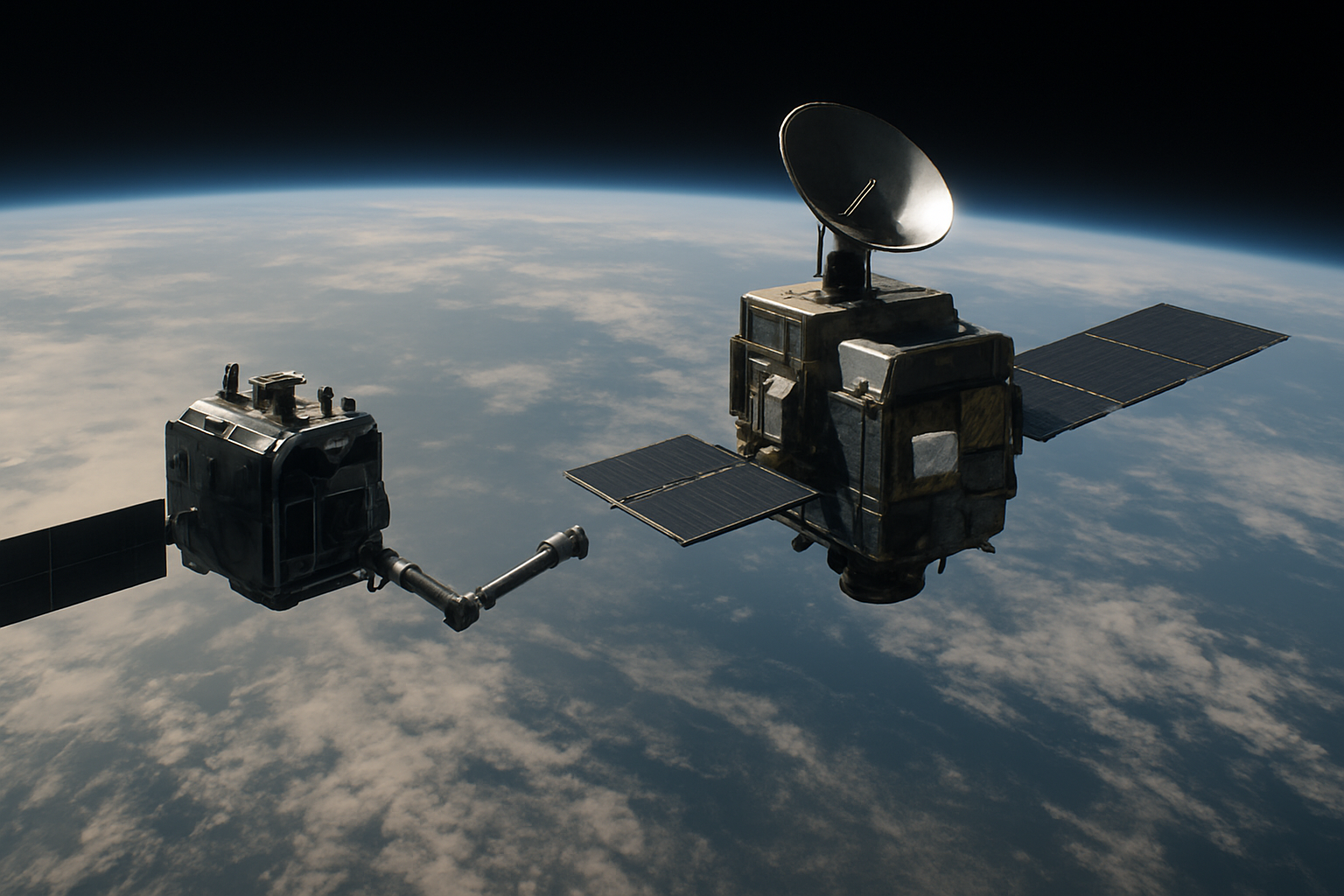
The next useful update will not be another launch clock. It will be confirmation that LINK is healthy through checkout and beginning its approach toward Swift on schedule. After that, the mission becomes a sequence of more nuanced milestones:
- successful spacecraft checkout
- approach and inspection of Swift
- target capture
- the start of a gradual reboost campaign
That is why this mission fits Cosmic Match readers so well. It rewards the kind of person who likes the real mechanics of spaceflight, not just the loudest part of the launch. If you want more people around you who follow stories like this all the way from launch day into the weeks that come after, join the spaceflight community on Cosmic Match.
Bottom Line
As of July 3, 2026, NASA says the Swift rescue mission has cleared the first big hurdle: LINK launched, reached orbit, powered on, and checked in. That does not mean Swift is saved yet. It means the mission finally graduated from launch uncertainty into live on-orbit execution.
That is the update worth paying attention to on July 4, 2026. The dramatic part was getting off the aircraft and into orbit. The more interesting part starts now.
Sources
- NASA Swift Blog: Mission To Boost NASA's Swift Launches From Marshall Islands
- NASA Swift Blog: Teams Make Contact With Spacecraft Set to Boost NASA's Swift
- NASA Swift Boost mission page
Another servicing milestone to watch
For a different kind of on-orbit servicing story, our explainer on the MRV robotic GEO servicing mission explains why MRV’s July 21 launch is only the beginning: the vehicle still has an approximately year-long electric-propulsion trip to GEO before its robotic operations start.
Latest LINK recovery update
On July 29, Katalyst reported that LINK was working through an attitude-control anomaly before it can resume the Swift rendezvous. Our follow-up, Swift’s Rescue Spacecraft Is in a Spin. Here’s How LINK Is Trying to Recover, explains the preliminary diagnosis, why a stable attitude matters, and how gimbaled electric propulsion is being used in the recovery effort.