Chang’e-7 Postponed: What We Know About the Lunar South-Pole Mission
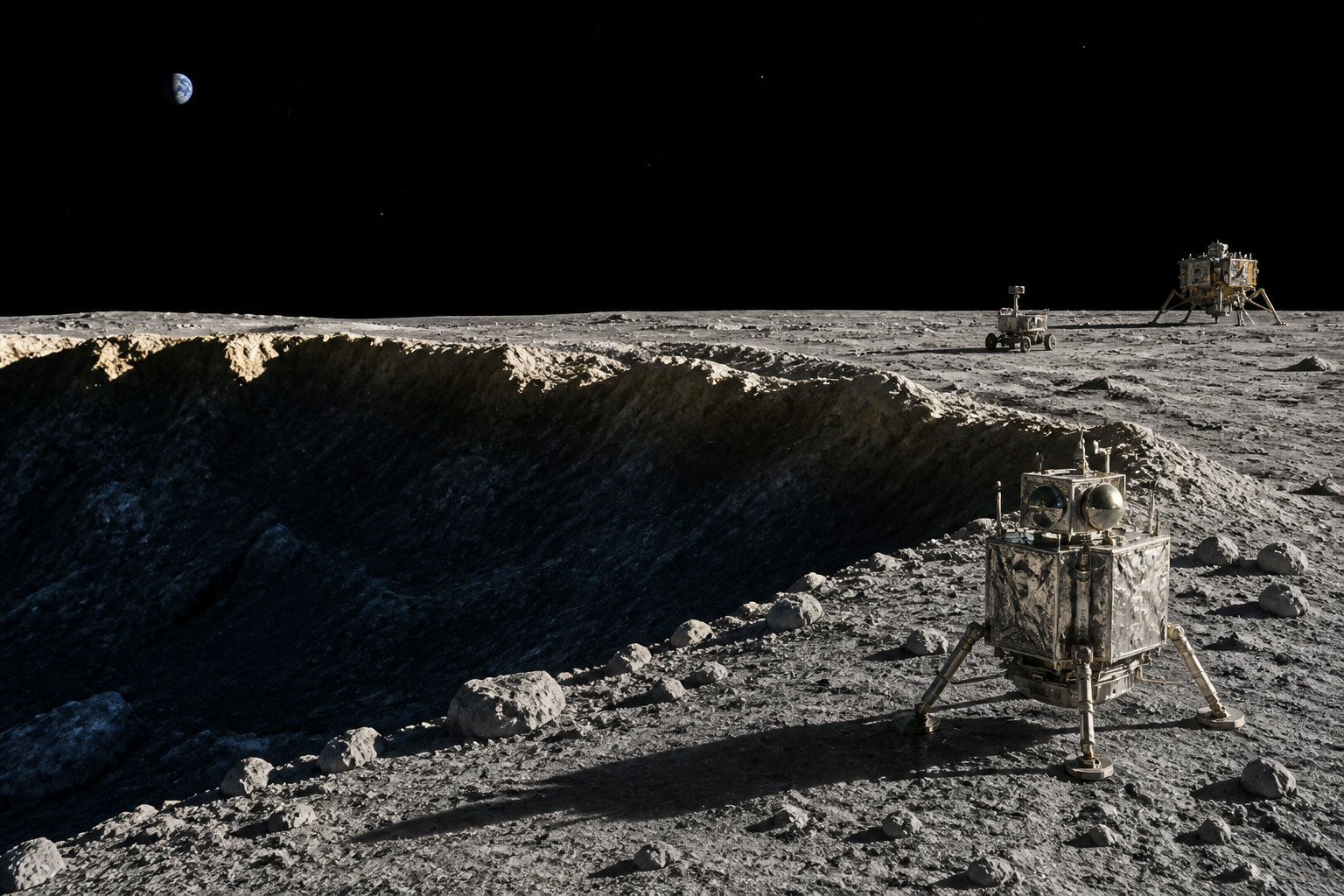
Update: Chang’e-7’s planned 2026 launch window is no longer available
China has postponed Chang’e-7, its planned multi-spacecraft mission to the Moon’s south pole. The agency says the mission cannot proceed during its planned 2026 launch window. No replacement date has been announced, and officials have not stated a cause.
That means any earlier countdowns, launch-watch plans, or local time conversions for the mission are no longer current. We’ll update this article only when an official agency announcement provides a new window.

What has China confirmed about the Chang’e-7 postponement?
The verified update is narrow but important: the planned 2026 window will not be used. Reporting on the agency statement says no replacement date and no official explanation were provided. It would be inaccurate to characterize the postponement as weather-related or to assign another cause without a formal statement.
Chang’e-7 had reached the launch area with its Long March 5 Y14 launcher as preparations continued earlier this month, according to China’s human spaceflight program. That preparation does not establish a new launch date. For now, the correct status is postponed, with timing and cause unannounced.
For the space friends in your orbit, this is a good moment to trade reliable sources rather than rumors. You can meet more people who enjoy following missions carefully at Cosmic Match.
What is Chang’e-7 designed to study at the lunar south pole?
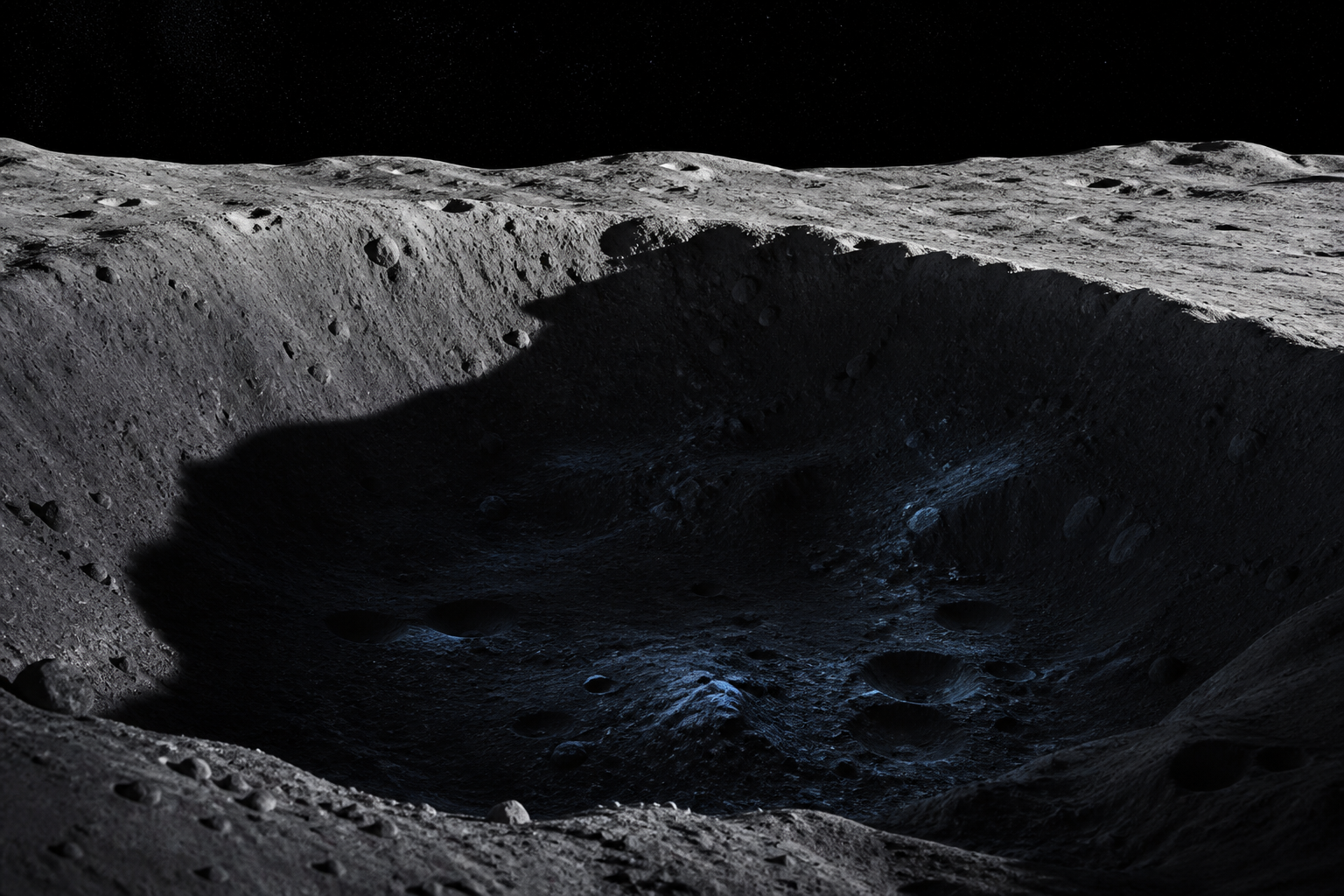
The postponement does not change the mission’s scientific ambition. Chang’e-7 is designed to investigate the lunar south-pole environment, including water ice and other volatile materials in exceptionally cold, shadowed terrain. China’s mission material identifies the south-pole region as a priority for studying surface conditions, composition, morphology, magnetic fields and thermal properties.
Water ice matters scientifically because it may preserve clues about how material moved through the inner solar system. It also matters for future exploration: water can support life-support systems and could eventually supply ingredients for oxygen or propellant. A mission searching for ice is gathering evidence, not promising a ready-made resource.
Why does the mission include a hopping probe?
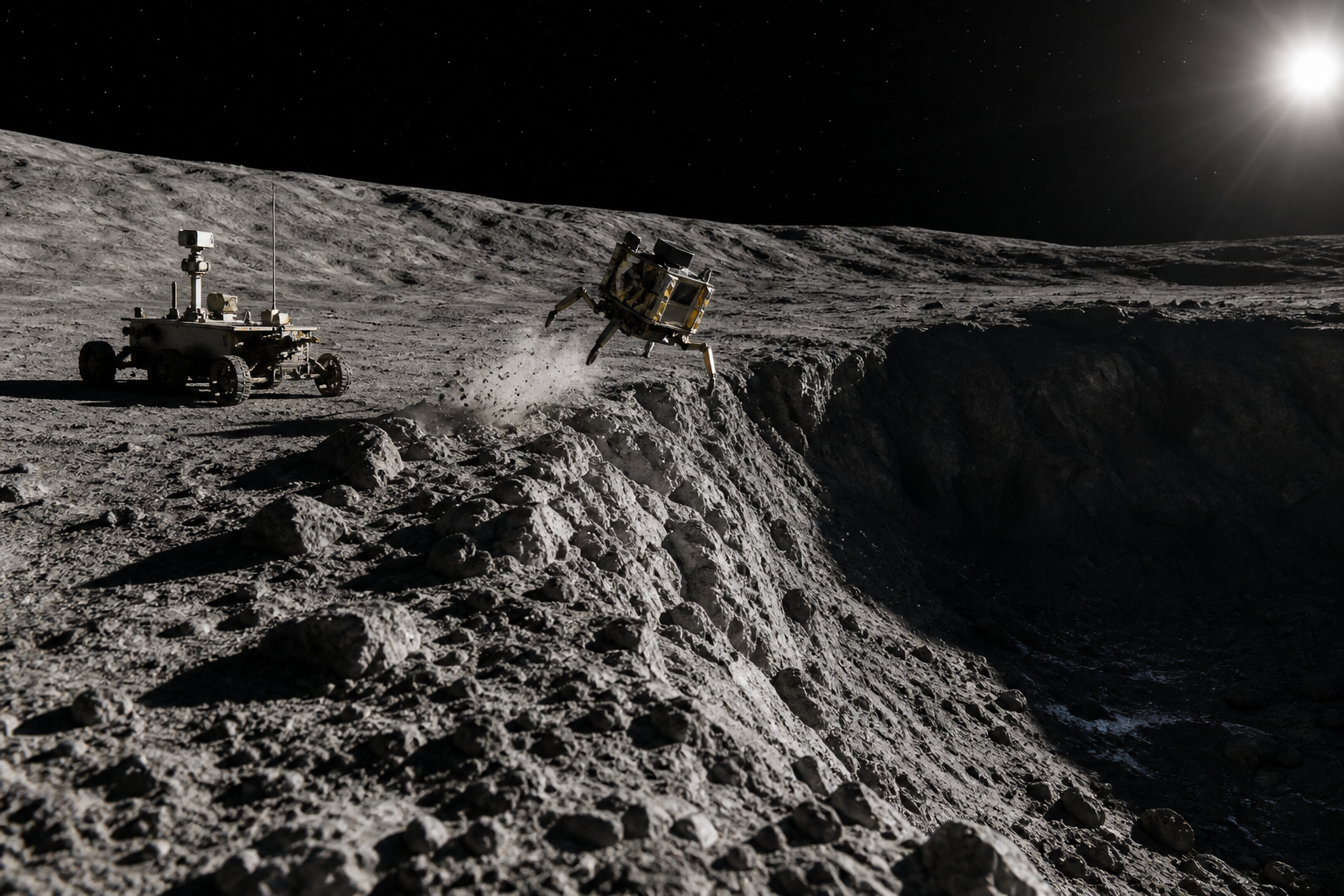
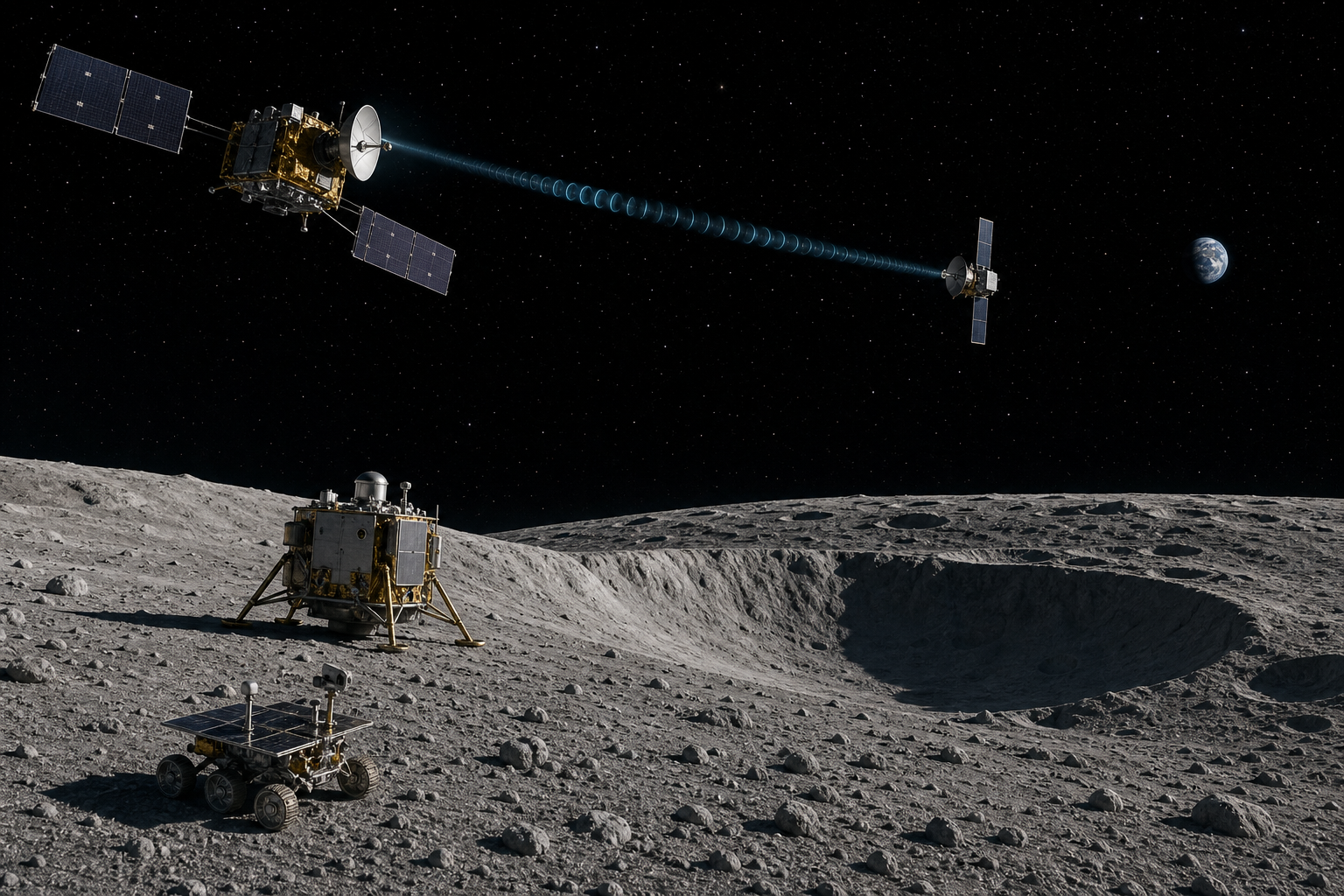
The lunar south pole is difficult terrain. Some areas are steep, boulder-strewn, or lie in prolonged shadow—places a wheeled rover cannot simply drive into. Chang’e-7’s planned architecture includes an orbiter, lander, relay satellite, rover and a hopping spacecraft, giving the mission several ways to observe the same challenging region.
The hopping component is intended to extend measurements toward terrain that can be hard for a conventional rover to reach. Together, the spacecraft are meant to combine wide-area orbital observations with surface science and communications support.
How will we know when Chang’e-7 is rescheduled?
Look for a new announcement from the responsible Chinese space authorities or a mission partner. Until that happens, treat posts naming an exact launch time, an official webcast, or a replacement window as unverified. We will revise this page when there is an official update.
In the meantime, the lunar south pole remains one of the most fascinating destinations in current space exploration. For another recent mission story, see our look at China’s Zhuque-3 booster recovery milestone. And if you like swapping well-sourced space news with people who get the excitement, join the Cosmic Match community.
FAQ
Is Chang’e-7 launching in 2026?
No. The agency says Chang’e-7 cannot proceed during its planned 2026 launch window. A replacement date has not been announced.
Why was Chang’e-7 postponed?
No official cause has been announced. Claims that assign a specific cause go beyond the verified public statement.
Can I watch a Chang’e-7 launch livestream now?
There is no confirmed replacement launch time or official watch schedule at present. Wait for an announcement from the responsible agencies before planning a livestream watch-along.
What will Chang’e-7 explore when it launches?
The mission is designed to study the Moon’s south-pole environment, including water ice and other volatiles, using an orbiter, lander, rover, relay satellite and hopping spacecraft.