SMILE Launched Successfully. Now Come 11 Engine Burns and 25 Days of Orbital Raising
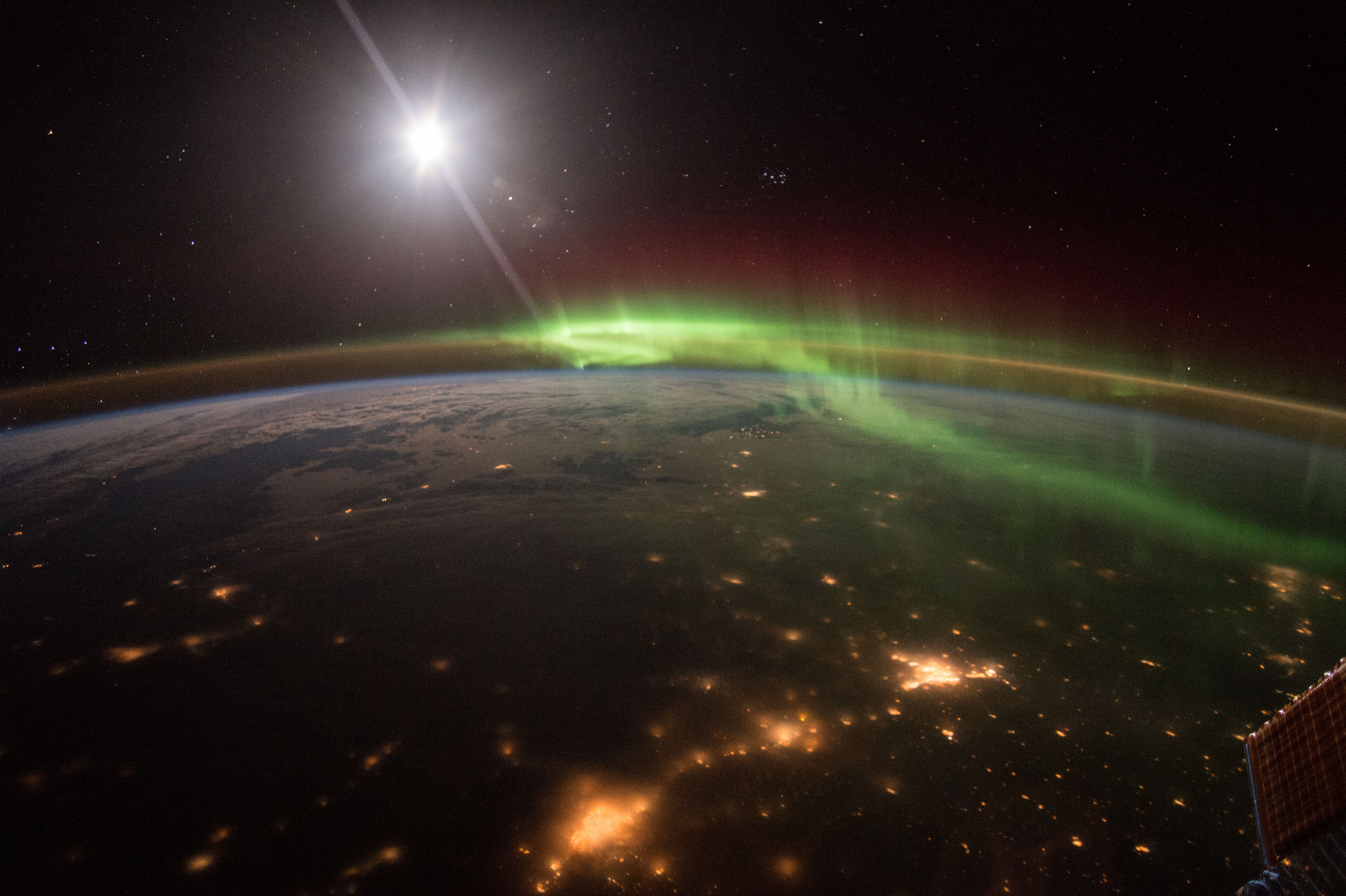
SMILE is safely in orbit, but the launch itself was only the easy part of this story. ESA says the European-Chinese mission lifted off from Kourou on 19 May 2026 at 04:52 BST / 05:52 CEST / 00:52 local time, then checked in from space and deployed its solar panels minutes later. That confirmed launch success. What happens next is the more interesting part: 11 engine burns over roughly 25 days to raise the spacecraft into the stretched orbit it needs before the mission can start doing real science.
That makes this follow-up very different from our live-watch guide to the SMILE launch window and stream timing. Last night was about when the rocket flew. This morning is about why the spacecraft cannot just arrive in orbit and get to work.
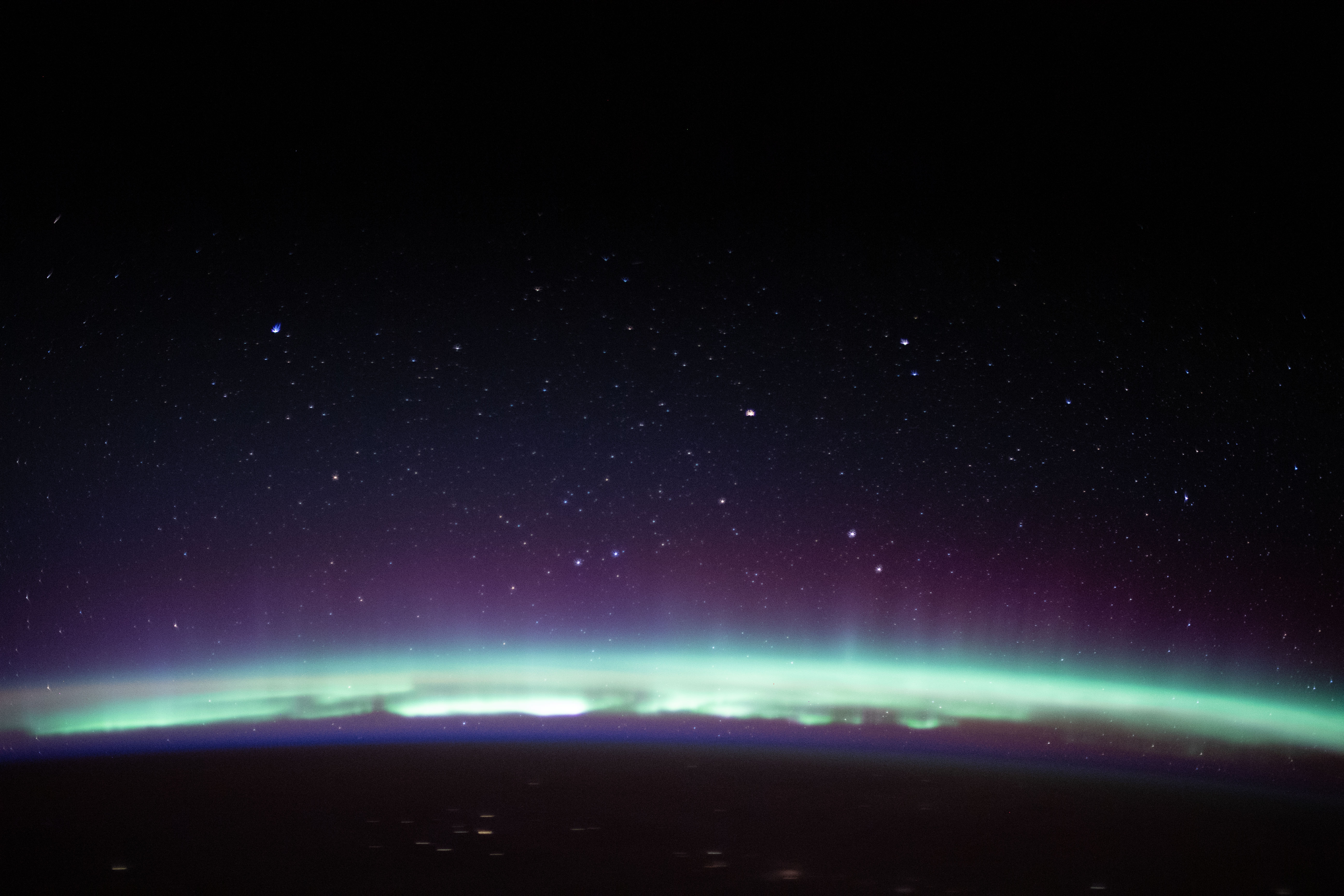 Alt text: Green aurora glowing above Earth beneath a starry sky.
SMILE launch success: what happened after liftoff
ESA's launch-success update says SMILE launched on a Vega-C rocket from French Guiana and reached its first major post-launch milestones quickly. ESA reports that the first signal from the spacecraft reached the New Norcia ground station in Australia at 06:48 CEST, and the solar panels deployed at 06:49 CEST. ESA describes that deployment as the point that marked the launch a success.
Space.com adds one more useful engineering detail: Vega-C placed SMILE into a circular orbit about 707 kilometers above Earth roughly 56 minutes after liftoff. That is an important distinction for anyone reading mission headlines too casually. The spacecraft is in space, but it is not yet in the final orbit needed for the mission's real job.
If you keep up with major mission milestones, the Cosmic Match Space News & Launches archive is still the quickest way to track what matters next without digging through multiple agency feeds.
Why SMILE needs 25 days of orbital raising
The counterintuitive part of this mission is that the initial orbit is just the handoff point. ESA says SMILE will spend the next month slowly increasing its altitude through 11 engine burns. Those burns are what turn a normal post-launch success into a mission that can actually observe space weather the way its designers intended.
According to ESA, the spacecraft's final science orbit will take it to about 121,000 kilometers above the North Pole before bringing it back down to roughly 5,000 kilometers above the South Pole. Space.com describes the same plan as a highly elliptical orbit reached over the next 25 days. Those two descriptions line up on the core point: SMILE needs a long, stretched orbit so it can spend extended time in the right viewing geometry instead of racing around Earth in a much lower path.
That is why the mission's timeline feels unusual compared with a crewed docking story or a straight satellite deployment. The rocket did its job last night. The spacecraft now has to earn its working orbit gradually.
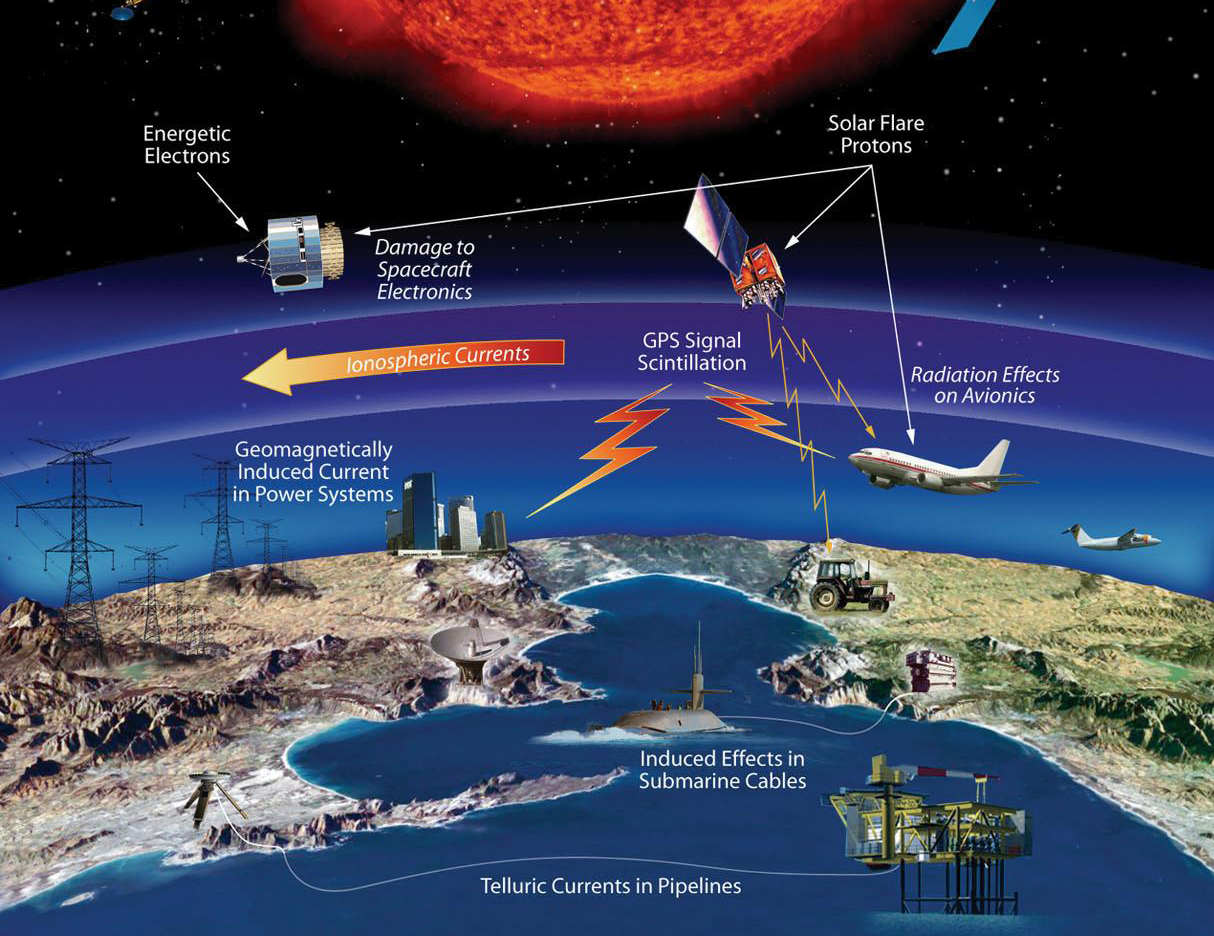 Alt text: NASA infographic showing how solar storms affect satellites, aircraft, power grids, and cables.
What SMILE is trying to see once the orbit-raising phase ends
ESA's pitch for SMILE is strong because it is not just another satellite mission with a vague science label. The mission is designed to show how Earth responds to the solar wind. ESA says SMILE will combine X-ray observations of Earth's magnetic shield with ultraviolet views of the aurora, giving scientists a clearer picture of how disturbances from the Sun ripple through the magnetosphere toward the poles.
That is a big reason this story has more staying power than a launch recap. Space weather is not only beautiful aurora content for social feeds. Strong geomagnetic activity can affect spacecraft electronics, communications, navigation systems, and power infrastructure. SMILE is meant to improve the models behind that whole chain.
ESA also highlights a few specifics worth remembering:
- SMILE will make the mission's X-ray view of Earth's magnetic shield the headline capability.
- The ultraviolet camera is designed to watch the northern lights for 45 hours at a time.
- The broader goal is to connect what happens at the outer boundary of Earth's magnetic environment with what happens closer to the poles and in the upper atmosphere.
That makes this a mission about turning space-weather theory into something more directly observable.
The timeline after orbit-raising is where the sources need care
This is the point where it is worth being precise instead of flattening multiple updates into one vague forecast.
ESA's launch-success update says data collection will begin in earnest in July, after the team unfolds booms, opens camera covers, and confirms that everything works as expected. Space.com, citing ESA's mission description, says the team expects to receive the first X-ray and ultraviolet images about three months after launch and then move fully into the science phase.
Those are not identical milestones, so they should not be treated as if they are the same sentence. The safest read is this:
- ESA is describing the start of meaningful data collection in July 2026.
- Space.com is describing the arrival of the first X-ray and ultraviolet imagery about three months after the 19 May 2026 launch.
In other words, the post-launch checkout phase is not short, and SMILE's most photogenic scientific outputs are not expected immediately.
 Alt text: Texas and Gulf Coast city lights seen from orbit at night.
Why Houston has the strongest local angle on this story
This is still not a skywatching story for Texas. Nobody in Houston is stepping outside to see Vega-C. But Houston is the best local relevance hook because SMILE sits right at the intersection of spacecraft operations, heliophysics, and the practical consequences of space weather.
Readers who already care about how near-Earth space affects missions, communications, and long-term orbital operations will get more out of SMILE than they would from a generic launch headline. It is a mission about the invisible systems that make modern spaceflight harder, riskier, and more fascinating.
If that is exactly your kind of conversation, you can meet other space enthusiasts on Cosmic Match and keep your mission-talk somewhere people do not need a translation layer.
The real takeaway this morning
SMILE did launch successfully, and that matters. But the more useful headline on 20 May 2026 is that the mission has now entered a long orbital-raising phase that will decide whether it reaches the extreme geometry required for its science goals.
That is what makes this a worthwhile follow-up instead of a duplicate of last night's coverage. The live-watch post answered when the rocket flies. This piece answers what the spacecraft has to do next before it can show scientists how the solar wind pushes on Earth's magnetic shield.
For readers who want the full launch-night context first, start with our SMILE live-watch explainer. For readers who just want the bottom line: the mission is up, the hard orbital work has started, and the science timeline now stretches from late May's engine burns into the rest of summer.