Starliner Could Fly Uncrewed This Winter—NASA Targets a Crew Return by 2028
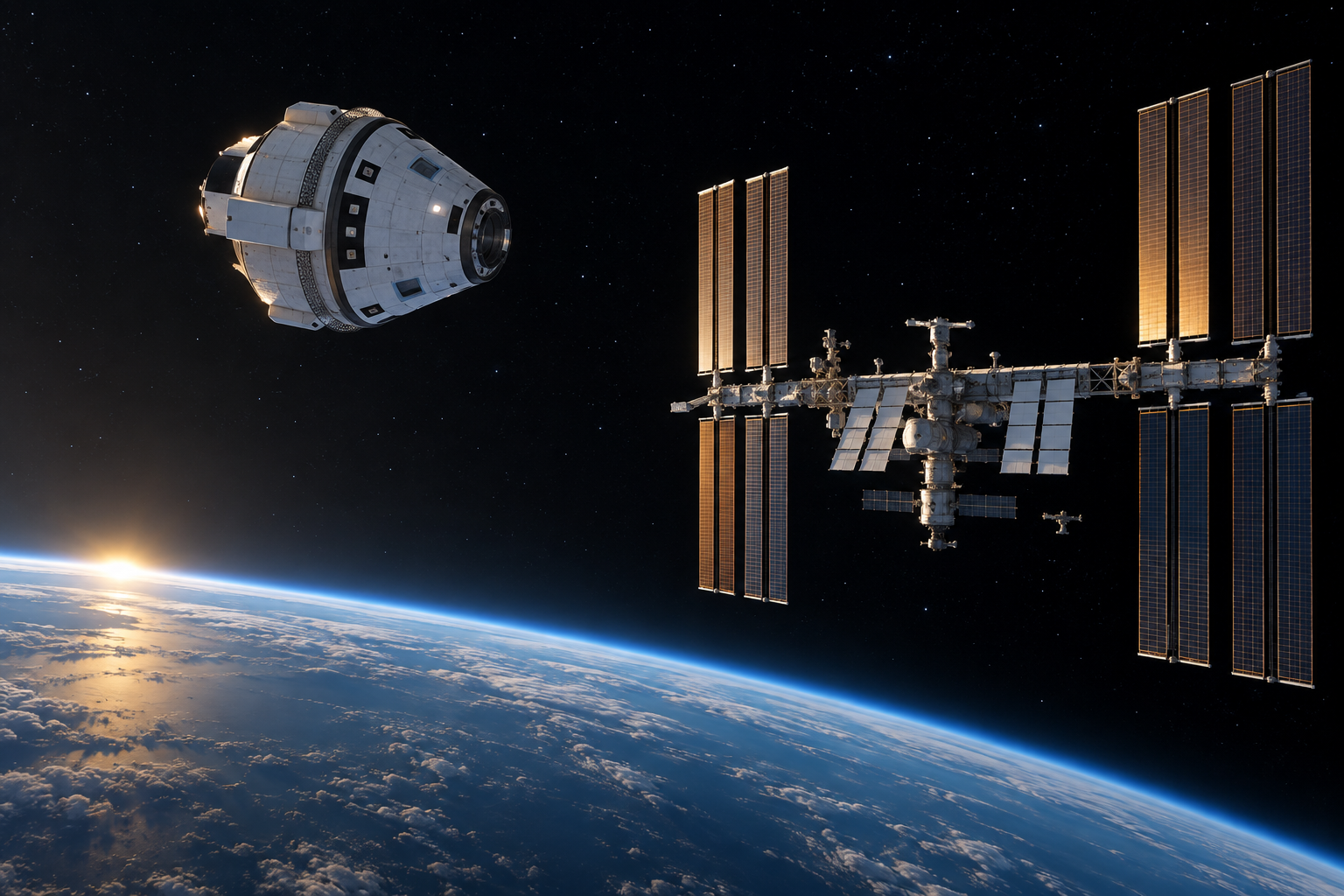
NASA and Boeing now have a two-step plan for Starliner: an uncrewed Starliner-1 engineering evaluation mission could fly in December 2026 or January 2027, and NASA’s current plan is to return astronauts on a later Starliner-2 mission by 2028. Neither is a booked launch date or a guarantee. The uncrewed flight must first produce the data NASA needs to continue corrective work, qualification, and certification for crewed flight.
For space fans, that makes this less of a simple “Starliner is back” announcement and more of a clear roadmap for how a human-rated spacecraft earns its next crew mission. It is also a useful reminder that the most interesting part of spaceflight is often the careful engineering between the headlines.
What is NASA’s new Starliner flight plan?
In its September 28 update, NASA said it intends to begin with Starliner-1, an uncrewed mission to the International Space Station. The potential window is December 2026 or January 2027. NASA describes that timing as a possibility—not a firm launch commitment—and has not announced a specific day or launch time.
The mission is planned as an engineering evaluation. The point is to check an improved thermal environment, collect performance data needed for qualification, and identify any remaining risk before astronauts fly aboard again. That sequence matters: engineers will use flight data, not assumptions, to decide what comes next.
NASA then aims to return astronauts on Starliner-2 by 2028. That target depends on what Starliner-1 shows, the remaining corrective actions, testing, certification, and NASA readiness. “By 2028” is therefore a program objective, not a promise of a particular crew or launch date.

Why is the next flight uncrewed?
The choice to fly uncrewed first follows the lessons of Starliner’s 2024 Crew Flight Test, when NASA astronauts Butch Wilmore and Suni Williams reached the station on Starliner but returned on a different spacecraft after Starliner came home without crew. NASA’s Program Investigation Team later identified 61 recommendations to help future missions meet human-spaceflight safety standards.
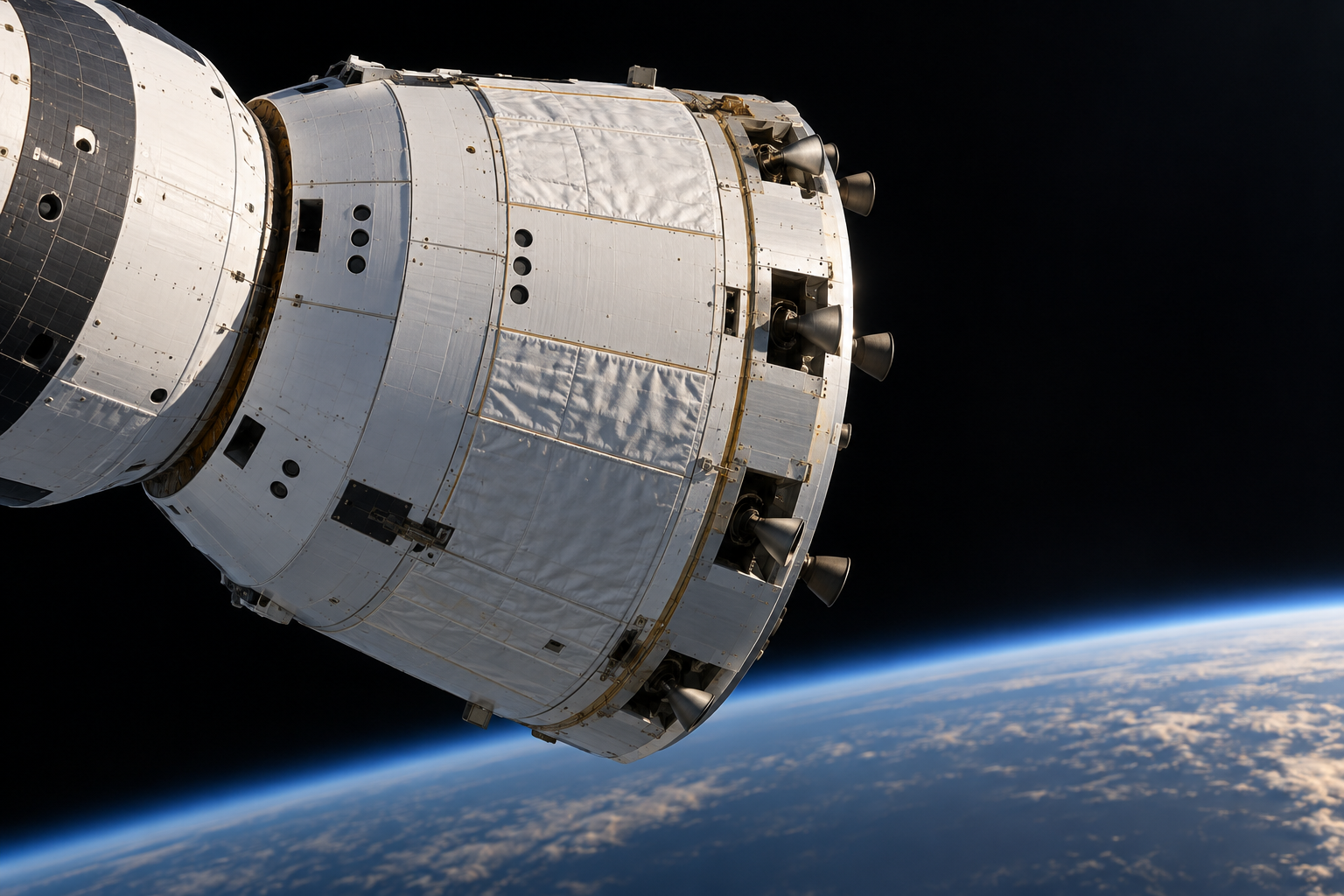
One major focus is the service module’s reaction-control thrusters—the small propulsion units used to help steer the spacecraft. NASA says the earlier performance issue resulted from a combination of the thermal environment and inherent design features, and that the thrusters had operated outside their engineering qualification.
That may sound intimidating, but the logic is straightforward. Before people ride, NASA wants to run a deliberately instrumented flight, see how the updated system behaves in the real thermal conditions of space, and compare that behavior with the ground-test data. An uncrewed mission creates room to test targeted objectives and operational controls without putting a crew on that first validation flight.
What changes are NASA and Boeing testing?
Boeing has made thermal modifications to Starliner’s service module. NASA will evaluate those changes on Starliner-1 to see whether they improve propulsion performance in the flight environment.
There is also more work after Starliner-1. NASA and Boeing plan an additional thruster-valve design modification aimed at addressing poppet-seal extrusion, a problem that can adversely affect thruster performance. In plain language: a small sealing component in a valve can deform or move in a way that disrupts how the propulsion system performs. The redesign is part of the path to certification; it is not something NASA says has already been completed.
The agency says Boeing will also implement new crew-module thrusters, batteries, and minor parachute-system changes intended to improve performance and reliability. Those details are a good reason to keep the wording precise: NASA is reporting work in progress and a validation plan, not declaring every issue closed.
What would a 2028 crew return mean?
A successful Starliner-1 would be an important step toward restoring a second U.S. crew-transportation option for the space station and, eventually, commercial destinations in low Earth orbit. NASA emphasizes that maintaining multiple ways to carry crews supports continuous access to space as the ISS heads toward its eventual transition.
The wider roadmap has another moving part: NASA intends to exercise options for fifth and sixth Starliner flights and work with Boeing and United Launch Alliance to certify the Vulcan rocket for crew transportation after Atlas V’s final flight. That is long-range program planning, not a declaration that Vulcan is already cleared for Starliner crews.
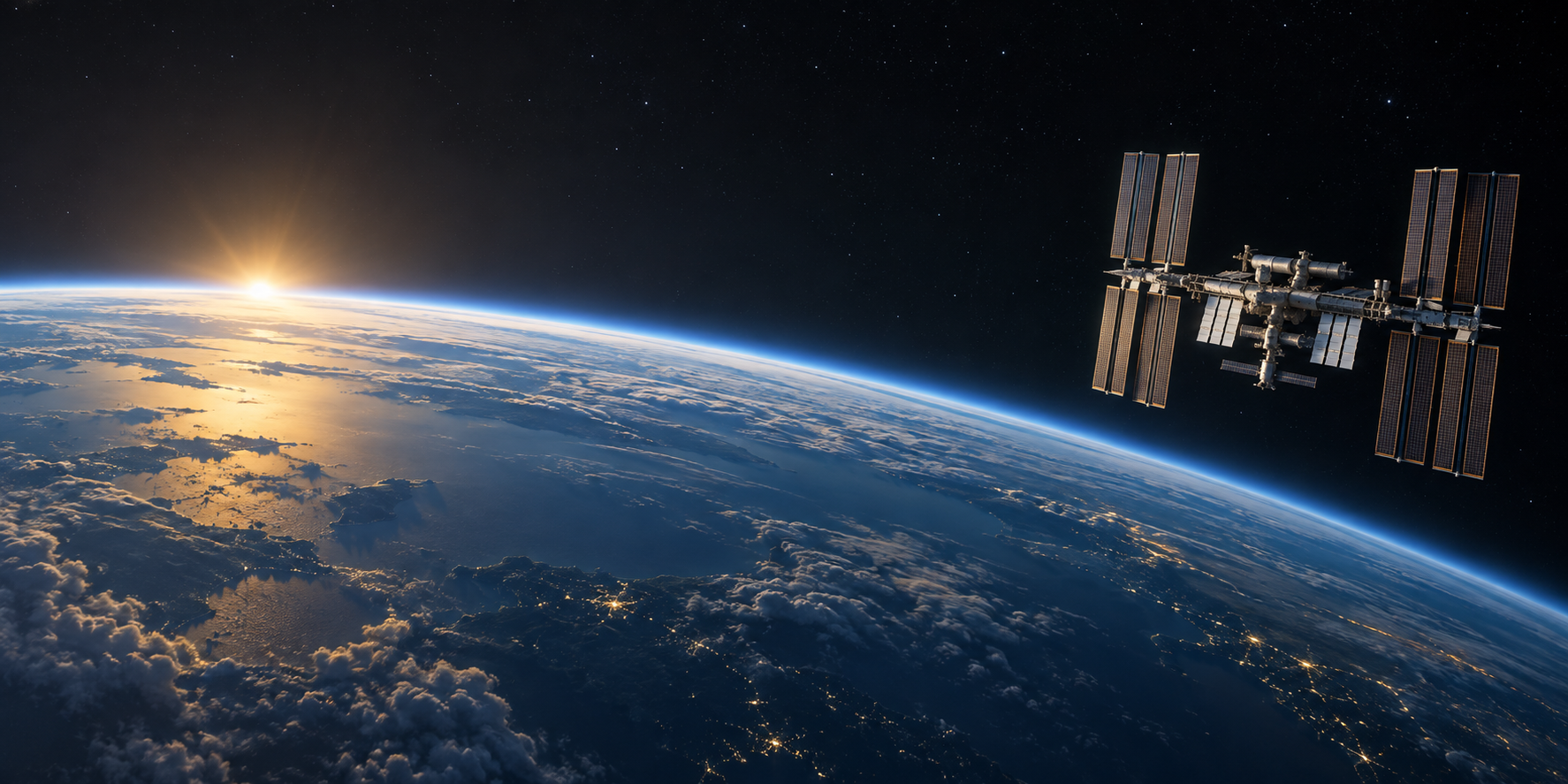
For anyone following human spaceflight, the headline is patient progress. The next milestone is a potential uncrewed engineering flight this winter; the crewed target sits beyond the data, modifications, testing, and certification that follow. That is exactly the kind of measured approach a crew vehicle should take.
Want to talk through the mission updates with people who get excited about the details? Join the Cosmic Match space community and bring your favorite “what happens next?” question. For another example of how a near-term space test can be more nuanced than its headline, read our explainer on Google Project Suncatcher’s October 1 TPU test.