Why Saturn Looks Like a Star Before Dawn
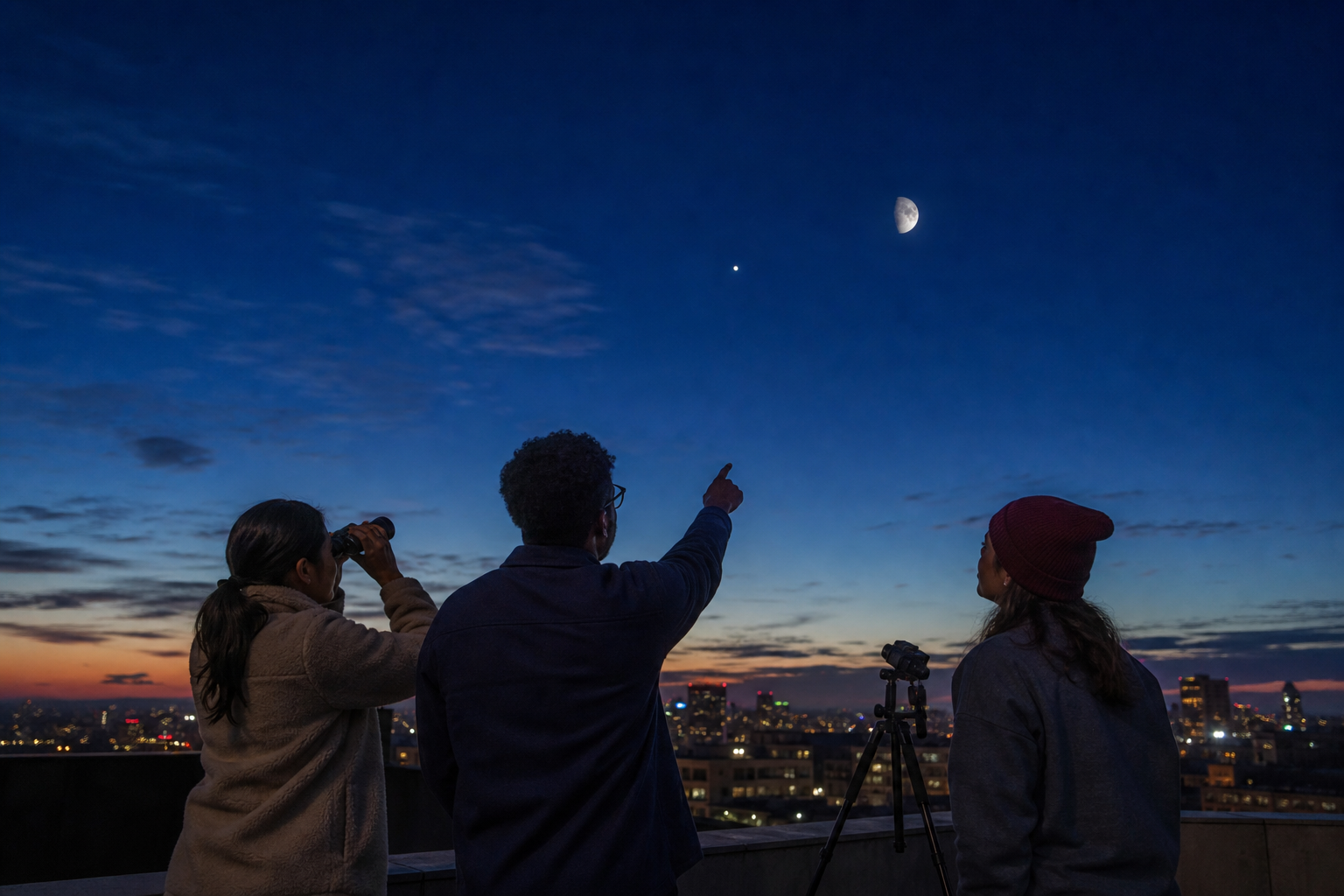
On July 7, 2026, the Last Quarter Moon will sit near Saturn before dawn, and that pairing is exactly why this is a good beginner week to look up. If you step outside expecting a tiny ringed icon, though, you may be surprised. Saturn usually looks like one steady, pale-gold point of light with the naked eye. In other words, it can look a lot like a star.
That is normal. Saturn is bright enough to spot without gear, but it is still far too small and distant for your eyes to resolve its disk or rings. The Moon simply makes it easier to find. Once you know what you are looking at, the view gets much more satisfying.
What you will actually see before dawn
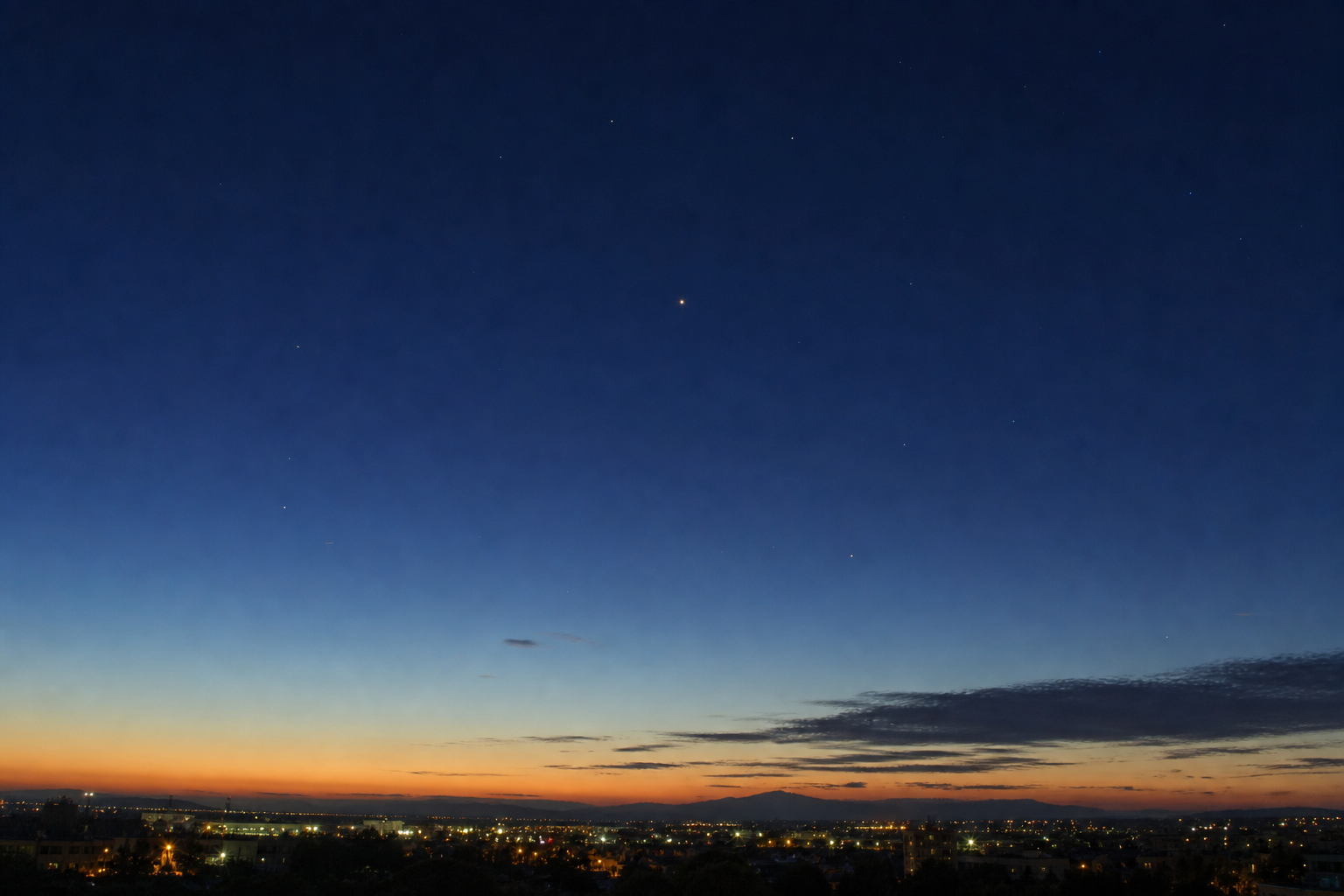
NASA's July 2026 skywatch notes July 7 as the Last Quarter Moon, and Astronomy's July sky guide says Saturn lies about 7 degrees southeast of the Moon that morning. The same guide says Saturn rises around 1 a.m. local daylight time at the start of July and climbs to more than 30 degrees above the southeastern horizon after 4 a.m.
That means the simplest beginner plan is not to hunt randomly across the whole sky. Wake up early, face southeast, find the Moon first, and then look a short distance away for the brighter, steadier point nearby. Saturn is the easy planet in this scene. The Moon is your signpost.
Why Saturn looks like a star
The short answer is distance and resolution.
NASA describes Saturn as the farthest planet from Earth easily visible to the unaided human eye. That makes it bright enough to see, but still tiny from our point of view. Your eyes collect its reflected sunlight as a bright point, not as a detailed little globe with visible rings.
NASA's general skywatching guide also gives beginners one of the most useful planet-vs-star rules: planets usually shine with a steadier light, while stars often flicker more. Stars are effectively pinpoint light sources seen through Earth's moving atmosphere, so they tend to twinkle. Saturn is still small to your eyes, but it is not quite the same kind of pinpoint source, which is why its light often looks calmer and more even.
So yes, Saturn can look star-like. But it usually looks like a steadier star, often with a soft yellow or pale-gold tone.
How to tell Saturn from a real star
If you are brand new, use a three-step filter.
First, use the Moon's position. On July 7, Saturn is close enough to the Last Quarter Moon that you do not need to guess across a huge patch of sky.
Second, watch for the steadier light. If one object near the Moon seems to hold its brightness while nearby stars sparkle more, that is a strong clue.
Third, check your expectations. Naked-eye Saturn is not supposed to look dramatic. It is supposed to look modest, clean, and steady. Beginners sometimes think they have picked the wrong object because Saturn does not scream "ringed planet" on first glance. In reality, the quiet look is part of the point.
If you want another practical predawn reference, our earlier guide to Moon, Mars, and Saturn before dawn shows the same basic beginner logic: let the Moon do the finding first.
What binoculars or a small telescope change
This is where the experience becomes more personal.
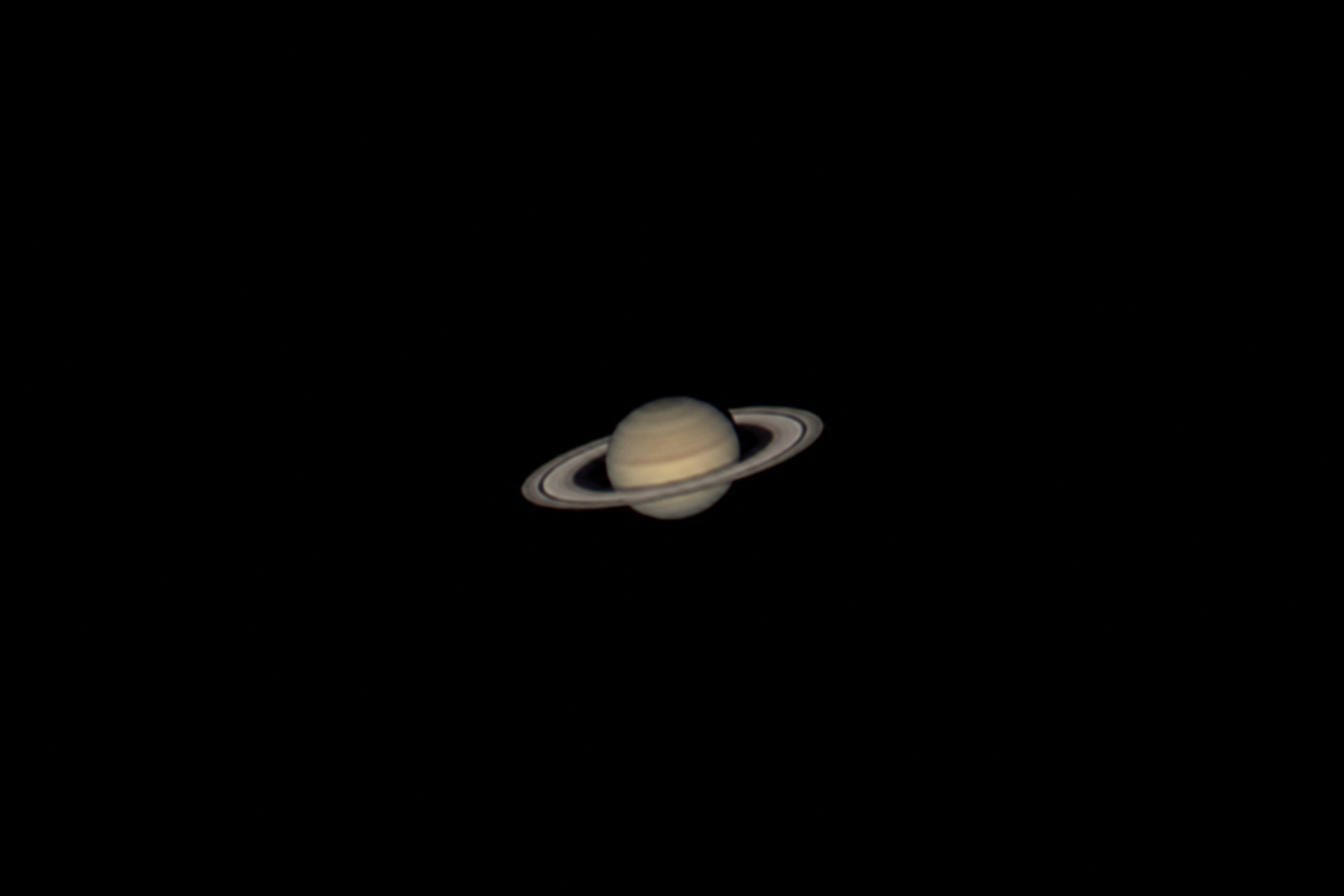
NASA's Saturn viewing guidance says you will not see distinguishing features like the rings without optical aid. With binoculars, you may get a stronger sense of Saturn's golden color, and in good conditions some viewers can pick up a tiny non-stellar look or even the faint suggestion of the planet's famous "ears." With a small telescope, the difference is much more obvious: Saturn stops being a point and starts looking like an actual world.
NASA's July 2026 skywatch also notes that Saturn's rings look unusually thin this month because the viewing angle is shallow from Earth. That is a fun detail for beginners because it explains two things at once: why the rings are never visible naked-eye, and why even telescope views change over time.
If you are deciding whether to borrow or buy gear later, our guide to the best beginner telescope for city stargazing is the next practical step. If you want to try optics without buying anything, free public telescope nights like this Los Angeles beginner observing option are a cleaner first move.
A simple beginner plan for July 7
Set an alarm for the pre-dawn window, not sunrise itself. Give yourself time before the sky brightens too much. Bring your eyes first and binoculars second if you have them. Use the Moon as your anchor, then let Saturn be the lesson.
If you want better local planning, start with our guide to beginner-friendly stargazing spots in Austin. And if you want more people in your life who will actually say yes to a 4:30 a.m. sky check, you can sign up free at Cosmic Match.
The takeaway
Saturn looks like a star before dawn because your eyes can see its light but cannot resolve its details. On July 7, 2026, the Moon makes that lesson easier to see. Find the Moon, look nearby, and do not be disappointed by how simple Saturn appears at first. That steady little point is the beginning, not the letdown.
Sources
- NASA, "What's Up: July 2026 Skywatching Tips from NASA" (published July 1, 2026)
- Astronomy, "July 2026: What's in the sky this month?"
- NASA Science, "Saturn"
- NASA, "Saturn Shines This Week - 3 Ways to View the Planet's Opposition"