Houston Planetarium Shows This Week: A First-Timer’s Guide
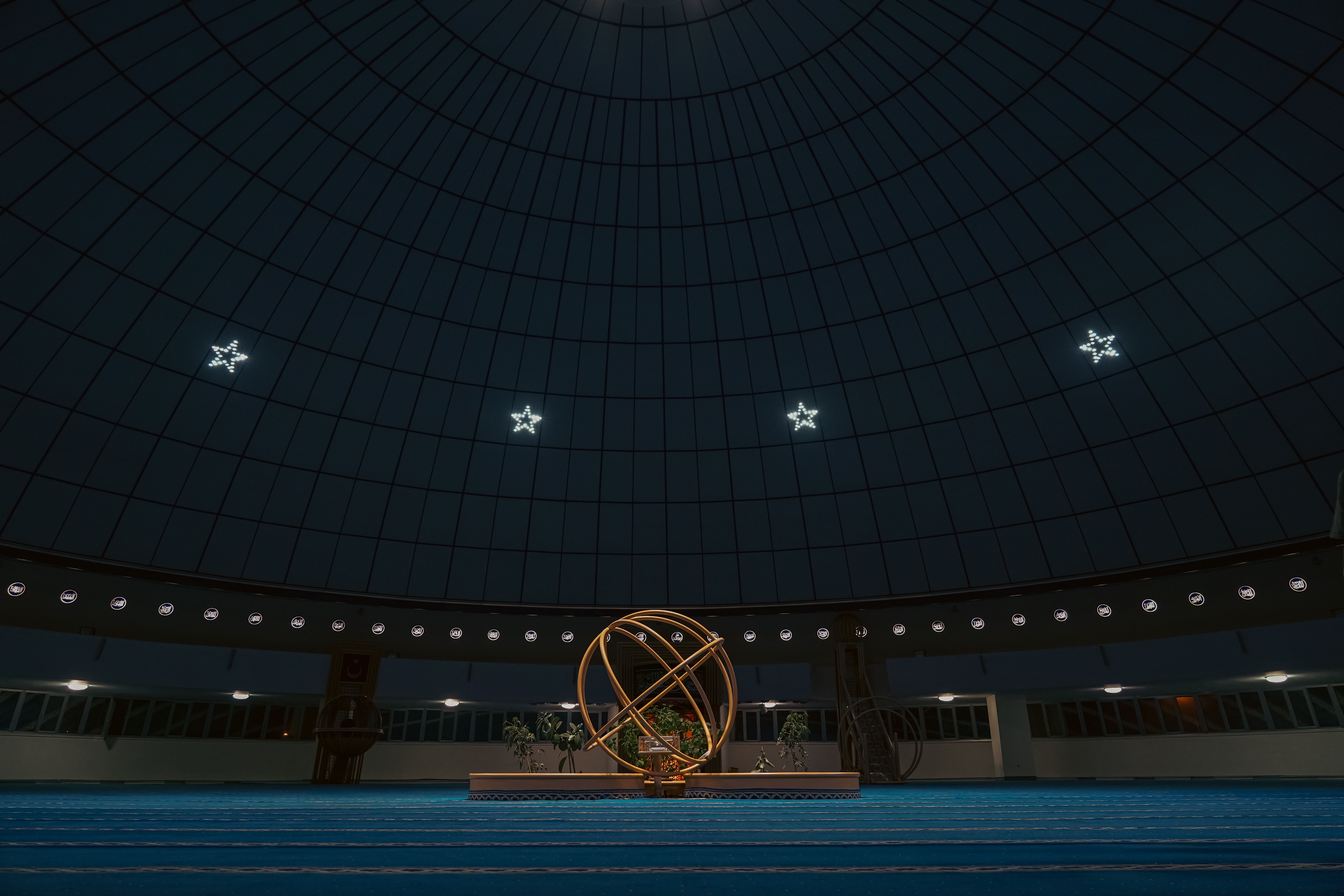
Houston Planetarium Shows This Week: A First-Timer’s Guide to Starry Night Express and Cosmic Collisions
If you want a low-pressure way to spend time with the universe this week, the Burke Baker Planetarium at Houston Museum of Natural Science has two genuinely different choices: Starry Night Express runs at 12 p.m. and 3 p.m. through Sept. 30, while the sensory-friendly Cosmic Collisions screening is Saturday, Sept. 26 at 8:30 a.m. For either one, the practical rule is simple: be at the planetarium at least 15 minutes before showtime. HMNS does not allow late entry.
That makes this an excellent Houston plan for anyone who likes space but does not own a telescope—or wants a science outing where the weather cannot cancel the stars.
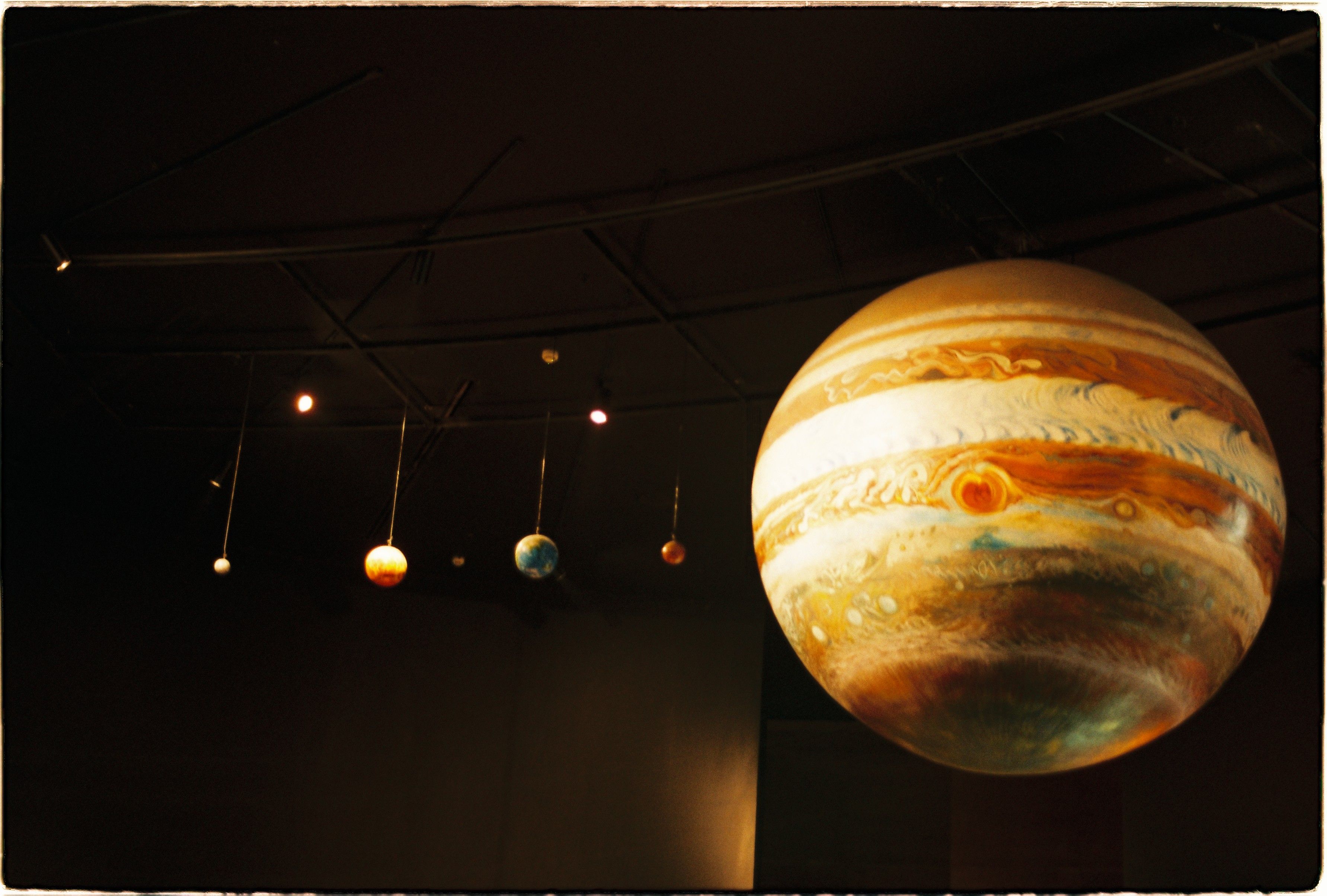
Which Houston planetarium show should a first-timer choose?
Pick Starry Night Express if you want an easy, live introduction to the actual sky. The presentation starts close to home and moves outward: stars, constellations, planets, the Moon, the Milky Way, current sky events, and a few deep-sky surprises. It is the more conversational choice for a first visit, especially if you have caught yourself looking up and wondering what you are seeing.
For this week’s schedule, HMNS lists Starry Night Express at noon and 3 p.m. on Sept. 23–27, then again 3 p.m. on Sept. 28 and noon and 3 p.m. on Sept. 29–30. Confirm your exact date and seat availability in the official HMNS ticket flow before heading over.
Choose Sensory Friendly — Cosmic Collisions if the Saturday morning format is the better fit for you or your group. It is scheduled for Saturday, Sept. 26 at 8:30 a.m. and explores the collisions that shape worlds and galaxies—from the impact history connected to the Moon and seasons to the way galaxies merge and make new stars. HMNS describes its sensory-friendly event window as using modified 2D shows with house lights up and reduced volume; confirm the details that matter to you directly with the museum before booking.
What happens at a planetarium show?
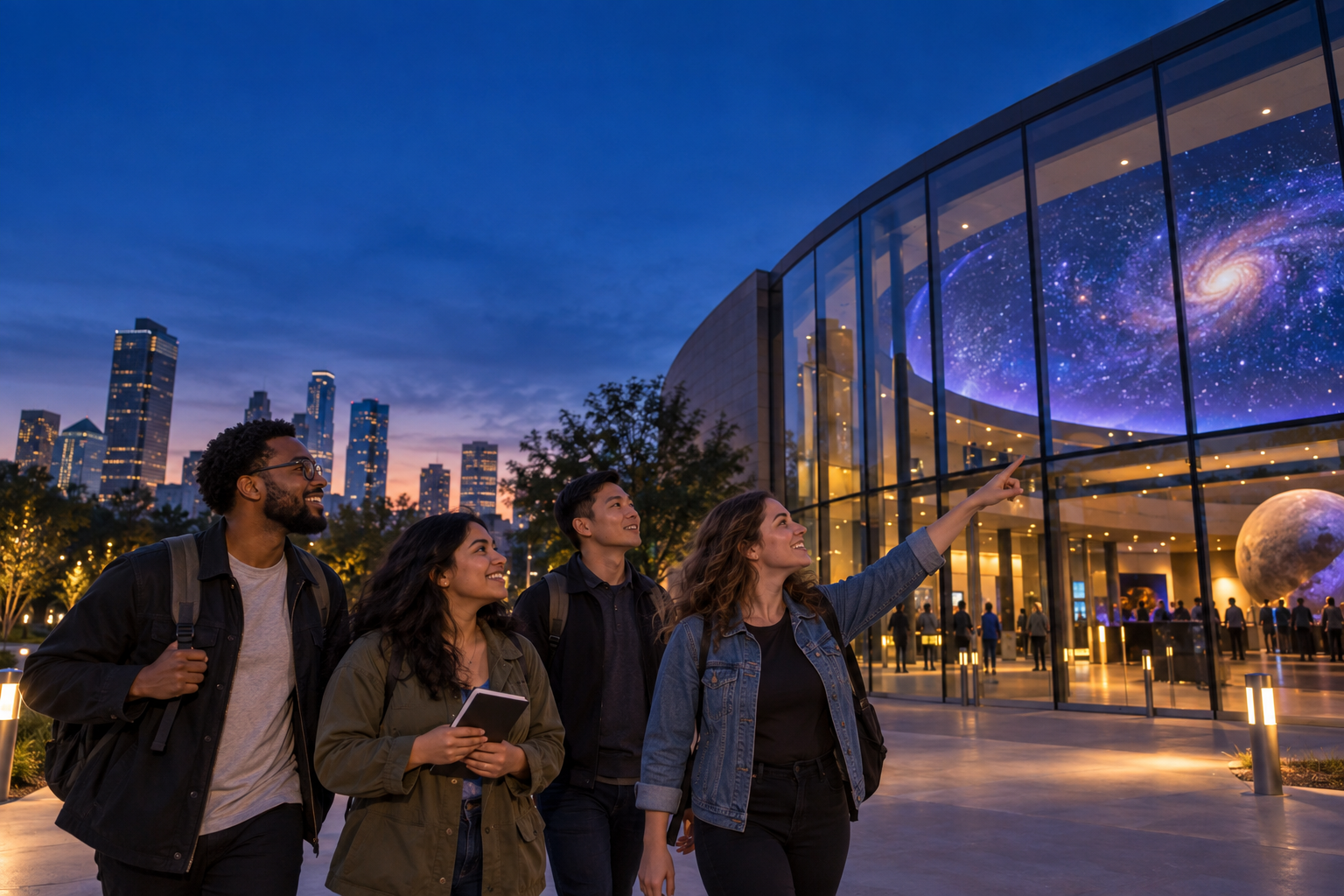
Think less “lecture hall” and more guided trip under a dome. You will be seated in a darkened theater while the screen turns the ceiling into a moving sky. In Starry Night Express, the live format means the guide can connect what appears above Houston to familiar landmarks in the sky. In Cosmic Collisions, the full-dome film is built around big, visual science: impacts, gravity, galaxies, and change across cosmic time.
No special knowledge is expected. You do not need to learn constellation names beforehand, bring binoculars, or prepare questions. The win is simply showing up curious. If a detail sticks—maybe the shape of the Milky Way or why the Moon has craters—write it down afterward and use it as the start of your next skywatch.
How should you plan the visit?
The Burke Baker Planetarium is inside the Houston Museum of Natural Science at 5555 Hermann Park Drive, Houston, TX 77030. Build in time for the museum entrance, ticketing, restrooms, and finding the theater. The official show pages are unusually clear on the point that changes the whole plan: arrive at least 15 minutes early; late entry is not allowed. Aim for 25–30 minutes early if this is your first visit, you are coordinating friends, or you want a calmer arrival.
Prices were not displayed in the live ticket flow when this guide was checked, so do not rely on a third-party price listing. Add tickets to the official selection only long enough to see the current public/member options, then decide before checkout. If accessibility planning is part of the trip, HMNS’s accessibility information describes sensory backpacks with ear defenders, sunglasses, fidgets, and other supports; ask the museum about availability and the specific accommodations for your showing.
For an easy add-on, arrive early enough to explore the museum’s permanent halls or take a short Hermann Park walk beforehand. If you are turning it into an afternoon with other people who are equally excited about space, Cosmic Match’s Houston space community is a friendly place to meet fellow sky-curious locals and trade notes on what to see next.
Can I go alone, or is this better with a group?
Both work. Going solo is delightfully low stakes: choose the time, settle in, and let the dome do the heavy lifting. With friends, it makes a particularly easy shared plan because nobody needs gear or prior expertise—and there is a built-in conversation starter afterward. “What would you want to see through a telescope next?” is better than small talk about traffic.
If the visit sparks a desire to get outside, pair it with Saturday stargazing at George Observatory for a later, telescope-based Houston experience. Or borrow a simple next-night plan from our September no-telescope skywatching field guide. For a different kind of Houston space afternoon, Space Center Houston’s first-timer guide can help you plan the city’s human-spaceflight side.
Your two-minute decision
- Choose Starry Night Express if you want a live, broad tour of the night sky and a noon or 3 p.m. showing this week.
- Choose Cosmic Collisions if the Sept. 26 8:30 a.m. sensory-friendly showing suits your group and you want a science-film experience about how the universe changes.
- For either, check the official ticket page, select the exact time, verify today’s price, and arrive at least 15 minutes early.
There is no wrong choice here. The good choice is the one that gets you under the dome, leaves room to be curious, and gives you something cosmic to talk about on the way home.
FAQ
What Houston planetarium shows are on this week in September 2026?
HMNS lists Starry Night Express at noon and 3 p.m. on multiple dates from Sept. 23–30, plus Sensory Friendly — Cosmic Collisions on Sept. 26 at 8:30 a.m. Check the official ticket pages for the exact day’s availability.
Do I need a telescope for Starry Night Express?
No. The presentation is designed for people to learn the sky from inside the planetarium, with no equipment or prior astronomy experience needed.
How early should I arrive at Burke Baker Planetarium?
HMNS says to arrive at least 15 minutes before showtime and does not allow late entry. For a first visit, 25–30 minutes early is a comfortable buffer.
Are ticket prices included with the planetarium show?
Verify the current price in the official HMNS ticket flow before you buy. The live flow checked for this guide showed member and public ticket categories but did not display an amount.