Starship Flight 14 Targets September 28: Launch Time, Mission Plan, and How to Watch
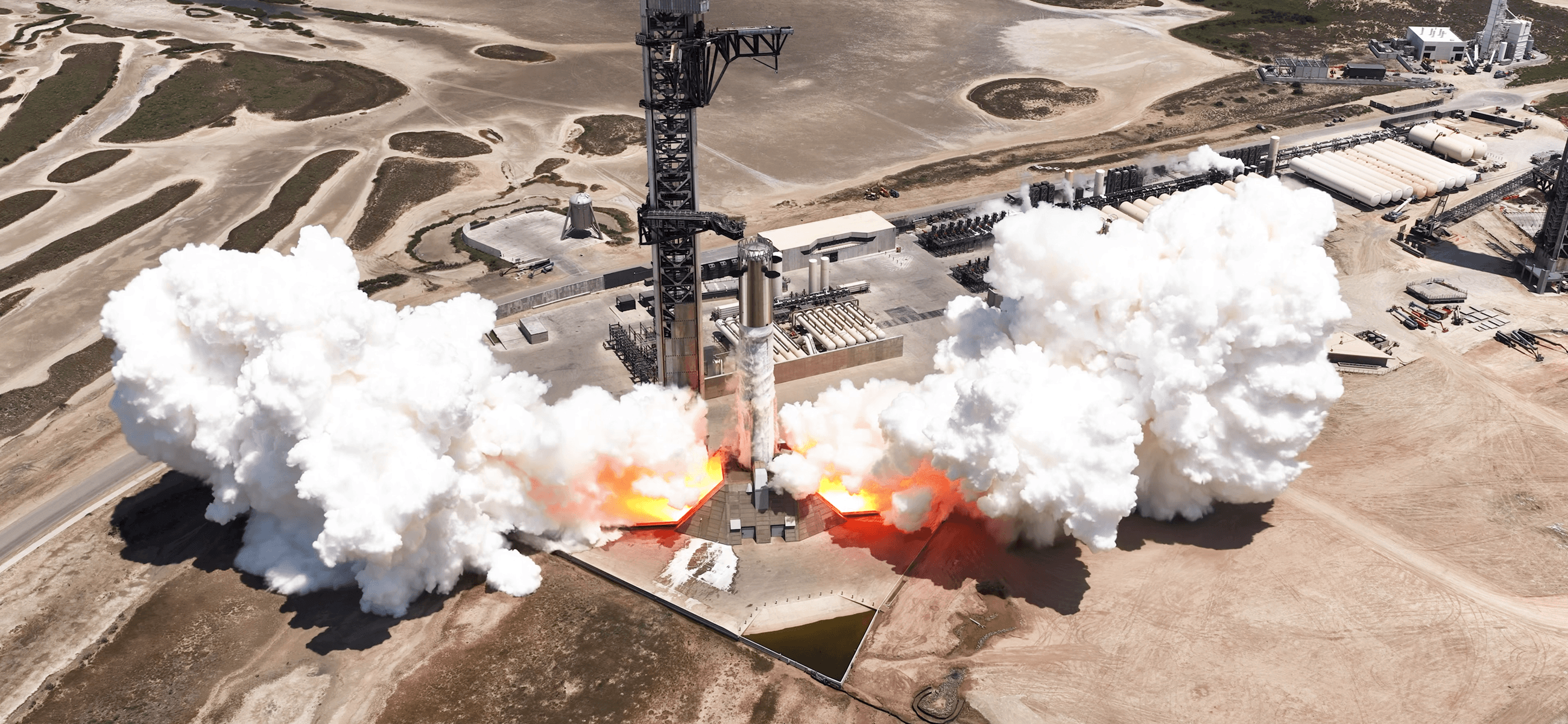
Starship Flight 14 is now targeted no earlier than Sunday, September 28, 2026, with a 75-minute window opening at 07:15 CDT / 09:15 BRT / 12:15 UTC. That is a real operator-posted target, but it is pending regulatory approval—so treat the time as a launch opportunity, not a guarantee. The most reliable way to follow it is SpaceX’s official webcast, rather than making an unsupported in-person viewing plan from Austin, Houston, or Los Angeles.
What time is Starship Flight 14 targeted to launch?
SpaceX’s Flight 14 mission page currently says the mission is targeted as soon as September 28, subject to regulatory approval. Its listed opening time is 07:15 CDT at Starbase, Texas—09:15 in Brasília and 12:15 UTC. The FAA’s ATCSCC planning notice shows a broader September 28 operational window of 12:15–14:14 UTC and identifies September 29 as a backup planning day. Those windows are useful for following the campaign; neither is a declaration that the vehicle is cleared to fly.

Image: SpaceX, official Flight 14 mission asset. Source: SpaceX Flight 14.
A simple watch plan: open the official mission page shortly before the window, turn on its webcast reminder if available, and keep the FAA planning notice handy for operational context. Weather, range operations, vehicle readiness, and regulatory status can move a launch on short notice.
What is Flight 14 supposed to test?
If it flies, Flight 14 is expected to be Starship’s first orbital mission. SpaceX describes a roughly 10-hour flight of about six orbits near 275 kilometers (171 miles), followed by a targeted Pacific Ocean splashdown west of Chile. The mission plan also calls for deploying 26 Starlink V3 satellites—an important step because it turns the test into both a spacecraft demonstration and an early test of Starship’s satellite-deployment role.

Image: Jenny Hautmann, CC BY-SA 4.0, via Wikimedia Commons.

“Orbital” here means the spacecraft is planned to circle Earth rather than follow the earlier suborbital-style paths. It does not mean a finished, routine transportation service. Flight tests are designed to collect data, and a change of plan, hold, scrub, or delayed reattempt is normal. That is exactly why the regulatory wording matters: a target date signals intent, not a completed approval process.
How can beginners watch Starship Flight 14 without special equipment?
You do not need a telescope, a camera rig, or a trip to South Texas. Start with the official webcast and invite a friend who enjoys a good rocket countdown—half the fun is having someone to message when the timeline shifts. Avoid sharing map pins or claiming a local view from Austin, Houston, or Los Angeles; this guide has no primary-source basis for that.
For context before the countdown, read our earlier Flight 14 static-fire explainer, which separates engine-test progress from a launch confirmation. And if you’d like a place for the post-launch “did you see that?” conversation, join the Cosmic Match space community free and connect with people who share your curiosity.
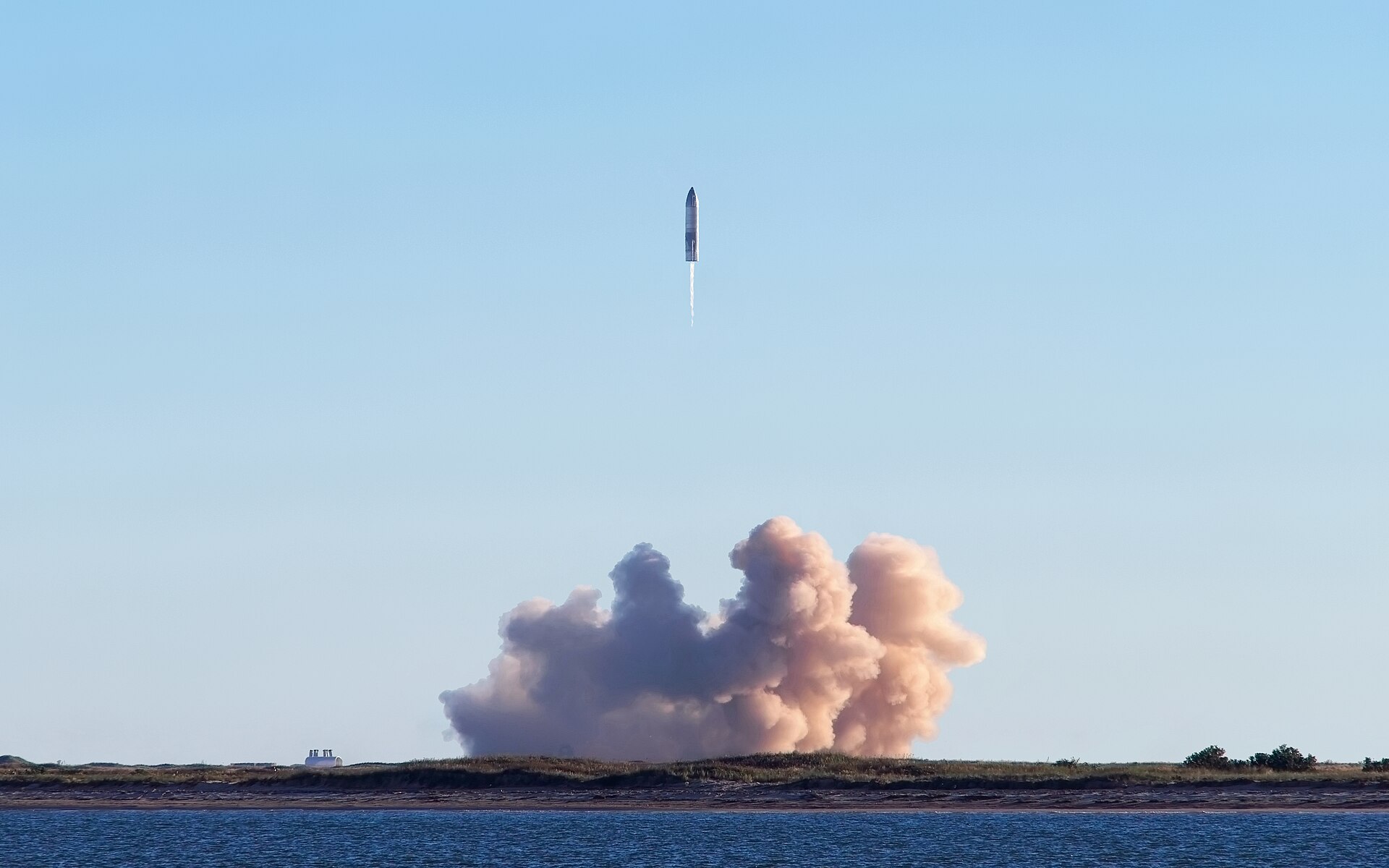
Image: Forest Katsch, CC BY-SA 4.0, via Wikimedia Commons.

Why does “pending regulatory approval” still matter?
Because the last mile of a launch campaign is not just a countdown clock. SpaceX must work inside the applicable launch-licensing and range framework, while airspace, maritime, road-access, and weather decisions develop around the vehicle’s readiness. The phrase is a useful boundary against overclaiming: this is an official target, not a promise that liftoff will occur at 12:15 UTC.
The best habit is to use “targeted” or “no earlier than,” then check the official source again on launch day. If the date moves, it is not a failure of the mission or the community following it—it is how test-flight operations work.
What should you watch for on launch day?
Watch for three things: a SpaceX update that retains or changes the target; a live webcast object or stream link on the official mission page; and any updated FAA or local-operational notices. If all three line up, you have a strong signal that the window is live. If one changes, follow the current official language rather than a viral countdown graphic.
Starship is a giant technical story, but you can enjoy it with a browser tab and a group chat. Bring your questions, keep the caveat attached to the time, and let the official stream do the heavy lifting.
FAQ
Is Starship Flight 14 confirmed for September 28?
It is targeted no earlier than September 28, 2026, with an opening window at 12:15 UTC, according to SpaceX. The mission page also says regulatory approval is still pending.
What time is that in Brazil?
The stated window opens at 09:15 BRT on September 28. The FAA planning notice covers a broader 12:15–14:14 UTC period.
Where can I watch Starship Flight 14?
Use SpaceX’s official Flight 14 page for the webcast and current mission status. Do not rely on unverified local-visibility claims or unofficial restreams.
What will Flight 14 attempt?
SpaceX plans roughly six orbits near 275 km over nearly 10 hours, deployment of 26 Starlink V3 satellites, and a Pacific splashdown west of Chile.
Also on the launch calendar
NASA and SpaceX are currently targeting Oct. 1 for the Crew-13 ISS rotation after a Dragon propulsion-system oxidizer-leak delay. As with Starship, the posted time is a target—check official status before treating it as final.
Newer Flight 15 context: For a plain-language explanation of its completed Ship 42 and Booster 22 static fires—and why those tests are not a launch authorization—read what Starship Flight 15 static-fire completion means.