Burke Baker Planetarium in Houston: A First-Timer Guide
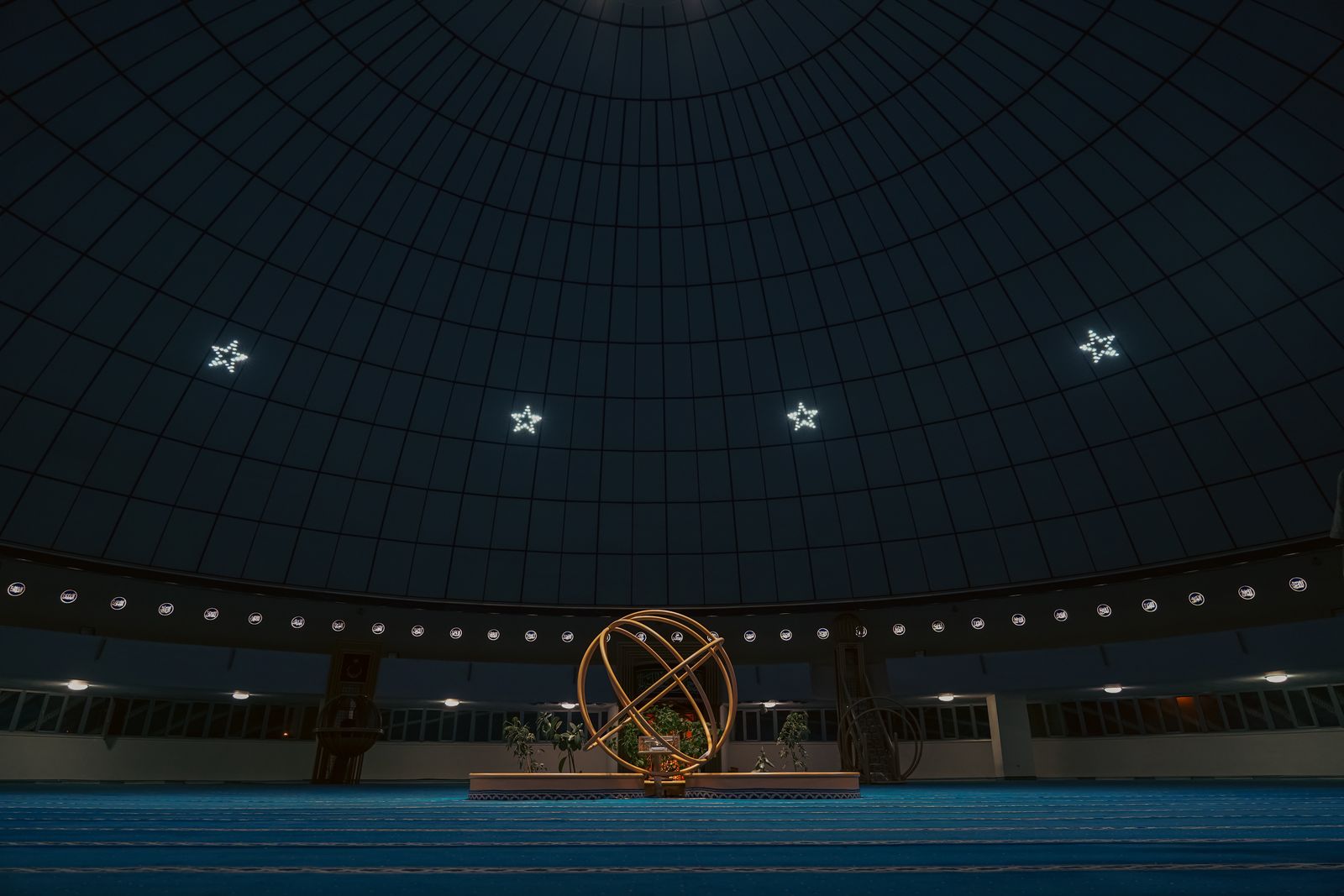
Houston’s Burke Baker Planetarium is an excellent first astronomy outing when you want the wonder of space without buying a telescope or studying a star chart first. At the Houston Museum of Natural Science (HMNS), the planetarium pairs a full-dome show with a museum visit; the one thing to plan around is the specific showtime. Before you leave home, check the official HMNS planetarium calendar, choose a show that sounds like your kind of cosmic adventure, and buy the relevant tickets through HMNS.

This first-timer guide is built for a relaxed Houston afternoon or weekend plan. It deliberately avoids guessing at today’s showtimes, prices, or access arrangements: those are the details to verify on the official HMNS visit page on the day you go.
What is the Burke Baker Planetarium?
The Burke Baker Planetarium has been part of HMNS since 1964 and has introduced millions of visitors to astronomy. It is a dome theater rather than an observatory: you sit back while a projection carries you through a story about the universe, planets, space exploration, or a different science-forward subject. That makes it a welcoming choice if clouds, city lights, heat, or a packed schedule make outdoor stargazing unrealistic.
HMNS currently describes its planetarium programs as full-dome shows that can take audiences through the universe, across planetary surfaces, and through asteroid fields. The lineup changes, and so do showtimes, so treat the calendar—not a third-party listing—as the source of truth.
How do I choose a planetarium show for my first visit?
Start with the show description, then choose the mood you want. A short, family-friendly astronomy program can be a gentle on-ramp if this is your first time under a dome. A program about black holes, the Moon, or the larger universe may fit if you came hungry for big ideas. HMNS lists runtimes on individual show pages; allowing a little buffer before and after your show keeps the visit pleasantly unhurried.
If you are going with friends, make this the only decision you need to make together: pick the story you are most curious about. A planetarium visit is much more fun when everyone has one question they want answered—Why do planets move? What does a black hole actually do? Could people live on the Moon?—and swaps answers afterward.
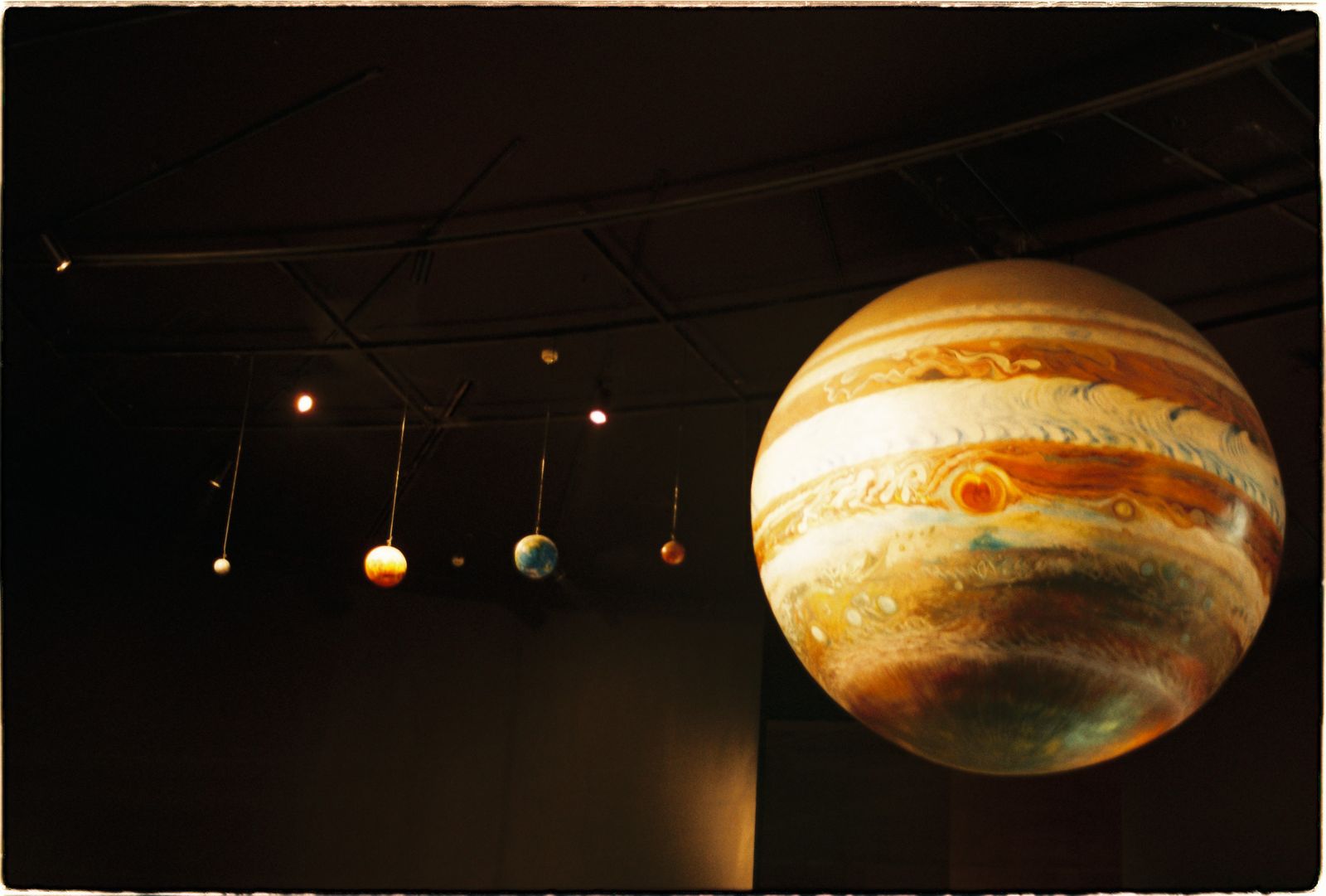
A simple booking checklist
- Open the HMNS planetarium calendar and select your date.
- Read the show description and runtime; confirm the listed start time.
- Use HMNS’s official ticket flow for current availability and admission details.
- If accessibility, sensory considerations, parking, or a special accommodation matters to your group, review the HMNS accessibility information before booking or contact the museum directly.
- Save the confirmation and plan to arrive with time to find the entrance, use the restroom, and get settled before the program begins.
That last point is underrated. A planetarium is designed to immerse you, and walking in late is a tougher reset than slipping into a gallery.
What should I plan for at HMNS?
Burke Baker sits within the Houston Museum of Natural Science in Hermann Park, so it is easy to make your show the anchor of a wider museum visit. HMNS’s directions and parking page is the practical stop for current arrival options. The official hours page is equally important because the museum’s regular hours and special-attraction schedule can change.
A low-stress first visit looks like this: arrive early, orient yourself, see the planetarium show, then give yourself permission to follow one or two curiosities through the museum instead of trying to “do” every gallery. If you want a full space day later, our Space Center Houston first-timer guide helps you plan that separate Houston landmark.
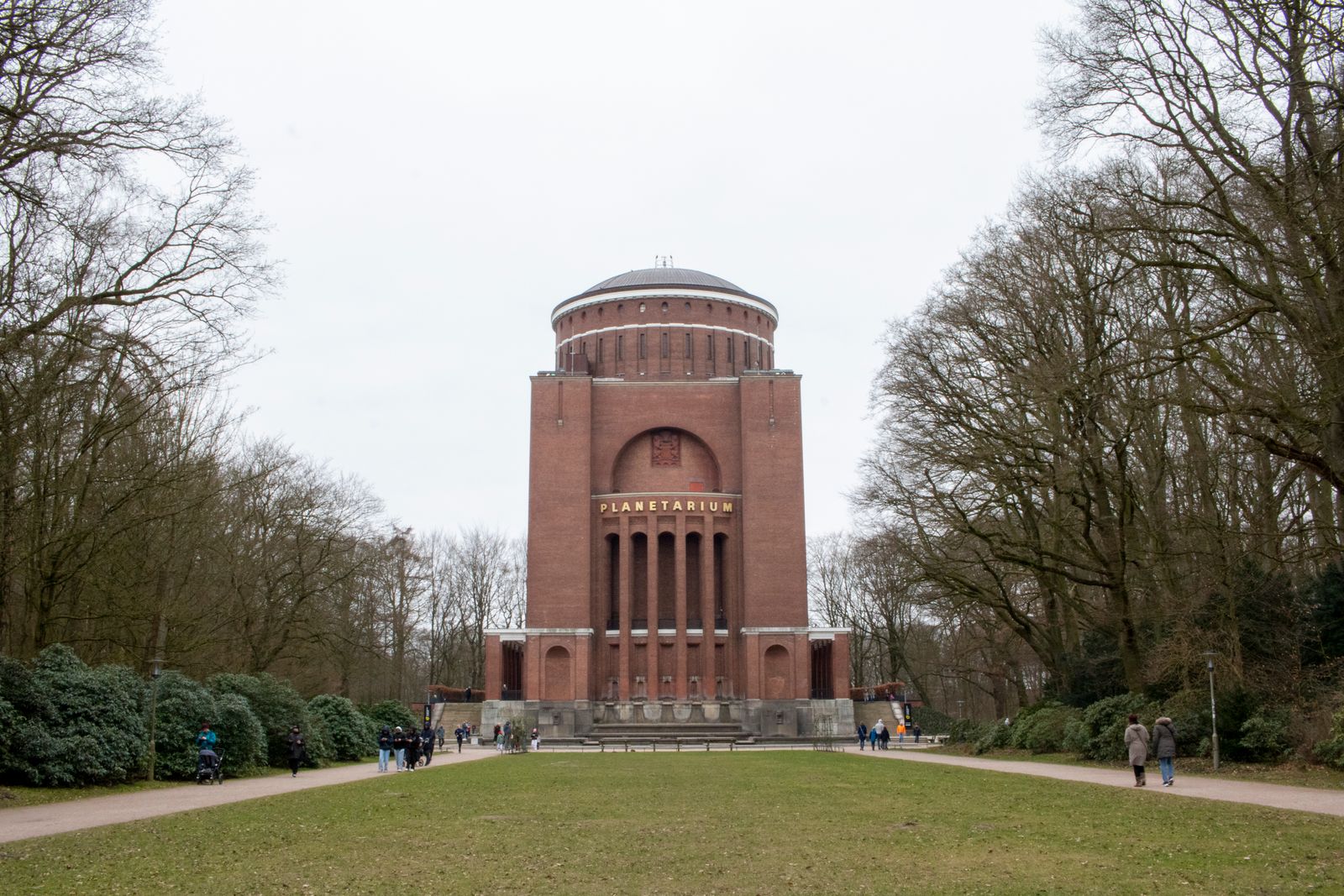
Do I need a telescope or astronomy experience?
No. That is the charm of a planetarium. You do not need to identify constellations, own gear, or wait for a perfectly clear night. You only need curiosity and a willingness to let a presenter or film take you somewhere very far away for a little while.
If the visit leaves you wanting to look up for yourself, keep the first outdoor step small. Try a phone sky map from your balcony, spot the Moon over a few evenings, or go to a friendly public event. For a no-gear next step in town, see our Houston rooftop astronomy first-timer plan. The point is not to become an expert overnight; it is to give your curiosity somewhere to go.
How can I make the visit feel social?
A planetarium is an easy invitation because the shared experience comes with its own conversation starter. Ask each person to choose one thing they hope to learn before the show. Afterwards, compare notes over coffee in the museum district or take a walk through Hermann Park. The best question is usually simple: “What part would you want to see for real?”
And if you are looking for people who already light up at that question, join the Houston space community on Cosmic Match. You can find people who are up for museum afternoons, public observing, and the occasional joyous tangent about Jupiter. It is a community built around the night sky, with no telescope knowledge required.
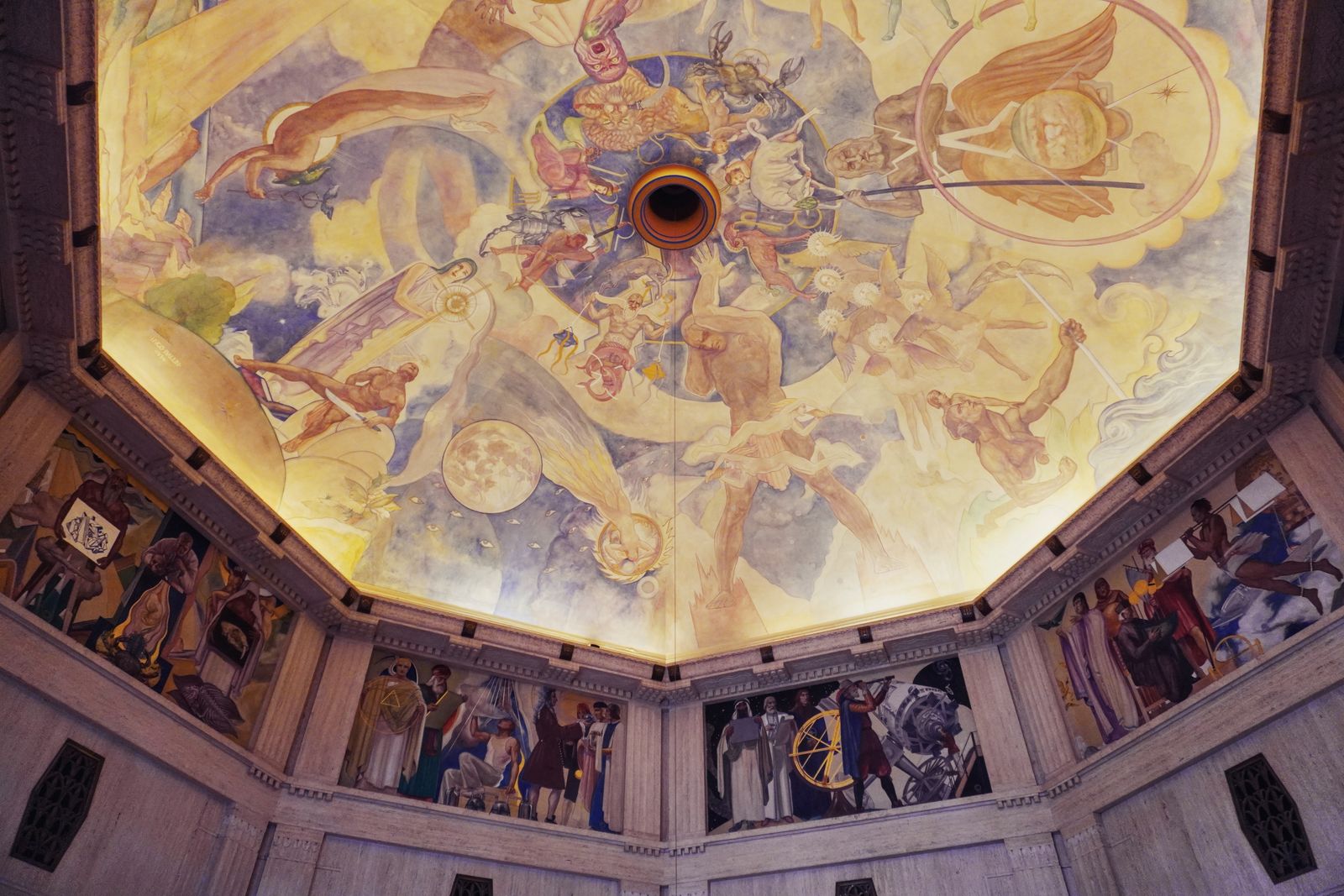
A first-timer plan you can actually use
- A few days ahead: pick your date, then check the official calendar and ticket availability.
- The night before: recheck the showtime, museum hours, directions, and any visit notices.
- Arrival: give yourself a buffer. A calm arrival is better than racing a dome door.
- During the show: let yourself be a beginner. You do not need to understand every term to enjoy the scale of it.
- Afterward: name one thing you want to learn more about, then turn it into your next small sky plan.
Burke Baker Planetarium is not a substitute for seeing a truly dark sky—but it is a wonderful way to begin paying attention to the one above Houston. Start with a show, bring your questions, and let the next clear evening do the rest.
FAQ
Do I need to buy a separate ticket for the Burke Baker Planetarium?
Planetarium programs and museum admission can have different ticketing options. Check the official HMNS calendar and ticket flow for the current arrangement on your chosen date.
How long should I allow for a first visit?
Plan around your selected show’s stated runtime, then add enough arrival time to get settled. If you also want museum galleries, HMNS says an average museum visit takes two or more hours.
Is the Burke Baker Planetarium good for adults who are new to astronomy?
Yes. It is designed for curiosity rather than prior knowledge. Choose a topic that interests you, and treat the show as a starting point for your next sky question.
Where can I meet other Houston people who enjoy astronomy?
Start with approachable public events and Houston stargazing community plans on Cosmic Match. Shared curiosity is enough; you do not need gear or an advanced astronomy background.
Keep looking up
For a zero-equipment late-September plan, continue with our September 14–26 no-telescope skywatching field guide, covering Antares, brilliant Venus, and the Harvest Moon near Saturn.