A Summer Stargazing Picnic: A No-Telescope Night Plan for Austin, Houston, and Los Angeles
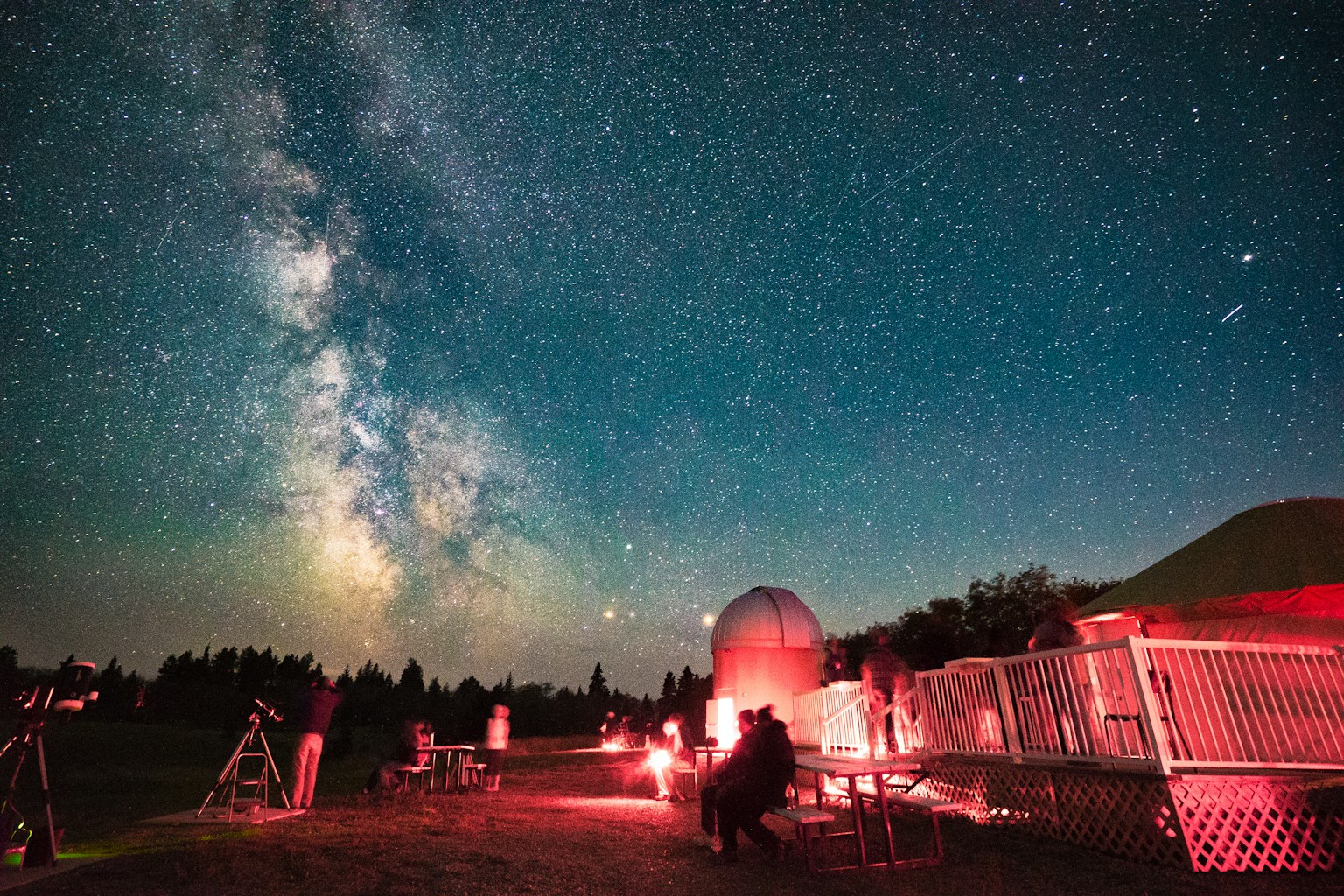
A summer stargazing picnic does not need a telescope, a remote ranch, or a perfect plan. It needs one comfortable patch of sky, a few thoughtful upgrades, and a reason to look up together before the evening gets late. In Austin, Houston, and Los Angeles, the goal is not perfect darkness—it is an easy, public, early-evening plan that leaves room for wonder.
Arrive before sunset, eat while the sky changes, let your eyes adjust, and celebrate when someone spots the first bright star. That is enough for a night to feel cosmic.
The 90-minute no-telescope plan
Start about 45 minutes before sunset. Bring a blanket or camp chairs, water, easy snacks, bug spray, a light layer, and a small red-light flashlight. Red light protects night vision; if a phone is all you have, dim it fully and keep it away until needed.
Choose one tiny sky goal. In July, try the three bright stars of the Summer Triangle, a moving satellite, or simply noticing how many stars appear after ten quiet minutes. This is a looking-up night, not a test.
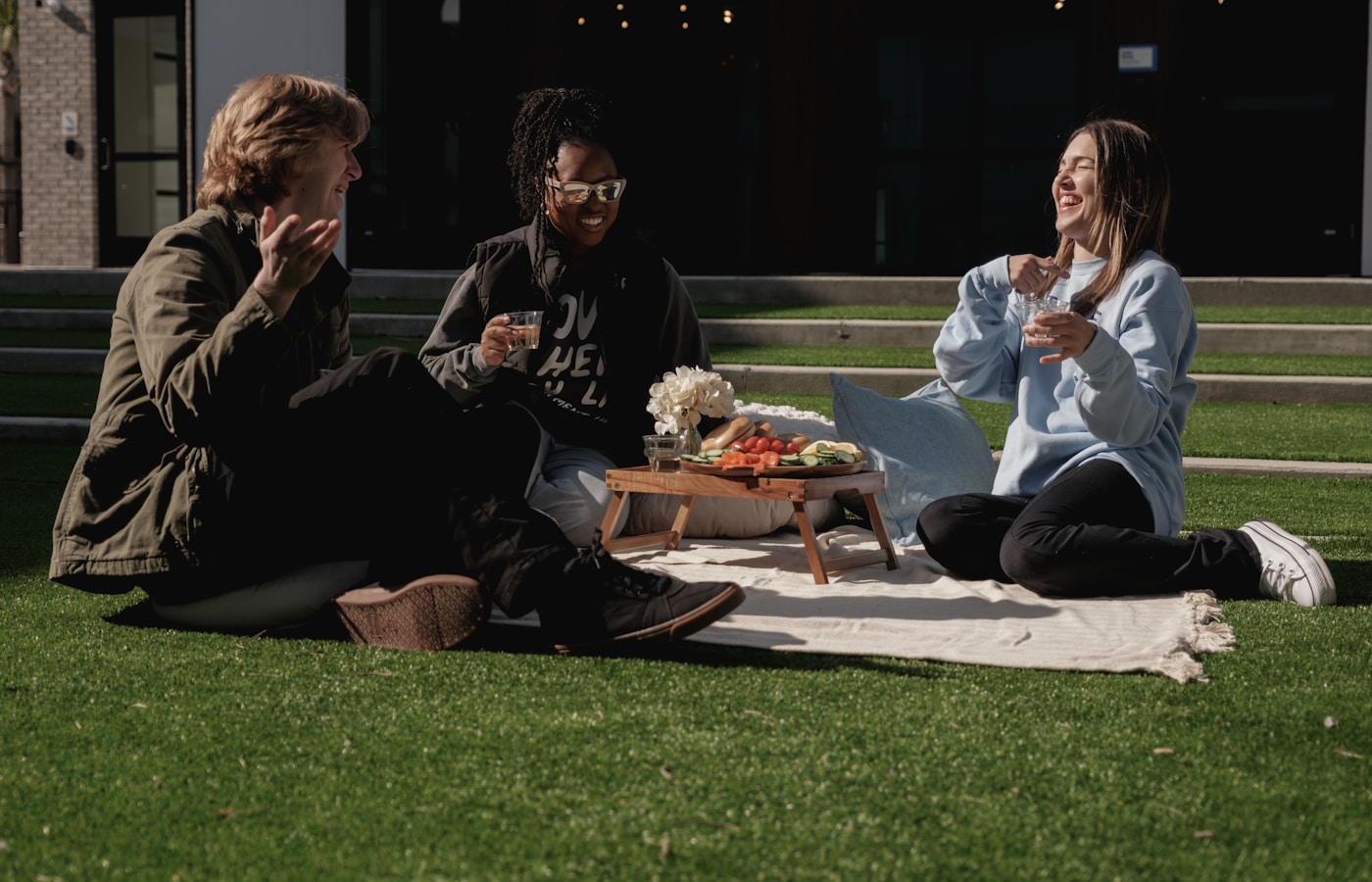
Keep it low friction:
- Check the venue’s official page for closing time, entry rules, and weather before leaving.
- Pick a familiar, public place; arrive and leave together, and avoid unlit trails.
- Keep lights and voices low. No lasers, and no bright white flashlight sweeping.
- Pack out every scrap. If clouds arrive, keep the picnic—the community part still counts.
Austin: an early lake-and-sky evening at Emma Long
Emma Long Metropolitan Park is a practical Austin choice when you want open space and a little more horizon than a neighborhood park. The City of Austin lists it as open year-round from 7 a.m. to 10 p.m., with open space and picnic facilities. From March through September, Friday–Sunday and holiday visitors need a pre-purchased day pass, and capacity can fill—check before committing.
Treat it as a first-stars plan, not an all-night observing session. A clear invitation makes it simple for new people to join: “Blanket, snacks, Summer Triangle challenge, heading out before closing.” If you want more fellow sky people for a small public-park hang, meet Austin stargazers on Cosmic Match and put the venue rules directly in the plan.
This weekend: a guided Hill Country star party on Saturday, July 25
Pedernales Falls State Park is hosting a star party with the Austin Astronomical Society on Saturday, July 25, from 8:30–11:30 p.m. CDT. The event includes electronically assisted astronomy, telescope viewing, talks, and constellation tours. It is weather permitting and RSVP is required. Standard park entry is $6 per adult (or free with a Texas State Park Pass), and TPWD recommends waiting until the day before to purchase a day pass in case weather cancels the event. Bring binoculars if you have them, use only soft red light in the viewing area, and check the official TPWD event page for RSVP and final conditions.
Houston: turn Brazos Bend into a Saturday evening out
Houston’s ready-made option is Brazos Bend State Park, home to the George Observatory. Texas Parks & Wildlife says the observatory is open Saturday nights year-round, weather permitting, making it a welcoming “picnic first, astronomy second” outing for people without gear.
Arrive in daylight, settle in, and read current park notices before you decide whether to add the observatory program. This is wildlife habitat, including alligators: stay on designated paths and follow posted directions. If the program is sold out or weather changes, a picnic plus a naked-eye check before leaving is still a complete night. Save our George Observatory beginner guide for the practical ticket and timing details.
Los Angeles: use Griffith Park’s daylight-to-starlight window
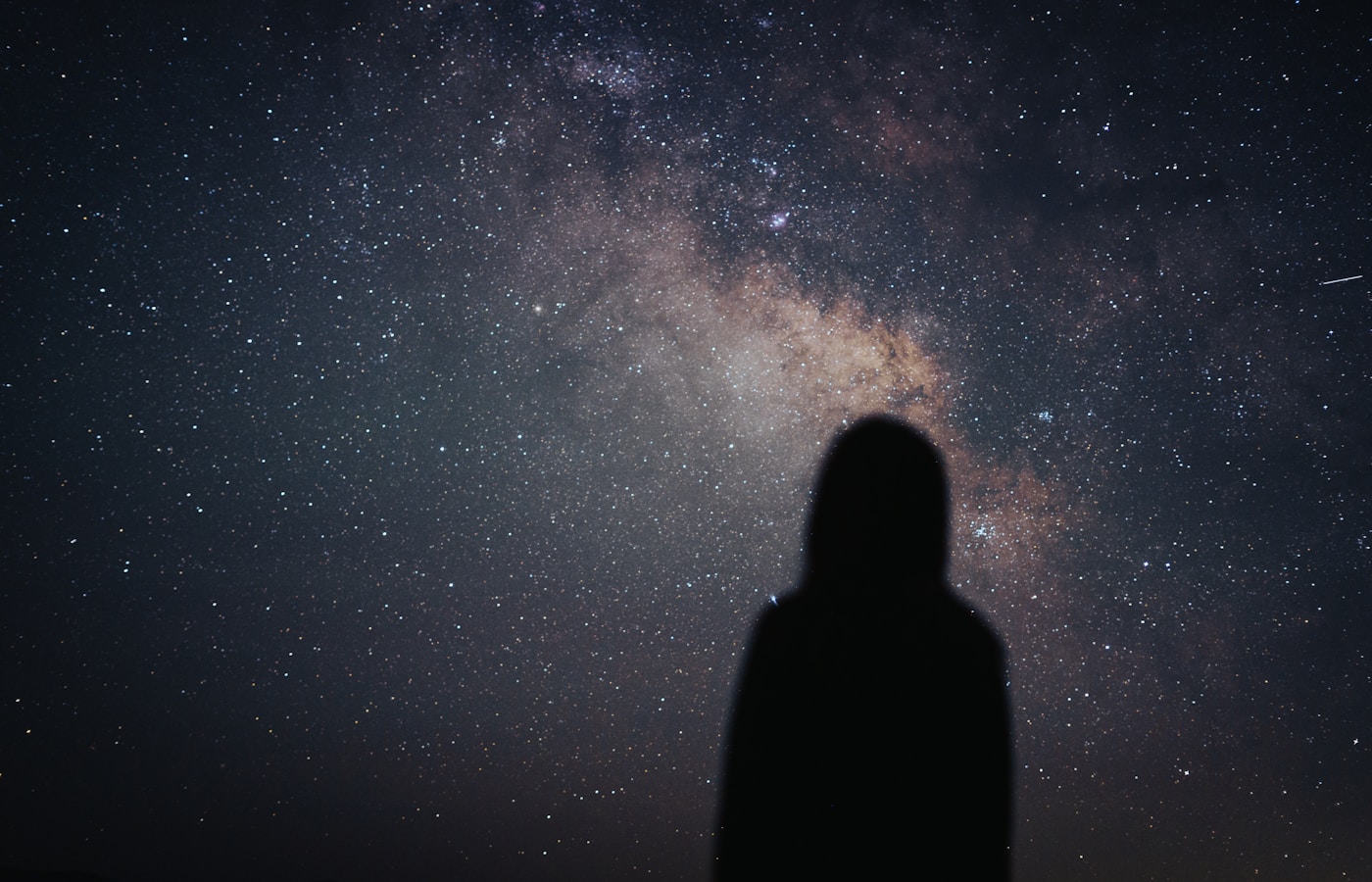
In Los Angeles, Griffith Park works when you plan around its clock instead of chasing a perfectly dark sky. The City of Los Angeles lists picnic tables and hours of 5 a.m. to 10:30 p.m. Use a designated picnic area, enjoy late light, then watch for the first bright stars as the city glow softens. Individual areas can have different rules, so use posted information rather than assuming every trail or overlook stays open.
Keep the evening grounded: stay in open, populated areas, respect parking signs, and avoid unlit detours. Alcohol is not allowed in Griffith Park picnic areas. A future observatory visit can be a great follow-up, but a casual picnic is already a genuine way to begin noticing the sky together. Join the Cosmic Match community to connect around a shared interest in astronomy and suggest a friendly, public skywatching plan.
What to look for when the sky is bright
City light does not erase the sky; it changes the scale of your first goal. Let your eyes adapt for 10–15 minutes, then start with the brightest stars overhead instead of the horizon. The Summer Triangle is satisfying in summer because its stars are bright enough to learn without binoculars. A steady, unblinking point that crosses the sky in a few minutes may be a satellite.
Try a “notice, not quiz” ritual: one person picks a bright star, another describes its color or nearby shape, and only then does someone consult a sky app. It keeps the sky—not the screen—at the center.
Make it repeatable
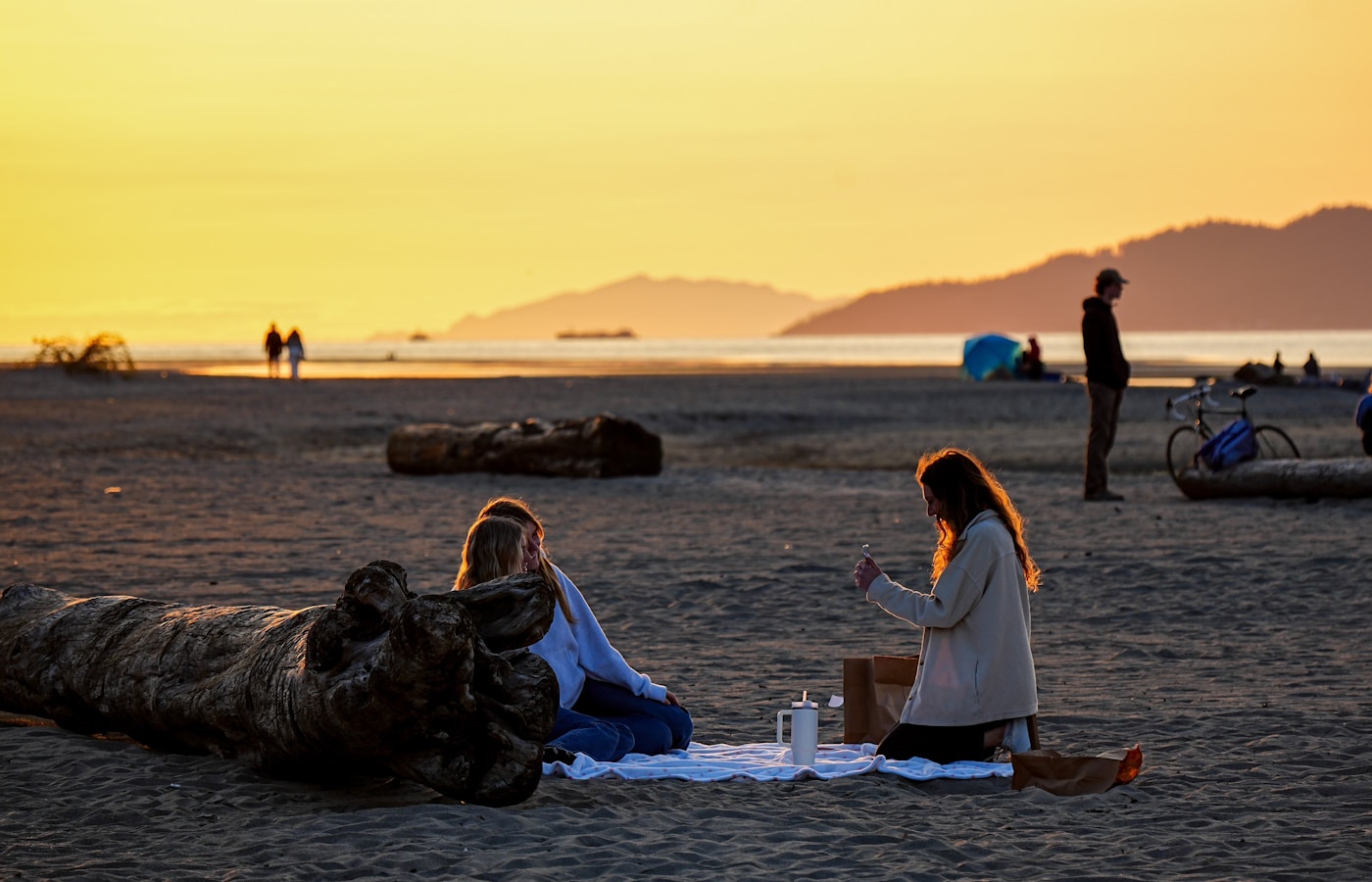
The best stargazing picnic is the one you can repeat. Keep the group small, the gear list short, and the invitation clear. Rotate neighborhoods, let different people bring the snack idea, and celebrate modest wins: a cloud gap, a new constellation, a thoughtful question, or a new observing buddy.
You do not need expertise to make space for the night sky. You only need curiosity—and perhaps one red flashlight.